
Post
Risks of Laser Hair Removal After Waxing: A 2026 Specialist Guide
Laser hair removal is a medical procedure that uses a concentrated beam of light to remove unwanted hair, but its effectiveness depends entirely on the presence of the hair follicle's root.
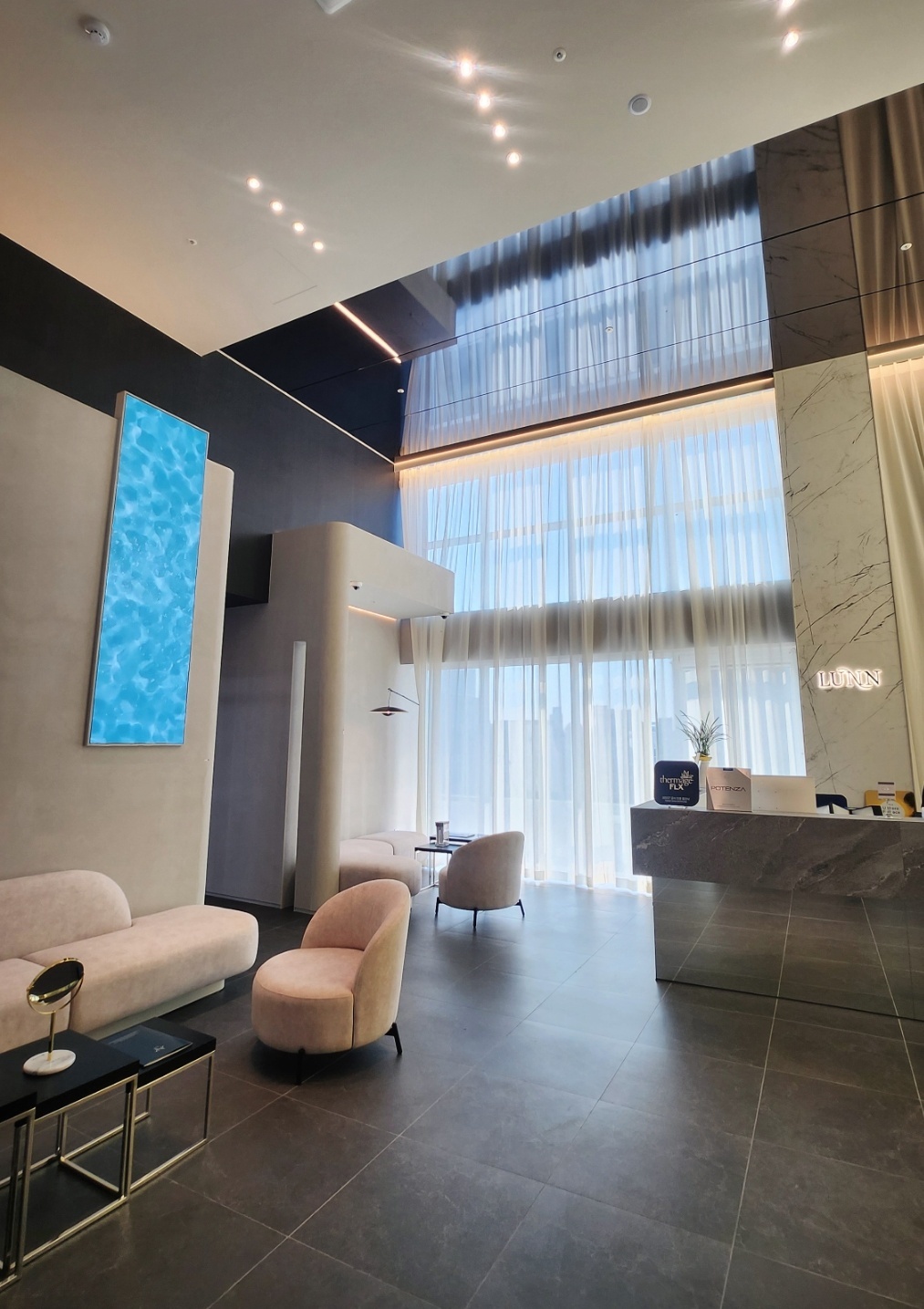
For those seeking long-term smoothness, understanding the physiological interaction between different hair removal methods is essential. This guide explains why the combination of waxing and laser therapy requires careful timing to avoid skin damage and ensure the procedure remains a worthwhile investment for your aesthetic goals in 2026.
Mechanism of Laser Hair Removal and Why Waxing Interferes
Laser hair removal operates on the principle of selective photothermolysis, where a specific wavelength of light is absorbed by the melanin in the hair follicle to destroy the growth center. This process requires a physical target within the skin to conduct the thermal energy effectively to the bulb.
Understanding Hair Cycles and the Laser Target
Hair follows a three-stage cycle: anagen (growth), catagen (transition), and telogen (resting). Laser hair removal is most effective during the anagen phase because the hair bulb is rich in melanin and physically connected to the follicle. During a typical session, the laser emits concentrated light that is absorbed by this pigment. A significant portion of human hair is in the anagen phase at any given time, though this varies significantly by body region and individual factors. At LUNN, we emphasize that for the energy to reach the follicular root, the hair shaft must be present within the follicle. If the hair is absent, the laser energy dissipates into the surrounding tissue without achieving the intended thermal destruction of the germinative cells. This understanding of biological timing is crucial for achieving the refined results our patients expect in a professional setting, ensuring that each pulse targets the active growth centers effectively.
How Waxing Removes the Essential Target for Laser Energy
Waxing is a mechanical epilation method that involves applying resin to the skin and removing it quickly, pulling the entire hair shaft including the root from the follicle. While this provides temporary smoothness for a few weeks, it inadvertently removes the precise biological target required for successful laser hair removal. Because the laser requires a conductor, the melanin-rich hair root, to guide heat to the follicle, a waxed area leaves the laser with no path to follow. Medical observations suggest that performing laser treatment on a recently waxed area can lead to significantly reduced efficacy for those specific follicles, as the target is missing. At LUNN, we advise patients that the absence of the hair bulb makes the procedure redundant. Without the internal target, the light energy is essentially wasted. This leads to a situation where the patient undergoes the discomfort of the laser session without the long-term benefit of hair reduction.
The Science of Follicular Preservation in Dermatology
Preserving the follicle's internal structure between sessions is the cornerstone of dermatological hair removal strategies. When a patient chooses a professional clinic like LUNN, they are investing in a process that relies on cumulative damage to the follicular stem cells. Waxing disrupts this process by resetting the follicle in a way that is not synchronized with the laser schedule. It generally takes a few weeks for a new hair shaft to emerge and reach the anagen phase after being pulled out by the root. During this interval, the follicle is essentially invisible to the laser device. Therefore, maintaining the integrity of the hair root through shaving, which only trims the surface, is the only recommended preparation method. By preserving the follicular target, we ensure the thermal energy remains localized, protecting the surrounding dermal layers while maximizing the potential for hair reduction over a series of scheduled appointments.
Specific Risks of Combining Waxing and Laser Hair Removal
The skin barrier is a delicate shield that can be compromised by aggressive mechanical hair removal, making it highly susceptible to the thermal stress of laser treatments. When the stratum corneum is stripped, the risk of adverse reactions increases as the skin's natural defense mechanisms are temporarily weakened.
Increased Skin Sensitivity and Potential for Thermal Burns
Waxing does more than just remove hair; it also strips away a thin layer of the stratum corneum, which is the skin's primary protective barrier. When this barrier is compromised, the skin becomes significantly more reactive to external stimuli, including the intense heat generated by medical-grade lasers. Clinical observations suggest that the skin's sensitivity can be significantly heightened immediately following a wax. If a laser session is performed too soon, the heat energy, which is meant to be absorbed by the hair, may instead be absorbed by the traumatized skin surface. This elevates the risk of thermal burns, which can manifest as redness, blistering, or localized swelling. At LUNN, we prioritize safety by ensuring the skin barrier is healthy before proceeding. We recommend a recovery window to allow the skin to restore its natural structure, thereby minimizing the chance of adverse heat reactions.
Folliculitis and the Risk of Post-Inflammatory Hyperpigmentation
The combination of mechanical trauma from waxing and thermal stress from lasers creates a high-risk environment for inflammatory responses. One common complication is folliculitis, an inflammation of the hair follicles that can occur when the skin is twice-irritated. Furthermore, post-inflammatory hyperpigmentation (PIH) is a significant concern, especially for patients with higher melanin levels in their skin. Some patients who undergo aggressive treatments on irritated skin may experience temporary darkening of the treated area. At LUNN, we focus on minimizing these risks through careful patient assessment. While side effects like redness or minor swelling are possible and usually resolve within a few days, combining these two methods increases the likelihood of more persistent pigmentary changes. Ensuring that the skin is calm and non-inflamed is essential for maintaining the aesthetic harmony and health of the dermal tissue.
Ineffectiveness and Wasted Treatment Sessions
One of the most frustrating risks of getting laser hair removal immediately after waxing is the high probability of treatment failure. Since the laser cannot target empty follicles, the session becomes economically and biologically inefficient. Patients may find themselves paying for a professional service that yields no measurable reduction in hair growth. Standard protocols suggest that a typical course of treatment involves multiple repeated sessions based on individual needs to achieve optimal results. If even one of these sessions is performed on waxed skin, it essentially extends the total treatment timeline and increases the overall cost for the patient. At LUNN, we believe in transparency regarding these outcomes. We emphasize that skipping the waiting period does not just risk the skin; it wastes the patient's time and resources. By adhering to the recommended gap, patients ensure that every pulse of the laser contributes to the final goal of smooth skin.
Optimal Timing and Planning for Smooth Results in Seoul
Proper planning is the key to balancing safety and efficiency, especially when transitioning from temporary methods like waxing to permanent solutions. Establishing a clear timeline allows the hair follicles to recover and align with the laser's technological requirements for optimal absorption.
The Recommended Waiting Period Between Waxing and Laser
To ensure the best possible outcome, a waiting period of at least 4 to 6 weeks is generally required after your last waxing session. This duration allows for a significant portion of the hair follicles to return to the anagen growth phase, providing the necessary melanin targets for the laser. During this time, the skin’s natural barrier also undergoes a sufficient period of restoration. By waiting, you allow the stratum corneum to recover and the initial inflammation from waxing to subside completely. At LUNN, we perform a thorough skin analysis during the initial consultation to determine if the area is ready for treatment. If the hair is too sparse or the skin shows signs of lingering irritation, we may suggest delaying the session. This patient-centric approach ensures that the procedure is not only effective but also performed under the safest possible conditions for your specific skin type.
Customized Skin Care Program at an Apgujeong Rodeo Dermatology Clinic
At LUNN, located in the heart of the Apgujeong Rodeo district, we offer a specialized skin care program that prepares the tissue for advanced laser interventions. Our approach involves assessing the unique hydration levels and sensitivity of each patient's skin. We provide specific guidelines on topical applications, advising against harsh exfoliants or retinoids for at least 7 days before your laser session. In Seoul's fast-paced environment, many patients seek quick results, but we prioritize the long-term health of the skin. Our customized protocols might include soothing treatments or moisture-replenishing therapies if the skin has been stressed by previous hair removal methods. By integrating these dermatological insights, we help bridge the gap between waxing and laser therapy. This holistic management ensures that the transition to hair reduction is seamless, maintaining the luxurious and refined skin quality that our clientele expect from a professional medical facility.
Preparation Steps for a Successful First Laser Session
Preparing for your first laser session at LUNN involves several key steps to ensure both safety and efficacy. First, you must stop all forms of epilation, including waxing, plucking, and threading, for at least one month. However, you should shave the treatment area approximately 24 hours before your appointment. Shaving is beneficial because it removes the surface hair that could otherwise cause superficial burns on the skin, while leaving the melanin-rich root intact beneath the surface. Additionally, it is vital to avoid sun exposure and tanning beds, as increased melanin in the skin surface can interfere with laser settings. We also recommend arriving at the clinic with clean skin, free of lotions, deodorants, or perfumes. Following these preparation steps helps the dermatologist calibrate the equipment to your exact needs, leading to a more comfortable experience and more predictable, harmonious results for your skin.
Comparing Professional Hair Removal Methods for Long-Term Harmony
Choosing the right method requires understanding the trade-offs between temporary convenience and long-term dermatological health. A comparative approach helps patients select the modality that best fits their lifestyle while preserving the integrity of their skin.
| Feature | Laser Hair Removal | Waxing | Shaving |
|---|---|---|---|
| Mechanism | Light energy targets follicle | Mechanical pull of root | Surface trim of shaft |
| Longevity | Permanent hair reduction | 2 to 4 weeks | 1 to 3 days |
| Skin Impact | Controlled heat (internal) | Surface trauma (external) | Potential for nicks/burns |
| Target | Melanin in hair bulb | Entire hair shaft | Visible surface hair |
| Expertise | Medical professional | Salon technician | At-home care |
Why Do I Still Have Hair After 3 Laser Sessions? A 2026 Specialist Perspective by LUNN Importance of Custom Laser Parameters for Thick vs Thin Hair: A 2026 Specialist Guide
Dermatologist-Led Facial Design and Integrated Grooming
At LUNN, we view hair removal as an integral part of facial and body design. Rather than simply removing hair, we consider the overall harmony of the patient's features. This dermatologist-led approach involves analyzing hair growth patterns and skin texture to create a balanced look. For example, when treating the face, we ensure that the hairline or beard lines are shaped to complement the natural bone structure. At LUNN, we focus on medical precision and detailed design, attending to even a 1mm difference to ensure harmonious results. While waxing provides a quick fix, it lacks the precision and permanent structural change that a customized laser protocol offers. We work closely with each patient to understand their aesthetic goals, ensuring that the results look natural and refined. By integrating these grooming practices into a broader dermatological plan, we provide a sophisticated solution that enhances the patient’s confidence while maintaining high standards of medical care and safety.
Managing Expectations and Potential Side Effects
It is important for patients to have realistic expectations regarding the timeline and side effects of laser hair removal. While many see a significant reduction after several sessions, individual results can vary based on hormonal factors and hair density. Common side effects include temporary erythema (redness) and perifollicular edema (swelling), which usually dissipate within 24 to 48 hours. At LUNN, we emphasize that laser hair removal is a journey. Some patients may require maintenance sessions to sustain the results. We also discuss the rare but possible risks of scarring or crusting, which are significantly minimized when the procedure is performed by trained professionals using calibrated equipment. By understanding these factors, patients can approach their treatment with confidence, knowing they are in a controlled environment that prioritizes their safety and strives for the most harmonious aesthetic outcome possible.
Dr. Park Hyung-kwon: A Specialist's Guide to Facial Harmony at LUNN (2026)
Key Takeaways
- Target Requirement: Laser energy needs the melanin in the hair root to be effective; waxing removes this target entirely.
- Waiting Period: A minimum of 4 to 6 weeks is necessary after waxing to allow for hair regrowth and skin barrier recovery.
- Safety Risks: Combining these treatments prematurely increases the risk of thermal burns, folliculitis, and pigment changes. Individual results and reactions may vary depending on skin type.
- Preparation: Shaving 24 hours prior is the only recommended preparation, as it leaves the internal root intact while protecting the surface.
- Professional Care: Consult a dermatologist to ensure a customized treatment plan that respects your specific skin type and growth cycles.
Frequently Asked Questions
Q. Why is laser hair removal ineffective immediately after waxing?
Laser hair removal works by targeting the melanin in the hair bulb. Waxing removes the hair entirely from the follicle, leaving no target for the laser energy to absorb. This lack of a conductor makes the treatment ineffective as the heat cannot reach the growth center of the follicle.
Q. How long should I wait after waxing to get a laser treatment?
Generally, you should wait at least 4 to 6 weeks between your last wax and your first laser session. This allows the hair to enter the growth (anagen) phase again so that the follicle is visible and accessible to the laser energy. It also gives your skin barrier time to restore itself.
Q. Can I shave before my laser hair removal appointment?
Yes, shaving is actually recommended 24 hours before your session. Unlike waxing, shaving leaves the hair root intact under the skin, which is necessary for the laser to work. It also prevents surface hair from burning and irritating the skin during the procedure.
Q. What are the risks of getting laser right after a wax?
The primary risks include skin irritation, increased sensitivity, and a higher chance of thermal burns or pigmentation changes. Since waxing strips the skin's protective barrier, the intense heat of the laser can cause more damage than it would on healthy, intact skin.
Q. Does laser hair removal hurt more if I have recently waxed?
It can feel more uncomfortable. Because waxing pulls the hair out and can leave the skin tender, the heat from the laser may feel more intense. Furthermore, the lack of a proper hair target means energy might be absorbed by the skin surface, increasing the sensation of heat.
Q. What if I accidentally waxed before my scheduled laser session?
It is highly recommended to reschedule your appointment for 4 to 6 weeks later. Proceeding with the treatment immediately after waxing would likely result in poor outcomes and unnecessary skin stress without achieving significant hair reduction, essentially wasting the session.
Q. Are there specific skin types more prone to side effects from this combination?
While individual reactions vary, those with sensitive skin or darker skin tones may be at a higher risk for irritation or temporary pigment changes. Darker skin has more surface melanin, and when combined with a compromised barrier from waxing, the risk of post-inflammatory hyperpigmentation increases.
Sincerely, Dr. Park Hyung-kwon LUNN
FAQ
- Why is laser hair removal ineffective immediately after waxing?
- Laser hair removal works by targeting the melanin in the hair bulb. Waxing removes the hair entirely from the follicle, leaving no target for the laser energy to absorb. This lack of a conductor makes the treatment ineffective as the heat cannot reach the growth center of the follicle.
- How long should I wait after waxing to get a laser treatment?
- Generally, you should wait at least 4 to 6 weeks between your last wax and your first laser session. This allows the hair to enter the growth (anagen) phase again so that the follicle is visible and accessible to the laser energy. It also gives your skin barrier time to fully regenerate.
- Can I shave before my laser hair removal appointment?
- Yes, shaving is actually recommended 24 hours before your session. Unlike waxing, shaving leaves the hair root intact under the skin, which is necessary for the laser to work. It also prevents surface hair from burning and irritating the skin during the procedure.
- What are the risks of getting laser right after a wax?
- The primary risks include skin irritation, increased sensitivity, and a significantly higher chance of thermal burns or pigmentation changes. Since waxing strips the skin's protective barrier, the intense heat of the laser can cause more damage than it would on healthy, intact skin.
- Does laser hair removal hurt more if I have recently waxed?
- It can feel more uncomfortable. Because waxing pulls the hair out and can leave the skin tender or inflamed, the heat from the laser may feel more intense. Furthermore, the lack of a proper hair target means energy might be absorbed by the skin surface, increasing the sensation of heat.
- What if I accidentally waxed before my scheduled laser session?
- It is highly recommended to reschedule your appointment for 4 to 6 weeks later. Proceeding with the treatment immediately after waxing would likely result in poor outcomes and unnecessary skin stress without achieving any significant permanent hair reduction, essentially wasting the session.
- Are there specific skin types more prone to side effects from this combination?
- While individual reactions vary, those with sensitive skin or darker skin tones may be at a higher risk for irritation or temporary pigment changes. Darker skin has more surface melanin, and when combined with a compromised barrier from waxing, the risk of post-inflammatory hyperpigmentation increases.