
Post
Why Do I Still Have Hair After 3 Laser Sessions? A 2026 Specialist Perspective by LUNN
Hello, I am Dr. Park Hyung-kwon, a board-certified dermatologist at LUNN. Laser hair removal is a medical procedure that uses concentrated light energy to inhibit future hair growth by targeting the melanin within the follicle.
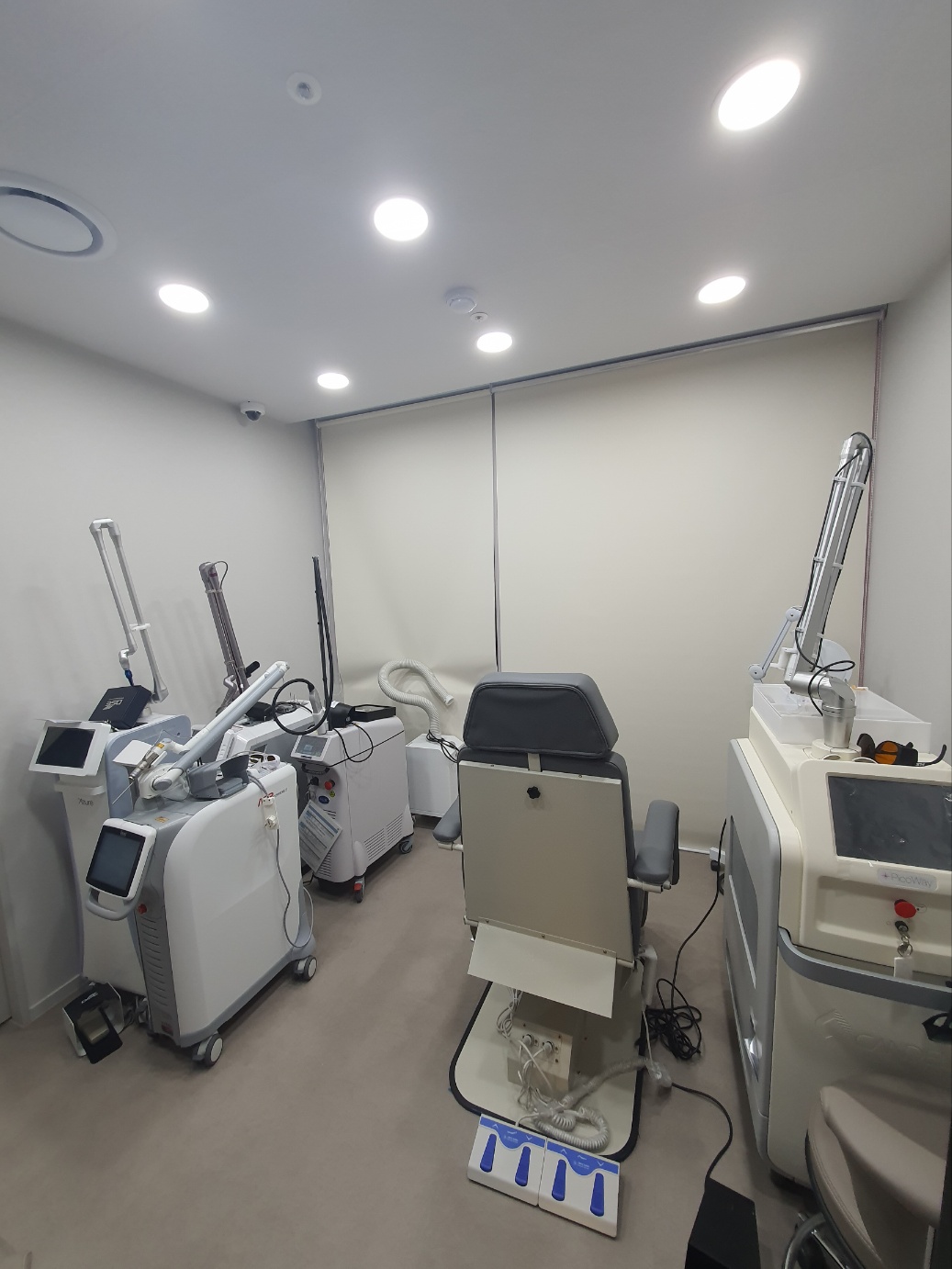
While many patients expect immediate and total smoothness, achieving desired outcomes requires a deeper understanding of biological growth cycles and the professional calibration of technology at LUNN. As a specialist, I prioritize the delicate balance between energy efficacy and skin safety, ensuring that every treatment plan is tailored to the unique anatomy of the individual rather than following a factory-style protocol.
Understanding the Science of Laser Hair Removal and Biological Growth Cycles
Laser hair removal works by delivering thermal energy to the hair follicle, which absorbs the light and undergoes a process of heat-induced damage to prevent regeneration. This scientific approach relies on the presence of pigment to act as a conductor, making the treatment highly specific to the individual’s hair color and skin type. At LUNN, we focus on the "details and harmony" of the skin, ensuring that the surrounding tissue remains unaffected while the follicle is precision-targeted. It is important to remember that laser treatment is a journey of gradual reduction, not a one-time event, requiring patience and clinical expertise to navigate safely.
The Role of the Anagen Phase in Permanent Reduction
Laser hair removal is fundamentally tied to the hair's biological growth cycle, which consists of the anagen, catagen, and telogen phases. The anagen phase is the active growth period where the hair shaft is firmly attached to the bulb and contains the highest concentration of melanin. Because the laser targets this pigment to deliver thermal energy and destroy the follicle's regenerative cells, the treatment is only truly effective during this specific stage. On any given day, approximately 15% to 20% of your body hair is in the anagen phase, which explains why a single session at LUNN cannot achieve complete results. When patients notice hair returning after three sessions, it is typically not the same hair regrowing, but rather different follicles entering the active phase for the first time. Consistent sessions ensure that each group of follicles is eventually treated during its most vulnerable state for optimal outcomes.
How Selective Photothermolysis Targets Active Follicles
The principle of selective photothermolysis allows dermatologists to target specific structures, like hair follicles, without damaging the surrounding skin tissue. By choosing a wavelength that is highly absorbed by melanin but poorly absorbed by water and oxyhemoglobin, the laser energy is concentrated precisely where it is needed. At LUNN, this precision is vital for minimizing the risk of burns or hyperpigmentation while maximizing the destruction of the follicle. The laser emits a pulse of light that lasts just long enough to heat the hair but short enough to prevent heat from spreading to the epidermis. This delicate balance is why professional settings are necessary for safety. If the energy is too low, the follicle may only be stunned rather than destroyed, leading to temporary thinning rather than permanent reduction. Success depends on reaching a critical thermal threshold that permanently alters the follicle's ability to produce new hair strands.
Why One Treatment Session Cannot Capture Every Hair
Human hair does not grow in a synchronized fashion, meaning that at any moment, the majority of your hair follicles are in a resting or transitional state rather than the active growth phase. Since the laser energy requires a direct connection to the active hair bulb to be effective, follicles in the catagen or telogen phases remain largely unaffected during a single appointment. This biological staggered growth necessitates a series of treatments spaced several weeks apart to catch each follicle as it cycles back into the anagen phase. Patients often perceive new growth as a failure of the procedure, but it is actually a sign that the body is continuing its natural cycle. Expecting total clearance after only three sessions overlooks the statistical reality that a significant portion of follicles has not yet been exposed to the laser while in an active state. Completing a full recommended course is essential for achieving long-term reduction.
Critical Factors for Persistent Hair After Three Sessions
Persistent hair growth after several sessions can be influenced by internal biological factors, such as hormonal shifts or the activation of dormant follicles that were previously inactive. Identifying these variables is part of the comprehensive diagnostic approach used to refine treatment plans for each individual. At LUNN, we believe that "Natural results are a sign of true skill," which means we look at the whole picture—hormones, genetics, and lifestyle—before determining why certain areas might be more resistant to treatment than others. This thoroughness prevents unnecessary frustration and helps align patient expectations with clinical reality.
Hormonal Influences and Hair Density Variations
Hormones play a significant role in determining the thickness, color, and growth rate of body hair, particularly in areas like the face, chest, and back. Conditions such as Polycystic Ovary Syndrome (PCOS) or natural fluctuations in androgens can stimulate the development of new hair follicles or cause existing fine vellus hair to transform into thick terminal hair. In these cases, the laser may successfully destroy existing active follicles, but the underlying hormonal environment continues to trigger new growth. This creates the illusion that the treatment is not working, when in reality, the body is producing entirely new hair. Patients with hormonal imbalances often require a higher number of sessions and more frequent maintenance to manage their results effectively. Understanding your medical history allows the team at LUNN to set realistic expectations and adjust the treatment frequency to better align with your body’s unique endocrine profile and hair density variations.
The Transition of Dormant Follicles to Active Growth
The human body contains millions of hair follicles, many of which remain dormant for years before being triggered into an active growth state by aging, stress, or physiological changes. Laser hair removal only addresses the follicles that are currently producing hair. As you progress through your treatment series, follicles that were previously inactive may suddenly begin their first growth cycle, leading to the appearance of fresh hair in the treated area. This is a common occurrence and does not indicate a lack of efficacy in the previous sessions. Instead, it reflects the dynamic nature of skin biology. Because these new hairs were not present during the initial treatments, they must be addressed in subsequent appointments. Maintaining a consistent schedule is the most effective way to ensure that as these dormant follicles transition into the anagen phase, they are immediately targeted by the laser to prevent them from becoming established terminal hairs.
Dermatologist Led Facial Design and Hair Distribution Analysis
A sophisticated approach to hair removal involves more than just firing a laser; it requires a detailed analysis of hair distribution and its impact on facial harmony. At LUNN, Dr. Park Hyung-kwon utilizes a structural perspective to evaluate how hair growth patterns affect the overall aesthetic of the face and neck. For instance, removing hair around the jawline or forehead must be done with precision to ensure natural contours are maintained. An expert dermatologist can identify whether persistent hair in certain zones is due to high follicle density or deeper-seated roots that require specific parameter adjustments. This level of Precision Facial Design: A Guide by Dr. Hyungkwon Park at LUNN ensures that the treatment not only reduces hair but also enhances the patient's features. By analyzing the unique growth angles and thicknesses of facial hair, a customized plan can be developed that maximizes the aesthetic refinement of the skin's texture and appearance.
The Art of Parameter Adjustment and Treatment Efficacy
The success of hair reduction is not determined solely by the machine used, but by the physician's ability to adjust parameters based on the patient's evolving skin condition. As hair becomes finer and lighter throughout the treatment course, the energy settings must be refined to maintain efficacy without compromising safety. At LUNN, we reject the "one-size-fits-all" approach, focusing instead on the subtle details of how each individual's skin reacts to thermal stimuli. This meticulous care is what distinguishes a specialized dermatological clinic from standardized medical spas.
Wavelength Selection and Energy Calibration for Diverse Skin Profiles
Different skin tones and hair textures require specific wavelengths to achieve optimal follicle destruction while sparing the epidermis. A specialist must evaluate the Fitzpatrick skin type and hair density to calibrate the fluence (energy levels) and pulse duration accurately. For patients with lighter skin and dark hair, higher absorption wavelengths can be highly effective, whereas patients with tan or olive skin require settings that bypass surface melanin to avoid complications. At LUNN, we prioritize this diagnostic step, manually checking the skin's response at every session. Using incorrect parameters can lead to either suboptimal results, where hair is only thinned, or increased risks of side effects. By fine-tuning the energy output, we ensure that the laser remains a powerful tool for reduction throughout the entire series of sessions, even as the target follicles become less pigmented and more difficult to treat.
Customized Skin Care Programs and Parameter Optimization
Every individual's skin reacts differently to thermal energy, necessitating a customized approach to laser parameters such as fluence, pulse duration, and spot size. Fluence refers to the amount of energy delivered per unit area, and it must be high enough to destroy the follicle but low enough to protect the skin. If the parameters are not optimized for the specific hair thickness, the treatment may result in hair thinning rather than permanent removal. At LUNN, we continuously monitor the skin’s response and adjust the settings at each session to account for the hair becoming finer and lighter over time. This proactive management is documented in our Importance of Custom Laser Parameters for Thick vs Thin Hair: A 2026 Specialist Guide. Proper optimization helps the laser maintain its efficacy even as the target changes, preventing the plateau in progress that many patients experience when using standardized protocols. Please note that individual results may vary depending on skin type and hair density.
Efficiency Comparison: Professional Medical Devices versus Home Devices
While home laser and IPL devices have gained popularity for their convenience, they operate at significantly lower energy levels than professional medical-grade equipment. These consumer devices are designed for safety in untrained hands, meaning they often only provide temporary hair suppression rather than true permanent reduction. Professional lasers used in a clinical setting can reach the high temperatures necessary to permanently disable the follicle's regenerative structures. Furthermore, home devices lack the sophisticated cooling mechanisms and adjustable parameters required to treat diverse skin types safely. A medical professional can accurately distinguish between different types of hair and skin, ensuring that the energy is delivered efficiently and safely. Relying on home devices often leads to frustration when hair continues to grow back normally, whereas clinical treatments at a specialized facility provide the power and precision needed for lasting results. The investment in professional care typically results in fewer overall sessions and higher patient satisfaction.
Enhancing Aesthetic Outcomes with Synergistic Treatments in Seoul
In the pursuit of total facial harmony, laser hair removal is often integrated with other aesthetic procedures to refine the skin’s appearance and contour. This holistic approach ensures that the absence of hair is complemented by smooth, tight, and well-proportioned features. At LUNN, we look beyond the surface, considering how the removal of hair reveals the structural integrity of the face, and offering synergistic treatments that enhance the overall profile.
Integrating Lifting and Contouring for Facial Harmony
Removing unwanted hair from the jawline and neck can reveal the underlying bone structure, but it may also highlight issues like skin laxity. To address this, many patients choose to combine their hair removal series with advanced lifting procedures such as Thermage or Ultherapy. These treatments use radiofrequency or ultrasound energy to stimulate collagen production and tighten the skin from within. The removal of dark hair shadows combined with the structural support of a non-invasive lift results in a significant improvement in facial clarity and definition. At our clinic, we coordinate these treatments to ensure that the skin is properly healed between sessions. This integrated strategy allows for a comprehensive transformation that addresses both surface texture and deep structural integrity, reflecting the sophisticated standards of modern dermatology in the Cheongdam area.
Non-Invasive Skin Tightening for Smooth Texture
Laser hair removal inherently involves the application of heat to the skin, which can sometimes have a mild, secondary effect on collagen stimulation. However, for patients seeking significant improvements in skin firmness, dedicated tightening technologies like ONDA are often recommended. ONDA utilizes Coolwaves to target the subcutaneous layers, improving both elasticity and volume. Combining these modalities can help minimize the appearance of enlarged pores that become more visible once the hair is removed. The result is a more polished and refined skin surface that feels as smooth as it looks. Each program is tailored to the individual's needs, ensuring that the tightening treatments do not interfere with the hair removal process. This synergy is particularly effective for the lower face and neck, where both hair density and skin elasticity are key concerns for maintaining a rejuvenated appearance.
Volume Optimization and ONDA Volume Reduction Strategies
A clear, hair-free neck area often draws more attention to the submental region, making a double chin or loss of volume more apparent. Utilizing advanced technology like ONDA can help restore balance to the lower face by reducing stubborn localized fat and improving skin tension simultaneously. When the neck is smooth and free of stubble, the contours of the chin become a focal point of facial harmony. These procedures complement the clean look provided by laser hair removal, ensuring that the patient achieves a cohesive and aesthetically pleasing result. By addressing volume and hair growth, we can create a streamlined silhouette that enhances the patient’s natural beauty. This comprehensive approach is a hallmark of the personalized care provided under the guidance of our Dr. Park Hyung-kwon: A Specialist's Guide to Facial Harmony at LUNN (2026), where every detail is considered.
Safety Protocols and Long-Term Maintenance Expectations
Maintaining the safety of the skin while pursuing permanent hair reduction requires strict adherence to clinical protocols and an understanding of the long-term nature of the treatment. Professional supervision is the most reliable way to navigate these requirements and ensure that your skin remains healthy throughout the process. At LUNN, we provide a structured follow-up plan to monitor your progress and make any necessary adjustments to your treatment schedule.
Managing Common Side Effects like Redness and Swelling
Following a laser hair removal session, it is common for patients to experience mild redness and follicular edema, which is a slight swelling around the treated follicles. These reactions are temporary and usually subside within a few hours to a couple of days. They are a sign that the follicle has successfully absorbed the thermal energy. To minimize discomfort, integrated cooling systems are used during the procedure, and soothing topicals may be applied afterward. It is crucial to avoid sun exposure and hot environments, like saunas, immediately after treatment to prevent further irritation or pigment changes. While serious complications are rare in a professional setting, individuals with sensitive skin should follow their post-care instructions diligently. At LUNN, we prioritize patient education to ensure that every individual understands how to care for their skin during the healing process. This commitment to safety reduces the risk of adverse events and ensures a comfortable journey toward smoother skin.
Recommended Intervals for Optimal Follicle Destruction
The timing between laser sessions is critical for success, as it must align with the natural hair growth cycles of different body areas. For facial hair, which grows more quickly, intervals of 4 to 6 weeks are typically recommended. Body hair, such as on the legs or back, grows more slowly and may require 8 to 12 weeks between appointments. If sessions are scheduled too closely together, the laser may target the same follicles before they have returned to the anagen phase, leading to wasted energy and unnecessary skin stress. Conversely, waiting too long can allow new hair to become too established. Following a consistent schedule at LUNN ensures that each session captures the maximum number of active follicles. This disciplined approach is the most efficient way to reduce the total number of treatments needed. Patients are encouraged to plan their appointments in advance to maintain this vital rhythm and ensure the best possible long-term outcome.
The Importance of Board-Certified Dermatologist Supervision
Laser hair removal involves the use of high-energy medical devices that carry inherent risks if used incorrectly. Having a board-certified dermatologist supervise the procedure ensures that the skin is properly evaluated for underlying conditions that might affect the treatment. A specialist can accurately identify different types of pigmentation, scars, or lesions that require caution. Furthermore, in the event of an unusual skin reaction, a dermatologist is uniquely qualified to provide immediate medical intervention. This level of oversight is particularly important for patients with complex medical histories or those prone to hyperpigmentation. At LUNN, every protocol is designed by an expert to prioritize the health and integrity of your skin. This professional environment provides a degree of safety and efficacy that cannot be matched by non-medical spas. Entrusting your care to a specialist ensures that your aesthetic goals are met with the highest standards of medical excellence and personalized attention.
Frequently Asked Questions
Q. Why do I still see hair growth after my third laser session?
Hair grows in distinct, staggered cycles. Laser treatment only effectively targets follicles that are currently in the active growth phase. After three sessions, follicles that were previously dormant or in a resting state may enter the growth phase, making it appear as if hair is returning when it is actually new growth from different follicles that have not yet been treated.
Q. How many sessions are typically required for significant results?
Most patients at LUNN require between 5 to 8 sessions to achieve a significant and noticeable reduction in hair growth. The exact number varies based on hair thickness, skin color, and the specific area being treated, as every individual responds differently to the laser energy. Consistent attendance is key to catching every follicle in its active state.
Q. Is laser hair removal truly permanent?
The FDA recognizes laser hair removal as permanent hair reduction rather than absolute total removal. While the majority of treated follicles are destroyed and will not produce hair again, some fine hairs may eventually grow back over several years due to hormonal changes. Occasional maintenance sessions once or twice a year can help manage these few remaining hairs.
Q. Can I get lifting or tightening treatments while undergoing laser hair removal?
Yes, treatments like Ultherapy, Thermage, or ONDA can be combined with laser hair removal to achieve overall facial harmony. However, we usually recommend a specific waiting period between sessions to ensure the skin has fully recovered. Our team will help you coordinate a schedule that maximizes results while prioritizing the health of your skin tissue.
Q. What are the potential side effects I should be aware of?
Common side effects include temporary redness, slight swelling around the follicles, or a sensation similar to a mild sunburn. These typically resolve within a few hours to two days. More rare risks include temporary pigment changes, which is why having the procedure performed under professional medical supervision at LUNN is vital for safety.
Q. Why is it important to visit a dermatologist-led clinic for this procedure?
Medical-grade lasers require precise calibration by someone who understands skin anatomy. A dermatologist-led clinic like LUNN ensures that settings are customized for your specific skin type and hair density, which maximizes safety and aims for optimized results. As with any medical procedure, outcomes depend on individual biological factors and adherence to the protocol.
Key Takeaways
- Hair grows in cycles, and only the active anagen phase is susceptible to laser energy, necessitating multiple sessions.
- Dormant follicles can transition into active growth between sessions, creating the illusion of regrowing hair.
- Hormonal factors and individual skin biology play a major role in the speed and success of hair reduction.
- Professional medical-grade lasers at LUNN offer high-output power and clinical-grade safety compared to home-use devices. While these systems are highly effective, temporary side effects like redness or swelling may occur.
- Consistency in appointment intervals and specialist supervision are essential for achieving and maintaining smooth skin.
LUNN / Dr. Park Hyung-kwon
FAQ
- Why do I still see hair growth after my third laser session?
- Hair grows in distinct, staggered cycles. Laser treatment only effectively targets follicles that are currently in the active growth phase. After three sessions, follicles that were previously dormant or in a resting state may enter the growth phase, making it appear as if hair is returning when it is actually new growth from different follicles that have not yet been treated.
- How many sessions are typically required for significant results?
- Most patients at lunnclinic require between 5 to 8 sessions to achieve a significant and noticeable reduction in hair growth. The exact number varies based on hair thickness, skin color, and the specific area being treated, as every individual responds differently to the laser energy. Consistent attendance is key to catching every follicle in its active state.
- Is laser hair removal truly permanent?
- The FDA recognizes laser hair removal as permanent hair reduction rather than absolute total removal. While the majority of treated follicles are destroyed and will not produce hair again, some fine hairs may eventually grow back over several years due to hormonal changes. Occasional maintenance sessions once or twice a year can help manage these few remaining hairs.
- Can hormonal imbalances like PCOS affect my treatment progress?
- Yes, hormonal fluctuations can significantly stimulate the development of new hair follicles. If you have an underlying condition like PCOS, your body may continue to trigger new growth even after existing follicles are destroyed. Patients with these conditions often require more sessions than typical and may need ongoing maintenance to keep hair growth under control.
- What are the potential side effects I should be aware of?
- Common side effects include temporary redness, slight swelling around the follicles, or a sensation similar to a mild sunburn. These typically resolve within a few hours to two days. More rare risks include temporary pigment changes or blistering, which is why having the procedure performed under professional medical supervision is vital for safety.
- Can I get a thread lift or fillers while undergoing laser hair removal?
- Yes, these treatments can be combined to achieve overall facial harmony and refinement. However, we usually recommend a specific waiting period between laser sessions and injectable or lifting treatments to ensure the skin has fully recovered. Our team will help you coordinate a schedule that maximizes results while prioritizing the health of your skin tissue.
- Why is it important to visit a dermatologist led clinic for this procedure?
- Medical grade lasers require precise calibration by someone who understands skin anatomy. A dermatologist led clinic like lunnclinic ensures that settings are customized for your specific skin type and hair density, which maximizes safety and ensures the most effective results for your unique profile. Professional oversight minimizes risks and provides expert care for complex skin concerns.