
Post
Importance of Custom Laser Parameters for Thick vs Thin Hair: A 2026 Specialist Guide
Understanding the importance of custom laser parameters for thick vs thin hair is essential for achieving effective results while maintaining skin safety. As a dermatologist, I focus on the precise calibration of energy and time to target specific hair follicles without harming the surrounding tissue. This personalized approach ensures that patients receive a treatment plan tailored to their unique biological profile.
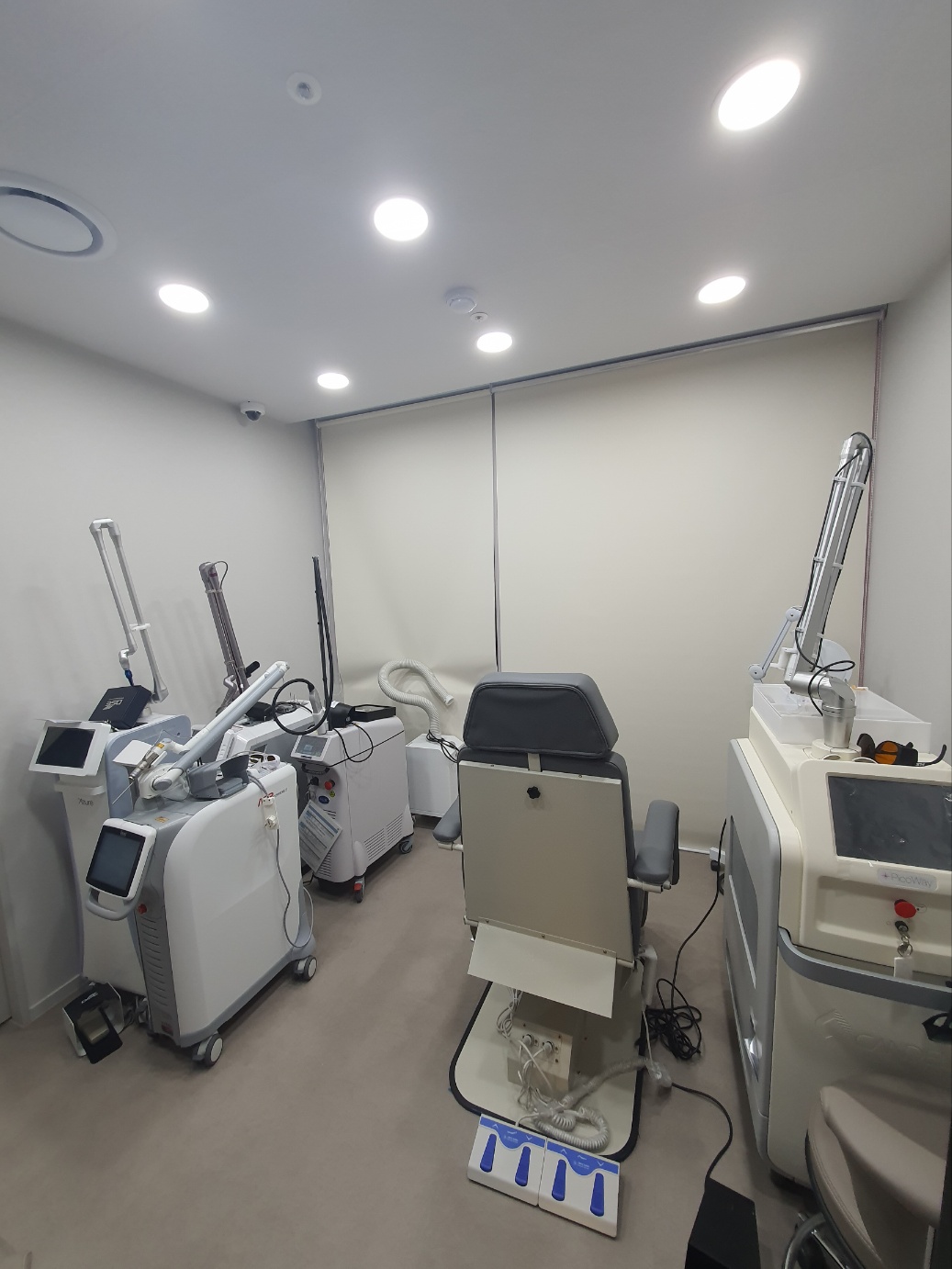
Hello, I am Dr. Park Hyung-kwon, a dermatologist at LUNN. In this guide, I will explain why a 'one-size-fits-all' method fails in hair removal and how structural analysis leads to better aesthetic outcomes.
Understanding the Fundamentals of Custom Laser Parameters
Custom laser parameters represent the deliberate adjustment of wavelength, energy density, and pulse width to match the specific chromophore concentration and depth of a patient's hair follicle. By modifying these variables, we can control how heat is delivered to the target, ensuring that the follicle is destroyed while the epidermis remains protected. This scientific precision is what differentiates a standard procedure from a specialized dermatological treatment designed for long-term skin health and harmony.
The Science of Melanin Absorption in Hair Removal
Melanin serves as the primary target chromophore in laser hair removal, absorbing light energy and converting it into heat to disable the follicle. The concentration of melanin varies significantly between dark, coarse hair and lighter, fine hair, which dictates how the laser energy must be delivered. For instance, thick terminal hair contains a high density of eumelanin, which absorbs energy very efficiently. If the energy is too high, it can lead to surface overheating. Conversely, thin vellus hair has much less pigment, necessitating higher energy densities or specific wavelengths, such as the 755nm Alexandrite laser, to ensure enough heat is generated. The precision provided by LUNN involves analyzing these pigment levels to select the optimal wavelength that penetrates to the correct depth. Without this specific adjustment, the laser might either fail to destroy the follicle or cause unnecessary thermal stress to the skin, leading to suboptimal outcomes or complications.
Defining Fluence and Pulse Duration for Specific Follicles
Fluence, measured in Joules per square centimeter, and pulse duration, measured in milliseconds, are the two most critical levers in customizing a laser treatment. Fluence determines the total energy delivered to the follicle, while pulse duration controls the speed at which that energy is released. In a clinical setting, thick hair follicles require a longer pulse duration because they have a larger volume and take longer to heat up and cool down. If the pulse is too short, the energy might cause an explosive reaction that damages the skin surface. On the other hand, thin hair follicles require very short pulse durations to trap the heat within their small structures before it leaks into the surrounding dermis. By balancing these two factors, I can ensure that each session is both safe and effective. At LUNN, we utilize advanced systems to calibrate these settings for every individual, recognizing that even on a single person, hair texture changes across different body regions.
Scientific Differences in Treating Thick vs Thin Hair
Treating different hair textures requires a deep understanding of the biological and thermal properties unique to each hair type. Thick hair and thin hair react differently to light energy due to their diameter, depth, and melanin content, necessitating distinct clinical strategies. A dermatologist must assess these differences to prevent adverse reactions such as paradoxical hair growth or superficial burns, ensuring the treatment remains within the therapeutic window for all skin types and textures.
Challenges and Laser Strategies for Coarse Terminal Hair
Coarse terminal hair, typically found on the legs, underarms, or chin, presents a significant challenge due to its high melanin content and deep root system. Because these hairs absorb energy so readily, there is a risk of thermal damage to the epidermis if the laser parameters are not carefully managed. The strategy for these follicles usually involves using a longer wavelength, such as 1064nm Nd:YAG, which penetrates deeper and is less absorbed by surface melanin, combined with longer pulse durations. This allows for a gradual heating of the large follicle, ensuring its destruction without causing a sudden temperature spike on the skin's surface. In my experience, patients with thick hair often see results early on, but they must be monitored for temporary redness or folliculitis. Using large spot sizes also helps in reaching the deeper follicles of coarse hair, providing a more uniform energy distribution that enhances the overall safety of the procedure.
The Complexity of Targeting Fine Vellus Hair Structures
Fine vellus hair, often found on the face or upper arms, is notoriously difficult to treat because it lacks the pigment density found in terminal hair. To successfully disable these follicles, the laser must deliver a very high amount of energy in a very short period, often using pulse durations as low as 3ms to 5ms. If the energy is too low, it may only injure the hair rather than destroy the follicle, which can sometimes stimulate dormant follicles to grow—a phenomenon known as paradoxical hypertrichosis. Achieving the destructive threshold for fine hair without burning the skin requires the expertise of a specialist who can adjust cooling systems and energy levels in real-time. We often employ specialized cooling technologies to protect the skin while the laser delivers the necessary high-intensity bursts to the tiny follicles. This level of detail is necessary to refine skin texture and achieve a smooth, harmonious appearance for patients seeking a more polished facial profile.
Managing Thermal Relaxation Times Across Different Hair Diameters
Thermal Relaxation Time (TRT) is the time required for a target to lose 50% of its heat to the surrounding environment. A thick hair with a larger diameter has a much longer TRT than a fine hair, meaning it retains heat longer. If a second laser pulse is delivered before the hair has cooled down, the cumulative heat can lead to skin damage. Understanding this principle is vital for determining the interval between pulses and the speed of the laser handpiece. For thick hair, we allow more time for heat dissipation, whereas for thin hair, we must act quickly to ensure the heat stays concentrated in the follicle. Managing these micro-seconds of thermal activity is a cornerstone of the advanced care provided at our clinic. By respecting the TRT of various hair diameters, I can minimize the risk of scarring or pigment changes while maximizing the follicular destruction rate for every patient.
Comparison Table: Laser Setting Adjustments by Hair Texture
The following table outlines the general adjustments made to laser parameters based on hair texture to ensure safety and efficacy. Please note that these are clinical generalizations and individual settings are always determined after a direct consultation.
| Hair Feature | Thick (Terminal) Hair | Thin (Vellus) Hair | Clinical Consideration |
|---|---|---|---|
| Melanin Content | High (High Absorption) | Low (Low Absorption) | Impacts Energy Threshold |
| Pulse Duration | Longer (30ms - 100ms) | Shorter (3ms - 20ms) | Based on Thermal Relaxation Time |
| Energy Density | Moderate to High | High (to reach threshold) | Individual sensitivity varies |
| Wavelength | 810nm / 1064nm | 755nm / 810nm | Depth of penetration needs |
| Risk Factor | Surface Burns | Ineffectiveness / Regrowth | Safety monitoring is essential |
Optimal Wavelengths and Energy Densities for Safety
Selecting the correct wavelength is a fundamental step in ensuring that laser energy reaches the hair follicle without being entirely absorbed by the skin's surface. For individuals with darker skin tones and thick hair, a 1064nm wavelength is often preferred because it bypasses the surface melanin, reducing the risk of hyperpigmentation. Conversely, for lighter skin with fine hair, a 755nm wavelength is highly effective due to its high affinity for melanin, allowing us to target even minimal pigment. Energy density, or fluence, must be carefully titrated to the patient’s comfort and skin reaction. Starting at a lower fluence and gradually increasing it based on the hair’s response is a safer approach than using high energy from the start. At LUNN, we prioritize this balanced approach, ensuring that our patients achieve their aesthetic goals without compromising the integrity of their skin barrier or causing unnecessary discomfort during the session.
Risk Mitigation for Sensitive or High-Density Areas
Areas with high follicle density or sensitive skin, such as the upper lip or bikini line, require an even more cautious approach. In these regions, the proximity of many follicles means that the cumulative heat load can be significantly higher, increasing the risk of swelling or blistering. To mitigate these risks, I often utilize 'multiple pass' techniques with lower energy or enhanced cooling intervals to manage the skin's temperature effectively. It is also important to consider the patient's recent sun exposure and skin condition, as these factors can temporarily increase sensitivity. Providing thorough post-treatment care instructions, including the use of soothing agents and sun protection, is an integral part of our safety protocol. While laser treatments are generally safe, individual results may vary, and some patients may experience temporary redness or minor swelling. A structured recovery plan helps manage these expected side effects, ensuring that the journey toward smoother skin is as comfortable and predictable as possible.
The Value of a Dermatologist-Led Facial Design at LUNN
A dermatologist-led approach ensures that hair removal is not viewed as an isolated task but as a component of a larger facial design strategy. By understanding the underlying anatomy and skin physiology, a specialist can integrate various treatments to enhance the patient's natural features and overall facial harmony. This comprehensive view allows for a more sophisticated aesthetic outcome that considers skin health, texture, and aging over time.
Integrating Hair Removal into a Customized Skin Care Program
At LUNN, hair removal is often integrated into a broader, customized skin care program that addresses the patient's unique concerns. By coordinating treatments, we can ensure that laser hair removal does not interfere with other rejuvenation procedures, such as skin boosters or lifting treatments. For example, preparing the skin barrier before laser lifting can significantly improve the skin's resilience. This holistic strategy allows us to address multiple layers of the skin, from the superficial hair follicles to the deeper dermal structures. By sequencing treatments correctly, we maximize the benefits of each procedure while minimizing downtime. This level of planning is what defines the high standard of care we provide, ensuring that every patient leaves with a rejuvenated and balanced appearance that aligns with their personal aesthetic goals.
Achieving Aesthetic Harmony in the Apgujeong Rodeo District
The Apgujeong Rodeo district is known for its focus on refined beauty, where subtle changes lead to significant improvements in facial harmony. Hair removal in this context is about more than just utility; it is about refining the 'design' of the face to highlight its best features. Whether it is shaping the hairline or clearing the complexion of fine vellus hair to improve light reflection, every adjustment is made with an eye for detail. In our clinic, we focus on the '1mm difference'—the small refinements that create a natural and rested look without the appearance of being 'overdone.' The sophisticated environment at LUNN reflects this commitment to excellence, providing a space where patients can feel confident that their facial design is being managed by a specialist who values precision and long-term aesthetic integrity.
Addressing Potential Side Effects and Individual Recovery Variations
While laser hair removal is a common procedure, it is important to acknowledge that every patient's skin responds differently, and individual recovery variations are normal. Some may experience mild erythema or perifollicular edema, which typically subsides within a few hours to a couple of days. More rare side effects, such as temporary pigment changes, can occur if parameters are not perfectly aligned with the skin’s current state. This is why a thorough consultation at LUNN is vital before beginning any treatment series. We take the time to assess your skin's history and current health to minimize these risks. By maintaining an open dialogue about potential risks and setting realistic expectations, we ensure a safe and satisfying experience for everyone seeking professional dermatological care in Seoul.
Frequently Asked Questions
Q. Why can't the same laser settings be used for everyone?
Laser settings must be customized because every individual has a unique combination of skin tone, hair thickness, and melanin levels. Using a standard setting can lead to either ineffective results or skin irritation if the energy is not appropriately matched to the specific hair type and skin sensitivity.
Q. Is it harder to remove thin hair than thick hair?
Thin hair is generally more challenging because it contains less melanin, the pigment the laser targets. It requires more precise, high-energy settings and often more sessions to achieve desired outcomes. Specialized wavelengths and shorter pulse durations are typically necessary to effectively treat fine vellus hair.
Q. What are the risks of using incorrect parameters for thick hair?
If the laser parameters are too aggressive for thick hair, the high melanin content can absorb too much heat too quickly, potentially leading to surface burns or pigment changes. Conversely, if settings are too weak, the treatment will not disable the follicle, leading to poor results and the need for more sessions.
Q. How many sessions are usually required for effective results?
Most patients require between 5 to 10 sessions, though this varies based on the area treated and the hair's growth cycle (usually 4 to 8 weeks apart). While thick hair may show visible results faster, thin hair often requires a longer course due to its lower pigment levels.
Q. Can laser hair removal cause more hair to grow?
In rare cases, particularly with thin facial hair, improper laser settings can stimulate dormant follicles—a condition known as paradoxical hypertrichosis. This is why it is crucial to have the treatment performed by a specialist who understands how to calibrate energy levels correctly to destroy the follicle rather than just stimulating it.
Q. Does hair texture change after several laser sessions?
Yes, it is common for hair to become thinner and lighter after several treatments. As the follicles are damaged, they produce finer hair, which may eventually require the dermatologist to adjust the laser parameters to a shorter pulse duration to continue seeing progress.
Q. What should I do if I experience redness after the treatment?
Mild redness and swelling are common signs that the follicle has absorbed the energy. You should apply a soothing gel, avoid direct sun exposure, and refrain from hot baths or strenuous exercise for 24 to 48 hours. If the redness persists or if you notice any irritation, you should contact your clinic for guidance.
Key Takeaways
- Precision Matters: Custom laser parameters are essential to balance energy delivery between effective hair destruction and skin protection.
- Hair Texture Differences: Thick hair requires longer pulse durations due to its volume, while thin hair needs short, high-energy bursts to reach the destructive threshold.
- Thermal Management: Understanding Thermal Relaxation Time (TRT) prevents cumulative heat damage and ensures each pulse is delivered safely.
- Dermatologist Oversight: A specialist-led approach at LUNN integrates hair removal into a comprehensive facial design for harmonious, natural results.
- Safety First: Recognizing that individual results vary and side effects like redness are possible helps in creating a realistic treatment plan.
For personalized advice on your skin and hair concerns, please visit LUNN for a detailed consultation.
LUNN / Dr. Park Hyung-kwon
FAQ
- Why can't the same laser settings be used for everyone?
- Laser settings must be customized because every individual has a unique combination of skin tone, hair thickness, and melanin levels. Using a standard setting can lead to either ineffective results if the energy is too low or skin burns if the energy is too high for the specific hair type. A professional assessment ensures the parameters match your biological needs for safety.
- Is it harder to remove thin hair than thick hair?
- Thin hair is generally more challenging to remove because it contains less melanin, the pigment that the laser targets to destroy the follicle. It requires more precise, high-energy settings and often more sessions to achieve the desired result. Specialized wavelengths and shorter pulse durations are typically necessary to effectively treat fine vellus hair.
- What are the risks of using incorrect parameters for thick hair?
- If the laser parameters are too aggressive for thick, dark hair, the high melanin content can absorb too much heat too quickly. This can lead to surface burns, blistering, or post-inflammatory hyperpigmentation. Conversely, if settings are too weak, the treatment will not disable the follicle, leading to poor results and wasted sessions.
- How many sessions are usually required for permanent reduction?
- Most patients require between 5 to 10 sessions, though this varies based on the area being treated and the hair's growth cycle. Thick hair may show results faster in terms of visibility, but thin hair often requires a longer course of treatment due to its lower pigment levels. Your dermatologist will provide a personalized schedule during your consultation.
- Can laser hair removal cause more hair to grow?
- In rare cases, particularly with thin facial hair, improper laser settings can stimulate dormant follicles to grow—a condition known as paradoxical hypertrichosis. This is why it is crucial to have the treatment performed by a specialist who understands how to calibrate energy levels correctly to destroy the follicle rather than just stimulating it.
- Does hair texture change after several laser sessions?
- Yes, it is common for hair to become thinner and lighter in color after several treatments. As the follicles are damaged, they produce finer hair, which may eventually require the dermatologist to adjust the laser parameters to a shorter pulse duration or a different wavelength to continue seeing progress in the later stages of the program.
- What should I do if I experience redness after the treatment?
- Mild redness and swelling are normal signs that the follicle has absorbed the energy. You should apply a soothing gel, avoid direct sun exposure, and refrain from hot baths or strenuous exercise for 24 to 48 hours. If the redness persists or if you notice any blistering, you should contact your clinic immediately for further guidance.