
Post
A Specialist's 2026 Guide to Non-Invasive Jawline Lifting: Achieving Structural Harmony
Hello, I am Dr. Park Hyungkwon, a board-certified dermatologist at LUNN.
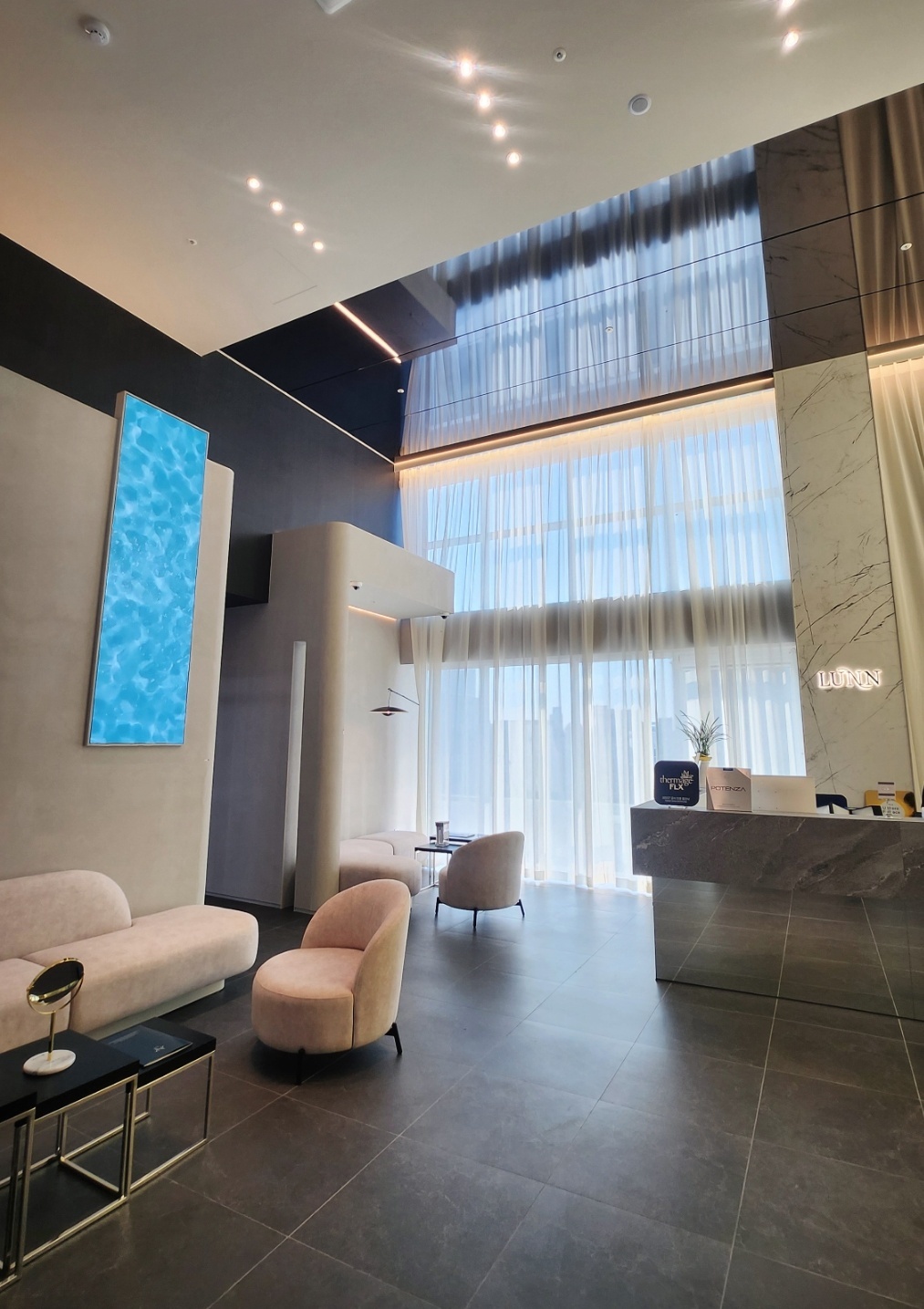
Non-invasive jawline lifting is a non-surgical aesthetic procedure designed to enhance the definition of the lower face by targeting the dermis and the SMAS layer through advanced energy delivery systems. This guide aims to provide scientific clarity on how you can achieve a refined profile while maintaining the natural balance of your facial features.
What is Non-Invasive Jawline Lifting and How Does It Work?
Non-invasive jawline lifting is a category of medical treatments that utilize energy-based devices to tighten sagging skin and underlying tissues without the need for incisions. By delivering controlled energy to specific depths, these procedures stimulate biological regeneration to restore the firm contours of the mandibular line.
The Science of Skin Elasticity and Jawline Definition
Skin elasticity is the biological capacity of the cutaneous tissue to return to its original state after stretching or contraction. This mechanism is primarily governed by the extracellular matrix, where Type I and Type III collagen fibers provide structural support while elastin fibers offer flexibility. Beginning at approximately age 20, the body experiences a natural decline in collagen production, typically estimated at a rate of 1 percent per year. By the time individuals reach their 40s, the cumulative loss can result in visible sagging and a blurring of the mandibular border. Structural harmony at LUNN involves understanding how these dermal components interact with the subcutaneous fat and the Superficial Muscular Aponeurotic System, known as the SMAS layer. When skin loses its scaffolding, gravitational forces pull the tissue downward, creating jowls. Recognizing these underlying biological shifts is the first step toward effective non-invasive intervention for a refined jawline.
Understanding Non-Surgical Techniques: High-Intensity Focused Ultrasound vs. Radiofrequency
Non-surgical lifting techniques are generally divided into two main categories: High-Intensity Focused Ultrasound, known as HIFU, and Radiofrequency, or RF. HIFU technology works by concentrating thermal energy at specific focal points deep within the tissue, reaching temperatures between 65 and 70 degrees Celsius. This heat creates thermal coagulation zones in the SMAS layer at a depth of 4.5mm, which is the same layer targeted in surgical face lifts. Conversely, Radiofrequency treatments deliver bulk heating to the dermis at depths of 2.0mm to 3.0mm, stimulating the immediate contraction of existing collagen fibers and triggering long-term remodeling. While HIFU is often preferred for deep structural lifting, RF is frequently utilized for skin surface tightening and texture improvement. Both methods rely on the body's natural healing response to generate new collagen over a period of 90 to 180 days, aiming for changes that appear gradual and natural.
Who is the Ideal Candidate for Non-Invasive Procedures?
The ideal candidate for non-invasive jawline lifting is an individual experiencing mild to moderate skin laxity who seeks improvement without the downtime associated with surgery. Typically, patients in their 30s to early 50s see the most significant benefits, as their skin still possesses sufficient regenerative capacity to respond to thermal stimulation. Those with a heavy lower face due to localized fat deposits or individuals with a receding chin may require a combined approach to achieve optimal results. It is important to note that these procedures do not replace a surgical facelift for severe sagging. However, for those looking to maintain their current contours or address early signs of aging, these treatments offer a preventative and restorative solution. During a consultation, we assess the thickness of the dermis and the degree of subcutaneous fat to determine which technology will best serve the patient's unique facial structure and aesthetic goals.
Comparison of Popular Non-Invasive Lifting Technologies
Comparing popular non-invasive lifting technologies involves analyzing the specific energy delivery methods, target depths, and thermal profiles to select the most appropriate intervention for a patient's structural needs. Each device offers distinct advantages depending on whether the primary concern is deep tissue laxity, surface wrinkles, or localized fat.
Ultherapy vs. Thermage: Deep Lifting versus Surface Tightening
Ultherapy and Thermage represent widely recognized technologies in non-invasive lifting, yet they function through fundamentally different mechanisms. Ultherapy utilizes micro-focused ultrasound to reach the 4.5mm SMAS layer, providing a vertical lift that counteracts gravity. This precision is enhanced by real-time ultrasound imaging, allowing the practitioner to see the tissue layers being treated. In contrast, Thermage employs monopolar radiofrequency to heat the dermis, focusing on the 2.0mm to 3.0mm range. This bulk heating is highly effective for tightening the 'envelope' of the skin and smoothing fine lines. Many patients benefit from a combination of both, often referred to as a synergy treatment, to address both deep structural sagging and superficial skin thinning. While Ultherapy provides the foundation, Thermage provides the polish. Clinical observations suggest that results typically peak at the 6-month mark as the new collagen matrix matures. You can read more in our A Specialist's 2026 Guide to Ultherapy and Thermage Treatment: Achieving Facial Harmony at LUNN.
ONDA Lifting and LinearZ: Precision and Comfort in Jawline Contouring
Modern advancements have introduced technologies like ONDA and LinearZ, which focus on patient comfort and targeted contouring. ONDA utilizes Coolwaves, which are high-frequency microwaves that bypass the top layers of the skin to target subcutaneous fat and connective tissue. This is particularly useful for patients with double chins or heavy jowls, as it can simultaneously reduce fat and tighten the skin. LinearZ is an evolution of HIFU technology that delivers energy in a linear fashion rather than single dots. This linear delivery reduces treatment time by approximately 50 percent and minimizes the sensation of heat, making it a preferred choice for patients with lower pain thresholds. These devices allow for a more nuanced approach to jawline definition, where the goal is not just to lift but to sculpt the lower third of the face. By adjusting the frequency and depth, these tools help in achieving a sharp, defined mandibular angle that complements the overall facial harmony.
| Technology | Energy Type | Target Depth | Primary Benefit |
|---|---|---|---|
| Ultherapy | Micro-Focused Ultrasound | 1.5mm, 3.0mm, 4.5mm | Deep structural SMAS lifting |
| Thermage | Monopolar Radiofrequency | 2.0mm to 3.0mm | Skin tightening and texture |
| ONDA | Microwaves (Coolwaves) | Shallow & Deep | Fat reduction and tightening |
| LinearZ | Linear HIFU | Adjustable | Rapid contouring and comfort |
The LUNN Approach: Designing Harmony Beyond Simple Lifting
The LUNN approach centers on the 1mm philosophy, where we emphasize meticulous structural analysis over simple volume reduction to ensure natural facial proportions. We believe that true beauty lies in the subtle details and the preservation of each individual's unique character through precision and balance.
The 1mm Philosophy: Why Structural Analysis Matters for Jawline Contouring
At LUNN, we believe that a difference of just 1mm can fundamentally alter the perception of facial harmony. Jawline contouring is not merely about pulling skin upward, it is about understanding the three-dimensional relationship between the bone, muscle, fat, and skin. Before any procedure, we conduct a comprehensive structural analysis to identify where the shadows fall and where the highlights should be. This precision helps minimize the risk of the 'over-pulled' look that often occurs when lifting is applied uniformly without regard for individual anatomy. By focusing on the specific vectors of aging, we can restore the natural V-line that defines a youthful appearance. This philosophy ensures that every treatment is tailored to the patient's skeletal structure, providing a result that looks authentic rather than artificial. Refining these details is a core part of our mission at A Specialist's 2026 Guide to Luxury Dermatology Clinic Cheongdam: Refining the Details.
Customized Protocols: Combining Energy Devices with PN and PDLLA Stimulators
Striving for the most favorable outcomes often requires a multi-layered strategy that goes beyond energy-based devices. At LUNN, we frequently combine lifting technologies with biostimulators like Polynucleotides, known as PN, and Poly-D,L-Lactic Acid, or PDLLA. These injectables work within the dermis to enhance the biological environment, providing the necessary building blocks for the collagen synthesis triggered by lasers or ultrasound. While the energy devices provide the stimulus, these biostimulators provide the nutrients, with the goal of ensuring the jawline is not only lifted but also appears revitalized. This customized protocol is especially effective for patients with thinner skin who might not achieve full results from heat-based treatments alone. By layering these modalities, we can address volume loss and skin laxity simultaneously, ensuring that the jawline is not only lifted but also appears revitalized. This holistic approach is further explored in our guide on A Specialist's 2026 Guide to Non-Surgical Facial Contouring Filler: Achieving Structural Harmony at LUNN.
Patient Case Insights: Managing Expectations and Achieving Natural Results
Patient cases at LUNN show that while non-invasive lifting is highly effective, individual responses vary based on age, lifestyle, and skin quality. Generally, for patients in their 40s, combining ONDA and HIFU can help improve lower face elasticity and reduce jowl volume, though some individuals may require multiple sessions of RF depending on their specific skin condition. It is essential to understand that these treatments work through biological remodeling, which means results appear over 3 to 6 months rather than instantly. We focus on managing these expectations by providing a realistic timeline for recovery and improvement. Patients are advised that maintenance treatments every 6 to 12 months are often necessary to sustain the results as the natural aging process continues. By being transparent about the capabilities and limitations of each technology, we build a foundation of trust that leads to higher patient satisfaction and more predictable aesthetic outcomes.
Safety Protocols and Post-Treatment Care for Long-Lasting Results
Safety protocols for jawline lifting involve a rigorous pre-treatment assessment and standardized post-treatment management to minimize potential risks such as erythema, swelling, or temporary sensitivity. Ensuring patient safety is our highest priority, and we adhere to strict clinical guidelines to deliver the safest possible experience for every individual.
Potential Side Effects: Understanding Redness, Swelling, and Temporary Sensitivity
While non-invasive jawline lifting is generally well-tolerated, it is important to acknowledge that the skin may react to the thermal energy delivered during the procedure. Common side effects include temporary redness, often called erythema, and mild swelling in the treated area, which typically resolve within 2 to 3 days. Some patients may experience a slight tingling sensation or tenderness along the jawline for up to two weeks as the internal tissues begin the healing process. In rare cases, minor bruising or temporary numbness can occur, particularly when targeting the deeper SMAS layer. These effects are standard biological responses to controlled thermal injury and are usually a sign that the collagen regeneration process has been initiated. We provide every patient with a detailed overview of these possibilities before the treatment begins to ensure they are fully informed and comfortable with the procedure.
Post-Procedure Guidelines: Maximizing Collagen Regeneration at Home
Maximizing the results of a jawline lift requires proper care in the days following the procedure to support the body's regenerative efforts. We recommend that patients avoid extreme temperatures, such as saunas or ice baths, for at least one week to allow the internal heat to work effectively. Hydration is critical, as well-hydrated skin provides a better environment for collagen synthesis. Using a high-quality sunscreen with an SPF of 30 or higher is mandatory to protect the treated area from UV damage, which can degrade new collagen fibers. Additionally, using gentle skincare products that focus on barrier repair can help soothe any temporary sensitivity. By following these guidelines, patients can enhance the longevity of their results, which typically last between 6 and 12 months depending on individual lifestyle factors and the specific technology used during the session.
When to Seek Professional Consultation: Recognizing Individual Skin Responses
Recognizing when to seek professional consultation is vital for any patient considering aesthetic improvements. At LUNN, we emphasize that every face is unique, and what works for one person may not be suitable for another. A professional consultation allows for a detailed skin analysis, including assessments of skin thickness, elasticity, and underlying fat distribution. If you notice persistent swelling that lasts more than a week or if you experience unusual discomfort, it is important to contact your dermatologist immediately. We offer follow-up appointments to monitor the progress of the lifting effect and to adjust the treatment plan if necessary. Our goal is to ensure that your journey toward structural harmony is safe, effective, and tailored to your specific needs. Engaging with a specialist ensures that you receive medical-grade care that prioritizes both your health and your aesthetic aspirations.
Frequently Asked Questions
Q. What is non-invasive jawline lifting?
Non-invasive jawline lifting refers to medical procedures that tighten and contour the lower face without incisions or surgery. These treatments typically use ultrasound or radiofrequency energy to stimulate collagen production and reposition sagging tissues. At LUNN, we focus on deep tissue remodeling to create a natural and defined profile.
Q. Is the procedure painful?
While individual sensitivity varies, modern devices like ONDA or LinearZ are designed for comfort. Most patients experience a warming sensation or mild tingling rather than significant pain. Topical numbing cream is often applied to ensure a comfortable experience during the session.
Q. How long do the results of a non-surgical lift last?
Results typically become visible over 3 to 6 months as new collagen forms. Depending on the specific device used and individual skin quality, the lifting effect can last between 6 to 12 months. Periodic maintenance treatments are recommended to sustain the results over the long term.
Q. Are there any side effects I should be aware of?
Common side effects include temporary redness, mild swelling, or slight tenderness in the treated area. These generally resolve within a few days after the procedure. In rare cases, temporary bruising or numbness may occur, so it is essential to consult with a specialist if symptoms persist.
Q. Can I return to work immediately after the treatment?
Yes, one of the primary benefits of non-invasive jawline lifting is the lack of significant downtime. Most patients return to their daily activities immediately. Any minor redness can usually be covered with light makeup if necessary.
Q. How many sessions are typically required?
For some patients, a single high-intensity session provides noticeable results. However, depending on the degree of skin laxity and the technology used, a series of 2 to 3 sessions spaced several weeks apart may be recommended for optimal contouring. We customize this plan during your initial consultation.
Q. What is the difference between lifting and contouring?
Lifting focuses on pulling sagging skin and underlying fascia upward to counteract gravity. Contouring focuses on refining the shape of the jawline by addressing localized fat or muscle tension. At LUNN, we often combine both approaches for a harmonious profile.
Key Takeaways
- Structural Focus: Non-invasive lifting targets the SMAS and dermal layers to restore jawline definition without surgery.
- Technology Choice: Devices like Ultherapy and Thermage offer different target depths, with HIFU focusing on deep lifting and RF on surface tightening.
- LUNN Philosophy: The 1mm philosophy at LUNN ensures that every treatment is customized to the patient's unique anatomy for a natural result.
- Safety First: Mild redness and swelling are normal, but adherence to post-care guidelines is essential for maximizing collagen regeneration.
- Gradual Improvement: Results develop over 3 to 6 months, requiring patience as the body's natural healing process creates new structural support.
For further information or to schedule a consultation, please visit LUNN.
LUNN / Dr. Park Hyungkwon
FAQ
- What is non-invasive jawline lifting?
- Non-invasive jawline lifting refers to medical procedures that tighten and contour the lower face without incisions or surgery. These treatments typically use ultrasound or radiofrequency energy to stimulate collagen production and reposition sagging tissues. At lunnclinic, we focus on deep tissue remodeling to create a natural and defined profile.
- Is the procedure painful?
- While individual sensitivity varies, modern devices like ONDA or LinearZ are designed for comfort. Most patients experience a warming sensation or mild tingling rather than significant pain. Topical numbing cream is often applied to ensure a comfortable experience during the session.
- How long do the results of a non-surgical lift last?
- Results typically become visible over 3 to 6 months as new collagen forms. Depending on the specific device used and individual skin quality, the lifting effect can last between 6 to 12 months. Periodic maintenance treatments are recommended to sustain the results over the long term.
- Are there any side effects I should be aware of?
- Common side effects include temporary redness, mild swelling, or slight tenderness in the treated area. These generally resolve within a few days after the procedure. In rare cases, temporary bruising or numbness may occur, so it is essential to consult with a specialist if symptoms persist.
- Can I return to work immediately after the treatment?
- Yes, one of the primary benefits of non-invasive jawline lifting is the lack of significant downtime. Most patients return to their daily activities immediately. Any minor redness can usually be covered with light makeup if necessary.
- How many sessions are typically required?
- For some patients, a single high-intensity session provides noticeable results. However, depending on the degree of skin laxity and the technology used, a series of 2 to 3 sessions spaced several weeks apart may be recommended for optimal contouring. We customize this plan during your initial consultation.
- What is the difference between lifting and contouring?
- Lifting focuses on pulling sagging skin and underlying fascia upward to counteract gravity. Contouring focuses on refining the shape of the jawline by addressing localized fat or muscle tension. At lunnclinic, we often combine both approaches for a harmonious profile.