
Post
A Specialist's 2026 Guide to Non-Surgical Facial Contouring Filler: Achieving Structural Harmony at LUNN
Non-surgical facial contouring filler is a sophisticated aesthetic procedure designed to enhance facial proportions and restore lost volume using biocompatible injectable gels.
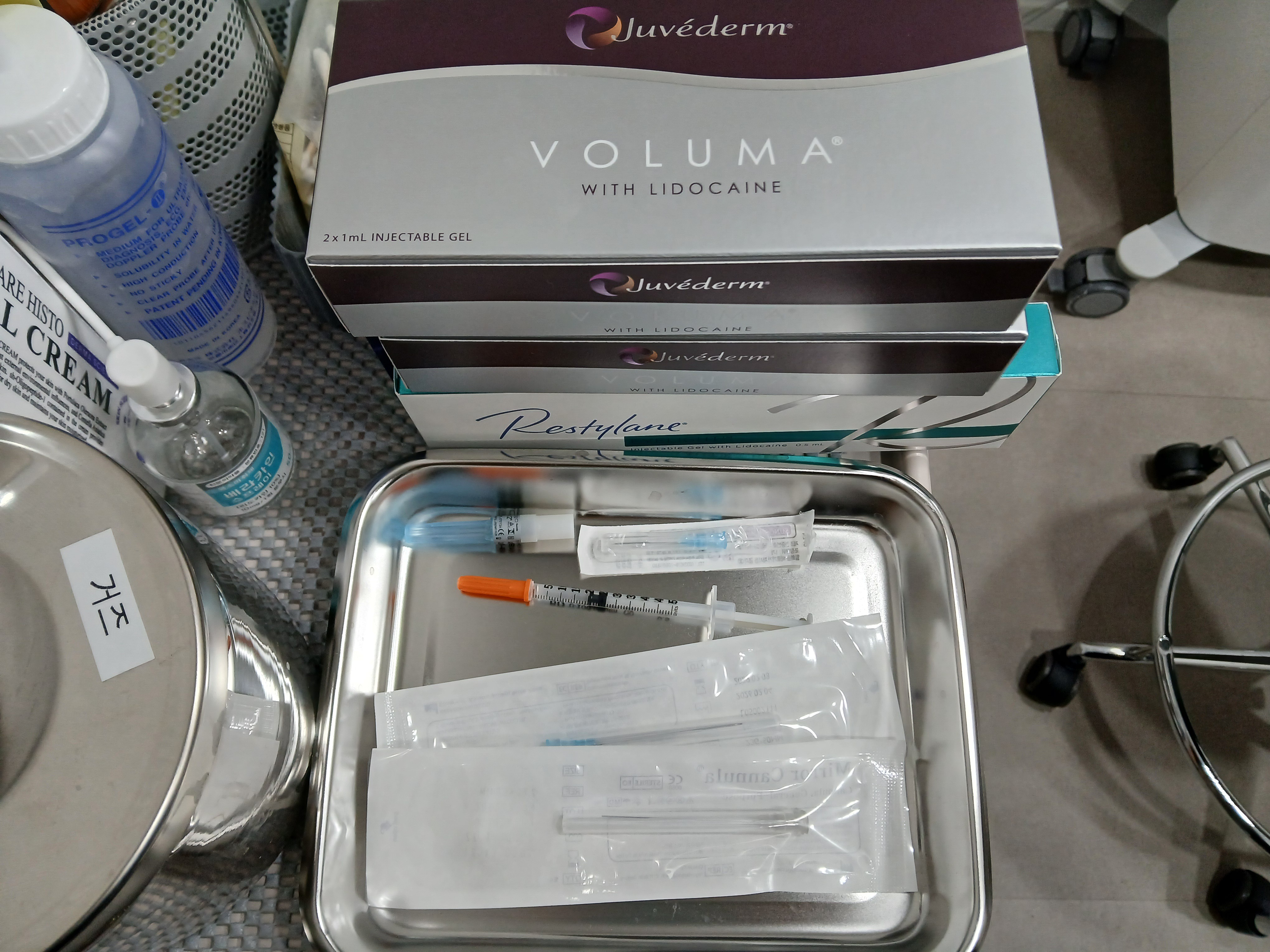
At Lunn Dermatology Clinic, we focus on a precision-based approach to ensure that every enhancement aligns with the unique anatomical structure of the individual for a natural yet refined appearance. This guide explores the scientific principles, target areas, and safety protocols essential for achieving optimal facial harmony in 2026.
Understanding Non-Surgical Facial Contouring with Fillers
Non-surgical facial contouring with fillers is a technique used to enhance facial structure and restore volume using injectable biocompatible gels, primarily hyaluronic acid. This method allows for the reshaping of the face without the need for incisions or extensive downtime. By strategically placing these gels in specific layers of the tissue, a specialist can address concerns such as hollow temples, a receding chin, or an undefined jawline. The goal is not just to add volume, but to recreate the supportive scaffolding that tends to diminish with age or due to genetic factors.
The Science of Facial Volume and Structural Harmony
Facial volume loss is a multi-layered process involving the depletion of deep fat pads and the gradual resorption of bone structure over time. Research indicates that as individuals reach their 30s and 40s, the natural scaffolding of the face begins to shift, leading to sagging and a loss of definition. Non-surgical facial contouring filler works by replenishing these specific areas to restore a more youthful silhouette. At LUNN, we utilize advanced hyaluronic acid formulas that integrate seamlessly with the natural tissue, with the duration of support varying depending on the specific filler properties and each patient's individual metabolic rate. This longevity depends on the density of the product used and the patient's metabolic rate. By focusing on the deeper structural layers rather than just superficial lines, we can achieve a three-dimensional rejuvenation that maintains the natural movement and expression of the face. This scientific approach ensures that the results are balanced and avoid the over-filled appearance often associated with less precise techniques.
Defining the 1mm Difference in Modern Aesthetics
Modern aesthetic medicine has shifted away from dramatic transformations toward subtle refinements where a mere 1mm difference can significantly alter the harmony of the face. This philosophy of precision is central to the treatments provided at LUNN, where every injection is calculated to enhance the patient's existing features. Small adjustments in the projection of the chin or the height of the cheekbones can create a more balanced profile without making it obvious that a procedure was performed. For many patients, these minor tweaks provide a psychological boost by aligning their external appearance with their internal sense of self. Our clinical experience shows that precise, conservative applications aligned with our focus on natural balance lead to highly satisfying outcomes compared to aggressive volume increases. The focus is on the interplay of light and shadow, ensuring that the contours of the face look natural under different lighting conditions. This meticulous attention to detail allows for a sophisticated result that respects the natural aging process while providing a refreshed and harmonious look.
How Fillers Mimic Natural Bone and Soft Tissue Support
High-density fillers are specifically engineered to mimic the structural integrity of bone and the cushioning effect of deep soft tissue. By placing these products onto the periosteum or within deep fat compartments, a practitioner can lift sagging tissues and redefine the contours of the face. At LUNN, we select specific filler rheologies to match the anatomical needs of each zone, such as firmer gels for the jawline and softer, more flexible gels for the mid-face. This mimicry is essential for creating a result that feels natural to the touch and looks authentic during facial expressions. To maintain exceptional treatment quality, we preferentially select low-hydrophilic fillers that draw less moisture, which actively minimizes post-treatment swelling and the Tyndall effect. The ability to customize the lifting capacity of the filler means that we can address structural deficiencies with high precision. This structural approach effectively compensates for the gradual loss of facial fat that occurs over time, providing a stable foundation for the skin to rest upon.
Target Areas for Personalized Facial Contouring
Target areas for personalized facial contouring are specific regions of the face, such as the jawline, cheeks, or forehead, where filler is applied to create balance and symmetry. Each individual has a unique facial architecture, which means that the application of filler must be tailored to their specific needs rather than following a generic template. Common areas of concern often involve the loss of definition in the lower face or the appearance of hollows in the mid-face region. By identifying these areas during a detailed consultation, we can develop a strategic plan that addresses the root causes of facial imbalance. The objective is to create a seamless transition between different facial zones for a cohesive and aesthetically pleasing result.
Jawline and Chin Refinement for a Defined Silhouette
Refining the jawline and chin is a cornerstone of facial contouring, as these features define the boundary between the face and the neck. A well-defined jawline is often associated with youth and vitality, but it can become obscured by sagging skin or a lack of bone projection. At LUNN, we use high-cohesivity fillers to sharpen the mandibular angle and project the chin, creating a more structured silhouette. Clinical data suggests that improving chin projection can also enhance the appearance of the neck profile, often making it look leaner and more toned. These results are visible immediately after the procedure, although minor swelling may be present for about 24 to 48 hours. By providing this structural support, we can also address the early signs of jowling without the need for invasive surgery. The treatment is customized to suit the patient's gender and facial shape, ensuring that the jawline remains in harmony with the rest of the features while providing a clear and refined frame for the face.
Mid-face Restoration: Temples, Cheeks, and the Nasolabial Fold
Mid-face restoration focuses on correcting the volume loss that occurs in the cheeks and temples, which often leads to a tired or gaunt appearance. The cheeks act as the primary support for the lower face, and when they lose volume, it can deepen the nasolabial folds and contribute to a sagging look. Fillers used at LUNN for mid-face restoration are designed to provide both lift and volume, softening the transition from the cheek to the lower face. Addressing the temples is equally important, as hollow temples can create an aged, skeletal look that disrupts the natural oval shape of the face. Studies indicate that restoring volume in the mid-face can have a secondary lifting effect on the lower face, reducing the prominence of the folds around the mouth. This multi-zone approach ensures that the rejuvenation is comprehensive rather than localized. By restoring these key pillars of support, we can achieve a refreshed look that appears rested and naturally vibrant, avoiding the flat or sunken appearance that often accompanies the aging process.
Subtle Forehead and Brow Contouring for Balanced Proportions
Contouring the forehead and brow area requires a high level of expertise due to the thinness of the skin and the complexity of the underlying anatomy. A smooth, gently curved forehead contributes to a youthful and balanced facial profile, while a drooping brow can make one look tired or stern. At LUNN, we utilize specialized techniques to add subtle volume to the forehead and lift the brow area, creating a more open and refreshed appearance. This treatment can also help to soften the appearance of static lines that have become etched into the skin over time. Because this area is highly visible and delicate, we prioritize the use of fine, flexible fillers that integrate smoothly without creating irregularities. The goal is to restore the natural convexity of the forehead, which can flatten with age due to bone thinning and fat loss. By addressing these upper face concerns, we complete the overall structural harmony of the face, ensuring that all three tiers of the face are balanced and aesthetically synchronized.
Comparison: Non-Surgical Fillers vs. Traditional Facial Surgery
Comparing non-surgical fillers to traditional facial surgery involves evaluating the differences in invasiveness, recovery time, and structural outcomes. While surgery, such as a facelift or chin implant, offers a permanent solution for significant tissue sagging and structural changes, fillers provide a versatile and minimally invasive alternative. Fillers are ideal for individuals who are experiencing early to moderate signs of aging or who wish to refine their features without the risks and downtime associated with the operating room. However, it is important to understand that fillers cannot remove excess skin, and their effects are temporary. The choice between the two often depends on the patient's aesthetic goals, anatomy, and lifestyle preferences. For many, the ability to see immediate results with minimal recovery makes non-surgical options highly attractive.
| Feature | Non-Surgical Contouring Filler | Traditional Facial Surgery |
|---|---|---|
| Invasiveness | Minimally invasive (Injections) | Invasive (Incisions and anesthesia) |
| Recovery Time | 24 to 48 hours (swelling/bruising) | 2 to 4 weeks (significant downtime) |
| Result Timing | Immediate | Several weeks for final results |
| Longevity | Varies by individual and product | Long-term (Years) |
| Reversibility | Reversible (with hyaluronidase) | Generally non-reversible |
| Risks | Common side effects include bruising and swelling; however, rare but serious risks like vascular occlusion can occur. | Surgical risks (infection, scarring, anesthesia complications) |
Clinical Considerations and Patient Safety Protocols
Clinical considerations encompass the safety protocols and anatomical knowledge required to perform filler injections effectively and minimize risks. Ensuring patient safety is the highest priority at LUNN, where we follow strict medical guidelines to deliver consistent and predictable results. Every procedure begins with a comprehensive assessment of the patient's medical history and facial anatomy to identify any potential contraindications. We also educate our patients on the importance of choosing a qualified specialist who understands the complex vascular network of the face. By adhering to these rigorous standards, we can provide treatments that are not only aesthetically successful but also medically sound. Understanding the limitations of the procedure is just as important as knowing its benefits, ensuring that expectations are managed realistically.
Individual Anatomy Assessment and Avoiding Over-Correction
A thorough individual anatomy assessment is the first step in avoiding the unnatural, over-corrected look that can occur when fillers are used excessively. At LUNN, we analyze the patient's bone structure, skin elasticity, and muscle activity to determine the most effective placement for the filler. Over-correction, or the "pillow-face" effect, is often the result of failing to account for the way the face moves or adding too much volume in a single session. We prefer a conservative approach, often starting with a smaller amount of filler and adding more if necessary during a follow-up appointment. This ensures that the results remain subtle and in proportion with the rest of the face. Statistical evidence shows that patients who receive incremental treatments are generally more satisfied with their appearance over the long term. By respecting the natural limits of the tissues, we can enhance the features without distorting the patient's identity. This patient-centric approach allows for a customized journey that prioritizes harmony and balance above all else.
Managing Potential Side Effects: Swelling, Bruising, and Asymmetry
While non-surgical contouring is generally safe, it is important to be aware of potential side effects such as temporary swelling, localized bruising, and minor asymmetry. Most of these effects are mild and resolve within a few days following the procedure. At LUNN, we provide detailed aftercare instructions to help manage these symptoms, such as avoiding strenuous exercise for 24 to 48 hours and using cold compresses to reduce inflammation. Asymmetry can sometimes occur due to uneven swelling or the natural underlying asymmetry of the face, but this can usually be corrected during a follow-up session. It is vital for patients to understand that individual healing rates vary, which is why we practice a conservative approach—evaluating the progress carefully over time rather than rushing the outcome. In rare cases, more persistent redness or lumps may occur, which is why we maintain an open line of communication with our patients for any post-treatment concerns. Providing a balanced view of both the benefits and the minor risks ensures that patients are well-informed before proceeding.
Why Expertise in Vascular Anatomy Matters for Filler Safety
Expertise in vascular anatomy is critical for filler safety because the face contains a complex network of arteries and veins that must be avoided during injection. A qualified specialist must have a deep understanding of where these vessels are located to prevent serious complications such as vascular occlusion, which can lead to tissue damage. At LUNN, we use advanced injection techniques, such as the use of blunt-tip cannulas in high-risk areas, to minimize the risk of vessel injury. While serious complications are very rare when performed by an experienced specialist, having a practitioner who is trained to recognize and treat them immediately is essential. As with any medical procedure, individual results and safety profiles may vary. We always have hyaluronidase on hand, an enzyme that can dissolve hyaluronic acid fillers within 24 hours in the event of an emergency or a dissatisfied result. This commitment to medical excellence and emergency preparedness provides our patients with peace of mind. Choosing a specialist who prioritizes anatomical knowledge over simple aesthetic trends is the most effective way to ensure a safe and successful outcome.
A Board-Certified Dermatologist's Guide to Structural Rejuvenation in 2026
A Specialist's 2026 Guide to Luxury Dermatology Clinic Cheongdam: Refining the Details
Frequently Asked Questions
Q. What exactly is non-surgical facial contouring with fillers?
Non-surgical facial contouring with fillers is a minimally invasive procedure that uses injectable gels, such as hyaluronic acid, to reshape and lift specific areas of the face. It is designed to improve overall facial harmony by restoring volume to the temples, cheeks, jawline, and chin without the need for traditional surgery. The procedure provides immediate structural support and can be customized to suit the individual's unique anatomical needs.
Q. How long do the results of a liquid contouring procedure last?
The results vary depending on several factors including the type of filler used and the area being treated. Individual metabolic rates also play a role in how quickly the body naturally breaks down the hyaluronic acid gel. Regular maintenance sessions are customized to sustain the desired structural balance and volume over time.
Q. Is there significant downtime after getting facial fillers?
Most patients are able to return to their daily activities immediately after the treatment, as there is very little downtime involved. However, you may experience minor swelling, redness, or bruising at the injection sites for a few days following the procedure. We generally advise avoiding strenuous exercise and excessive heat, such as saunas, for at least 24 to 48 hours to ensure the filler settles correctly.
Q. Can fillers replace the need for a surgical facelift?
While fillers provide excellent volumetric enhancement and subtle lifting, they are not a direct replacement for a surgical facelift in cases of significant skin laxity. Fillers are ideal for addressing volume loss and early signs of aging, but they cannot remove excess skin. A consultation is necessary to determine if your goals are best met through non-surgical means or if a surgical approach is required.
Q. Are the results of facial contouring fillers reversible?
Yes, if hyaluronic acid fillers are used, the results are completely reversible through the injection of an enzyme called hyaluronidase. This enzyme can dissolve the filler within 24 hours if a patient is dissatisfied with the look or if a rare medical complication occurs. This adds an extra layer of safety and flexibility to the treatment process compared to permanent surgical implants.
Q. What are the common side effects of non-surgical contouring?
The most common side effects include temporary redness, mild swelling, and localized bruising at the site of the injection, which typically resolve within a week. While more serious risks like vascular occlusion or infection are extremely rare, they can occur, which is why choosing an experienced specialist is vital. We provide comprehensive aftercare instructions to help minimize these risks and ensure a smooth recovery process.
Q. How do I know if I am a good candidate for this procedure?
Ideal candidates are individuals looking for subtle structural improvements, volume restoration, or refinement of their facial profile without undergoing surgery. A personalized consultation at LUNN is required to assess your skin elasticity, bone structure, and aesthetic goals. We will evaluate your anatomy to ensure that fillers will provide the desired harmony and that you have realistic expectations for the outcome.
Key Takeaways
- Precision and Harmony: Achieving a balanced look often comes down to the "1mm difference," where subtle adjustments create the most natural results.
- Immediate and Evolving: While results are visible immediately, we prioritize a conservative approach, monitoring the patient's individual progress over time to ensure perfect harmony.
- Biocompatible and Temporary: Using hyaluronic acid ensures the treatment is safe and reversible, with the duration varying based on individual characteristics.
- Safety First: Choosing a specialist with a deep understanding of vascular anatomy is essential to minimize the risk of rare but serious complications.
- Personalized Approach: Every treatment at LUNN is tailored to the individual's unique bone structure and aging pattern for a truly custom result.
Visit LUNN for a personalized consultation and follow our journey for more aesthetic insights at @dr.lunn.
LUNN / Director Hyungkwon Park
FAQ
- What exactly is non-surgical facial contouring with fillers?
- Non-surgical facial contouring with fillers is a minimally invasive procedure that uses injectable gels, such as hyaluronic acid, to reshape and lift specific areas of the face. It is designed to improve overall facial harmony by restoring volume to the temples, cheeks, jawline, and chin without the need for traditional surgery. The procedure provides immediate structural support and can be customized to suit the individual's unique anatomical needs.
- How long do the results of a liquid contouring procedure last?
- The results typically last between 6 to 18 months, depending on several factors including the type of filler used and the area being treated. Individual metabolic rates also play a role in how quickly the body naturally breaks down the hyaluronic acid gel. Regular maintenance sessions are usually recommended once or twice a year to sustain the desired structural balance and volume.
- Is there significant downtime after getting facial fillers?
- Most patients are able to return to their daily activities immediately after the treatment, as there is very little downtime involved. However, you may experience minor swelling, redness, or bruising at the injection sites for a few days following the procedure. We generally advise avoiding strenuous exercise and excessive heat, such as saunas, for at least 24 to 48 hours to ensure the filler settles correctly.
- Can fillers replace the need for a surgical facelift?
- While fillers provide excellent volumetric enhancement and subtle lifting, they are not a direct replacement for a surgical facelift in cases of significant skin laxity. Fillers are ideal for addressing volume loss and early signs of aging, but they cannot remove excess skin. A consultation is necessary to determine if your goals are best met through non-surgical means or if a surgical approach is required.
- Are the results of facial contouring fillers reversible?
- Yes, if hyaluronic acid fillers are used, the results are completely reversible through the injection of an enzyme called hyaluronidase. This enzyme can dissolve the filler within 24 hours if a patient is dissatisfied with the look or if a rare medical complication occurs. This adds an extra layer of safety and flexibility to the treatment process compared to permanent surgical implants.
- What are the common side effects of non-surgical contouring?
- The most common side effects include temporary redness, mild swelling, and localized bruising at the site of the injection, which typically resolve within a week. While more serious risks like vascular occlusion or infection are extremely rare, they can occur, which is why choosing an experienced specialist is vital. We provide comprehensive aftercare instructions to help minimize these risks and ensure a smooth recovery process.
- How do I know if I am a good candidate for this procedure?
- Ideal candidates are individuals looking for subtle structural improvements, volume restoration, or refinement of their facial profile without undergoing surgery. A personalized consultation at lunnclinic is required to assess your skin elasticity, bone structure, and aesthetic goals. We will evaluate your anatomy to ensure that fillers will provide the desired harmony and that you have realistic expectations for the outcome.