
Post
A Specialist's 2026 Guide to Ultherapy and Thermage Treatment: Achieving Facial Harmony at LUNN
Ultherapy and Thermage combination treatment represents a sophisticated approach to non-surgical facial rejuvenation that integrates two distinct energy modalities to address aging across multiple skin layers. Hello, I am Dr. Hyungkwon Park, a board-certified dermatologist and the director of LUNN (Lunn Dermatology Clinic). As a "business owner" dedicated to this space, I believe that natural results through delicate care are the true mark of skill. Today, I will share professional insights on how these therapies maximize aesthetic outcomes by targeting both the deep structural foundations and the superficial elasticity of the skin. This guide is designed to help you understand the precise mechanisms that allow for a harmonious and natural recovery of facial contours without the need for invasive surgery.
Understanding the Synergy: The Combination of Ultherapy and Thermage
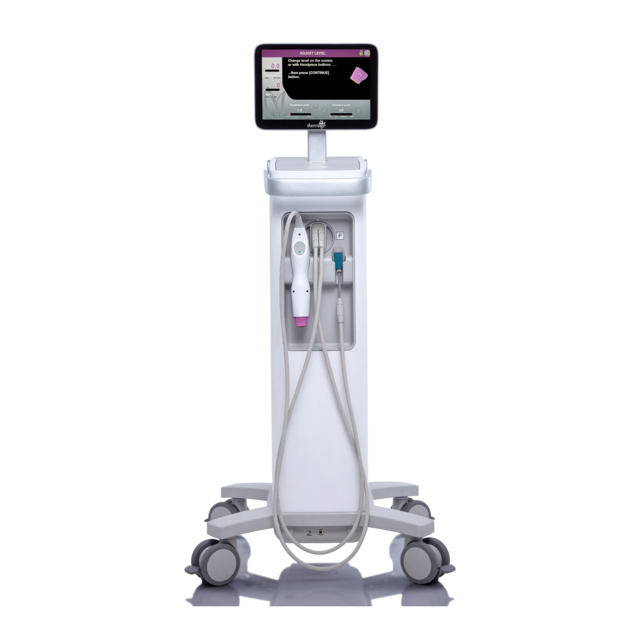
Synergy in dermatological lifting refers to the additive benefits achieved when micro-focused ultrasound and radiofrequency technologies are applied in a strategic, layered sequence. By combining these treatments at LUNN, we can address both the underlying sagging caused by gravity and the surface-level thinning of the dermis. While this combination is powerful, I often recommend our "Signature Synergy Program," which functions like watering dry land; we first use skin boosters to optimize the skin's condition before applying laser energy to multiply the lifting effects. This integrated protocol is grounded in the physiological principle that different tissue depths require specific energy frequencies to stimulate optimal collagen remodeling.
Defining Ultherapy: Deep Lifting via Micro-Focused Ultrasound
Ultherapy utilizes Micro-Focused Ultrasound (MFU) technology to deliver precise thermal energy to the deep structural layers of the skin, specifically the Superficial Muscular Aponeurotic System (SMAS). This layer is located approximately 4.5mm beneath the surface and is the same area addressed during surgical facelifts. By delivering energy at temperatures between 60 to 70 degrees Celsius, Ultherapy creates microscopic thermal coagulation points that trigger a natural wound-healing response. In my clinical practice at LUNN, I emphasize that while Ultherapy provides significant deep-tissue lifting, the results are gradual and vary among individuals. Patients may experience mild swelling or temporary tenderness in the treated area, which typically resolves within a few days. I personally handle every step of the process—from the initial consultation to the final shot—to ensure a consistent and responsible treatment experience.
Defining Thermage: Skin Tightening via Radiofrequency Technology
Thermage employs Monopolar Radiofrequency (RF) energy to target the dermis, which typically ranges from 1.0mm to 3.0mm in depth. Unlike ultrasound which focuses on specific points, Thermage uses a 6.7MHz frequency to deliver volumetric heating across the skin surface, causing immediate contraction of existing collagen fibers. This technology is particularly effective for improving skin texture and tightening the 'envelope' of the face. At LUNN, we often recommend this modality for patients noticing a loss of superficial elasticity. The procedure utilizes a specialized cooling system to protect the epidermis while the deeper heat stimulates long-term neocollagenesis. While Thermage is widely recognized for its safety profile, some patients may encounter temporary redness. It is important to note that the peak effects of skin tightening are typically observed around 4 to 6 months post-treatment, provided that the patient maintains a healthy skin barrier and follows prescribed aftercare protocols.
The Science of Why They Work Better Together
The biological rationale for combining these two treatments lies in their complementary depths and thermal profiles. When Ultherapy and Thermage are performed as a combination program at LUNN, the ultrasound energy first establishes a firm foundation by lifting the SMAS layer, while the radiofrequency energy subsequently refines the surface. In 2026, we reject a factory-style approach. Instead of relying solely on diagnostic imaging, I perform a thorough "state analysis," manually feeling the patient's muscle thickness, fat distribution, and skin tension with my own hands. This manual 1mm precision ensures that energy delivery is synchronized with your unique anatomy. However, achieving these results requires a customized energy setting, as excessive heat or improper sequencing can lead to suboptimal outcomes for certain skin types.
Comprehensive Comparison: Comparing Mechanisms, Depths, and Results
A comprehensive comparison involves evaluating how different energy sources interact with biological tissues. At LUNN, we focus on helping patients understand that Ultherapy is primarily a 'lifting' tool for deep sagging, whereas Thermage functions as a 'tightening' tool for surface laxity. Selecting the appropriate balance depends on an objective assessment of whether your primary concern is structural volume descent or a loss of skin density. By applying professional logic over marketing hype, I design a treatment plan that respects the natural limitations of the skin while pushing for visible, sophisticated improvements.
Target Layers: SMAS Lifting vs. Dermal Tightening
The fundamental difference is the specific tissue layer affected. Ultherapy reaches the 4.5mm SMAS layer, providing a structural lift. In contrast, Thermage focuses on the 1.0mm to 3.0mm dermal layers to address elastin and collagen breakdown. By treating these layers strategically at LUNN, we ensure that every 1mm of skin thickness is accounted for. A Specialist's 2026 Guide to the Multilayer Lifting Technique: Achieving Facial Harmony at LUNN provides further detail on how these depths are integrated. Patients should be aware that because these treatments target different depths, the sensation during the procedure will vary, ranging from a deep tingling to a warm, surface-level heat. Typical results depend heavily on the individual's baseline collagen levels and healing capacity.
Technical Comparison Table
| Feature | Ultherapy | Thermage |
|---|---|---|
| Energy Source | Micro-Focused Ultrasound (MFU) | Monopolar Radiofrequency (RF) |
| Primary Depth | 3.0mm to 4.5mm (SMAS) | 1.0mm to 3.0mm (Dermis) |
| Main Goal | Lifting & Contouring | Tightening & Smoothing |
| Temperature | 60°C - 70°C | 40°C - 55°C (Volumetric) |
| Duration | 30 - 60 Minutes | 40 - 90 Minutes |
| Visible Result | 3 - 6 Months | 4 - 6 Months |
Clinical Benefits of Synergy Treatment at LUNN
The benefits of an integrated lifting program at LUNN include more refined facial contours and improved skin density. By moving away from a one-size-fits-all approach, we prioritize "Refining the Details." This customized methodology is essential in the 2026 aesthetic landscape, where patients prioritize natural enhancements over artificial changes. Each session is carefully planned to minimize discomfort while maximizing the biological response. As I often tell my patients, a good camera doesn't guarantee a masterpiece; it is the eye of the photographer—or in this case, the dermatologist—that determines the final result.
Layered Approach: Solving Sagging and Fine Wrinkles Simultaneously
The layered approach used at LUNN addresses the complex nature of aging. By utilizing the 4.5mm depth for lifting and the shallower depths for tightening, we can resolve sagging jawlines while simultaneously smoothing fine lines. Clinical observations in 2026 indicate that patients receiving combination treatments often report a higher satisfaction rate because the results appear more balanced. For more information on achieving this balance, you may read A Specialist's 2026 Guide to Customized Face Lifting in Seoul: Achieving Facial Harmony at LUNN. We emphasize that the 1mm precision in energy placement is what separates a standard treatment from a high-end clinical result. Please note that individual skin reactions may require adjustments in energy levels.
Personalized Design: The Importance of 1mm Precision in Facial Harmony
At LUNN, we believe successful facial rejuvenation is about 'design.' I personally analyze the depth of every wrinkle and the projection of the eyes to customize the shot count and energy intensity. This 1mm precision allows us to avoid sensitive structures while focusing on the areas that will provide the most significant visual lift. Thermage is then used to 'shrink-wrap' the skin over this new foundation. This meticulous planning is the cornerstone of my practice, ensuring that each patient's facial harmony is preserved. Because this is a highly personalized procedure, the total time required will be adjusted based on the initial manual diagnostic consultation.
Safety Protocols and Managing Expectations
Safety protocols at LUNN are designed to prioritize patient well-being. While both Ultherapy and Thermage are FDA-cleared, no medical procedure is entirely without risk. We provide transparent consultations discussing the limitations of non-surgical lifting; for example, dramatic results like a surgical facelift are not typical. Managing expectations is vital, as the biological response is influenced by age and lifestyle. I always aim for a conservative approach, as I believe "less is often more" when it comes to long-term facial aesthetics.
Potential Side Effects: Understanding Swelling and Aftercare
Most patients at LUNN undergo treatments with minimal disruption, but common side effects include temporary redness, mild swelling, and slight tenderness. In rare cases, temporary numbness or small welts may occur, though these typically resolve within one to two weeks. To ensure the best recovery, I personally instruct all patients to avoid saunas and steam rooms for at least one week and to maintain a strict moisturizing routine. Staying hydrated and following the personalized skincare regimen provided by our team is essential. If any unusual symptoms persist, our clinical team is always available for a follow-up assessment. Results vary, and multiple sessions may be recommended for some individuals to reach their desired goals.
Frequently Asked Questions
Q. What is the primary difference between Ultherapy and Thermage?
Ultherapy focuses on lifting the deep SMAS layer using ultrasound, providing foundational support. Thermage targets the dermis with radiofrequency to tighten the skin surface and improve texture. At LUNN, we use both to address lifting and tightening simultaneously.
Q. Can I receive both Ultherapy and Thermage on the same day?
Yes, performing them together is a common strategy at LUNN. However, for those with very dry skin, I may recommend a "Signature Synergy" approach where we improve skin condition with boosters first to ensure the laser energy is effective without causing unnecessary irritation.
Q. How long do the results of this combination treatment typically last?
While individual results vary, visible improvements generally last between 6 to 12 months. Periodic maintenance sessions once a year help to sustain the effects as part of a long-term anti-aging strategy.
Q. Is the treatment painful during the procedure?
Comfort levels differ, and some heat sensation is expected. At LUNN, I personally adjust energy settings based on your feedback and my assessment of your skin's resistance to ensure the treatment is tolerable and effective.
Q. Are there any immediate side effects I should be aware of?
Temporary redness and mild swelling are common and usually resolve within a few days. Following the post-treatment guide, including the one-week sauna ban, is crucial for minimizing these effects.
Q. Who is the ideal candidate for combining these two procedures?
It is most effective for individuals experiencing both deep tissue sagging and a loss of skin density. Those seeking a natural, non-surgical refinement of their facial contours are usually excellent candidates.
Q. Does this treatment require significant downtime or recovery?
Most patients return to daily activities immediately. Any minor puffiness usually subsides quickly, making it suitable for those with busy schedules. We focus on a "responsible treatment" that respects your time and skin health.
Key Takeaways
- Comprehensive Rejuvenation: Combining Ultherapy and Thermage targets both the SMAS and the dermis for multi-layered results.
- Manual Precision: Dr. Hyungkwon Park at LUNN uses a 1mm manual diagnosis (palpation) rather than just imaging to ensure a personalized design.
- Signature Synergy: Integrating skin boosters before laser treatment can enhance the biological response, similar to "watering dry land."
- Strict Aftercare: A one-week sauna ban and intensive moisturizing are essential post-treatment steps to protect the skin barrier.
- Natural Harmony: The goal is always a natural result that respects the patient's original balance, avoiding an "overdone" look.
LUNN / Park Hyungkwon
FAQ
- What is the primary difference between Ultherapy and Thermage?
- Ultherapy focuses on lifting the deep SMAS layer using ultrasound, which is the foundational support of the face. Thermage targets the dermis with radiofrequency to tighten the skin surface and improve overall texture and density. By combining them, we address both the 'lifting' of deep tissue and the 'tightening' of the skin surface.
- Can I receive both Ultherapy and Thermage on the same day?
- Yes, performing them together on the same day is a highly effective synergy treatment strategy used at lunnclinic. This allows the heat to work across multiple layers of the skin in a single visit, though the specific order and intensity are always customized based on your skin's unique condition and sensitivity.
- How long do the results of this synergy treatment typically last?
- While individual results vary, the collagen remodeling process usually provides visible improvements that last between 6 to 12 months. Most patients find that periodic maintenance sessions once a year help to sustain the lifting and tightening effects as part of a long-term anti-aging strategy.
- Is the synergy treatment painful during the procedure?
- Comfort levels differ for every patient, and some heat sensation or deep tingling is expected as the energy reaches the target layers. At lunnclinic, we utilize various pain management protocols and adjust energy settings to ensure the treatment is tolerable while still being clinically effective.
- Are there any immediate side effects I should be aware of?
- Temporary redness, mild swelling, or slight tenderness in the treated area are common and typically resolve within a few days. These are normal signs that the skin's healing and collagen production processes have been activated by the thermal energy.
- Who is the ideal candidate for combining these two procedures?
- The combination is most effective for individuals experiencing both deep tissue sagging and a loss of superficial skin elasticity. It is a preferred option for those seeking a non-surgical solution to improve facial contours and skin firmness without the downtime associated with surgery.
- Does this treatment require significant downtime or recovery?
- Most patients return to their daily activities immediately after the session at lunnclinic. While there may be some minor puffiness or redness, there is no need for prolonged isolation, making it an ideal treatment for those with busy professional schedules.