
Post
A Korean Dermatologist's 2026 Guide to Pigmentation: Structural Clarity at LUNN
Hello, I am Dr. Park Hyungkwon, a board-certified dermatologist specializing in precision facial design and advanced skin health in Seoul.
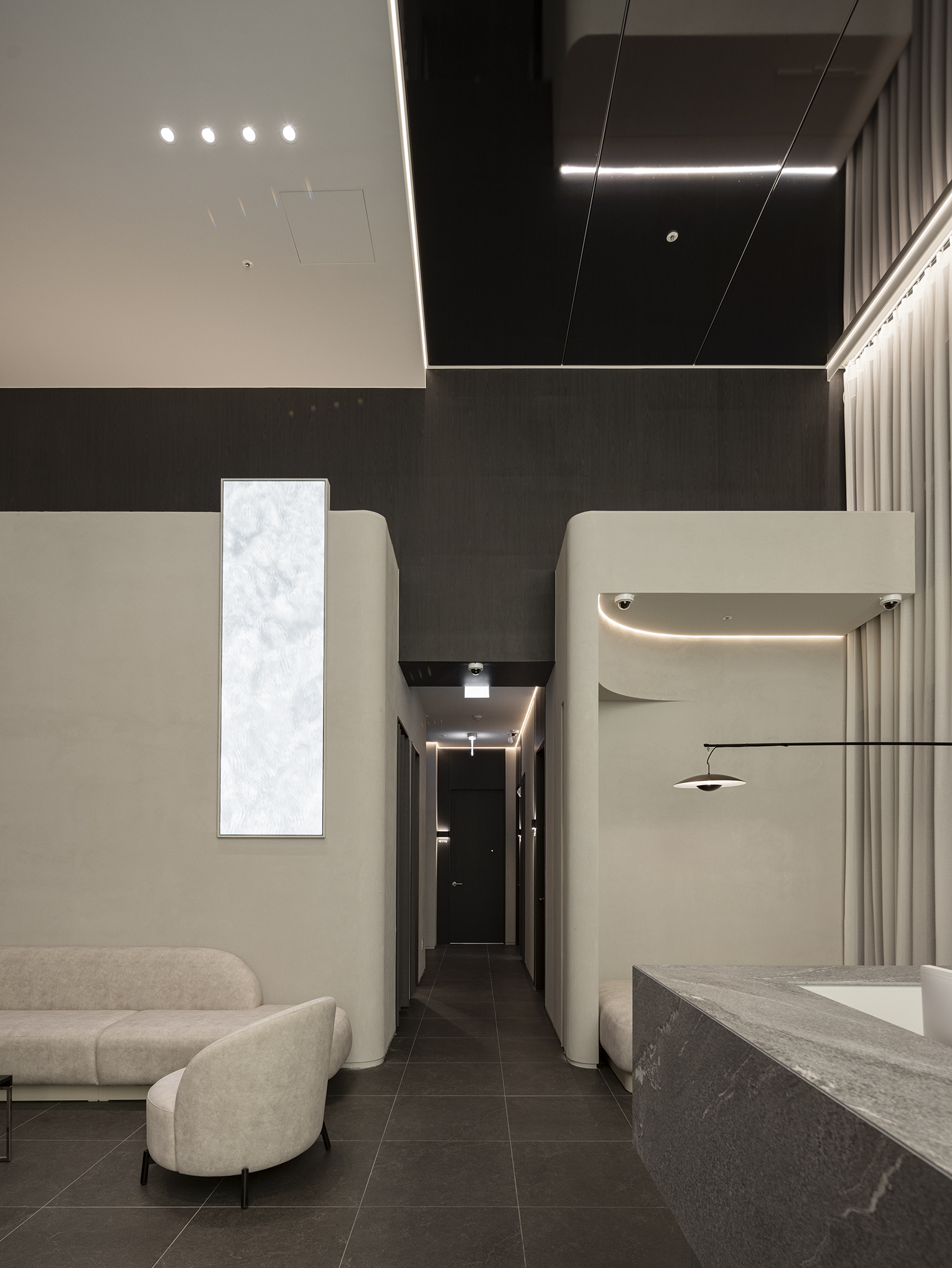
In my practice at LUNN, the philosophy is simple: "Refining the Details. Achieving Perfect Harmony." Achieving clear skin is not just about erasing a spot; it requires an understanding of how light interacts with the structural layers of your face.
To be honest, many patients come to me thinking pigmentation is just a surface blemish. However, it is a complex, multi-layered accumulation of melanin. As a Korean dermatologist for pigmentation, I focus on a '맞춤형 설계' (customized design) that addresses these deeper structural layers. We don't just look at the pigment; we analyze the entire facial balance, including how structural shadows—like those caused by the tear trough ligaments—contribute to an aged or tired appearance. My goal at LUNN is to move away from "factory-style" treatments and provide one-on-one, consistent care that respects the natural anatomy of each patient.
Every individual possesses a unique skin profile, and addressing uneven skin tone requires an approach that respects the delicate balance of your epidermis and dermis. In this guide, I will share the principles behind advanced pigment correction and explain how meticulous attention to detail can help restore long-term skin clarity.
Understanding Pigmentation as a Korean Dermatologist
Pigmentation refers to the uneven distribution and accumulation of melanin within the skin layers. In Asian skin, melanocytes are often more biologically active, meaning the skin reacts readily to ultraviolet radiation, hormonal fluctuations, and thermal stress. This heightened reactivity requires a sophisticated diagnostic approach to identify the exact depth of the pigment before initiating any therapy.
Distinguishing Between Melasma, Freckles, and Age Spots
Accurate diagnosis is the foundational cornerstone of successful treatment because different types of spots reside in distinct anatomical layers. Melasma typically manifests as symmetrical, diffuse brownish patches, heavily influenced by vascular changes and hormonal variations. Freckles present as small, superficial spots in the upper epidermis, while age spots are well-defined circular lesions from long-term UV damage. Treating deep melasma with aggressive settings meant for superficial age spots can inadvertently trigger severe post-inflammatory hyperpigmentation. A detailed analysis, where I personally feel the skin texture and observe the muscle and fat distribution, is essential to map these lesions safely.
The Biological Complexity of Melanin in Asian Skin Layers
Melanin production is a natural defensive mechanism, but its behavior in Asian skin presents unique clinical challenges. When melanocytes are stimulated, they transfer pigment granules throughout both the superficial epidermal and deep dermal layers. This multi-level distribution means that a single setting cannot effectively target all pigments without risking injury to the surrounding tissue. Understanding this intricate cellular network allows for the selection of precise energy parameters that shatter pigment particles while keeping the surrounding skin matrix intact.
The Precise Treatment Philosophy of LUNN
The treatment philosophy at LUNN centers on achieving refined skin harmony. While individual results may vary, our goal is to enhance your natural complexion through precise care. I personally handle every step—from the initial consultation to the final procedure—to ensure a consistent and responsible treatment experience. We believe that clear skin is achieved by a balanced, multi-layered restoration process that respects the natural biology of the skin.
Achieving Structural Clarity Through Multi-Layered Correction
True radiance is achieved when light reflects uniformly across the face. At LUNN, we differentiate between surface pigment and the "shadows" created by structural changes. For example, in dark circle treatments, we recognize that the shadow is often caused by the tear trough ligament pulling the skin, not just melanin. By utilizing precision laser modalities tailored to each layer, we can customize the depth of energy delivery to match the patient's specific anatomy. This structured approach helps ensure that deep-seated pigments are gradually addressed while the overlying skin surface remains healthy. This careful clearing of both pigment and structural disruptions reveals a naturally luminous complexion.
Why 1mm Precision Defines the Success of Clear Skin
In aesthetic dermatology, a single millimeter can represent the boundary between a natural result and an adverse reaction. Tailoring the laser spot size, pulse duration, and energy fluence by a mere 1mm or a fraction of a joule alters how the skin heals. I personally evaluate the skin's micro-response during every procedure to maximize safety. This strict adherence to clinical precision prevents unnecessary thermal diffusion, thereby minimizing the risk of unwanted hyperpigmentation or hypopigmentation. Our dedication to these minute technical details is designed to help your skin recover in a refined, natural way.
Comparative Analysis of Pigmentation Removal Modalities
Selecting the appropriate technology requires a careful evaluation of the patient's specific pigment type and recovery tolerance. Modern aesthetic medicine provides several advanced tools, each offering distinct mechanisms of action to address different structural depths. To learn more about how we integrate these energy devices with structural rejuvenation, you can read A Board-Certified Dermatologist's Guide to Structural Rejuvenation in 2026.
Choosing Between Laser Toning and Focused Spot Destruction
Laser toning uses low-fluence settings to gently address epidermal and dermal melanin without disrupting the surrounding tissue, making it appropriate for conditions like melasma. In contrast, focused spot destruction concentrates energy on a specific, well-defined lesion to break down stubborn epidermal spots like solar lentigines. While focused destruction may require fewer sessions for superficial marks, it carries a different recovery profile, including temporary crusting. The choice between these modalities depends entirely on the depth and character of the target pigment, which I determine during the structural analysis.
| Treatment Modality | Primary Target Depth | Typical Healing Characteristics | Best Suited For |
|---|---|---|---|
| Laser Toning | Deep Dermis & Epidermis | Minimal redness, gradual clearing | Melasma, diffuse pigmentation |
| Focused Spot Destruction | Superficial Epidermis | Temporary micro-crusts, localized redness | Sunspots, freckles, age spots |
| Synergy Skin Boosters | Cellular Microenvironment | Mild injection points (temporary) | Weakened skin barriers, recovery |
The Role of Skin Boosters in Strengthening the Pigment Barrier
Laser treatments excel at breaking down existing melanin, but long-term clarity requires stabilizing the cellular environment. I often compare this to watering parched land; skin boosters provide the necessary condition for lasers to work effectively. Integrating specialized boosters helps fortify the skin's foundation and calm overactive melanocytes. At LUNN, we may combine these nutrients with light-based therapies to accelerate tissue repair. For an in-depth look at how we utilize customized cellular therapies to refine skin quality, consider reviewing A Specialist's 2026 Guide to Structural Skin Harmony in Korea: Refining Details at LUNN.
Realistic Expectations and Safety Guidelines
Achieving long-term clarity is a journey of gradual transformation. Honestly, a single session rarely provides a dramatic change for complex pigmentation. Maintaining realistic expectations and protecting your investment through diligent sun safety is essential for a sustained outcome.
Understanding Potential Side Effects and Recovery
Every energy-based skin treatment involves a controlled stimulation to trigger renewal. Consequently, patients may experience temporary mild redness, localized swelling, or a slight darkening of superficial spots. These common responses typically resolve within a few hours to several일 days depending on the settings. In some cases, temporary hyperpigmentation or hypopigmentation can occur, especially if post-care is neglected. I carefully calibrate every device to minimize these risks, but precise post-care remains vital. I tell my friends and my patients the same thing: "The laser starts the work, but your recovery completes it."
Post-Procedure Protocols for Sustaining Results
What you do after leaving LUNN is just as critical as the treatment itself. Lasers remove existing melanin, but they do not stop your body from producing new pigment when triggered by UV radiation. Applying a broad-spectrum sunscreen with an SPF of 50 or higher every day is mandatory. Additionally, avoiding hot saunas and aggressive exfoliants for the first week helps prevent unnecessary irritation. For more insights into maintaining a luminous complexion, you can explore A Dermatologist's Guide to Intensive Skin Booster Programs in Gangnam for 2026.
Key Takeaways
- Personalized Diagnosis: Symmetrical melasma requires gentle toning, while defined sunspots are suited for targeted destruction.
- Structural Analysis: We distinguish between melanin pigment and structural shadows caused by the facial framework to achieve true harmony.
- Precision Calibration: Adjusting energy entry down to the millimeter helps prevent unnecessary thermal spread and reduces side effect risks.
- Synergistic Care: Combining lasers with skin boosters strengthens the skin barrier against future activation.
- Long-term Maintenance: Daily sun protection and periodic professional check-ups are required to sustain clarity.
Frequently Asked Questions
Q. How do I know if my skin spots are melasma or just sunspots?
Melasma typically appears as symmetrical, brownish patches and is influenced by hormonal changes. Sunspots are distinct, well-defined circular lesions caused by UV exposure. At LUNN, I conduct a thorough structural and visual analysis to differentiate them. Treating melasma too aggressively can cause it to darken, so a conservative, precise approach is often better.
Q. How many sessions are typically required to see a difference?
The number of sessions varies significantly for every patient. While some may observe an improvement in skin tone after a few sessions, deep-seated or complex pigmentation often requires an extended, personalized plan. I avoid promising a specific number of sessions until I have analyzed the depth of your pigment personally.
Q. Are there any common side effects after pigment laser treatment?
Temporary redness, mild swelling, and a warming sensation are expected responses that usually subside quickly. Superficial spots might darken or form micro-crusts before flaking off within a week. While rare, more significant pigment changes can occur if the skin is not protected from heat or UV light during recovery.
Q. Is the pigmentation removal treatment uncomfortable?
Most patients describe the sensation as a light, rapid snapping against the skin. We use cooling systems and topical numbing agents to manage comfort, but the procedure is not entirely without sensation. The level of discomfort varies based on the specific modality and your individual sensitivity.
Q. Can I return to my daily routine immediately?
Most treatments at LUNN involve minimal downtime, meaning you can typically return to your normal activities quickly. You may have some mild redness for a few hours, and light makeup can generally be applied the next day. However, you must avoid intense heat and direct sun exposure during the initial healing phase.
Q. What is the estimated cost for pigmentation treatments at LUNN?
Costs vary depending on the technology used and the extent of the treatment area. Because we provide customized, specialist-led care rather than a one-size-fits-all model, I recommend a consultation at LUNN to receive an accurate estimate based on your specific skin condition.
Q. Will my pigmentation return after I finish the treatment?
Laser treatments clear existing melanin, but they do not stop new melanin from forming in the future. Without consistent sun protection and proper maintenance, new spots can form due to aging and UV exposure. I suggest a dedicated skincare regimen and periodic check-ups to protect your results.
If you would like to explore a personalized approach to restoring your skin's harmony, please contact us for a consultation. For clinical insights and updates, you can follow us on Threads @dr.lunn.
LUNN / Dr. Park Hyungkwon
FAQ
- How do I know if my skin spots are melasma or just sunspots?
- Melasma typically appears as symmetrical, brownish patches across the cheeks, forehead, or jawline, and it is heavily influenced by hormonal changes and vascular inflammation. Sunspots, on the other hand, are distinct, well-defined circular lesions caused primarily by accumulated ultraviolet exposure over time. I conduct a thorough structural analysis at lunnclinic to accurately differentiate between them before selecting a laser modality. Treating deep melasma too aggressively with settings intended for sunspots can cause the pigment to darken significantly.
- How many sessions are typically required to see a difference?
- For most patients at lunnclinic, a visible improvement in skin tone and a reduction in dark spots can be observed after 3 to 5 consistent sessions. However, deep-seated dermal pigmentation or complex, mixed cases may require 10 or more sessions to achieve optimal clarity. It is important to note that individual results vary based on the patient's skin type, the depth of the pigment, and their daily sun exposure habits. A personalized plan is always created to match your unique healing rate.
- Are there any common side effects after pigment laser treatment?
- Temporary redness, mild swelling, and a slight warming sensation in the treated area are common, expected responses that usually subside within a few hours. Superficial spots may also darken or form tiny micro-crusts before naturally flaking off within a week. In rare cases, temporary hyperpigmentation or hypopigmentation can occur if post-care protocols are neglected or if the skin experiences excessive thermal stress. I carefully monitor and adjust the laser energy for every individual case to minimize these risks.
- Is the pigmentation removal treatment painful?
- Most patients describe the sensation during the procedure as a light, rapid snapping of a rubber band against the skin surface. While we utilize advanced cooling technologies and medical-grade topical numbing creams to maximize your comfort, the procedure is not entirely painless. The level of discomfort depends heavily on the specific laser modality used and the patient's individual sensitivity. Most individuals find the experience entirely tolerable and manageable throughout the short session.
- Can I return to my daily routine immediately after the procedure?
- Most of our advanced pigmentation removal treatments at lunnclinic involve minimal downtime, allowing you to return to your normal routine relatively quickly. You may experience some mild redness or a flushed appearance for a few hours, but you can generally apply light makeup and return to work the following day. However, strict adherence to sun protection and avoiding intense heat sources like saunas is mandatory during the initial recovery phase to ensure optimal healing.
- What is the estimated cost for pigmentation treatments at lunnclinic?
- Costs for pigmentation removal vary significantly based on the specific laser technologies deployed, the size of the treatment area, and the total number of sessions required for your skin. Because we do not follow a one-size-fits-all factory model, we do not provide flat-rate pricing without evaluating the skin first. I highly recommend scheduling a comprehensive structural consultation at lunnclinic to receive an accurate, customized estimate tailored to your exact skin condition.
- Will my pigmentation return after I finish the treatment?
- Laser treatments are highly effective at breaking down and clearing away existing melanin accumulation, but they do not stop the body from producing new melanin in the future. Without the consistent daily application of broad-spectrum sunscreen and proper maintenance, new spots can form over time due to UV exposure and aging. I frequently recommend periodic maintenance sessions alongside a dedicated skincare regimen to sustain your clear, radiant complexion over the long term.