
Post
A Board-Certified Dermatologist's Guide to Structural Rejuvenation in 2026
Hello, I am Dr. Hyungkwon Park, a board-certified dermatologist in Cheongdam/Apgujeong Rodeo. As a board-certified dermatologist, I am dedicated to the art and science of non-surgical structural rejuvenation, focusing on how energy-based devices interact with unique facial anatomy. By prioritizing the structural integrity of the skin and the underlying muscle layers, my approach ensures that aesthetic enhancements appear natural rather than forced. At LUNN, I believe that achieving facial harmony requires a deep understanding of volume, elasticity, and the 1mm precision necessary to respect each patient's individual features.
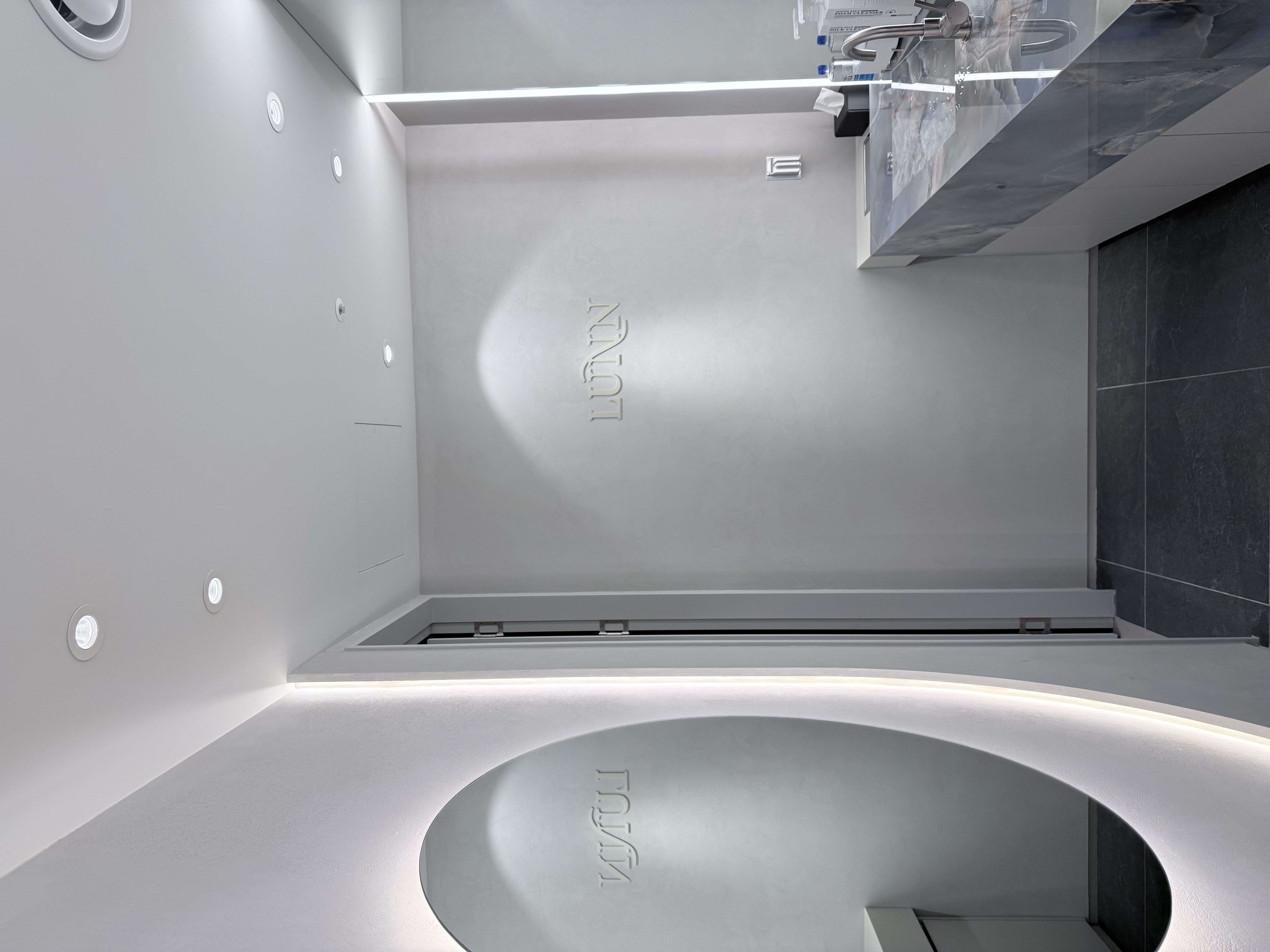
This guide explores the sophisticated modalities and philosophies that define modern facial lifting in 2026.
Why a Board-Certified Dermatologist's Experience Matters
As a board-certified dermatologist, I focus on the anatomical assessment of facial aging and the application of sophisticated energy-based devices to restore structural integrity. This role requires an intricate balance of medical knowledge and aesthetic intuition, as I must determine exactly where and how much energy to apply to achieve a subtle yet effective lift. Unlike general aesthetic practitioners, I focus on the depth of the SMAS layer and the varying thickness of the dermis to create a customized treatment plan that addresses the root causes of sagging.
Defining the Role of a Board-Certified Dermatologist
The expertise of a facial rejuvenation expert lies in the ability to translate complex anatomical structures into a personalized lifting roadmap. When you consult with me, the process begins with a comprehensive analysis of the five distinct layers of the facial soft tissue. This detailed evaluation is crucial because aging does not occur only on the surface; it involves the thinning of the dermis, the shifting of fat pads, and the weakening of the retaining ligaments. As a specialist at LUNN, I understand that applying a one-size-fits-all approach often leads to unnatural results or insufficient lifting. Therefore, I meticulously design the energy delivery vectors to counteract the specific gravitational shifts observed in each patient. This level of precision is what differentiates a standard procedure from a specialized treatment that respects the natural contours of the face while effectively addressing the visible signs of chronological aging and environmental damage.
The Science Behind Modern Non-Invasive Lifting Techniques
Modern non-invasive lifting techniques rely on the biological principle of controlled thermal injury to trigger the body's natural healing response. These procedures utilize high-intensity focused ultrasound or radiofrequency energy to reach temperatures of approximately 60 to 70 degrees Celsius within the target tissue. This specific temperature range is the threshold required for collagen denaturation and the subsequent stimulation of neocollagenesis. As a board-certified dermatologist, I observe that this process takes place over a period of 3 to 6 months, as the skin gradually replaces old, weakened fibers with new, resilient collagen. At LUNN, I utilize these scientific advancements to provide results that evolve naturally over time. By targeting the SMAS layer—the same layer addressed in surgical facelifts—non-invasive techniques can provide significant tightening without the need for incisions or extended recovery periods, making it a viable option for those seeking gradual and sustainable facial rejuvenation without significant lifestyle disruption.
Understanding Individual Skin Architecture and Aging Patterns
Each individual possesses a unique skin architecture that dictates how they will age and how they will respond to various lifting modalities. Factors such as skin thickness, bone structure, and the density of the collagen matrix play a pivotal role in the effectiveness of any procedure. As a board-certified dermatologist, I must account for these variables to ensure that the lifting vectors are aligned with the patient's natural aging pattern. For instance, a patient in their 30s may require preventive care focused on the superficial dermis, while someone in their 50s might need deeper structural support for the jawline and mid-face. At LUNN, I emphasize that understanding these nuances is the key to preventing the 'over-filled' or 'frozen' look that can occur with less precise methods. By analyzing the resistance of the facial muscles and the elasticity of the skin, I can predict how the tissue will respond to thermal stimulation, ensuring a harmonious and balanced aesthetic outcome.
Core Non-Surgical Lifting Modalities for Natural Results
Non-surgical lifting modalities encompass a range of FDA-approved technologies, primarily ultrasound and radiofrequency, designed to stimulate neocollagenesis within the deep dermis and SMAS layers. These technologies have revolutionized the field of aesthetic medicine by offering effective alternatives to traditional surgery for patients with mild to moderate skin laxity. By delivering precise energy to targeted depths, these devices allow for the customization of treatments based on the specific anatomical needs of the patient, ensuring that the lifting effect is both functional and aesthetically pleasing without the associated risks of general anesthesia.
High-Intensity Focused Ultrasound for Deep Tissue Tightening
High-Intensity Focused Ultrasound, commonly referred to as HIFU, is a cornerstone of non-surgical lifting due to its ability to reach the deepest layers of the skin. As a board-certified dermatologist, I utilize HIFU to target the SMAS layer at depths of 4.5mm, 3.0mm, and 1.5mm, depending on the area being treated. This multi-layered approach ensures that the tightening occurs from the inside out, providing a sturdy foundation for the skin. The precision of HIFU allows for targeted treatment of the jawline, neck, and brow area with minimal impact on the surrounding tissues. At LUNN, I find that patients typically see the first signs of improvement within 1 month, with the most significant results appearing after the 3-month mark. While the procedure is generally well-tolerated, some patients may experience temporary redness or mild tenderness for 24 to 48 hours, which is a normal part of the inflammatory response that leads to skin tightening.
Radiofrequency Energy and Collagen Regeneration Dynamics
Radiofrequency energy works by heating the dermis to stimulate the contraction of existing collagen fibers and the production of new ones. Unlike ultrasound, which targets specific points, radiofrequency provides a more volumetric heating effect, making it excellent for improving skin texture and superficial elasticity. As a board-certified dermatologist, I often recommend radiofrequency for patients who are concerned about fine lines and a general loss of skin density. The technology used at LUNN ensures that the heat is delivered evenly and safely, protecting the epidermis while maximizing the thermal effect in the deeper layers. Over a series of treatments, patients often notice a visible improvement in skin firmness and a reduction in the appearance of pores. It is important to note that while results can be seen relatively quickly, the full benefits of collagen regeneration typically last between 6 and 12 months, depending on the patient's lifestyle and consistent use of sun protection and proper skincare.
Comparing Ultherapy and Thermage for Targeted Lifting Goals
When choosing between Ultherapy and Thermage, it is essential to understand that these devices serve different but complementary functions in facial rejuvenation. Ultherapy utilizes micro-focused ultrasound to provide a structural lift, while Thermage uses monopolar radiofrequency to tighten the skin's surface and improve its overall quality. As a board-certified dermatologist, I often suggest a combination of both to address both deep-seated sagging and superficial laxity. The following table provides a neutral comparison of the two technologies based on typical clinical parameters observed at LUNN.
| Feature | Ultherapy (Micro-focused Ultrasound) | Thermage (Monopolar Radiofrequency) |
|---|---|---|
| Primary Goal | Structural lifting and contouring | Surface tightening and texture improvement |
| Target Depth | 1.5mm to 4.5mm (including SMAS) | 0.0mm to 3.0mm (dermis) |
| Typical Duration | 60 to 90 minutes | 45 to 60 minutes |
| Peak Results | 3 to 6 months post-treatment | 2 to 4 months post-treatment |
| Longevity | Approximately 12 months | 6 to 12 months |
| Ideal Candidate | Moderate sagging, loss of jawline definition | Fine lines, crepiness, mild skin laxity |
Selecting the right modality requires a consultation where I can assess your skin's specific needs and determine which technology will yield the most harmonious results for your unique facial structure. For more information on combined treatments, you may refer to A Specialist's 2026 Guide to Ultherapy and Thermage Synergy Treatment: Achieving Facial Harmony at LUNN.
The 1mm Philosophy of Precise Facial Contouring
The 1mm philosophy represents a precision-based approach where aesthetic outcomes are determined by microscopic adjustments in energy depth and vectoring to respect the unique anatomy of each patient. This philosophy dictates that even the smallest deviation in the application of energy can lead to significantly different visual results. By focusing on these minute details, a specialist ensures that the lift is subtle enough to look natural but significant enough to provide the desired rejuvenation, avoiding the common pitfalls of over-treatment that can distort the patient's original facial expressions.
Structural Harmonization Beyond Simple Wrinkle Removal
True facial rejuvenation is about structural harmonization rather than just the removal of surface wrinkles. As a board-certified dermatologist, I focus on how the different regions of the face interact with one another to create a balanced appearance. For example, lifting the mid-face can often improve the appearance of the nasolabial folds more effectively than treating the folds directly. At LUNN, I analyze the facial proportions and the way shadows fall on the skin to determine the most effective lifting strategy. This holistic approach ensures that the entire face looks refreshed and youthful, rather than having one area that looks 'done' while others show signs of aging. I consider the 1mm adjustments in the depth of ultrasound energy to be the foundation of this harmony, ensuring that the volume is redistributed in a way that mimics the natural fat distribution of a younger face, thereby restoring the classic 'triangle of youth'.
Addressing Muscle Resistance and Tissue Layers for Longevity
The longevity of a non-surgical lift depends heavily on how the specialist addresses the resistance of the facial muscles and the integrity of the various tissue layers. Facial muscles are constantly in motion, and their tension can either support or counteract the effects of a lifting procedure. As a board-certified dermatologist, I take this muscle activity into account when designing the treatment vectors, ensuring that the lifting energy is applied in a way that works with the natural biomechanics of the face. At LUNN, I also emphasize the importance of maintaining the health of the extracellular matrix, which provides the framework for collagen and elastin. By targeting the tissue layers systematically, I can create a lifting effect that is not only immediate but also reinforced by the body's ongoing regenerative processes. This approach helps to prolong the results, often maintaining the improved contour for up to 12 months before a maintenance session is recommended to sustain the achieved structural support.
Personalized Design Strategies for Different Face Shapes
Every face shape—whether oval, round, square, or heart-shaped—presents different challenges and opportunities for lifting. As a board-certified dermatologist, I must tailor the design strategy to enhance the natural strengths of each shape while softening the areas that have been affected by aging. For instance, a square face might benefit from a lift that focuses on narrowing the lower face, while a round face might require more definition along the cheekbones and jawline. At LUNN, I use the 1mm philosophy to make these subtle adjustments, ensuring that the results are tailored specifically to the individual. This level of personalization is essential for achieving a result that looks authentic to the patient's identity. For those interested in learning more about my personal approach to dermatology, I invite you to read A Specialist's 2026 Guide to Dr. Hyungkwon Park: Precision Dermatology at LUNN, where I discuss the integration of clinical precision and aesthetic design.
Risk Management and Realistic Expectations in Facial Lifting
Risk management in facial lifting involves the systematic identification of potential adverse reactions, such as thermal injury or edema, and the implementation of safety protocols to mitigate these outcomes. While non-surgical procedures are significantly safer than surgical alternatives, they are not without their own set of considerations. A responsible specialist ensures that every patient is fully informed about the potential for temporary side effects and the realistic limits of what energy-based devices can achieve, fostering a relationship built on transparency and clinical integrity. Setting these expectations is vital for patient satisfaction and ensures that the journey toward rejuvenation is both safe and predictable.
Potential Side Effects Including Erythema and Temporary Edema
Like any medical procedure that involves energy delivery to the skin, non-surgical lifting can result in temporary side effects. The most common reactions observed by a board-certified dermatologist include mild erythema (redness) and temporary edema (swelling). These effects are temporary, and individual results may vary depending on skin condition. These are usually a sign that the energy has reached the target layers and initiated the healing response. At LUNN, I find that most redness subsides within 2 to 6 hours, while mild swelling may persist for 1 to 2 days. In rare cases, patients may experience small welts or temporary numbness, but these typically resolve without medical intervention within 1 to 2 weeks. It is important to follow all post-procedure instructions, such as avoiding extreme heat or cold and staying hydrated, to minimize these risks. I prioritize patient safety by using calibrated equipment and precise energy settings to ensure that the thermal effect is strictly confined to the intended depths, significantly reducing the likelihood of more serious complications like burns or nerve irritation.
Limits of Non-Surgical Procedures Compared to Surgical Options
It is essential for patients to understand the limits of non-surgical lifting compared to traditional surgery. While devices like Ultherapy and Thermage are highly effective for skin tightening and mild to moderate lifting, they cannot replicate the significant tissue repositioning and skin excision possible with a surgical facelift. As a board-certified dermatologist, I will always provide an honest assessment of whether a patient is a good candidate for non-surgical options. For patients with severe skin laxity or significant volume loss, non-surgical methods may provide a visible improvement but might not achieve the 'complete' transformation they desire. At LUNN, I view non-surgical lifting as a powerful tool for maintenance and moderate correction, where visible improvements in sagging can be achieved naturally, though results vary significantly depending on the individual's baseline skin condition and are not guaranteed for every patient. I believe that managing these expectations is a critical part of the consultation process, ensuring that patients are satisfied with the natural, gradual improvements that energy-based treatments provide without the 2-week recovery time associated with surgery.
Importance of Post-Procedure Care for Maintaining Results
The care you provide to your skin after a procedure is just as important as the procedure itself in determining the longevity of the results. As a board-certified dermatologist, I emphasize that supporting the skin's regeneration through proper nutrition and high-quality skincare is vital. Since the lifting process depends on collagen production, ensuring you have adequate levels of Vitamin C and protein can help optimize the neocollagenesis phase. Additionally, strict adherence to sun protection is non-negotiable, as UV damage can quickly break down the new collagen fibers being formed. At LUNN, I provide each patient with a tailored post-care regimen designed to protect the skin while it is in its most active regenerative state. Regular follow-up appointments allow me to monitor the progress and determine if any supplementary treatments, such as skin boosters or mild radiofrequency touch-ups, are needed to maintain the structural harmony achieved during the initial procedure, ensuring that your results remain vibrant for as long as possible.
Key Takeaways
- Expert Assessment: A board-certified dermatologist evaluates the 5 layers of facial tissue to create a customized lifting plan based on individual anatomy.
- Energy-Based Precision: Utilizing HIFU and radiofrequency at specific depths (up to 4.5mm) triggers natural collagen production for a gradual, natural-looking lift.
- The 1mm Philosophy: Success in facial contouring relies on minute adjustments in energy delivery to ensure harmony and avoid an 'over-treated' appearance.
- Balanced Expectations: While non-surgical options offer minimal downtime, they are best suited for mild to moderate laxity, providing sustainable results for 6 to 12 months.
- Post-Procedure Commitment: Longevity of the lift is enhanced by proper skincare, sun protection, and support for the body’s internal collagen-building processes.
Frequently Asked Questions
Q. What exactly does a board-certified dermatologist do during a consultation?
During a consultation, a board-certified dermatologist conducts a detailed anatomical analysis of your face, evaluating skin thickness, the direction of sagging, and the tension of the underlying muscles. This allows the specialist to map out the specific vectors and energy depths required for a customized tightening plan. At LUNN, this process is essential to ensure that the treatment addresses the structural causes of aging rather than just the surface symptoms.
Q. How long do the results of non-surgical lifting procedures typically last?
While individual results vary based on the initial condition of the skin and lifestyle factors, most patients at LUNN observe maintained improvements for 6 to 12 months. The longevity depends on the body's ability to produce new collagen and the degree of ongoing environmental damage. A maintenance session every year is often recommended by a board-certified dermatologist to sustain the structural support and keep the skin looking firm.
Q. Are there any immediate side effects I should be aware of?
Common temporary reactions to energy-based lifting include mild redness, slight swelling, or a feeling of tenderness in the treated area. These symptoms are typically mild and usually resolve within a few hours to a few days without any medical intervention. As a board-certified dermatologist, I ensure that all patients are briefed on these possibilities, which are simply indicators that the skin's regenerative processes have been successfully activated.
Q. Is there a specific age group that benefits most from facial lifting?
Facial lifting is effective for a wide range of ages, but the goals change depending on the decade. For those in their 30s, the focus is often on preventive care and stimulating early collagen density, while those in their 40s and 50s typically seek structural restoration to address visible sagging and loss of jawline definition. A board-certified dermatologist tailors the intensity and depth of the treatment to match these age-specific needs.
Q. Can I combine lifting procedures with fillers or toxins?
Yes, at LUNN, I use a layered approach, combining energy-based lifting with injectables to address both volume loss and skin laxity simultaneously. While the lifting device tightens the structural layers, fillers can restore lost volume in areas like the cheeks or temples, and toxins can relax overactive muscles. As a board-certified dermatologist, I will design a sequence that ensures each treatment complements the other for a harmonious result.
Q. How do I choose the right lifting device for my skin type?
Choosing the right device depends on whether your primary concern is deep structural sagging or superficial skin texture and fine lines. Ultrasound devices like Ultherapy are generally preferred for targeting the deep SMAS layer for a structural lift, while radiofrequency devices like Thermage are excellent for tightening the skin surface. During your visit to LUNN, I will assess your skin density to determine the best technology for you.
Q. What should I expect regarding comfort during a lifting procedure?
Sensation during a lifting procedure is highly subjective and varies based on the energy intensity used and individual sensitivity. While no energy-based treatment is entirely painless, modern devices at LUNN incorporate integrated cooling systems and advanced pulse delivery to enhance comfort. I can also adjust the settings or provide topical numbing agents to ensure that the experience is as comfortable as possible while remaining clinically effective.
Consultation for customized structural lifting is available. Refining the Details. Achieving Perfect Harmony.
LUNN / Board-Certified Dermatologist Dr. Hyungkwon Park
FAQ
- What exactly does a face lifting specialist do during a consultation?
- During a consultation, a face lifting specialist Dr. Park conducts a detailed anatomical analysis of your face, evaluating skin thickness, the direction of sagging, and the tension of the underlying muscles. This allows the specialist to map out the specific vectors and energy depths required for a customized tightening plan. At lunnclinic, this process is essential to ensure that the treatment addresses the structural causes of aging rather than just the surface symptoms.
- How long do the results of non-surgical lifting procedures typically last?
- While individual results vary based on the initial condition of the skin and lifestyle factors, most patients at lunnclinic observe maintained improvements for 6 to 12 months. The longevity depends on the body's ability to produce new collagen and the degree of ongoing environmental damage. A maintenance session every year is often recommended by a face lifting specialist Dr. Park to sustain the structural support and keep the skin looking firm.
- Are there any immediate side effects I should be aware of?
- Common temporary reactions to energy-based lifting include mild redness, slight swelling, or a feeling of tenderness in the treated area. These symptoms are typically mild and usually resolve within a few hours to a few days without any medical intervention. As a face lifting specialist Dr. Park, I ensure that all patients are briefed on these possibilities, which are simply indicators that the skin's regenerative processes have been successfully activated.
- Is there a specific age group that benefits most from facial lifting?
- Facial lifting is effective for a wide range of ages, but the goals change depending on the decade. For those in their 30s, the focus is often on preventive care and stimulating early collagen density, while those in their 40s and 50s typically seek structural restoration to address visible sagging and loss of jawline definition. A face lifting specialist Dr. Park tailors the intensity and depth of the treatment to match these age-specific needs.
- Can I combine lifting procedures with fillers or toxins?
- Yes, many specialists at lunnclinic use a layered approach, combining energy-based lifting with injectables to address both volume loss and skin laxity simultaneously. While the lifting device tightens the structural layers, fillers can restore lost volume in areas like the cheeks or temples, and toxins can relax overactive muscles. A face lifting specialist Dr. Park will design a sequence that ensures each treatment complements the other for a harmonious result.
- How do I choose the right lifting device for my skin type?
- Choosing the right device depends on whether your primary concern is deep structural sagging or superficial skin texture and fine lines. Ultrasound devices like Ultherapy are generally preferred for targeting the deep SMAS layer for a structural lift, while radiofrequency devices like Thermage are excellent for tightening the skin surface. During your visit to lunnclinic, a face lifting specialist Dr. Park will assess your skin density to determine the best technology for you.
- Why are some lifting procedures considered 'painless' by some but not others?
- Pain threshold is highly subjective, and the sensation during a lifting procedure can vary based on the energy intensity used and the individual's sensitivity. Modern devices at lunnclinic incorporate integrated cooling systems and advanced pulse delivery to enhance comfort. A face lifting specialist Dr. Park can also adjust the settings or provide topical numbing agents to ensure that the experience is as comfortable as possible while still being clinically effective.