
Post
A Specialist's 2026 Guide to Structural Skin Harmony in Korea: Refining Details at LUNN
Hello, I am Dr. Hyungkwon Park, a board-certified dermatologist at LUNN in Cheongdam.
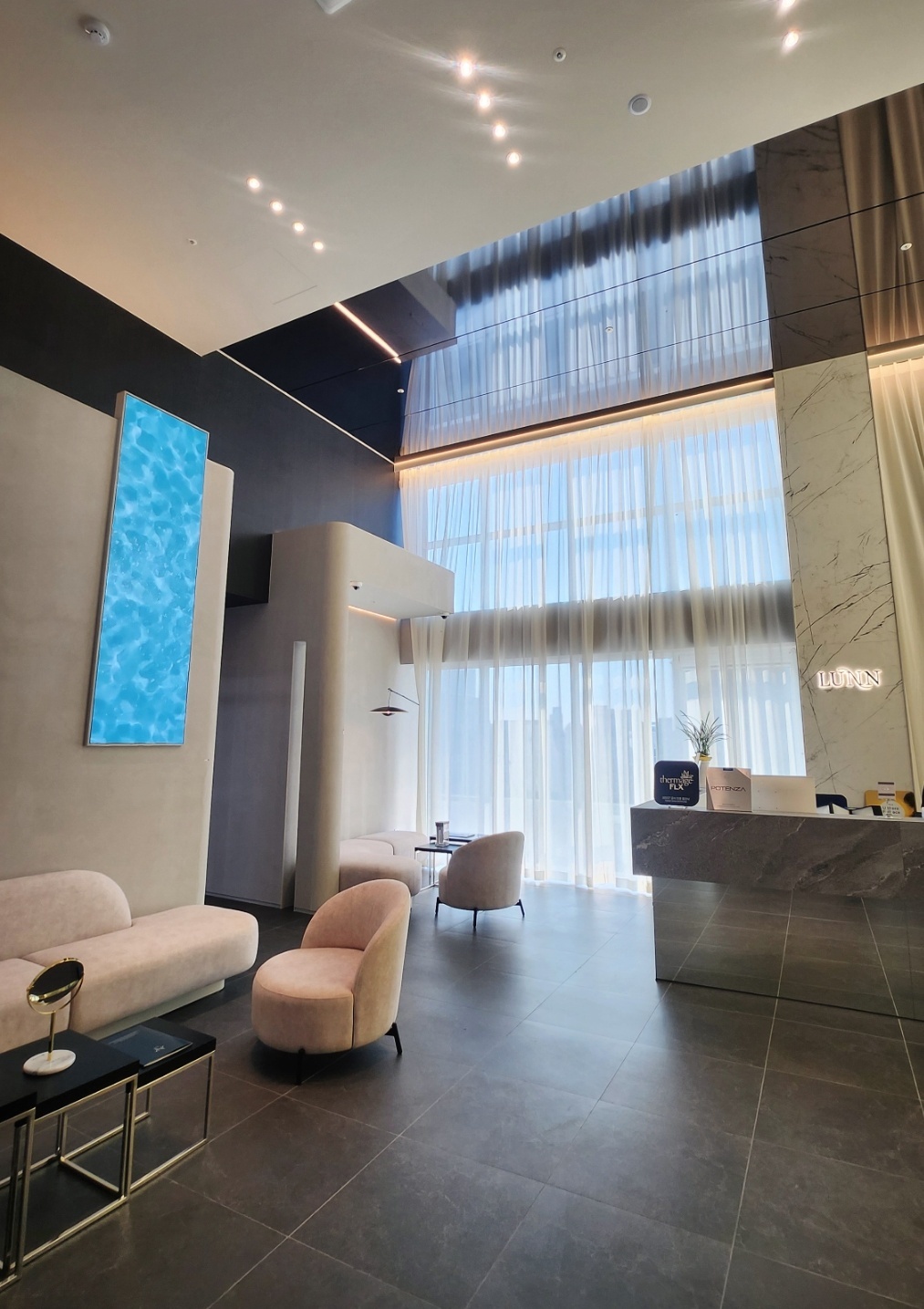
Achieving structural skin harmony in Korea represents a paradigm shift in aesthetic medicine, moving from simple volume additions to precise anatomical adjustments. At Lunn Dermatology Clinic, my philosophy is centered on "Refining the Details," ensuring that every procedure respects the natural balance of the face. This 2026 guide is designed to help you understand how personalized lifting and contouring protocols can restore skin health and structural integrity from within, rather than just masking the symptoms of aging.
Structural Anatomy and Layered Lifting Design
In my practice, I often compare skin rejuvenation to house renovation. Trying to fix surface-level concerns without addressing the foundation is like changing the wallpaper on a crumbling wall. True structural harmony begins with the deep layers. At LUNN, we prioritize a layered design approach, utilizing advanced lifting technologies to target specific tissue depths. This ensures that the results are not just superficial but are anchored in the skin's biological structure, providing a more sustainable and natural appearance.
The Precision of Ultherapy and Thermage Layering
When designing a lifting plan, it is crucial to understand that different technologies serve different anatomical goals. Ultherapy focuses on the deep SMAS (Superficial Muscular Aponeurotic System) layer, effectively acting as a non-surgical foundation lift. In contrast, Thermage FLX provides uniform heating to the dermis, enhancing overall skin elasticity and texture. By layering these treatments, we can address both the deep structural sagging and the superficial skin laxity. In my clinical experience, the key to success is not just the equipment, but the "parameter setting" tailored to the patient’s specific muscle thickness and fat distribution. While these procedures are highly effective, patients should be aware that results depend on individual healing responses, and mild redness or temporary swelling can occur. The goal is always to achieve natural movement without the "over-pulled" look often associated with less precise techniques.
Erasing Shadows: The Art of Under-Eye Fillers
One of the most requested procedures at LUNN is the "Shadow Erasing" strategy for the under-eye area. Many patients believe dark circles are purely a pigmentation issue, but they are often caused by the shadow cast by the tear trough ligament pulling the skin down. To address this, I utilize low-hydrophilic fillers, such as Belotero, which minimize water absorption and significantly reduce the risk of post-procedural swelling or the Tyndall effect (a bluish tint under the skin). By precisely placing the filler to bridge the gap between the cheek and the lower eyelid, we can erase the shadow and make the patient look years younger. However, it is vital to approach this area conservatively. Overfilling can lead to an unnatural appearance when smiling. I always emphasize that "less is more" when it comes to the delicate periocular region, and a touch-up is always preferable to an over-correction.
Synergy in Skin Health: Combining ONDA and Skin Boosters
For patients seeking both volume reduction and skin tightening, the ONDA lifting system provides a unique advantage by utilizing specialized microwaves to target fat cells while stimulating collagen. At LUNN, we often combine this with skin boosters to enhance the overall result. I tell my patients that it’s like watering a parched field before planting; improving the skin’s internal environment with boosters makes the lifting effects of the laser much more pronounced. This synergistic approach helps in achieving a refined jawline while maintaining a healthy, hydrated glow. It is important to note that while these treatments are generally well-tolerated, rare side effects such as localized inflammation or bruising may occur. Following a strict post-care routine, including sun protection and avoiding high-heat environments like saunas for a week, is essential for stabilizing the newly formed collagen and ensuring the best possible outcome.
Precision in Medical Procedures: Beyond Just Equipment
At Lunn Dermatology Clinic, we believe that the doctor’s eye is the most important tool. A premium device in the hands of someone who doesn't understand facial anatomy is just a machine. My role as a specialist is to analyze the 1mm differences in muscle resistance and skin tension that define a patient’s unique appearance. This commitment to detail is what allows us to provide consistent, high-quality results across all procedures, from complex lifting to routine dermatological care.
Targeting the Source: Managing Flat Warts and Viral Spread
Flat warts are a common yet frequently mismanaged condition. Because they are viral, they can spread rapidly through micro-trauma, a process known as the Pseudo-Koebner phenomenon. I often see patients who have inadvertently spread the virus by using facial scrubs or shaving over the affected areas. At LUNN, we use precision lasers not just to remove the visible lesion, but to trigger the local immune response to recognize the virus. Education is a key part of our protocol; I advise all my patients that UV protection is mandatory after treatment, as ultraviolet light can suppress local skin immunity and lead to recurrence. While laser removal is effective, the viral nature of the condition means that multiple sessions may be necessary depending on the patient's immune status. We focus on a thorough initial clearance followed by careful monitoring to ensure long-term resolution.
Dermatological Expertise in Keratosis and Skin Barrier Care
Symptoms like persistent lip scaling or thickened foot calluses are often dismissed as simple dryness, but they can sometimes indicate underlying conditions like contact cheilitis or hyperkeratotic tinea (fungal infection). During my residency, I authored research on these specific conditions, and I bring that academic rigor to every diagnosis at LUNN. Using improper exfoliating tools on the feet, for instance, can damage the skin barrier and worsen the condition. I recommend a diagnostic-first approach, identifying whether the issue is inflammatory or infectious before starting treatment. Whether it’s recommending a simple petrolatum-based balm for lips or a targeted antifungal protocol for feet, the goal is to restore the skin’s natural barrier function. Patients should understand that chronic conditions require patience and adherence to the prescribed topical regimen for the best results.
The Science of Persistence: Laser Hair Removal Protocols
Laser hair removal is often viewed as a commodity, but achieving permanent hair reduction requires a deep understanding of the hair growth cycle. We only target hair in the "anagen" (growth) phase, which is why treatments must be spaced 4 to 8 weeks apart. At LUNN, we don't use a one-size-fits-all setting. We adjust the energy parameters based on the thickness of the hair and the sensitivity of the skin to prevent folliculitis and maximize efficacy. For men, this means freedom from daily shaving and the irritation it causes; for women, it offers a smoother alternative to painful waxing. Common side effects include temporary folliculitis or mild redness, which typically subside quickly with proper cooling and post-care. Success in laser hair removal is a partnership between the doctor’s technical precision and the patient’s commitment to the recommended schedule.
A Specialist’s 2026 Guide to Structural Skin Rejuvenation in Korea: Achieving Harmony at LUNN
Clinical Considerations for Safety and Efficacy in Seoul
Safety is the non-negotiable foundation of everything we do at Lunn Dermatology Clinic. While modern dermatological procedures are safer than ever, they are still medical interventions that require expert oversight. Ensuring that every patient is a suitable candidate through a detailed consultation is the first step in preventing complications and achieving the natural, refined look that our clinic is known for.
Identifying Suitable Candidates for Structural Procedures
Not every treatment is right for every patient. A person in their 30s seeking preventative care will have a very different protocol than a patient in their 50s looking for significant structural restoration. At LUNN, I personally conduct every consultation to evaluate skin thickness, fat volume, and even bone structure. For example, patients with significant skin sagging may not be ideal candidates for fillers alone and may require a combination of lifting lasers. We also carefully screen for contraindications, such as active infections or specific autoimmune disorders, to ensure patient safety. Setting realistic expectations is a core part of my "honest expert" persona; if I believe a treatment will not provide the result a patient desires, I will say so plainly. This honesty builds the trust necessary for a successful long-term doctor-patient relationship.
Managing Expectations and Potential Side Effects
Every medical procedure carries inherent risks, and at LUNN, we believe in full transparency. Common side effects like erythema (redness), edema (swelling), or minor bruising are generally temporary and part of the skin's natural healing process. However, more serious risks, though rare, can include burns, nerve sensitivity, or infection if post-care is neglected. My role is to minimize these risks through precise technique and high-quality equipment, but patients must also play their part. Individual results can vary significantly based on lifestyle factors such as smoking, sun exposure, and overall health. By providing clear pre- and post-procedural instructions, we work together to ensure that the recovery process is as smooth as possible, allowing patients to return to their daily lives with confidence.
Post-Procedure Care Protocols for Lasting Results
The work doesn't end when the laser is turned off. The week following a procedure is critical for maximizing the results. I emphasize that while the clinic provides the "structural renovation," the patient provides the "maintenance." This includes using gentle cleansers, staying hydrated, and avoiding any irritants like retinol for several days. At LUNN, we provide specialized post-care guidance to help soothe the skin and protect it from UV damage, which is the leading cause of post-inflammatory hyperpigmentation. I often tell my patients, "I do 70% of the work in the clinic, and you do the remaining 30% at home." This collaborative approach ensures that the new collagen is stabilized and that the refined details we’ve worked on remain visible for as long as possible.
A Specialist's 2026 Guide to Dr. Hyungkwon Park: Precision Dermatology at LUNN
A Specialist's 2026 Guide to Luxury Dermatology Clinic Cheongdam: Refining the Details
Frequently Asked Questions
Q. How does LUNN’s approach to lifting differ from other clinics?
Our approach is centered on "Structural Harmony" and "Refining the Details." Rather than just using a machine at a standard setting, I personally analyze each patient's facial anatomy to set custom parameters for Ultherapy, Thermage, or ONDA. We focus on a layered design to ensure a natural, non-surgical lift that respects the patient’s unique features.
Q. Will under-eye fillers make my face look puffy?
At LUNN, we use a "Shadow Erasing" strategy using low-hydrophilic fillers like Belotero. This specific type of filler is designed to stay in place without absorbing excessive water, which minimizes the risk of puffiness or a heavy look. My philosophy is to be conservative, ensuring a natural transition between the eyes and cheeks.
Q. Why do I need multiple sessions for flat wart removal?
Flat warts are viral in nature. While a laser can remove the visible wart, the underlying virus can sometimes persist or spread through micro-trauma (Pseudo-Koebner phenomenon). Multiple sessions and strict immune support, including UV protection, are often necessary to ensure the virus is fully cleared and to prevent recurrence.
Q. Is laser hair removal at LUNN really permanent?
Laser hair removal significantly reduces hair growth by targeting the follicle during the anagen phase. While it is highly effective, no laser can guarantee 100% removal for every individual forever, as hormonal changes can trigger new growth. However, most patients achieve long-term smoothness with a complete initial cycle and occasional maintenance.
Q. What are the most common side effects of lifting lasers?
Patients typically experience mild redness and slight swelling for 24 to 48 hours. In some cases, there may be temporary tenderness or minor bruising. These are normal signs that the tissue is responding to the treatment. We provide comprehensive post-care instructions to manage these symptoms effectively.
Q. Can I get fillers and lifting lasers on the same day?
In many cases, yes. We often combine treatments for a synergistic effect, such as using ONDA for contouring and skin boosters for hydration. However, the sequence and timing depend on your specific skin condition, which we determine during your personalized consultation.
Q. How long do the results of a structural lifting treatment last?
Results typically peak at 3 to 6 months as new collagen forms and can last 6 to 18 months depending on the technology used and individual aging factors. We recommend a maintenance plan to sustain the structural integrity of the skin over the long term.
Key Takeaways
- LUNN focuses on "Refining the Details" through structural facial analysis and personalized lifting designs.
- Layered lifting (Ultherapy + Thermage) addresses both deep sagging and superficial skin laxity for natural harmony.
- The "Shadow Erasing" filler technique utilizes low-hydrophilic products to refresh the under-eye area without puffiness.
- Managing viral conditions like flat warts requires both precision laser treatment and patient education on preventing spread.
- Every procedure at LUNN is performed by Dr. Hyungkwon Park, ensuring consistent, expert-led care from consultation to recovery.
Visit LUNN for a personalized consultation to explore how our precision dermatology approach can enhance your natural beauty. For more insights into our philosophy of harmony, follow us on Threads @dr.lunn.
LUNN / Dr. Hyungkwon Park
FAQ
- What exactly is stem cell skin therapy and how does it work?
- Stem cell skin therapy involves using growth factors, exosomes, or specialized cells to stimulate the skin's natural regenerative processes. By delivering these signaling molecules to the dermis, the treatment enhances collagen production and repairs damaged tissue at a cellular level, leading to improved elasticity and texture.
- Are the results of stem cell therapy permanent?
- While the biological improvements in skin quality are long-lasting because they involve actual tissue remodeling, the natural aging process continues. Periodic maintenance sessions are often recommended every 6 to 12 months, depending on individual skin conditions, to sustain the regenerative effects over the long term.
- Is there significant downtime after a stem cell skin procedure in Korea?
- Downtime is typically minimal compared to surgical options. Most patients experience mild redness or slight swelling for 24 to 48 hours, although individual recovery times may vary depending on the specific delivery method used, such as microneedling or precision injections.
- How does stem cell therapy differ from PDRN or salmon DNA injections?
- PDRN focuses on specific DNA fragments primarily for rapid tissue repair and inflammation reduction. In contrast, stem cell therapy—particularly exosome therapy—uses a much broader range of complex signaling molecules and growth factors for comprehensive, multi-layer skin rejuvenation and collagen synthesis.
- Is stem cell skin therapy safe for all skin types?
- Generally, yes, as many treatments utilize biocompatible materials or autologous cells. However, a detailed consultation with a dermatology specialist at lunnclinic is essential to assess your specific sensitivities and medical history to ensure the treatment is appropriate for your unique skin profile.
- When will I start to see visible improvements in my skin?
- Initial improvements in skin hydration and luminosity are often noticed within a week of the procedure. However, the full regenerative effects of collagen remodeling typically peak between 4 to 8 weeks as the new structural proteins integrate into the skin's matrix.
- What are the potential side effects I should be aware of?
- Common side effects are temporary and include mild redness, minor bruising at injection sites, or slight swelling. In rare cases, localized sensitivity may occur. Clinical supervision by a board-certified dermatologist is crucial to manage these symptoms and ensure a safe recovery.