
Post
A Specialist's 2026 Guide to Customized Multilayer Laser Lifting: Balancing Depth and Harmony
Hello, I am Dr. Park Hyungkwon, a board-certified dermatologist practicing in Cheongdam. Today, I want to share a comprehensive medical perspective on customized multilayer laser lifting, a precise approach designed to refine skin structure by targeting distinct tissue depths.
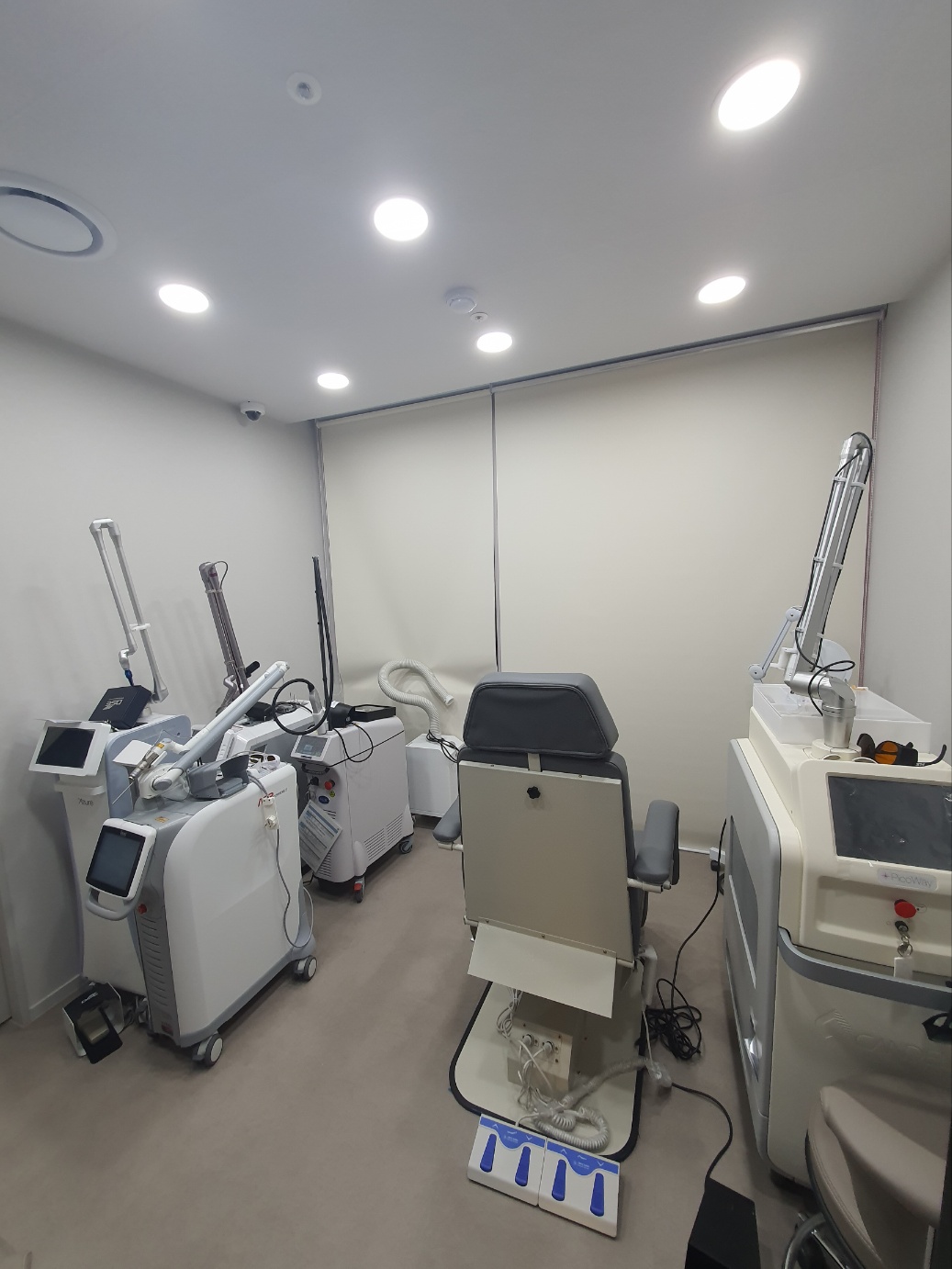
Achieving structural harmony requires analyzing individual facial variations rather than applying uniform energy across every patient.
Understanding Customized Multilayer Laser Lifting
Customized multilayer laser lifting represents a sophisticated non-surgical rejuvenation methodology that sequentially addresses multiple anatomical tiers of the face to restore structural integrity. By treating both superficial and deep tissue layers, this approach ensures a comprehensive modification of the aging matrix rather than merely tightening the surface skin.
The Core Principle of Multi-Depth Skin Rejuvenation
Medical observations indicate that facial aging occurs across three distinct structural levels, meaning that single-depth interventions often yield suboptimal clinical results. At LUNN, the core operational model relies on deploying precise thermal energy to depths ranging from 1.5mm to 4.5mm beneath the epidermal surface. This targeted delivery allows clinicians to initiate a coordinated healing response that addresses the distinct physiological changes occurring at each depth. Clinical data suggests that thermal remodeling at these specific coordinates can stimulate a substantial increase in type I collagen synthesis over a twelve-week period. This specific methodology ensures that structural support is systematically rebuilt from the foundational structural layers upward. However, patients must recognize that immediate changes are typically minimal, as the biological process of collagen synthesis requires a maturation period of approximately three to six months to become fully apparent across the treated anatomical zones.
Why One-Size-Fits-All Energy Delivery Fails Aging Skin
Standardized, uniform energy protocols frequently overlook the significant variations in dermal thickness, which can range from 0.5mm to over 2.5mm depending on the specific facial quadrant. When a clinician applies an identical energy level across diverse tissue profiles, the risk of delivering inadequate thermal energy or inducing unintended thermal stress rises significantly. At LUNN, we reject generic settings because excessive energy in thin anatomical zones can cause fat atrophy, while insufficient energy in thicker regions fails to induce proper tissue remodeling. Studies demonstrate that a customized multilayer laser lifting framework minimizes these specific risks by adjusting energy frequencies to match individual tissue impedance. This precise personalization helps mitigate the incidence of superficial burns or prolonged edema while optimizing the overall therapeutic outcome. It is crucial to remember that achieving facial harmony depends entirely on respecting these subtle variations, and individual responses to customized energy protocols will naturally vary based on pre-existing skin conditions.
The Science of Targeting Multiple Anatomy Layers
The science behind targeting multiple anatomical layers involves delivering precise thermal energy to specific depths where critical structural proteins reside. By carefully mapping the tissue architecture, dermatologists can stimulate a comprehensive cellular response that spans from the visible superficial dermis down to the deep musculoaponeurotic system.
Stimulating Fibroblasts in the Superficial and Deep Dermis
The dermal layer comprises the superficial papillary dermis and the deeper reticular dermis, housing approximately 80 percent of the skin's natural collagen network. Utilizing targeted thermal energy at depths of 2.0mm and 3.0mm directly affects the fibroblasts responsible for producing essential structural proteins like collagen and elastin. At LUNN, our specialized customized multilayer laser lifting treatments focus on achieving a sustained thermal reaction between 60 and 70 degrees Celsius within these dermal layers. This precise temperature range triggers a controlled wounding response, leading to micro-vascular contraction and subsequent neocollagenesis over several weeks. Patients should note that while this process helps refine texture and address superficial laxity, mild erythema and transient swelling are common secondary responses that typically subside within 48 to 72 hours. To maintain these dermal improvements over an extended duration, a strategic longitudinal care plan is generally recommended for optimal long-term tissue stability.
Addressing Laxity at the SMAS and Deep Fascial Levels
Structural sagging is heavily influenced by the relaxation of the superficial muscular aponeurotic system, commonly referred to as the SMAS layer, which lies approximately 4.5mm below the skin surface. Traditional surface therapies cannot penetrate this deep fascial structure, meaning deep tissue laxity remains largely unaddressed without appropriate depth-specific technology. Through a customized multilayer laser lifting regimen, micro-focused energy safely reaches this structural foundation to create precise thermal coagulation points. This targeted thermal stress induces immediate contraction of the fibromuscular tissue, providing an essential anchor for the overlying dermal layers. At LUNN, we emphasize that targeting the SMAS layer requires exceptional anatomical precision to protect underlying nerves and deep vascular networks. While this deep-layer intervention provides important structural support, it is important to clarify that non-surgical options do not replicate the dramatic repositioning achieved through an invasive surgical facelift, and individual results remain subject to baseline anatomical constraints.
Comparing Multilayer Lifting with Traditional Single-Layer Techniques
Comparing multilayer lifting with traditional single-layer techniques highlights the clinical evolution from treating superficial skin surfaces to managing the entire three-dimensional facial architecture. This comparative analysis demonstrates how expanding thermal coverage across multiple depths alters the safety profile and the overall nature of tissue remodeling.
Key Differences in Treatment Precision and Tissue Coverage
Different lifting approaches utilize distinct energy delivery mechanisms based on clinical objectives. While single-layer methods focus energy at a specific target depth, a multilayer approach distributes energy across different dimensions to manage tissue coverage. This multi-depth framework allows for a distributed thermal profile across the selected anatomical layers, with individual responses varying depending on the patient's skin condition and the specific parameters selected. At LUNN, we utilize these multi-depth parameters to achieve uniform tissue adaptation without overstressing the delicate epidermal layer. Clinical evaluations indicate that distributing thermal energy across multiple depths allows for a more balanced physiological response throughout the treated zones. However, this sophisticated approach requires a deeper understanding of facial anatomy, and patients may experience varying degrees of transient tenderness depending on the specific energy distribution utilized during their procedure.
A Comprehensive Evaluation Matrix of Modalities
To assist individuals in understanding the functional characteristics of various non-invasive structural treatments, we have compiled an objective matrix detailing specific operational parameters. This evaluation highlights how different depths, energy levels, and targeting mechanisms influence tissue interactions across the facial layers. For those seeking comprehensive structural improvements, incorporating a specialized approach like A Specialist's 2026 Guide to Non-Invasive Jawline Lifting: Achieving Structural Harmony can help clarify how depth-specific technologies address distinct areas of laxity. At LUNN, our clinical assessments emphasize that no single modality is universally superior, rather, the ideal configuration depends entirely on the patient's individual tissue characteristics. Every energy-based treatment carries inherent limitations, including the necessity for periodic maintenance sessions to counter the natural progression of chronological aging. Reviewing a detailed comparison table can provide realistic expectations regarding recovery timelines, potential tissue responses, and the general scope of non-surgical structural harmonization protocols.
| Parameter | Single-Layer Approach | Multilayer Approach |
|---|---|---|
| Target Depths | Focused at a single designated depth | Distributed across multiple designated depths |
| Energy Delivery | Concentrated within a specific layer | Sequentially applied across selected levels |
| Primary Objective | Localized tissue targeting | Broad multi-level tissue management |
| Potential Responses | Temporary redness or mild swelling | Temporary mild erythema and edema |
| Clinical Consideration | Intervals vary by individual skin condition | Intervals vary by individual skin condition |
The Bespoke Treatment Approach at LUNN Clinic
The bespoke treatment approach at LUNN focuses on conducting a meticulous structural evaluation of each patient's facial architecture prior to initiating any energy-based therapy. This rigorous assessment ensures that every customized multilayer laser lifting protocol aligns precisely with the individual's unique biological and anatomical characteristics.
Evaluating Facial Contours and Skin Thickness
An effective lifting strategy begins with a precise measurement of dermal density and subcutaneous fat distribution across different regions of the face. For instance, the skin around the periorbital region is significantly thinner than that of the malar area, requiring entirely different energy parameters to ensure patient safety. At LUNN, we perform a detailed digital and manual palpation analysis to map these exact variations before selecting specific treatment depths. Understanding these structural boundaries helps prevent complications such as deep tissue scarring or unintended fat volume reduction in hollow areas. For an in-depth exploration of personalized structural design, patients can consult A Specialist's 2026 Guide to Customized Skin Lifting and Harmonization in Korea to understand how tailored dermatological programs operate. This structural mapping forms the foundation of our clinical decision-making, ensuring that energy delivery respects the delicate natural contours of the face.
Designing a Personalized Energy and Depth Strategy
Once the initial structural mapping is complete, a highly tailored matrix of energy levels and delivery depths is developed for the patient. This strategy often involves combining different modern technologies, as outlined in A Specialist's 2026 Guide to Ultherapy and Thermage Treatment: Achieving Facial Harmony at LUNN, to address both skin laxity and volume refinement simultaneously. At LUNN, the primary objective of a customized multilayer laser lifting program is to optimize energy delivery while keeping discomfort within manageable limits. We carefully adjust the total shot count and energy density across the 1.5mm, 3.0mm, and 4.5mm vectors to achieve balanced structural tightening. Patients must be fully aware that individual healing rates differ, and a multi-session approach may be required to achieve the desired level of structural harmonization. This personalized planning reflects our commitment to medical precision, avoiding generic settings in favor of a thoughtful, evidence-based treatment path.
Patient Safety, Potential Side Effects, and Maintenance Realities
Patient safety, potential side effects, and maintenance realities represent essential clinical considerations that every individual must understand before undergoing advanced energy-based treatments. Open communication regarding post-treatment tissue responses ensures a predictable recovery phase and fosters realistic expectations regarding long-term structural maintenance.
Understanding Expected Responses: Erythema, Edema, and Temporary Tenderness
Following a customized multilayer laser lifting session, certain temporary physiological responses are considered normal indicators of a stimulated tissue remodeling process. Most patients may experience temporary mild erythema and localized edema immediately after the procedure due to the targeted thermal energy delivered to the dermis, though individual skin responses naturally vary. This swelling is generally self-limiting and resolves within three to five days without requiring intensive medical intervention. Additionally, temporary deep tissue tenderness or a mild tingling sensation may persist for two to four weeks as the SMAS layer undergoes thermal contraction. At LUNN, we provide clear post-treatment protocols, including the avoidance of extreme heat and diligent application of broad-spectrum sun protection with an SPF of 30 or higher. While rare complications like minor blistering or temporary hyperpigmentation can occur, they are typically manageable through professional dermatological follow-up care and appropriate topical interventions.
Managing Limitations and the Necessity of Long-Term Maintenance Plans
It is clinically important to state that non-invasive energy-based therapies do not halt the natural, ongoing process of biological aging. While a customized multilayer laser lifting protocol provides significant structural support and enhances dermal density, these improvements gradually adjust over time as natural collagen degradation continues. At LUNN, we design individual maintenance schedules, typically recommending a follow-up assessment every six to twelve months to sustain structural harmony. The overall longevity of the clinical effects depends heavily on lifestyle factors, metabolic rates, and baseline skin health, meaning that experiences will vary from person to person. We emphasize that non-surgical treatments have clear anatomical limitations and cannot achieve the dramatic tissue repositioning seen with surgical options for advanced skin sagging. Establishing a consistent, long-term care plan remains the most reliable strategy for managing expectations and supporting lasting structural health over the years.
Key Takeaways
- Multi-Depth Focus: Customized multilayer laser lifting systematically targets the dermis and the deep SMAS layers to address structural laxity.
- Anatomical Personalization: Energy protocols are meticulously adjusted based on individual skin thickness to avoid structural complications.
- Predictable Recovery: Most patients may experience temporary mild redness and swelling, which typically resolve within a few days, depending on individual healing rates.
- Maintenance Required: Ongoing biological aging necessitates longitudinal follow-up care plans every six to twelve months for sustained tissue stability.
Frequently Asked Questions
Q. What is customized multilayer laser lifting?
Customized multilayer laser lifting is an advanced non-invasive rejuvenation strategy that utilizes specific energy wavelengths to target distinct layers of the skin. This procedure delivers thermal energy from the superficial epidermis down to the deep SMAS layer, tailored specifically to an individual's unique anatomical needs. It focuses on comprehensive tissue tightening rather than temporary surface modification.
Q. How does this procedure target different tissue depths?
By utilizing multiple specialized transducers or adjustable device parameters, the practitioner delivers precise thermal energy to varying depths within the skin layers. This ensures that both superficial lines in the dermis and deep structural sagging at the SMAS level are addressed simultaneously during a single treatment session. The energy configuration is modified manually to correspond with the patient's measured tissue thickness.
Q. What are the common side effects and risks involved?
Patients commonly experience mild erythema, localized swelling, and temporary deep tissue tenderness in the treated areas following the procedure. While rare, potential complications can include superficial blistering or temporary alterations in pigmentation, which are manageable through clinical follow-up care. These standard tissue responses typically subside spontaneously within a predictable timeframe.
Q. How much does a customized multilayer laser lifting session cost?
The total cost varies significantly based on the specific device combinations used, the total energy shot count required, and the inherent complexity of the patient's facial architecture. Detailed pricing details are provided exclusively following a comprehensive clinical evaluation of your structural skin health. This personalized approach avoids generic package pricing in favor of tailored therapy.
Q. Can this treatment replace a surgical facelift?
While this non-invasive approach offers substantial tissue tightening and contouring for individuals experiencing mild-to-moderate structural laxity, it cannot replicate the dramatic anatomical repositioning achieved through surgical facelift interventions. It serves as an effective option for those seeking structural maintenance without undergoing invasive surgery. Understanding these distinct limitations helps ensure realistic expectations.
Q. What is the expected recovery timeline after the procedure?
Most individuals experience immediate mild swelling or redness that typically resolves within three to five days under normal healing conditions. Complete avoidance of extreme thermal exposure, such as saunas, and the diligent application of broad-spectrum sun protection are strongly recommended during the initial healing phase. Patients are generally able to resume regular daily activities immediately.
Q. How many sessions are required to maintain the lifting effects?
Initial structural changes become visible as the biological process of collagen remodeling progresses over several months, though individual response rates will naturally vary. Periodic maintenance assessments are generally recommended every six to twelve months to sustain these structural improvements against the continuous progression of natural chronological aging. A long-term care strategy supports consistent results over time.
For inquiries regarding personalized structural treatment paths, please consult a qualified dermatological specialist. Lunn Dermatology Clinic / Dr. Park Hyungkwon. Feel free to connect via Threads @dr.lunn for ongoing clinical insights.
FAQ
- What is customized multilayer laser lifting?
- Customized multilayer laser lifting is an advanced non-invasive rejuvenation strategy that utilizes specific energy wavelengths to target distinct layers of the skin. This procedure delivers thermal energy from the superficial epidermis down to the deep SMAS layer, tailored specifically to an individual's unique anatomical needs. It focuses on comprehensive tissue tightening rather than temporary surface modification.
- How does this procedure target different tissue depths?
- By utilizing multiple specialized transducers or adjustable device parameters, the practitioner delivers precise thermal energy to varying depths within the skin layers. This ensures that both superficial lines in the dermis and deep structural sagging at the SMAS level are addressed simultaneously during a single treatment session. The energy configuration is modified manually to correspond with the patient's measured tissue thickness.
- What are the common side effects and risks involved?
- Patients commonly experience mild erythema, localized swelling, and temporary deep tissue tenderness in the treated areas following the procedure. While rare, potential complications can include superficial blistering or temporary alterations in pigmentation, which are manageable through clinical follow-up care. These standard tissue responses typically subside spontaneously within a predictable timeframe.
- How much does a customized multilayer laser lifting session cost?
- The total cost varies significantly based on the specific device combinations used, the total energy shot count required, and the inherent complexity of the patient's facial architecture. Detailed pricing details are provided exclusively following a comprehensive clinical evaluation of your structural skin health. This personalized approach avoids generic package pricing in favor of tailored therapy.
- Can this treatment replace a surgical facelift?
- While this non-invasive approach offers substantial tissue tightening and contouring for individuals experiencing mild-to-moderate structural laxity, it cannot replicate the dramatic anatomical repositioning achieved through surgical facelift interventions. It serves as an effective option for those seeking structural maintenance without undergoing invasive surgery. Understanding these distinct limitations helps ensure realistic expectations.
- What is the expected recovery timeline after the procedure?
- Most individuals experience immediate mild swelling or redness that typically resolves within three to five days under normal healing conditions. Complete avoidance of extreme thermal exposure, such as saunas, and the diligent application of broad-spectrum sun protection are strongly recommended during the initial healing phase. Patients are generally able to resume regular daily activities immediately.
- How many sessions are required to maintain the lifting effects?
- Initial structural changes become visible as the biological process of collagen remodeling progresses over several months, though individual response rates will naturally vary. Periodic maintenance assessments are generally recommended every six to twelve months to sustain these structural improvements against the continuous progression of natural chronological aging. A long-term care strategy supports consistent results over time.