
Post
Does the Dilution Ratio of Botox Affect Its Longevity? A 2026 Professional Perspective
Botox dilution, or reconstitution, is the process of mixing botulinum toxin with saline to determine its concentration and spread.
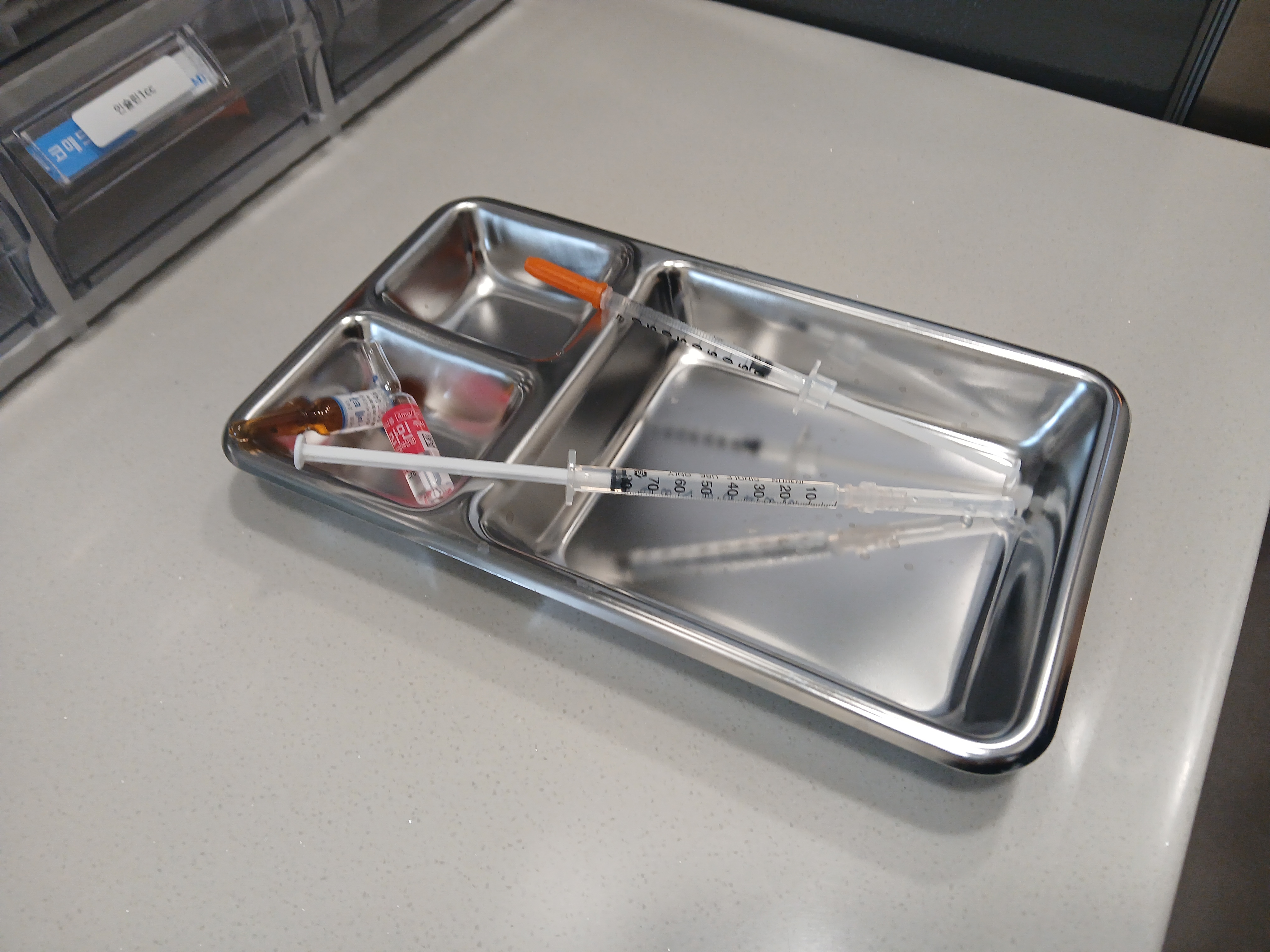
Understanding this ratio is essential for achieving precise aesthetic results while minimizing potential side effects. In this guide, I will explain the principles behind these preparations and how we customize them for our patients.
Welcome to LUNN. I am Dr. Hyung-kwon Park, a board-certified dermatologist specializing in non-surgical facial harmony. In the sophisticated clinical environment of Cheongdam and Apgujeong Rodeo, we focus on the '1mm difference' that creates natural elegance. Many patients ask whether a more concentrated solution lasts longer or if a diluted one is less effective. Let us explore the clinical logic together.
Understanding Botox Dilution and Its Scientific Foundation
Botox reconstitution refers to the process of mixing the freeze-dried botulinum toxin powder with a sterile saline solution to create an injectable liquid. This step is critical because it dictates the final concentration of the medication and how the molecules interact with the muscle tissue upon injection.
What is Botox Reconstitution and Why Does It Matter?
Reconstitution is the essential clinical step where botulinum toxin type A is dissolved into a sterile saline solution for administration. At LUNN, we focus on the precise ratio because it determines the physical volume injected into the target site. While manufacturers provide general guidelines, specialists often adjust this ratio to achieve specific aesthetic goals. At LUNN, rather than following a generic formula, we utilize a 4-step adjustment protocol: evaluating the injection location, dose, concentration, and injection depth. If the ratio is not carefully managed, the toxin may spread beyond the intended muscle fibers, potentially leading to unintended effects. Conversely, a precisely concentrated solution allows for localized treatment with minimal migration. This delicate balance is why the reconstitution phase is a foundational component of expert facial design.
How Dilution Ratios Impact Botox Longevity and Diffusion
Dilution ratios influence the physical behavior of the toxin within the muscular tissue, affecting both the precision of the targeted area and the potential for lateral migration. The volume of saline used acts as a vehicle for the active protein, determining its reach.
The Relationship Between Liquid Volume and Muscle Spread
The volume of liquid injected into the muscle affects how far the botulinum toxin travels through the tissue after the procedure. In clinical dermatology, this movement is known as diffusion. When a larger volume of diluted solution is used, the liquid can push the toxin particles several millimeters away from the initial injection site. This can be beneficial in areas where a broad, soft effect is desired, but it can be problematic in areas where precision is vital. Managing this spread is essential to avoiding an unnatural or "frozen" look. Our approach focuses on tailoring the volume to the specific anatomical region and the individual's muscle strength.
Does a Higher Concentration Lead to Longer Lasting Results?
A frequent question among patients is whether using a stronger solution will make the results last longer than the typical three to four months. In principle, longevity is primarily dictated by the total number of units delivered to the muscle receptors rather than the volume of saline used. For instance, injecting 20 units of Botox will generally yield a similar duration of effect whether those units are dissolved in a smaller or larger volume of solution. However, concentration can influence how effectively those units saturate the motor endplates. If a solution is too diluted for a strong muscle, the units may disperse too widely, failing to completely block the muscle signals in the center. At LUNN, we believe that while concentration affects precision, individual factors—such as muscle mass and the patient's unique biological response—play significant roles in how long the effect is sustained.
Comparing High Concentration vs. High Dilution Strategies
Selecting the appropriate strategy requires a balance between the need for localized muscle relaxation and the desire for a broad, natural-looking diffusion. Different facial areas and skin concerns require varying approaches to aim for natural aesthetic results, though individual outcomes vary.
| Feature | Concentrated Botox | Hyper-Diluted (Skin Botox) |
|---|---|---|
| Primary Target | Deep muscles (Masseter, Glabella) | Superficial dermis, pores |
| Diffusion Level | Minimal, highly localized | Broad, uniform spread |
| Aesthetic Goal | Structural contouring | Texture improvement, skin refinement |
| Typical Use Case | Jawline reduction, deep frown lines | Fine lines, pore reduction |
| Precision | Very high | Moderate |
Structural Contouring vs. Superficial Refinement
Comparing the use of concentrated Botox for structural contouring versus hyper-diluted techniques reveals distinct clinical advantages for each strategy. Concentrated ratios are typically used for the masseter muscles or deep glabellar lines, where a high unit density is required to address robust muscle fibers effectively. In contrast, hyper-dilution involves treating the superficial dermis rather than the deep muscle. This technique, often referred to as Skin Botox, aims to improve skin texture and reduce the appearance of pores without fully paralyzing facial expressions. By delivering the treatment across a wider surface area, we can achieve a refreshed look that maintains natural movement. Each method serves a specific purpose in a comprehensive facial rejuvenation plan, as discussed in Why Structural Lifting Should Be the Foundation Before Volume Restoration: A 2026 Clinical Perspective.
Dermatologist-Led Facial Design: Beyond the Dilution Ratio
Advanced facial rejuvenation involves more than just selecting a dilution ratio; it requires a deep understanding of facial anatomy and the interplay between different treatment modalities. A holistic design approach ensures every injection contributes to a balanced appearance.
Why Expertise in Apgujeong Rodeo Matters
Choosing a specialized clinic in the Apgujeong Rodeo or Cheongdam area ensures your treatment is handled by a physician who understands the nuances of facial anatomy. At LUNN, every procedure begins with a detailed "state analysis"—manually checking muscle thickness, wrinkle depth, and fat volume. We do not believe in a one-size-fits-all approach. Instead, we customize the reconstitution process to match the 1mm difference that defines sophisticated results. This level of precision reflects our philosophy, where we prioritize a personalized approach that respects the natural contours of the face, emphasizing The Impact of Physician Consistency: Personal Care from Consultation to Procedure at LUNN.
Safety Protocols and Managing Expectations at LUNN
Standardized safety protocols are essential to minimize risks and ensure that patients have a clear understanding of the potential outcomes. Consistency in preparation and administration is the key to predictable results.
Personalized Analysis for Optimal Patient Safety
Patient safety is the highest priority at LUNN, and this begins with our rigorous pre-treatment analysis. Because every individual has different muscle resistance, we adjust the location, dose, and depth for each case. While the risk of serious complications is low, patients must be aware that individual responses can vary. Some may experience temporary bruising, swelling, or mild headaches, which usually resolve within a few days. We also believe in a "conservative approach"—it is often better to use a precise, appropriate amount and monitor the progress rather than over-injecting. We provide every patient with a follow-up plan to support their aesthetic goals, while noting that maintenance and individual response play key roles.
Frequently Asked Questions
Q. Does a higher dilution ratio make Botox wear off faster?
Longevity is primarily determined by the total number of units injected rather than the dilution ratio itself. However, if the solution is too diluted for a specific muscle's strength, it may not provide the desired level of relaxation, which can affect the perceived duration. Individual factors like muscle mass also play a role.
Q. What are the common side effects associated with Botox injections?
While generally well-tolerated, patients may experience localized bruising, swelling, or temporary headaches. In rare cases, diffusion into unintended muscles can lead to temporary asymmetry. These risks can be minimized through a precise injection technique and a thorough anatomical analysis.
Q. Can I combine Botox with a thread lift at LUNN?
Yes, combining Botox with a thread lift is a common approach. While Botox relaxes dynamic wrinkles by calming muscle activity, a thread lift provides mechanical lifting for sagging tissue. This combination offers a synergistic effect for facial harmony. We often say that structure (lifting) should be established before fine-tuning with other treatments.
Q. How long do the results of a typical Botox treatment last?
For most patients, the effects last between three to four months. Factors such as the area treated, the dose administered, and the patient's lifestyle can cause results to vary. Regular maintenance is recommended to sustain the result, as the body gradually restores muscle function over time.
Q. Is there any downtime after receiving Botox in Apgujeong Rodeo?
Botox involves minimal downtime for the majority of patients. Most individuals can return to their daily activities immediately. However, it is advised to avoid strenuous exercise and saunas for a short period post-injection to ensure the solution settles correctly.
Q. Does the brand of botulinum toxin affect the results?
While the core mechanism is similar across brands, different products may have specific characteristics. At LUNN, we focus on the "4-step adjustment" regardless of the brand used, ensuring that the dose and concentration are tailored to the patient's specific muscle condition and desired outcome.
Q. How do I know if I need a customized skin program instead of just Botox?
Botox specifically targets muscle-induced wrinkles. If your concerns include deep volume loss or significant sagging, a program incorporating fillers or lifting lasers like Ultherapy or Thermage may be more effective. A consultation is necessary to design a plan that addresses your unique skin layers.
Key Takeaways
- Botox longevity is determined by the total units delivered, not just the volume of saline.
- Dilution ratios affect the diffusion and spread of the toxin; customization is essential for precision.
- LUNN utilizes a 4-step adjustment protocol (location, dose, concentration, depth) for natural results.
- Individual muscle mass and biological response are key variables in treatment duration.
- A conservative, professional approach in Apgujeong Rodeo helps avoid an artificial or frozen appearance.
LUNN / Dr. Hyung-kwon Park
FAQ
- Does a higher dilution ratio make Botox wear off faster?
- Longevity is primarily determined by the total number of units injected rather than the dilution ratio itself. However, a highly diluted solution may diffuse more easily into unintended muscles, which can affect the perceived quality and duration of the result. Individual metabolic rates also play a significant role in how long the effect lasts.
- What are the common side effects associated with Botox injections?
- While generally well-tolerated, patients may experience localized bruising, swelling, or temporary headaches. In some cases, unexpected diffusion can lead to eyelid drooping or asymmetry, which is why precise injection technique is vital. These risks vary based on the injection technique and the individual's unique anatomy.
- Can I combine Botox with a thread lift at a Seoul dermatology clinic?
- Yes, combining Botox with a thread lift is a common approach for non-surgical facial rejuvenation. While Botox relaxes dynamic wrinkles by calming muscle activity, a thread lift provides mechanical lifting for sagging skin. This combination offers a synergistic effect for jawline refinement and overall facial harmony.
- How long do the results of a typical Botox treatment last?
- For most patients, the effects of Botox last between three to four months before muscle movement gradually returns. Factors such as the area treated, the dose administered, and the patient's muscle mass and lifestyle can cause results to vary. Regular maintenance treatments are often recommended to sustain the desired aesthetic outcome.
- Is there any downtime after receiving Botox in Apgujeong Rodeo?
- Botox is often referred to as a lunchtime procedure because it involves minimal downtime for the majority of patients. Most individuals can return to their daily activities immediately after the session. However, it is advised to avoid strenuous exercise and lying down for several hours post-injection to prevent the solution from migrating.
- Does the brand of botulinum toxin affect the dilution requirements?
- While the core mechanism remains similar across brands, different products like Botox, Dysport, or Xeomin have specific manufacturer guidelines for reconstitution. A skilled dermatologist will adjust the dilution ratio based on the specific product's potency and the desired clinical outcome. We select the brand that best suits the patient's treatment plan.
- How do I know if I need a customized skin care program instead of just Botox?
- Botox specifically targets muscle-induced wrinkles and dynamic expression lines. If your concerns include skin texture, deep volume loss, or significant sagging, a dermatologist-led facial design incorporating fillers or lasers may be necessary. A customized program ensures that all layers of the skin are addressed for a natural look.