
Post
The Impact of Physician Consistency: Personal Care from Consultation to Procedure at LUNN
Physician consistency is the unbroken continuum of care where the same medical expert manages a patient from the initial diagnostic phase through to the final clinical intervention.
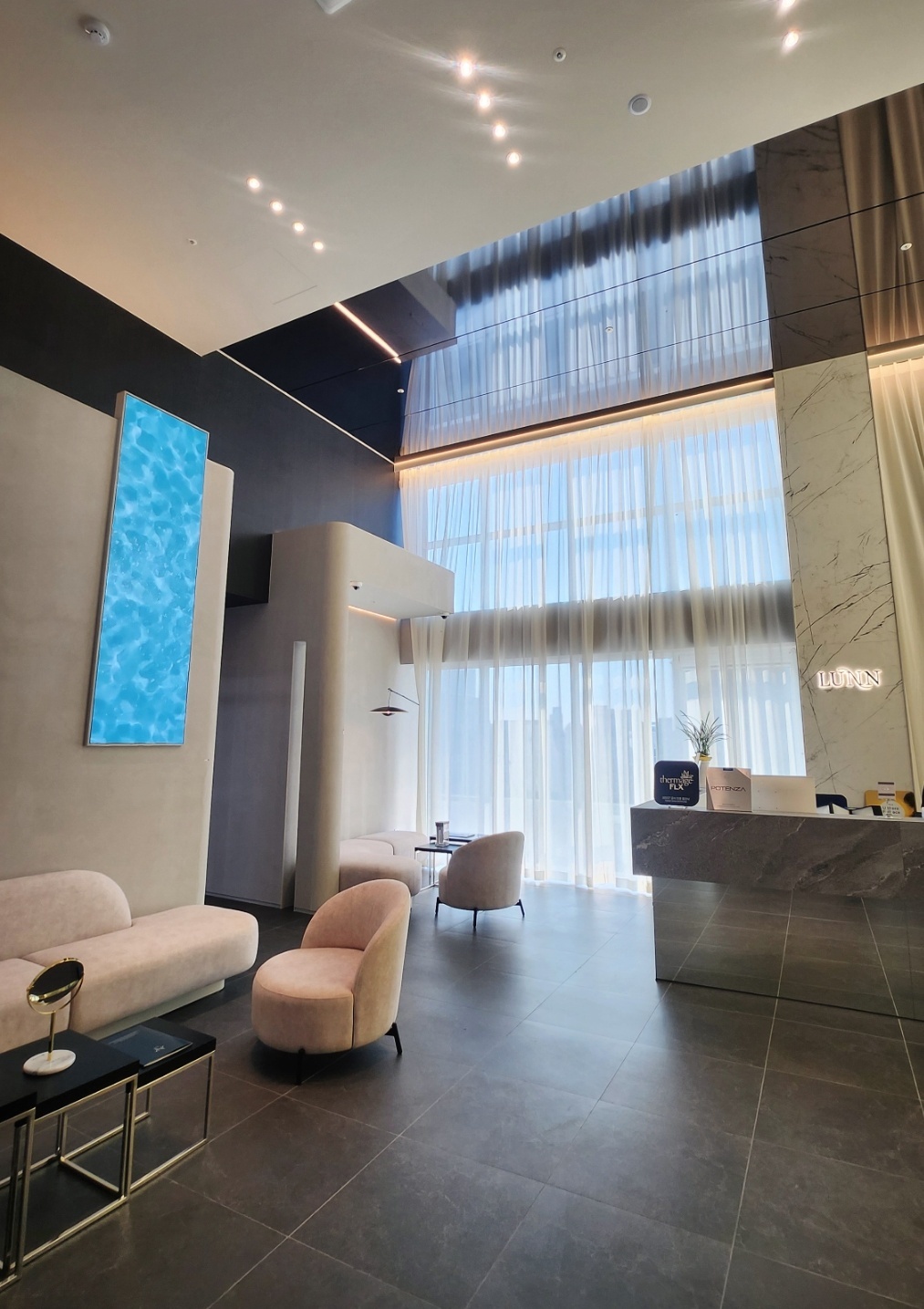
At LUNN, I emphasize this approach to ensure that the delicate balance of your facial structure is maintained with the highest degree of medical precision. This professional guide explores how direct dermatologist involvement facilitates superior outcomes and builds a foundation of trust for international and local patients alike in 2026.
Defining the Value of Physician Consistency in Medical Aesthetics
Physician consistency in medical aesthetics is defined as the unbroken continuum of care provided by a single medical professional throughout the diagnostic and procedural phases. This ensures that every anatomical nuance noted during the first meeting is directly addressed during the treatment, preventing the loss of critical clinical information. By maintaining a single point of contact, patients can feel confident that their aesthetic vision is being translated into reality by the person who understands their medical history best.
The Disconnect Between Sales Consultations and Clinical Execution
Physician consistency involves the elimination of intermediaries between a patient’s aesthetic goals and the technical execution of a procedure. In many large-scale clinical environments, a salesperson or a consultant often performs the initial assessment before a different doctor steps in to perform the treatment. At LUNN, I prioritize a direct diagnostic process to ensure that every anatomical detail is captured by the dermatologist who will perform the procedure. For example, the precise depth of subcutaneous fat or the specific resistance of facial muscles varies by a margin of just 1mm, a detail that can be overlooked during a non-medical consultation. At LUNN, I personally oversee every step to ensure that the subtle nuances of your facial structure are accurately translated into the clinical plan. This direct involvement reduces the risk of dissatisfaction and ensures that the final result aligns with the original vision discussed during our first meeting.
How Direct Dermatologist Involvement Minimizes Miscommunication
Direct dermatologist involvement is essential for bridging the gap between clinical expectations and technical possibilities. When I conduct the initial consultation, I am already formulating the procedural map in my mind, identifying the specific 3D layers of the skin that require intervention. Miscommunication often occurs in fragmented models where the performing physician must rely on secondary notes or verbal summaries from administrative staff. Direct observation allows for the precise calibration of energy levels for lasers and the accurate placement of injectables based on firsthand clinical findings. By personally managing the consultation at LUNN, I ensure that the anatomical data collected is meticulously reflected in the final procedure. This meticulous approach is particularly vital when treating complex areas like the periorbital region or the jawline. While individual reactions to treatment may vary, having a consistent medical lead ensures that any adjustments needed are based on a deep, firsthand understanding of your unique skin characteristics.
The Foundation of Trust in Professional Skin Care Programs
Trust is the most important component of any professional skin care program, and it is primarily built through consistent medical interaction. Patients who travel to Seoul for aesthetic procedures often feel vulnerable when navigating unfamiliar medical systems. By providing a single point of accountability, I aim to create a safe and transparent environment for every individual who enters LUNN. This consistency allows for the development of a longitudinal treatment plan that can span several years rather than just a single session. We utilize a dedicated clinical monitoring process to track the progression of skin health over time, ensuring that every intervention remains harmonious with the patient's aging process. At LUNN, I prioritize long-term skin integrity and medical ethics over short-term outcomes, ensuring a sustainable approach to aesthetic health. In contrast, a dermatologist-led approach prioritizes medical ethics and the gradual enhancement of natural beauty. Medical Skin Care for Facial Harmony: A Professional Guide to Structural Balance in 2026 offers further insight into how we maintain this balance across various treatment modalities.
Dermatologist-Led Facial Design and Personalized Programs
Dermatologist-led facial design represents a strategic clinical approach where a specialist integrates anatomical knowledge with aesthetic vision to create personalized treatment programs. This method avoids the pitfalls of standardized, one-size-fits-all protocols that often fail to account for individual variations in bone structure and skin elasticity. By focusing on the unique symmetry of each patient, I can design interventions that enhance features rather than merely altering them.
Designing Precision Lifting with Thermage and Ultherapy
Effective lifting requires a "layered design" approach that considers the unique aging patterns of the dermis and SMAS layers. During the initial analysis at LUNN, I evaluate the skin's thickness and elasticity to determine whether Thermage (for dermal tightening) or Ultherapy (for deeper structural lifting) is more appropriate. A consistent physician can adjust these energy parameters in real-time based on the tactile feedback and visual assessment gathered during consultation. When the same physician performs both the planning and the procedure, we can focus energy precisely where it is needed to improve sagging or texture. While side effects like temporary redness or swelling may occur, they are managed more effectively when the doctor is familiar with your skin's baseline sensitivity. This level of detail ensures that the lifting effect remains natural and harmonious with your overall facial structure.
Integrating Facial Volume Restoration with Fillers
Integrating facial volume restoration with fillers is a delicate process that demands a deep understanding of the 5 layers of facial anatomy. When I personally manage both the assessment and the injection, I can precisely calculate the volume required to restore youthful contours without creating an overfilled appearance. The 1mm difference in filler placement can be the factor that determines whether a result looks natural or artificial. At LUNN, we focus on restoring the deep fat pads that support the skin's surface, a task that requires both medical expertise and an artistic eye. In filler treatments, placing the material at the appropriate anatomical depth is critical; superficial placement can lead to visible lumps or the Tyndall effect, which is why I personally manage every injection. By maintaining consistency, I can track the degradation of filler material over time and schedule follow-up sessions that maintain a consistent look. A Professional Guide to Precision Volumizing and Facial Harmony provides more detail on these specific techniques for volume correction.
Achieving Natural Harmony Through Continuous Oversight
Natural harmony is not achieved through a single procedure but through the continuous oversight of a physician who understands the long-term trajectory of your skin health. When the same dermatologist manages your journey at LUNN, they develop a comprehensive understanding of how your tissues respond to various stimuli, from laser heat to injectable biostimulators. This longitudinal data is invaluable for refining future treatments and maintaining a balanced appearance as you age. Fragmented care models often fail to account for these subtle changes, leading to over-treatment or mismatched results. By maintaining a single point of medical contact, we implement a meticulous state analysis for every adjustment made to your program. This level of care ensures that every 1mm of change contributes to a cohesive and youthful look. While results may vary based on individual healing capacities, continuous oversight significantly enhances the predictability and safety of all aesthetic interventions. Our goal is to ensure your skin remains resilient and radiant over time.
The Importance of Integrated Care Models in Medical Aesthetics
Integrated care models are clinical systems designed to maintain medical continuity. This section explores how the integration of consultation and treatment supports patient safety and procedural accuracy. Understanding these factors allows patients to make informed decisions about their aesthetic care provider in a competitive market like Seoul.
Procedural Predictability in Non-Invasive Skin Tightening
Procedural predictability is enhanced when the physician who analyzed the skin's elasticity also operates the tightening device. For technologies like high-intensity ultrasound or radiofrequency, the energy settings must be meticulously calibrated to the thickness of the patient's dermis. At LUNN, I personally determine these settings after a physical palpation of the skin layers during the initial visit. This level of personalization is intended to manage the risk of temporary redness or insufficient results, which can occur if unique thermal tolerances are not accounted for. By ensuring that one doctor manages the entire process, we aim for consistent tightening effects while carefully monitoring for potential adverse reactions. Dermatologist-Led Facial Design: Achieving Structural Harmony and Radiant Skin in Cheongdam discusses how we integrate these technologies into a broader aesthetic plan.
Long-Term Outcomes for Double Chin Reduction and Jawline Contouring
Long-term outcomes for structural procedures like jawline contouring depend heavily on the accuracy of the initial fat and muscle assessment. When I perform contouring at LUNN, I consider the long-term interaction between the targeted areas and the surrounding skin elasticity. A consistent physician can observe how the jawline responds to the first phase of treatment and make precise adjustments during subsequent sessions. In fragmented clinics, the lack of continuity means that each session is treated as an isolated event. This can lead to uneven results or an unnatural transition. By maintaining a single medical lead, we ensure that the contouring remains balanced. I personally oversee the follow-up process for all contouring procedures to monitor for any unusual swelling. While most patients experience a smooth recovery, individual healing timelines will always vary based on genetic and lifestyle factors.
Navigating Safety Risks and Maintenance for Harmonious Results
Navigating safety risks involves a proactive clinical protocol centered on identifying potential complications and managing treatment limitations through continuous observation. Every medical procedure carries inherent risks, and physician consistency is a significant tool for mitigating these concerns. By understanding the patient's specific skin reactions from day one, a dermatologist can tailor the recovery process to ensure optimal healing.
Addressing Potential Side Effects and Clinical Limitations
Addressing potential side effects requires a dermatologist who is intimately familiar with the patient’s clinical profile. Common reactions such as erythema, edema, or minor bruising are much easier to manage when the treating physician has a baseline of the patient’s skin sensitivity. At LUNN, I provide a personalized aftercare plan that is adjusted based on the specific energy levels and injection depths used during the procedure. In fragmented clinics, the doctor managing the side effects is often not the one who performed the procedure, leading to potential delays in appropriate care. It is important to note that no aesthetic treatment is without risk, and results are never guaranteed. However, the probability of a safe recovery is enhanced when the doctor who knows your skin's history is the one monitoring your progress. Maintaining open communication throughout the recovery window is a priority for our team.
Refining Skin Texture Through Continuous Observation
Refining skin texture is a process that benefits from continuous observation by the same medical specialist. Technologies used for texture refinement, such as fractional lasers or skin boosters, require iterative adjustments based on how the skin regenerates. At LUNN, I monitor the healing stages of the epidermis to determine the optimal interval for the next treatment. This prevents the risk of over-treating the skin, which can lead to increased sensitivity or post-inflammatory hyperpigmentation. A consistent physician can see the subtle improvements in pore size and fine lines that may not be apparent to a rotating staff member. Most texture programs require personalized scheduling to see visible changes, as individual results will depend on the initial state of the skin. By focusing on the 1mm depth of the papillary dermis, we can stimulate collagen production effectively. Continuous observation ensures that each treatment builds upon the success of the previous one.
The Role of Post-Procedure Monitoring at Apgujeong Rodeo Clinics
Post-procedure monitoring is the final step in ensuring the success of any aesthetic intervention. At my clinic in the Apgujeong Rodeo area, I believe that the doctor’s responsibility does not end when the procedure is finished. Continuous monitoring by the same dermatologist allows for the early detection of any rare complications, such as delayed-onset nodules or persistent inflammation. At LUNN, we prioritize direct medical accountability for any post-treatment concerns, ensuring that patients have access to professional advice. At LUNN, I personally review every follow-up case to maintain direct medical oversight, ensuring that the structural harmony we achieved is preserved during the healing process. While individual healing responses vary, this continuity allows for timely adjustments if needed. This commitment to continuity is especially important for international patients who provide detailed medical reports to ensure that their care standards are maintained even after returning home.
Frequently Asked Questions
Q. What is the primary benefit of having the same doctor for consultation and treatment?
Physician consistency ensures that the specific anatomical nuances identified during the initial diagnosis are directly addressed during the procedure. This minimizes the risk of misinterpreting the patient's aesthetic goals or overlooking subtle skin conditions that could affect the final result. At LUNN, this approach is the foundation of our quality standards.
Q. How does consistency affect the results of lifting treatments in Seoul?
When a dermatologist personally designs the lifting plan using devices like Thermage or Ultherapy, they can adjust the energy parameters based on real-time feedback from the consultation. This leads to a more symmetrical result compared to standardized protocols used in fragmented clinics. It ensures that the lifting effect is tailored to your specific facial structure.
Q. Are there specific risks associated with clinics that separate consultation and procedure?
Fragmented care can lead to inconsistent application of technology. If the performing doctor is not fully aware of the patient's medical history or previous sensitivity discussed during consultation, the risk of temporary redness or swelling may increase. Communication gaps can also lead to results that do not meet individual expectations.
Q. Why is dermatologist-led facial design important for fillers?
Facial volume restoration requires a deep understanding of muscle movement and bone structure. A consistent physician can ensure that filler placement remains precise at the 1mm level, avoiding an overfilled look and maintaining natural facial expressions. This prevents the artificial appearance often seen with standardized injection techniques.
Q. What should international medical tourists look for in a Korean aesthetic clinic?
Tourists should prioritize clinics where a single dermatologist manages the entire journey from consultation to follow-up. This is crucial for customized programs, as it ensures the treatment plan is executed accurately. Professional accountability and continuity are the most important factors for safety and satisfaction.
Q. Can consistency help in managing side effects like bruising or edema?
Yes, a doctor who performed the initial skin analysis is better equipped to predict how a patient might react to injections or lasers. This allows for proactive management and personalized aftercare instructions to mitigate potential discomfort and support the healing process. Direct monitoring by the same doctor ensures any concerns are addressed early.
Q. How often should I follow up after a skin texture refinement treatment?
Follow-up intervals depend on the specific technology used and your individual skin regeneration rate. Having the same physician throughout the process at LUNN allows for an accurate assessment of healing stages and adjustments to future sessions for optimal harmony. We review progress individually to determine the next steps.
Key Takeaways
- Unified Care: Physician consistency at LUNN ensures that the dermatologist who diagnoses your skin also performs the procedure, reducing the risk of miscommunication.
- Precision Design: Dermatologist-led facial design focuses on 1mm accuracy to maintain natural expressions and structural harmony through personalized plans.
- Enhanced Safety: Continuous oversight by a single medical professional allows for better management of potential side effects and more predictable outcomes.
- Patient Trust: A consistent point of accountability is essential for building trust, especially for international patients seeking specialized care in the Cheongdam and Apgujeong area.
LUNN / Park Hyung-kwon
FAQ
- What is the primary benefit of having the same doctor for consultation and treatment?
- Physician consistency ensures that the specific anatomical nuances identified during the initial diagnosis are directly addressed during the procedure. This minimizes the risk of misinterpreting the patient's aesthetic goals or overlooking subtle skin conditions that could affect the final result. At lunnclinic, this approach is the foundation of our safety and quality standards.
- How does consistency affect the results of a thread lift in Seoul?
- When a dermatologist personally designs the lift, they can adjust the vector and tension of the threads based on real-time feedback from the consultation. This leads to a more symmetrical jawline and effective double chin reduction compared to standardized protocols used in fragmented clinics. It ensures that the lifting effect is tailored to your specific facial structure.
- Are there specific risks associated with clinics that separate consultation and procedure?
- Fragmented care can lead to inconsistent application of technology, such as non-invasive skin tightening. If the performing doctor is not fully aware of the patient's medical history or previous sensitivity discussed during consultation, the risk of temporary redness or swelling may increase. Communication gaps between consultants and doctors can also lead to results that do not meet expectations.
- Why is dermatologist-led facial design important for fillers?
- Facial volume restoration requires a deep understanding of muscle movement and bone structure across the 5 layers of the face. A consistent physician can ensure that filler placement remains precise at the 1mm level, avoiding an overfilled look and maintaining natural facial expressions. This prevents the artificial appearance often seen with standardized injection techniques.
- What should international medical tourists look for in a Korean aesthetic clinic?
- Tourists should prioritize clinics where a single dermatologist manages the entire journey from consultation to follow-up. This is crucial for customized skin care programs, as it ensures the treatment plan is executed accurately within a limited travel timeframe. Accountability and continuity are the most important factors for safety abroad.
- Can consistency help in managing side effects like bruising or edema?
- Yes, a doctor who performed the initial skin analysis is better equipped to predict how a patient might react to injections or lasers. This allows for proactive management and personalized aftercare instructions to mitigate potential discomfort and speed up the healing process. Direct monitoring by the same doctor ensures any complications are caught early.
- How often should I follow up after a skin texture refinement treatment?
- Follow-up intervals depend on the specific technology used and your individual skin regeneration rate. Having the same physician throughout the process at lunnclinic allows for an accurate assessment of healing stages and adjustments to future sessions for optimal harmony. Generally, we review the progress after 2 to 4 weeks to determine the next steps.