
Post
Why Structural Lifting Should Be the Foundation Before Volume Restoration: A 2026 Clinical Perspective
Hello, I am Dr. Hyung-kwon Park, a dermatology specialist at Lunn Dermatology Clinic.
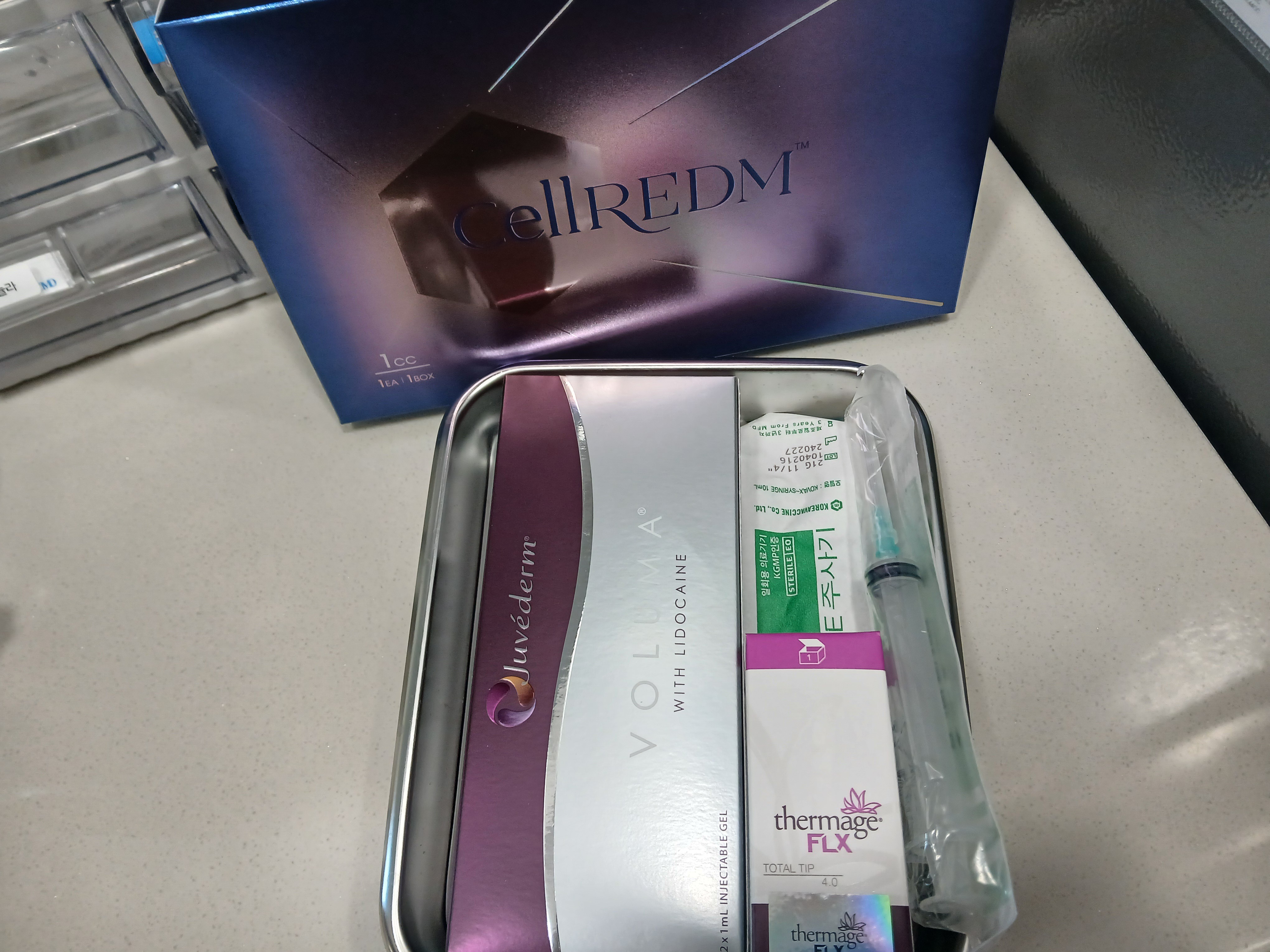
My clinical philosophy is rooted in the belief that true facial harmony is achieved through a deep understanding of anatomical structures and the subtle 1mm differences that define a natural look. Today, I will explain why establishing structural integrity through lifting must be the priority in any comprehensive anti-aging plan before considering volume restoration.
Understanding the Distinction Between Facial Volume Loss and Skin Sagging
Facial volume loss and skin sagging are two distinct yet interconnected components of the aging process that require different therapeutic approaches. In my practice, I emphasize that addressing the 'foundation'—the structural sagging of the SMAS layer and deep tissues—is the essential first step before 'decorating' with volume.
Defining the structural causes of tissue descent
Facial aging is a multifaceted process that begins deep beneath the surface, where structural changes dictate the outward appearance. One of the primary drivers of an aged look is the weakening of the retaining ligaments and the sagging of the SMAS (Superficial Musculoaponeurotic System) layer. Clinical observations suggest that as these structural supports yield, the face begins to lose its youthful contour. At Lunn Dermatology Clinic, I often tell my patients that this is like the structural frame of a house beginning to lean. Without addressing this fundamental loss of support through lifting, simply adding volume can lead to a heavy, unnatural look. Understanding these anatomical shifts is the first step toward a successful rejuvenation strategy that respects the natural aging process while providing meaningful structural restoration.
How fat pad migration differs from skin elasticity loss
While volume depletion involves the loss of mass, fat pad migration refers to the downward shift of existing fat due to the weakening of retaining ligaments. As we age, the ligaments that once held fat pads in a superior position begin to stretch, allowing tissues to descend toward the jawline. This migration is distinct from the loss of skin elasticity, which is caused by the degradation of collagen and elastin. It is vital to recognize that filling a face that has already experienced tissue descent often results in a 'bloated' appearance. At Lunn Dermatology Clinic, I focus on identifying whether a patient's primary concern is the failure of the structural foundation or the surface tension of the skin. This distinction ensures that the chosen procedure addresses the root cause rather than merely masking symptoms.
The primary signs of a compromised facial foundation
The most recognizable signs of a compromised facial foundation include the softening of the jawline, the emergence of jowls, and the deepening of nasolabial folds caused by descending cheek fat. These changes indicate that the internal 'scaffolding' is no longer holding the skin in its youthful position. At Lunn Dermatology Clinic, I use physical palpation to assess the density and position of the underlying tissues during every consultation. By identifying these early structural changes, we can intervene with lifting techniques that reposition the tissues before adding filler. This proactive approach allows for more conservative treatments that maintain the patient's unique facial character while restoring the crisp contours that characterize a healthy foundation.
The Foundation Principle: Why Lifting Must Precede Volume
The foundation principle dictates that structural support must be established before attempting to refine the surface layers of the face. In clinical practice, this means repositioning sagged tissues to create a stable base.
The house renovation metaphor in facial rejuvenation
A helpful way to visualize the relationship between lifting and volume is the 'house renovation' metaphor. Imagine a house where the foundation is sinking and the walls are beginning to tilt. If you simply apply expensive new wallpaper (representing fillers or volume) without fixing the structural frame (lifting), the house will still look unstable, and the wallpaper will eventually wrinkle or distort. Similarly, restoring the structural integrity of the face through lifting is like the 'foundation work' and 'structural repair.' At Lunn Dermatology Clinic, I believe that fixing the structure first naturally smooths the skin and creates the proper canvas for volume. This metaphor highlights why jumping directly to fillers without addressing structural laxity can lead to outcomes that look filled but not truly rejuvenated.
How structural lifting creates a natural base
When we use lifting modalities like Ultherapy or Thermage, we are targeting the deep layers to tighten the 'frame' of the face. This creates a mechanical repositioning of tissues, pulling the descending fat pads back toward their original location. This direct structural improvement is often more aesthetic than filling because it restores the natural distribution of youthful tissue. At Lunn Dermatology Clinic, I utilize advanced lifting techniques to achieve this harmony, often finding that a solid foundation significantly reduces the amount of filler needed later. By tightening the SMAS and dermis, we soften the appearance of jowls and marionette lines naturally. This method respects the complex 3D anatomy of the face, designed to provide a refreshed look from every angle.
Avoiding the 'over-filled' look with foundation-first planning
One of the greatest risks of prioritizing volume over structural lifting is the 'over-filled' or 'puffy' look. When volume is added to a face that is structurally sagging, the filler often sits on top of descended tissue, making the face look wider or heavier than intended. In 2026, the trend has shifted toward 'Refining the Details' rather than total volume replacement. At Lunn Dermatology Clinic, I avoid artificial tension by following a layered approach that prioritizes deep support. By focusing on the lift first, we ensure that any subsequent volume added acts as a subtle refinement rather than a structural fix. This conservative strategy allows for a much more graceful aging process. Patients often find that after structural lifting, their skin looks more vibrant and their natural features are more prominent.
Precision Volume Refinement and Technique
Once the structural foundation is restored, volume can be added with extreme precision. The goal is never to change the face, but to achieve perfect harmony through subtle adjustments.
The 'deflated balloon' technique for forehead refinement
When we eventually move to the refinement stage, particularly for areas like the forehead, the technique is critical. I often use the 'deflated balloon' metaphor for forehead fillers: if you inject volume into a flat area without spreading it properly, it looks like a bump on a balloon. To avoid this and ensure a smooth, natural curve, the filler must be spread widely and thinly across the area. This prevents the uneven, 'bumpy' look that many fear with injections. At Lunn Dermatology Clinic, I prioritize these delicate details to ensure that volume integrates seamlessly with your unique anatomy.
Selecting materials for anatomical harmony
In our practice, we distinguish between materials meant for deep structural support and those used for fine surface refinement. While lifting handles the foundation, fillers like Belotero—known for being 'low hydrophilic' (absorbing less water)—are chosen to minimize swelling and the Tyndall effect, especially in delicate areas like under the eyes. At Lunn Dermatology Clinic, we often combine lifting and volumizing modalities to achieve both structural integrity and refined aesthetics. The choice of material is never generic; it is always based on the specific thickness of the patient's skin and the degree of laxity present. This tailored approach ensures the result remains natural whether the face is at rest or in motion.
Comparing Modalities: Structural Lifting vs. Volumizing
To help patients understand their options, it is important to compare the various modalities available for facial rejuvenation.
| Modality | Primary Function | Depth of Action | Typical Longevity | Role in LUNN Philosophy |
|---|---|---|---|---|
| Energy Devices (HIFU/RF) | Structural Lifting | Dermis / SMAS Layer | Individual variance | Foundation Work (Must be first) |
| Thread Lifting | Tissue Repositioning | Subcutaneous Layer | Individual variance | Immediate Structural Correction |
| Volumizing Fillers | Surface Refinement | Deep Dermis / Bone | Varies by individual | Finishing / 'Wallpaper' Refinement |
| Biostimulators | Collagen Induction | Deep Dermis | Varies by individual | Long-term Skin Health |
Professional Guide to 3D Facial Contour Sculpting: Achieving Structural Harmony with LUNN
Considerations for Treatment at Lunn Dermatology Clinic
Choosing the right clinic for rejuvenation involves looking for a provider who prioritizes safety, anatomical knowledge, and a conservative treatment philosophy. At Lunn Dermatology Clinic, we pride ourselves on providing a professional environment where patients feel heard.
The importance of conservative layered techniques
I advocate for a conservative, layered approach to ensure the most natural and safe results. Instead of attempting to correct years of aging in a single session, I often recommend starting with structural lifting and then refining with volume after the tissues have settled. This 'less is more' strategy leads to higher patient satisfaction and a much more subtle transition. By layering different treatments at varying depths, we can create a complex and durable structure that looks natural both at rest and during facial expressions. This technique requires a high level of skill and a deep understanding of facial anatomy, which is why I personally oversee every step of the process.
Managing expectations and understanding potential side effects
Transparency is a core value at Lunn Dermatology Clinic. While lifting and volume restoration are generally safe, side effects such as temporary swelling, bruising, or tenderness can occur. These usually resolve within a few days but vary based on individual healing responses. More serious but rare risks, such as vascular occlusion or infection, are minimized through our strict adherence to sterile techniques and expert knowledge of facial vessel locations. It is also important for patients to understand that results are not permanent and will require maintenance. During your consultation, I will personally check your muscle thickness and skin condition with my own hands to ensure the safest and most effective plan for your unique skin.
The Importance of Physical Palpation in Professional Dermatological Consultation (2026)
A Professional Guide to Precision Volumizing and Facial Harmony
Key Takeaways
- Structure First: Lifting the facial foundation (SMAS/Dermis) is essential before adding volume to ensure a natural, non-bloated result.
- Foundation Metaphor: Lifting is the 'structural repair' of a house, while volume is the 'wallpaper.' You must fix the structure first.
- Anatomical Harmony: Repositioning sagged tissues avoids the 'over-filled' look associated with premature filler use.
- Precision Technique: For areas like the forehead, fillers must be spread widely (the 'deflated balloon' logic) to ensure a smooth, natural curve.
- Safety & Expertise: Choosing a dermatology specialist ensures that treatments are based on a 3D assessment of your unique anatomy.
Frequently Asked Questions
Q. Why does Lunn Dermatology Clinic prioritize lifting over volume?
In our philosophy, lifting targets the foundation (the SMAS layer and ligaments). If you add volume to a sinking foundation, the face can look heavy or unnatural. By lifting first, we restore the structural frame, which often means we need less filler later for a more natural result.
Q. What is the 'house renovation' metaphor you use?
Lifting is like the foundation and structural work of a house, while fillers are like the wallpaper. If the house is leaning, new wallpaper won't fix the problem. We must straighten and support the structure (lifting) before applying the finishing touches (volume).
Q. Can't I just get filler to fix my sagging skin?
While filler can temporarily mask some hollows, it does not address the underlying tissue descent. Over-relying on filler to 'lift' the face often leads to an over-filled, unnatural look. A structural lift is the more logical and aesthetic first step for genuine rejuvenation.
Q. Are there any side effects to these structural treatments?
Common side effects include temporary swelling, bruising, or mild tenderness, which typically resolve within a few days. Rare risks exist, which is why a detailed physical consultation and expert administration are vital. We prioritize safety and conservative dosing in every procedure.
Q. How does the 'deflated balloon' metaphor apply to fillers?
This specifically applies to forehead fillers. If you inject too much in one spot, it looks like a bump. We treat the area like a deflated balloon that needs to be reinflated evenly, spreading the filler widely to achieve a smooth, natural-looking curve.
Q. How long do the results of a lifting-first plan last?
Longevity varies by individual and the specific device or filler used. However, by addressing the structural foundation first, the overall aesthetic tends to age more gracefully over time compared to simply filling hollows. Maintenance sessions are recommended to sustain the structural integrity.
Q. What happens during a consultation with Dr. Park?
I personally conduct a 3D anatomical assessment, which includes touching the skin to check muscle thickness, fat distribution, and bone structure. I will then design a customized 'structural-first' plan that focuses on your unique needs rather than a factory-style approach.
For more insights or to schedule a consultation, please contact us. You can also follow our journey in refining aesthetics at Threads @dr.lunn.
Lunn Dermatology Clinic / Dr. Hyung-kwon Park
FAQ
- What is the main cause of facial volume loss as we age?
- Facial volume loss is primarily caused by the natural depletion and downward migration of deep fat pads, alongside the gradual resorption of bone structure. These changes remove the underlying support for the skin, leading to a hollow or sunken appearance. At lunnclinic, we focus on restoring this lost foundation to revitalize the face.
- Why shouldn't I just get a thread lift for sagging skin right away?
- If you lift sagging skin without addressing the underlying volume loss, the results can often look unnatural or strained. Restoring volume first provides the necessary structural support, which often reduces the amount of lifting actually required for a rejuvenated look. This 'foundation-first' approach is a signature of my practice.
- Which fillers are best for facial volume restoration?
- The choice depends on the specific area and depth of depletion. Hyaluronic acid fillers are common for immediate correction, while biostimulators may be used to encourage the body's own collagen production. At lunnclinic, we select the material based on a detailed anatomical analysis to ensure the most harmonious outcome.
- Are there any side effects associated with volume restoration treatments?
- Common side effects include temporary swelling, bruising, or tenderness at the injection site, which typically resolve within a few days. Rare risks such as vascular occlusion or infection exist, which is why it is essential to seek treatment from a qualified dermatology specialist. We prioritize safety and precision in every procedure.
- How long do the results of volume restoration typically last?
- Longevity varies depending on the product used and individual metabolism. Hyaluronic acid fillers typically last 6 to 18 months, while collagen stimulators can provide results for up to two years. Regular maintenance is often recommended to sustain the desired aesthetic and structural integrity.
- Can non-invasive skin tightening technology replace volume restoration?
- Tightening technologies like Ultherapy or Thermage focus on skin laxity and collagen contraction, but they do not replace lost fat or bone. For patients with significant hollowing, these devices are most effective when used in conjunction with volume restoration. A combined approach often yields the most balanced results.
- What should I expect during a consultation at lunnclinic?
- A professional consultation involves a comprehensive evaluation of your facial structure, skin quality, and aging patterns. I will design a customized program that addresses volume loss first to ensure a balanced and harmonious outcome. We believe in educating our patients so they can make informed decisions about their aesthetic care.