
Post
What is the Tyndall Effect in Under-Eye Fillers and How to Avoid It?
Hello, I am Dr. Park Hyung-kwon, a board-certified dermatologist at LUNN in Cheongdam, Seoul. The Tyndall effect in under-eye fillers refers to a bluish or grayish discoloration that appears when hyaluronic acid is injected too superficially, causing light to scatter through the thin skin.
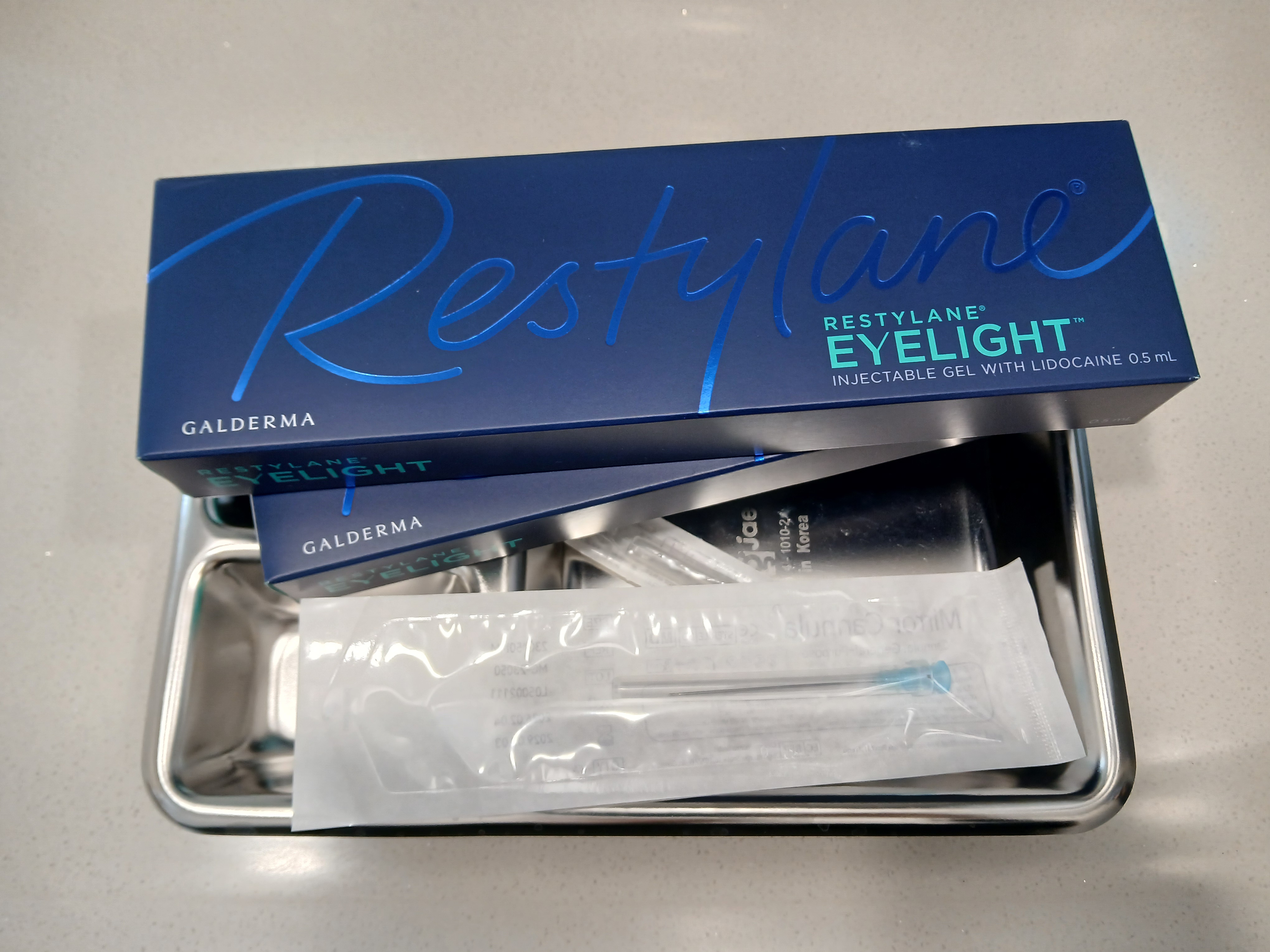
This guide explains the causes and preventive measures that aim to achieve natural facial harmony and minimize the risk of aesthetic complications in 2026.
Understanding the Tyndall Effect in Under-Eye Fillers
The Tyndall effect is an optical phenomenon where light scatters off particles in its path, creating a distinct bluish hue visible on the skin surface. In the context of cosmetic dermatology, this happens when clear hyaluronic acid filler is placed in a layer of the skin that is too thin to hide the material properties of the gel. Because the skin around the eyes is among the thinnest on the entire human body, it lacks the dense dermal structure necessary to filter out reflected light effectively. Consequently, the filler particles reflect blue wavelengths more strongly than other colors, leading to a persistent shadow-like appearance that many patients mistake for a bruise or lack of sleep. Recognizing this early is essential for corrective action, as it differs significantly from normal post-procedure swelling or typical vascular bruising. At LUNN, I focus on identifying these subtle color shifts to maintain the integrity of each patient's unique facial design.
Defining the Phenomenon: The Blue Tint Under the Eyes
When patients notice a persistent blue or gray tint after their procedure, it is often a sign of misplaced filler material rather than natural aging. This specific discoloration occurs because the clear hyaluronic acid gel acts as a medium for light scattering, much like how the sky appears blue due to gas molecules. It is important to distinguish this from post-inflammatory hyperpigmentation or vascular shadows, as the treatment strategies for each are fundamentally different. Many individuals feel distressed when their attempt to look more refreshed leads to a darker, more tired appearance under the eyes. In my clinical experience at LUNN, I have seen that this phenomenon does not usually resolve on its own because the fillers in this specific anatomical region degrade much slower than in more mobile areas like the lips. Understanding that this is a physical light-scattering issue helps patients realize why topical creams or standard brightening treatments will not provide the desired correction.
The Optical Mechanism of Light Scattering and Skin Depth
The physics behind the Tyndall effect involves the interaction between light waves and the microscopic structure of the injected filler gel. When light enters the skin, it hits the suspended particles of the hyaluronic acid and scatters in various directions, with shorter blue wavelengths being scattered much more efficiently than longer red wavelengths. If the filler is placed deep beneath the orbicularis oculi muscle, the overlying tissue layers absorb this scattered light, and the skin appears naturally toned. However, when the filler is positioned within the superficial dermis or just beneath it, the blue light escapes back to the observer's eye. This creates a visible bluish shadow that can change intensity depending on the lighting environment or the angle of the observer. Precise depth control is the primary factor in preventing this optical anomaly. A deep understanding of these physical principles allows us to adjust injection depths according to the specific thickness of each patient's dermal layers for optimal results.
Why Early Diagnosis Matters for Facial Harmony
Identifying the Tyndall effect early is vital because it prevents patients from undergoing unnecessary and potentially harmful treatments for what they might perceive as simple dark circles. If a patient misinterprets the blue tint as pigmentation, they might seek laser treatments or chemical peels that do not address the underlying filler placement issue. Prolonged presence of misplaced filler can also lead to chronic edema or localized tissue changes that complicate future rejuvenation efforts. In my practice at LUNN, I emphasize that early intervention with dissolving agents can quickly restore the natural contours and colors of the face. Maintaining facial harmony requires an eye for detail, as even a minor bluish shadow can disrupt the balance of light and shadow on the midface. By addressing the complication promptly, we can prevent the psychological stress associated with a failed aesthetic procedure. A proactive approach ensures that the delicate eye area remains bright and natural, reflecting the patient's true vitality rather than a technical error.
Technical Causes and Anatomical Risks in the Tear Trough
Technical causes for the Tyndall effect primarily revolve around the mismatch between the choice of filler material and the specific anatomical constraints of the tear trough region. The tear trough is a complex area where the skin is extremely thin and the underlying muscle and bone structures create a unique topography that requires expert handling. If a practitioner uses a filler with high water-binding capacity or high G-prime in a superficial layer, the risk of both swelling and light scattering increases dramatically. Proper assessment of the infraorbital rim and the thickness of the palpebral part of the orbicularis muscle is necessary to determine the safe injection plane. Errors in technique, such as using a sharp needle instead of a cannula or failing to reach the supraperiosteal level, are common contributors to this aesthetic complication. Understanding these technical risks is the first step toward achieving a safe and effective under-eye restoration.
The Delicate Nature of Periorbital Skin and Tissue Layers
The periorbital region is characterized by skin that is roughly 0.5mm thick, making it significantly thinner than the skin on the cheeks or forehead. Beneath this thin epidermis and dermis lies the orbicularis oculi muscle, followed by varying amounts of orbital fat and the underlying bone. Because there is very little subcutaneous fat in the tear trough, any material injected here is highly visible if not placed with extreme care. The lack of a robust dermal layer means that fillers cannot be hidden by the skin's natural architecture. Instead, the skin acts more like a translucent veil over the underlying structures. In my clinical observations, I have noted that patients with fair or thin skin are at a higher risk for developing visible complications. Therefore, a comprehensive anatomical analysis is required before any needle touches the skin. How Facial Anatomy Analysis Changes Lifting Results: A 2026 Specialist Guide highlights how these structural differences influence every aspect of facial rejuvenation and long-term aesthetic success.
How Improper Filler Viscosity Selection Leads to Complications
Choosing the wrong type of filler is a major technical error that leads to the Tyndall effect and unnatural-looking results. High-viscosity fillers are designed for deep structural support in areas like the jawline or chin, but when used under the eyes, they can appear lumpy and reflect light poorly. Conversely, fillers that are too thin might migrate or fail to provide the necessary volume to correct a deep tear trough. The ideal filler for the under-eye area must have low water absorption to prevent late-onset swelling and a high degree of cohesivity to stay in place without scattering light. At LUNN, we carefully select products that are specifically formulated for delicate regions to minimize the risk of a bluish tint. Using a product that is not suited for the tear trough can result in a "sausage-like" appearance that persists for years. Matching the physical properties of the gel to the biological properties of the tissue is essential for a seamless and natural integration.
Superficial Placement Risks in Facial Volume Restoration with Fillers
Superficial placement is perhaps the most frequent cause of the Tyndall effect in modern dermatology. When a practitioner fails to inject the filler deep enough, usually at the supraperiosteal level, the material sits directly under the thin skin. This not only causes the blue tint but also makes the filler visible when the patient smiles or changes their facial expressions. The dynamic movement of the face can push superficial fillers into even more prominent positions, leading to visible ridges or irregular contours. I often consult with patients who have had fillers placed too high in the dermis, resulting in a persistent shadow that no amount of makeup can cover. A deep injection technique ensures that the muscle and other soft tissues act as a natural filter, allowing only the volume-enhancing effects to be seen. A Conservative Filler Approach: Why Subtle Adjustments Create True Harmony further explains why deep, subtle placement is always superior to superficial overfilling for achieving a refined look.
| Feature | Under-Eye Filler | Fat Grafting | Non-Invasive Tightening |
|---|---|---|---|
| Mechanism | Hyaluronic acid volume | Autologous fat transfer | Collagen stimulation |
| Tyndall Risk | Possible if superficial | Negligible | None |
| Longevity | 6 to 18 months | Often permanent | 6 to 12 months |
| Recovery | 1-3 days (swelling) | 1-2 weeks (bruising) | Immediate (no downtime) |
| Precision | Very high | Moderate | Varies by technology |
Dermatologist-Led Strategies to Prevent Aesthetic Complications
Dermatologist-led strategies for prevention focus on a holistic understanding of the patient's face rather than just filling a hole. This involves a multi-step process that starts with a detailed consultation to assess skin quality, bone structure, and the patient's aesthetic goals. By utilizing advanced imaging and physical palpation, a specialist can determine the exact depth and volume needed for each individual. At LUNN, I prioritize a conservative approach, often opting for multiple small sessions rather than a single large injection. This allows the tissue to adapt to the new volume and reduces the risk of displacing the filler into superficial layers. Furthermore, the use of blunt-tip cannulas can reduce trauma to the delicate periorbital vessels, minimizing bruising and improving the accuracy of placement. Prevention is always more effective than correction, and it begins with the expertise of the provider performing the treatment.
The Importance of Dermatologist-Led Facial Design and Precision
Facial design is an art that requires a deep knowledge of medical science to ensure both beauty and safety. A dermatologist-led approach means that the person performing the procedure understands the histology of the skin and how different filler products interact with live tissue. Precision is paramount because even a half-millimeter difference in depth can be the deciding factor between a natural result and a visible Tyndall effect. I believe that every face requires a bespoke plan that considers the play of light and shadow across the midface. At LUNN, we do not follow a one-size-fits-all model; instead, we customize the injection points based on the patient's unique bone structure. This level of precision focuses on the nuances of standardized injection techniques to ensure the optimal placement for each individual. For more information on my philosophy, you can read Dr. Park Hyung-kwon: A Specialist's Guide to Facial Harmony at LUNN (2026), which details my commitment to personalized care.
Selecting Optimal Injection Techniques for the LUNN Standard
The standard of care at LUNN involves using techniques that maximize safety and aesthetic integration. We primarily use micro-cannulas for under-eye treatments because they allow for smoother product distribution and carry a lower risk of vascular injury compared to traditional needles. By entering from a single point on the cheek, I can reach the entire tear trough area and place the filler precisely on the bone. This technique ensures that the filler remains deep and stable, providing a subtle lift without the risk of light scattering. Additionally, layering techniques can be used to build volume gradually, which is particularly beneficial for patients with significant hollows. We also pay close attention to the patient's posture during the procedure, as gravity can shift the appearance of the tear trough. These meticulous steps are what define the premium experience at our clinic. While results can vary, this structured approach significantly reduces the likelihood of common side effects like prolonged swelling or the dreaded blue tint.
Integrating Non-Invasive Skin Tightening Technology for Better Support
In many cases, the hollow appearance under the eyes is exacerbated by skin laxity rather than a lack of volume alone. Integrating non-invasive skin tightening technologies, such as radiofrequency or micro-focused ultrasound, can provide the structural support needed to hold fillers in place. By thickening the dermis and stimulating new collagen, these treatments make the skin less translucent and more resilient. This dual approach often leads to more natural results because it addresses the root cause of the aging eye area. At LUNN, I often recommend a skin-strengthening phase before proceeding with fillers for patients with extremely thin skin. This reduces the pressure on the filler to perform all the work and minimizes the volume required, further lowering the risk of complications. Combining modalities allows us to achieve a rejuvenated look that appears natural from every angle. While some patients may experience temporary redness after tightening, the long-term benefits for skin quality are substantial. This holistic strategy ensures that the delicate eye area remains youthful and vibrant.
Remedying the Tyndall Effect and Exploring Procedure Alternatives
Remedying the Tyndall effect is a straightforward process when handled by an experienced dermatologist, but it requires patience and a gentle touch. The primary method for correction is the use of hyaluronidase, an enzyme that safely breaks down hyaluronic acid fillers. Once the problematic filler is dissolved, the blue tint usually disappears relatively quickly, though some residual swelling or bruising may occur, and results may vary depending on the individual's skin condition. It is often necessary to wait for the tissue to settle completely before attempting a new treatment to ensure the best possible outcome. Exploring alternatives is also a key part of the consultation, as some patients may be better candidates for other types of volume restoration. Whether it is fat grafting or specialized skin boosters, the goal is always to find the safest path to a refreshed appearance. At LUNN, we guide patients through these choices with honesty and clinical evidence, ensuring they feel confident in their personalized treatment plan.
The Role of Hyaluronidase in Correcting Under-Eye Discoloration
Hyaluronidase is an essential tool in any aesthetic practice for managing complications and refining results. When injected into the area affected by the Tyndall effect, it begins to dissolve the cross-linked hyaluronic acid almost instantly. I carefully calculate the dosage to remove only the misplaced material, although in some cases, a full dissolution is the safest route to a clean slate. Patients should be aware that hyaluronidase can occasionally cause temporary swelling or localized sensitivity, and a patch test is often performed to rule out rare allergic reactions. After the filler is gone, the underlying anatomy becomes clear again, allowing for a more accurate assessment of the patient's needs. In my experience at LUNN, many patients feel an immediate sense of relief once the unnatural blue shadow is removed. It is a highly effective remedy that restores the patient's natural look while providing a lesson in the importance of proper placement. The correction process is a vital part of our commitment to patient safety and satisfaction.
Comparison: Under-Eye Fillers vs. Alternative Volume Restoration Methods
While fillers are a popular choice for restoring volume, they are not the only option available for rejuvenating the eye area. Fat grafting, for example, uses the patient's own tissue, which is opaque and therefore is not typically associated with the Tyndall effect. However, fat grafting is a more invasive surgical procedure with a longer recovery time and less predictable retention rates. Other alternatives include collagen-stimulating injections that work by gradually thickening the skin rather than providing immediate volume. These products often yield a very natural look but require multiple sessions to see the full effect. At LUNN, we weigh the pros and cons of each method against the patient's lifestyle and anatomy. Some individuals prefer the immediate results of fillers, while others opt for the longevity of fat grafting. Regardless of the choice, the focus remains on achieving a balanced and harmonious look without compromising safety. Each method has its own set of potential side effects, which we discuss in detail during the initial consultation.
Developing a Customized Skin Care Program for Long-Term Eye Health
Long-term eye health and beauty require more than just occasional procedures; they necessitate a consistent and customized skin care program. Maintaining the quality of the periorbital skin through medical-grade topicals and lifestyle adjustments can significantly enhance the results of any clinical treatment. Products containing retinoids, peptides, and antioxidants help to maintain skin thickness and elasticity, which in turn makes the skin a better canvas for fillers or other treatments. At LUNN, we provide comprehensive guidance on how to protect this delicate area from UV damage and environmental stress. A healthy skin barrier reduces the likelihood of inflammation and helps to prolong the effects of aesthetic procedures. I also emphasize the importance of proper hydration and sleep, as these factors directly impact the appearance of dark circles and hollows. By combining professional treatments with diligent home care, patients can enjoy a lasting glow and minimize the need for frequent interventions. This integrated approach is the cornerstone of our philosophy for achieving timeless facial harmony.
Frequently Asked Questions
Q. What exactly causes the blue color known as the Tyndall effect?
The blue tint occurs when hyaluronic acid filler is injected too superficially or in excessive amounts. Light reflects off the clear filler particles and scatters, which the human eye perceives as a bluish or grayish shadow through the thin skin of the lower eyelid. This is purely an optical phenomenon similar to how the sky appears blue.
Q. Can the Tyndall effect disappear on its own over time?
While hyaluronic acid fillers eventually degrade, the Tyndall effect can persist for months or even years because fillers in the under-eye area tend to break down very slowly due to low enzyme activity and minimal movement. Seeking professional intervention, such as dissolving the filler, is usually necessary to resolve the discoloration quickly and effectively.
Q. How do you treat the Tyndall effect if it has already occurred?
The most effective treatment is the use of hyaluronidase, an enzyme that dissolves the misplaced hyaluronic acid filler. In some cases, a dermatologist may need to perform multiple sessions to fully clear the pigment and restore a natural appearance. It is a safe and common procedure for correcting aesthetic complications, although results vary.
Q. Is a thread lift in a Seoul dermatology clinic a better alternative for under-eye hollows?
A thread lift can provide structural support, but it addresses different concerns than fillers. While fillers add volume, a thread lift for the jawline or midface can indirectly improve the eye area by lifting sagging tissues. A customized skin care program often combines different modalities like fillers and lifting for the best results.
Q. What are the common side effects of dissolving under-eye fillers?
Common side effects include temporary swelling, bruising, and a brief period of localized sensitivity in the treated area. In rare cases, minor allergic reactions to the dissolving agent can occur, so a patch test is recommended by a specialist before the full treatment is administered to ensure safety.
Q. How can I avoid getting the Tyndall effect during my next procedure?
To avoid this issue, ensure your procedure is a dermatologist-led facial design. Using highly cohesive, low-viscosity fillers and injecting them into deeper sub-muscular or supraperiosteal layers prevents light from scattering and creates a more natural, harmonious look. Choosing an experienced provider who understands periorbital anatomy is the most critical step.
Q. Does every under-eye filler carry a risk of turning blue?
The risk is significantly higher with hyaluronic acid fillers due to their translucent property and light-scattering potential. However, the actual risk depends heavily on the injector's technique and the thickness of the patient's skin. Choosing a clinic like LUNN with expertise in facial volume restoration minimizes these aesthetic risks significantly.
Key Takeaways
- Optical Nature: The Tyndall effect is a light-scattering phenomenon caused by superficial filler placement, not a permanent bruise.
- Depth is Key: Injecting fillers at the supraperiosteal level (on the bone) is the most effective way to prevent bluish discoloration.
- Product Selection: Low-viscosity, low-swelling hyaluronic acid fillers are preferred for the delicate under-eye region.
- Effective Remedy: Hyaluronidase is the gold standard for dissolving misplaced filler and restoring natural skin color.
- Expert Consultation: A dermatologist-led approach at LUNN ensures anatomical precision and long-term facial harmony.
For personalized advice and a comprehensive facial design, please consult with a specialist at LUNN / Dr. Park Hyung-kwon. You can also follow our insights on Threads @dr.lunn.
FAQ
- What exactly causes the blue color known as the Tyndall effect?
- The blue tint occurs when hyaluronic acid filler is injected too superficially or in excessive amounts. Light reflects off the clear filler particles and scatters, which the human eye perceives as a bluish or grayish shadow through the thin skin of the lower eyelid. This is purely an optical phenomenon similar to how the sky appears blue.
- Can the Tyndall effect disappear on its own over time?
- While hyaluronic acid fillers eventually degrade, the Tyndall effect can persist for months or even years because fillers in the under-eye area tend to break down very slowly due to low enzyme activity and minimal movement. Seeking professional intervention, such as dissolving the filler, is usually necessary to resolve the discoloration quickly and effectively.
- How do you treat the Tyndall effect if it has already occurred?
- The most effective treatment is the use of hyaluronidase, an enzyme that dissolves the misplaced hyaluronic acid filler. In some cases, a dermatologist may need to perform multiple sessions to fully clear the pigment and restore a natural appearance. It is a safe and common procedure for correcting aesthetic complications.
- Is a thread lift in a Seoul dermatology clinic a better alternative for under-eye hollows?
- A thread lift can provide structural support, but it addresses different concerns than fillers. While fillers add volume, a thread lift for the jawline or midface can indirectly improve the eye area by lifting sagging tissues. A customized skin care program often combines different modalities like fillers and lifting for the best results.
- What are the common side effects of dissolving under-eye fillers?
- Common side effects include temporary swelling, bruising, and a brief period of localized sensitivity in the treated area. In rare cases, minor allergic reactions to the dissolving agent can occur, so a patch test is recommended by a specialist before the full treatment is administered to ensure safety.
- How can I avoid getting the Tyndall effect during my next procedure?
- To avoid this issue, ensure your procedure is a dermatologist-led facial design. Using highly cohesive, low-viscosity fillers and injecting them into deeper sub-muscular or supraperiosteal layers prevents light from scattering and creates a more natural, harmonious look. Choosing an experienced provider who understands periorbital anatomy is the most critical step.
- Does every under-eye filler carry a risk of turning blue?
- The risk is significantly higher with hyaluronic acid fillers due to their translucent property and light-scattering potential. However, the actual risk depends heavily on the injector's technique and the thickness of the patient's skin. Choosing a clinic like lunnclinic with expertise in facial volume restoration minimizes these aesthetic risks significantly.