
Post
How Facial Anatomy Analysis Changes Lifting Results: A 2026 Specialist Guide
Hello, I am Dr. Hyung-kwon Park, a dermatologist at LUNN located in the Cheongdam and Apgujeong Rodeo area. Understanding the unique structure of your face is the first step toward achieving a natural and balanced look through modern lifting treatments. Facial anatomy analysis is a comprehensive medical evaluation of an individual's unique bone structure, fat pad positioning, and skin elasticity to create a precise roadmap for aesthetic rejuvenation.
😊
Understanding the Fundamentals of Facial Anatomy Analysis in Lifting
Facial anatomy analysis is the systematic process of mapping the various layers of the face to identify the root causes of aging and sagging. This diagnostic phase allows a specialist to look beyond the surface and understand how the underlying framework influences the visible appearance of the skin.
The Structural Layers of the Face and Aging
The human face consists of five distinct layers including the skin, subcutaneous fat, the Superficial Muscular Aponeurotic System (SMAS), deep fat, and the periosteum. As we age, these layers undergo significant changes such as the thinning of the dermis, the migration of fat pads due to gravity, and the weakening of the retaining ligaments that hold everything in place. At LUNN, we evaluate how these transitions interact to cause specific issues like jowls or nasolabial folds. For instance, the loss of deep fat in the midface often leads to a hollowed appearance that skin tightening alone cannot resolve. By identifying which layer has lost its integrity, we can select a suitable modality to restore structural balance. This multi-layered approach ensures that the lifting procedure addresses the actual cause of sagging rather than just masking the symptoms through superficial tension.
Individual Variation in Bone Structure and Fat Distribution
No two faces are identical, and successful lifting depends heavily on recognizing individual anatomical variations. Some patients may have a naturally strong jawline that requires less mechanical support, while others might have a recessed chin that exacerbates the appearance of a double chin. I personally perform a tactile and visual assessment to determine the thickness of the skin and the firmness of the underlying connective tissues. This step is crucial because applying the same lifting vector to a person with heavy facial fat as to someone with a thin, bony structure can lead to unnatural results. Understanding these nuances allows us to customize the intensity and depth of energy delivery. By respecting the natural proportions of your face, we can enhance your features without creating a look that feels foreign or overly tightened, maintaining the essential harmony of your unique expression.
Why Surface-Level Treatments Often Lead to Unnatural Results
Surface-level treatments are procedures that focus primarily on the epidermis and upper dermis without addressing the deeper supportive structures of the face. While these can improve skin texture, they often fail to provide the structural elevation necessary for a true lifting effect.
The Limitations of Generic Lifting Procedures
Generic lifting procedures often rely on standardized settings and singular vectors that do not account for the three-dimensional complexity of facial movement. When treatments only pull the skin tight, it can result in a flattened facial appearance because the deeper tissues remain in their sagged positions. At LUNN, I observe that patients who have undergone repetitive surface-only treatments often experience an artificial stiffness. This occurs because the skin is forced to bear the weight of the underlying fat and muscle, which it was never designed to do. Furthermore, neglecting the deeper ligaments can lead to results that fade quickly. Effective lifting must involve a strategy that redistributes volume and supports the internal scaffolding to maintain an exterior appearance that remains soft, mobile, and naturally youthful over a longer period.
Addressing the SMAS Layer and Deep Tissue Support
The SMAS layer is a fibrous network that connects the facial muscles to the skin and serves as the primary foundation for a long-lasting lift. Addressing this layer is essential because it is much stronger than the skin and can support significant weight without stretching. At LUNN, we prioritize the stabilization of the SMAS and the surrounding retaining ligaments. By applying energy at this depth, we can reposition the entire facial architecture as a single unit. This prevents the unnatural separation between the skin and the muscle that often characterizes poor aesthetic work. Additionally, focusing on deep tissue support helps to minimize the risk of surface-level scarring or thermal damage to the epidermis. This holistic focus on internal structures allows for a more comprehensive rejuvenation.
Comparative Analysis: Standardized Lifting vs. Dermatologist-Led Facial Design
Choosing between a standardized approach and a dermatologist-led facial design can significantly impact the safety and aesthetic quality of your results. This section compares the two philosophies to help you understand the value of precision mapping.
| Feature | Standardized Lifting | Dermatologist-Led Design (LUNN) |
|---|---|---|
| Vector Mapping | Linear/Fixed Vectors | Multidimensional/Customized Vectors |
| Depth Control | Single-depth focus | Multi-layer (SMAS, Fat, Dermis) |
| Natural Expression | Standardized approach | Focus on natural facial dynamics |
| Longevity | Varies by individual | Extended structural support |
| Safety Focus | Generic safety margins | Individualized risk assessment |
The Impact of Precise Vector Mapping on Longevity
Precise vector mapping is the process of calculating the exact angle and direction in which tissue should be lifted to counteract specific patterns of gravity-induced sagging. At LUNN, I utilize detailed diagnostic techniques to map these vectors before the procedure begins. This is vital because incorrect vectoring can actually widen the face or create unnatural shadows. When the lift is aligned with the natural pull of the facial ligaments, the results are much more durable. Properly mapped vectors also ensure that the tension is distributed evenly across the face, reducing the likelihood of skin dimpling. By optimizing the physics of the lift, we can achieve a result that stays in place even as you talk, smile, and move your face, providing a consistently refined appearance. 😄
Customized Skin Care Programs for Structural Integrity
Lifting is not just a single event but a process that requires ongoing support. Following a procedure at LUNN, we often recommend customized skin care programs that focus on collagen regeneration and barrier protection. These programs are designed to complement the internal lifting by strengthening the dermis from the outside in. For example, maintaining the health of the skin barrier ensures that the surface remains smooth and radiant, which enhances the overall effect of the structural lift. While results vary based on individual healing capacities, a tailored maintenance plan can significantly extend the period of improvement. This comprehensive care model ensures that your investment in your appearance is protected through scientifically backed strategies.
Advanced Modalities for Targeted Facial Contouring
Targeted facial contouring involves using specialized energy-based devices to reshape specific areas of the face. These advanced modalities allow for high levels of precision when treating different skin layers.
Layered Lifting Strategy: Ultherapy, Thermage, and ONDA
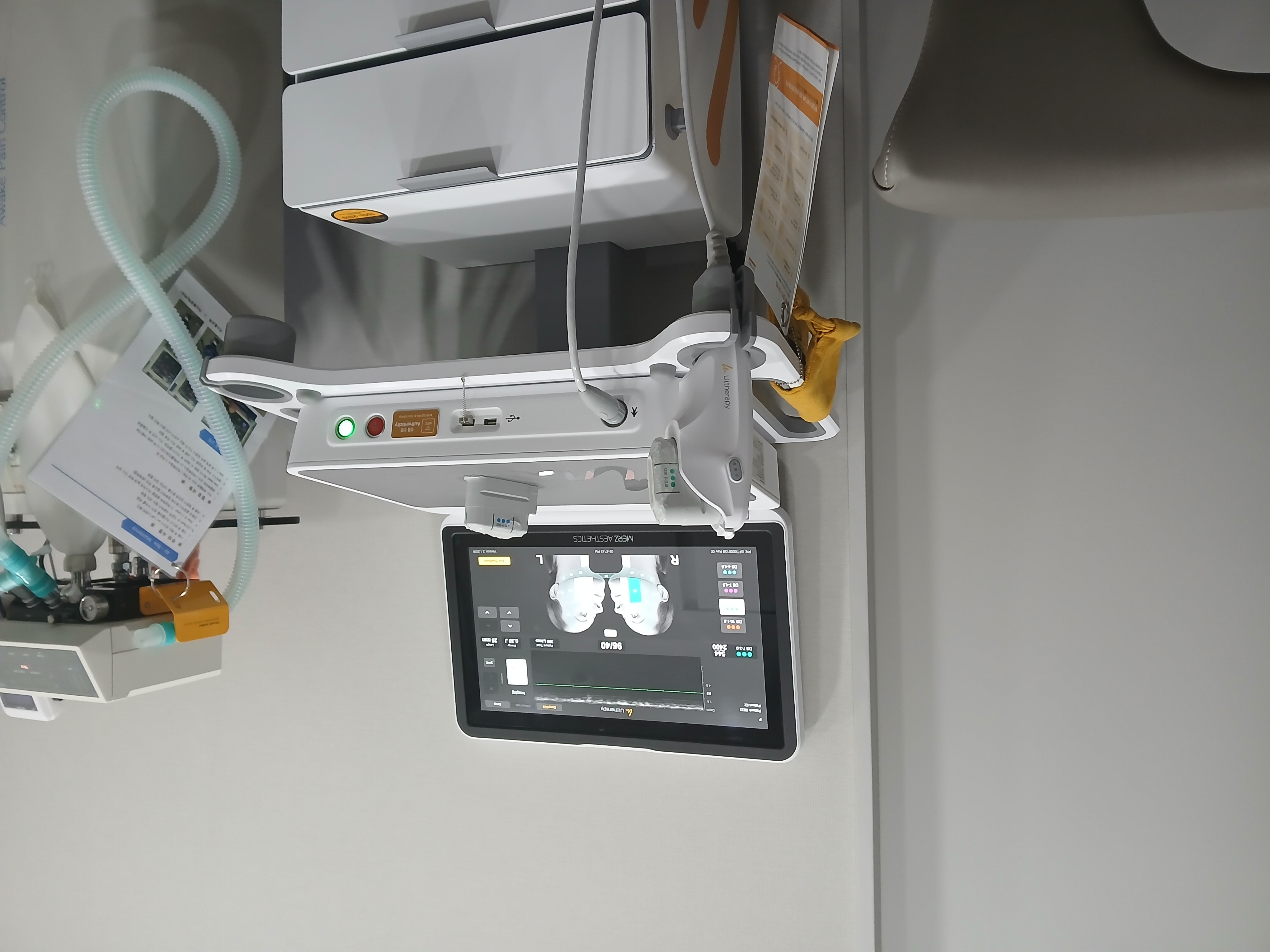
Lifting should be a plan, not just a device. At LUNN, we use a layered approach using Ultherapy, Thermage, and ONDA. Ultherapy targets the deep SMAS layer to create a strong foundation. Thermage focuses on uniform elasticity throughout the dermis, while ONDA addresses both volume reduction and tightening simultaneously. Like giving water to parched soil, combining these with skin boosters can double the effect. I personally set the parameters for each device based on the thickness of your skin and muscle resistance. It is important to note that while these treatments are effective, results may vary by individual, and multiple sessions might be necessary to achieve the desired outcome.
Non-Invasive Skin Tightening Technology and Energy Delivery
Non-invasive technologies deliver energy to the deep layers of the skin to trigger a natural healing response. These devices allow for tightening without surgical incisions. At LUNN, we use advanced ultrasound and radiofrequency systems to target specific tissue depths precisely. The delivery of energy is monitored to ensure it remains within a therapeutic range, stimulating collagen contraction and long-term remodeling. This approach is appropriate for patients who have mild to moderate skin laxity. While these treatments are generally well-tolerated, some patients may experience temporary redness or sensitivity in the treated area. The full results typically develop over several months as the body produces new collagen.
Facial Volume Restoration with Fillers for Harmony
Lifting and volumizing go hand in hand because a face that is lifted but hollow can still appear aged. Volume restoration involves the strategic use of fillers to replace fat lost in areas like the temples or under-eye hollows. At LUNN, I view fillers as a structural tool—like the "shadow erasing" strategy for dark circles caused by ligament tension. By placing fillers in the deep compartments, we recreate the natural scaffolding that holds the skin up. Potential side effects include temporary swelling or bruising at the injection site. When done correctly, this combination ensures that the face looks refreshed and balanced from every angle. I always recommend a conservative approach, as "lowering one's greed" in filler volume often leads to the most natural results. 🏥
The LUNN Approach: Achieving Natural Harmony through Detail
The LUNN approach is rooted in the belief that true aesthetic excellence is found in the details. We focus on subtle refinements that respect the natural architecture of the face while providing visible improvements.
The Philosophy of Subtle 1mm Adjustments in Cheongdam
My philosophy centers on the idea that a difference of just 1mm can completely change a person's expression and facial harmony. In the sophisticated environment of Cheongdam, I prioritize these subtle adjustments over drastic, recognizable changes. This meticulous attention to detail ensures that the lifting results appear as if you have simply had a long, restful vacation. At LUNN, every consultation is conducted directly by me, mapping out the tiny variations in symmetry and volume. By focusing on these micro-adjustments, we can create a result that is uniquely yours, preserving the character of your face while enhancing its structural integrity. This dedication to precision is what defines our clinical practice.
Safety Protocols and Managing Individual Recovery Paths
Patient safety is our highest priority. Every procedure begins with a thorough medical history and skin analysis to identify any potential contraindications. We provide detailed guidance on what to expect during recovery, as individual healing paths can vary significantly. While most lifting procedures at LUNN have minimal downtime, it is common to experience temporary side effects like mild swelling, bruising, or tenderness. Individual results and recovery times may vary. I monitor my patients closely to ensure that the healing process is progressing correctly. It is important to understand that no medical procedure is entirely without risk. By prioritizing safety and open communication, we ensure that our patients feel confident and supported throughout their journey toward a more refined appearance.
Natural Rejuvenation in 2026: Achieving Harmony Through the 1mm Difference
How to Design a Lifting Plan Based on Facial Fat Distribution: A Specialist's Perspective
Professional Guide to Precision Volumizing and Facial Harmony
Key Takeaways
- Anatomy is Foundation: Successful lifting starts with a detailed analysis of bone, fat, and muscle layers, not just the skin surface.
- Customized Vectors: Personalized mapping of lifting angles ensures that results align with natural facial expressions and movements.
- Layered Strategy: Using devices like Ultherapy, Thermage, and ONDA allows for targeted treatment of the SMAS, dermis, and fat layers.
- Synergy of Modalities: Combining energy-based tightening and volume restoration through fillers creates the most harmonious aesthetic outcome.
- Precision over Volume: Focusing on 1mm adjustments and a conservative approach aims for refined, natural results with managed recovery.
Frequently Asked Questions
Q. What exactly is facial anatomy analysis in the context of a lift?
It is a comprehensive medical evaluation of your unique bone structure, fat pad positioning, and skin elasticity performed before any treatment. I personally examine these factors to map out the deep layers and determine the most precise vectors for your lifting plan.
Q. Why is the SMAS layer so important for lifting?
The SMAS is a fibrous layer deep in the face that connects muscle to skin. Unlike the skin, it is strong enough to support the weight of facial tissues. By targeting this layer with devices like Ultherapy, we can achieve a structural lift that is more stable and natural-looking than surface-only treatments.
Q. Are the results of anatomy-based lifting guaranteed?
No medical procedure can guarantee a 100% result for every patient. While a detailed anatomical approach significantly increases the likelihood of a successful outcome, results can vary based on individual healing processes and genetics. We focus on providing realistic expectations and a plan tailored to your medical history.
Q. What are the common side effects of lifting procedures?
Temporary swelling, bruising, or mild tenderness in the treated area are common as the tissue responds to the energy delivery. These typically subside within a few days to a week. In rare cases, more significant side effects can occur, which is why a thorough evaluation by a qualified dermatologist is essential.
Q. How long does it take to see results after a session at LUNN?
Some patients notice a subtle improvement in contour immediately. However, since energy-based treatments like Ultherapy and Thermage rely on your body's natural collagen production, the full results typically emerge gradually over 2 to 6 months as the skin tightens and regenerates.
Q. How does LUNN's approach differ from "factory-style" clinics?
At LUNN, I personally handle everything from the initial consultation and anatomy analysis to the actual procedure and follow-up care. We avoid standardized, high-volume treatments, focusing instead on the "1mm difference" and a customized plan that respects your unique facial harmony.
Q. Is it necessary to combine fillers with energy-based lifting?
It depends on your specific anatomical needs. If you have significant volume loss, a lift alone might leave the face looking hollow. In such cases, we use fillers as a structural tool to restore volume in tandem with the lift for a more youthful and refreshed appearance.
LUNN / Dr. Hyung-kwon Park
FAQ
- What exactly is facial anatomy analysis in the context of a lift?
- It is a comprehensive medical evaluation of your unique bone structure, fat pad positioning, and skin elasticity performed before any treatment. By mapping these deep layers, a specialist can determine the most effective and precise vectors for lifting to ensure the results align with your natural features and facial dynamics.
- How does anatomy analysis improve thread lift results for the jawline?
- Instead of simply pulling the skin, anatomy analysis identifies the specific areas of tissue laxity and the strength of the underlying scaffolding. This allows for the strategic placement of threads to provide better structural support, ensuring a more defined jawline that does not look artificially tightened.
- Are the results of anatomy-based lifting guaranteed?
- While a detailed anatomical approach significantly increases the likelihood of a harmonious and successful outcome, results can vary based on individual healing processes, genetics, and lifestyle factors. We focus on providing realistic expectations and a customized plan based on your specific skin condition and medical history.
- Can non-invasive tightening treatments replace surgical lifting?
- Non-invasive technologies like high-intensity ultrasound or radiofrequency can provide significant tightening and rejuvenation for many patients without incisions. However, the choice between these and surgery depends on the degree of skin laxity and the individual anatomical needs identified during your consultation at the clinic.
- What are the common side effects of lifting procedures?
- Temporary swelling, bruising, or mild tenderness in the treated area are common after most lifting treatments as the tissue responds to the intervention. In rare cases, more significant side effects can occur, which is why a thorough medical evaluation and administration by a qualified professional are absolutely essential.
- How much does a customized lifting program cost at a Seoul dermatology clinic?
- Costs vary widely depending on the specific combination of modalities used, such as specialized threads, dermal fillers, or energy-based laser devices. We recommend a personalized consultation to receive a detailed treatment plan and cost estimate that is specifically tailored to your unique anatomical requirements and aesthetic goals.
- How long does it take to see results after an anatomy-led lifting session?
- Some immediate improvement in facial contour is often visible, particularly with treatments like thread lifting or volume restoration with fillers. However, the full effects of skin tightening and collagen stimulation typically emerge over several weeks or months as the tissue heals and settles into its new, rejuvenated position.