
Post
A Specialist's 2026 Guide to the Multilayer Lifting Technique: Achieving Facial Harmony at LUNN
Hello, I am Dr. Park Hyung-kwon, a board-certified dermatologist at LUNN Dermatology Clinic in Cheongdam.
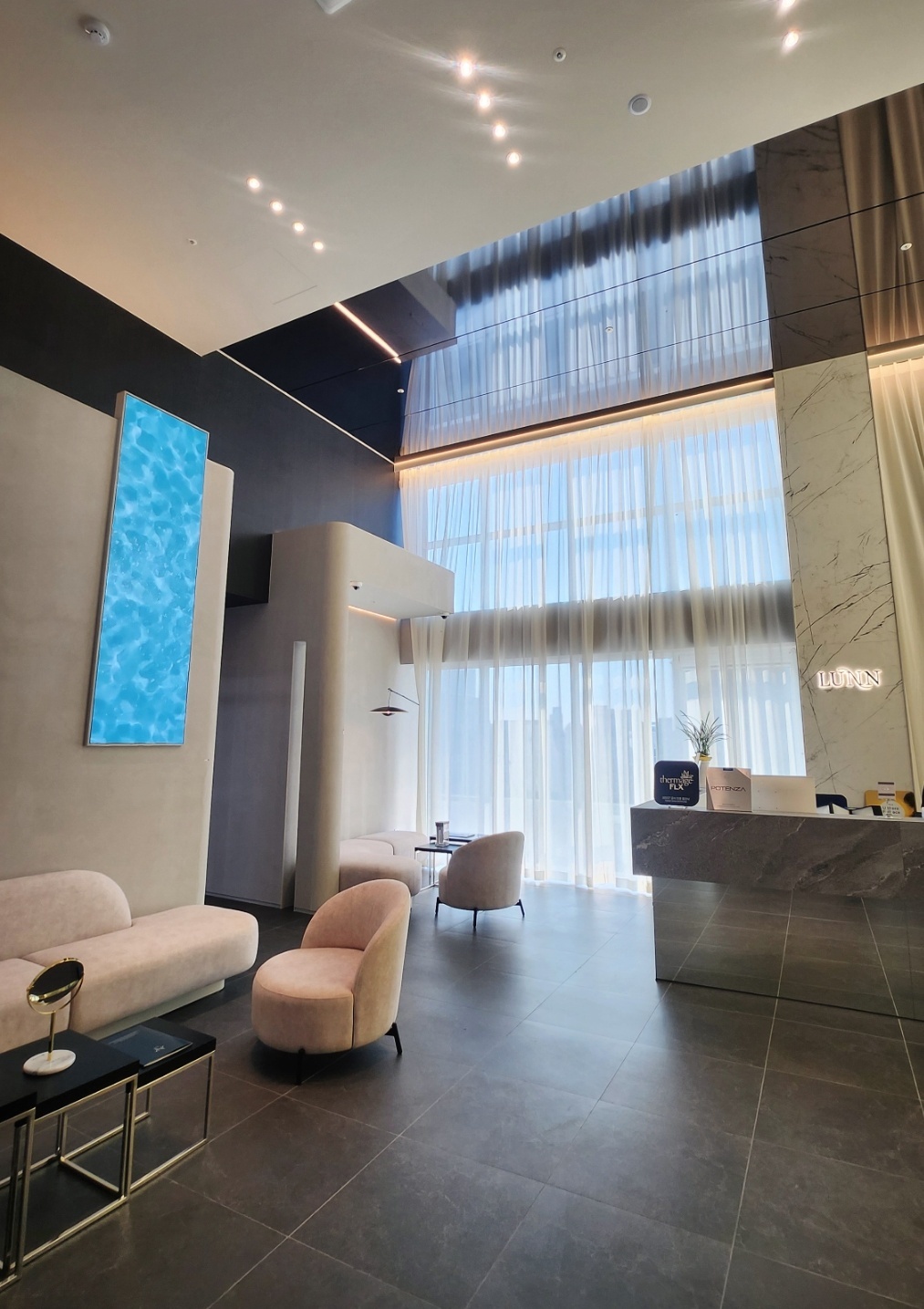
In the ever-evolving landscape of aesthetic medicine in 2026, the multilayer lifting technique stands as a testament to the pursuit of natural, harmonic refinement rather than artificial tightening. This approach focuses on the complex, three-dimensional structure of the face, ensuring that every layer—from the deep muscular plane to the superficial skin—is addressed with surgical-like precision without the need for invasive incisions. By understanding the unique anatomy of each patient, we move beyond generic procedures to provide a sophisticated lifting experience that respects the individual's natural contours and facial expressions.
What is the Multilayer Lifting Technique for Facial Rejuvenation?
The multilayer lifting technique is a comprehensive dermatological approach that targets multiple anatomical depths, including the epidermis, dermis, and the Superficial Musculoaponeurotic System (SMAS), to achieve structural facial rejuvenation. Unlike traditional methods that may only address the skin surface, this methodology acknowledges that aging occurs across different biological planes. By delivering energy or regenerative stimulants to specific depths, we can address sagging at its foundation while simultaneously improving skin texture and elasticity. This ensures that the results are not just visible on the surface but are supported by a reorganized internal structure that mimics the resilience of younger tissue.
Defining the Multilayer Approach to Skin Structure
To achieve true facial harmony, we must view the skin not as a single sheet, but as a complex architectural system comprising several functional layers. In my clinical practice at LUNN, the multilayer approach begins with a detailed assessment of the epidermis for texture, the dermis for collagen density, and the subcutaneous layers for structural integrity. Each layer requires a specific type of intervention; for instance, the deep dermis, located approximately 3.0mm beneath the surface, requires thermal energy to trigger neocollagenesis. By addressing these layers sequentially or simultaneously, we create a synergistic effect that no single-depth treatment can replicate. Clinical observations suggest that targeting multiple depths can significantly enhance overall skin elasticity and density compared to surface-level interventions alone, though individual results may vary based on skin condition. This strategy allows us to refine the 1mm details that differentiate a generic result from a naturally revitalized appearance, ensuring each patient maintains their unique character while achieving a refreshed look.
How Targeting SMAS and Dermis Differs from Surface Treatments
The fundamental difference between professional multilayer techniques and standard surface treatments lies in the depth of engagement, specifically targeting the SMAS layer found at depths of 4.5mm. Surface-level treatments primarily focus on the epidermis, providing improvements in fine lines or pigment; however, for patients with deeper structural laxity, addressing the underlying planes is often necessary to achieve a more comprehensive lifting effect. At LUNN, we utilize advanced technology to reach the SMAS layer, which serves as the scaffolding for the entire face. When this layer is tightened, the overlying skin naturally follows, resulting in a more sustainable and structural lift. A significant portion of facial structural support is derived from these deep ligaments and fascia, and addressing them is key to a lasting result. By focusing on these deep planes, we avoid the 'over-pulled' look often associated with aggressive surface tightening. This depth-specific targeting is crucial for patients experiencing moderate sagging, as it restores the natural vectors of the face rather than simply stretching the skin, providing a more balanced and durable outcome.
Scientific Mechanisms of LUNN Multilayer Restoration
Scientific mechanisms of LUNN multilayer restoration involve the controlled delivery of thermal or mechanical energy to stimulate the body's natural healing response across different tissue depths. By inducing micro-thermal zones in the SMAS and dermis, we trigger a cascade of biological events that lead to the remodeling of existing fibers and the synthesis of new structural proteins. This process is not instantaneous; it relies on the slow, physiological maturation of collagen over several weeks. This biological timeframe ensures that the transformation is gradual and natural, aligning with the 2026 standard of subtle, high-end aesthetic refinement that avoids the appearance of sudden medical intervention.
Stimulating Collagen Regeneration Across Different Depths
Collagen regeneration is the cornerstone of long-term facial rejuvenation, and at LUNN, we focus on stimulating this protein at multiple levels to ensure comprehensive skin density. The dermis contains a high concentration of Type I and Type III collagen, which provide tensile strength and flexibility. When we apply precise energy to the deep dermis (3.0mm) and upper dermis (1.5mm), it causes immediate collagen contraction followed by a secondary healing phase. Research indicates that the peak of new collagen synthesis typically occurs between 2 and 3 months post-procedure, with remodeling continuing for up to 6 months. By distributing this energy across multiple planes, we ensure that the entire skin thickness is reinforced. This prevents the thinning of skin that often accompanies aging. In our clinical experience, patients who receive multilayer stimulation show a more uniform improvement in skin thickness, which contributes to a healthy, youthful glow that appears to radiate from within, rather than just a superficial shine.
The Role of Ligament Support in Sustained Lifting Results
Facial ligaments act as the anchors that hold the skin and soft tissues against the bone, and their role is pivotal in the multilayer lifting philosophy. Over time, these retaining ligaments can weaken or stretch, leading to the descent of the midface and the formation of jowls. The multilayer technique at LUNN specifically targets the areas surrounding these ligaments to provide a 'vector lift' that reinforces these natural anchors. By tightening the tissues around the zygomatic and mandibular ligaments, we can achieve a more defined jawline and cheek contour. Clinical experience indicates that structural support is notably more effective when the deep anchoring points are addressed in conjunction with the soft tissue, providing a more stable foundation for the face. This mechanical reinforcement is essential for the longevity of the results, as it provides a stable foundation that resists the effects of gravity more efficiently. Addressing the ligamentous support ensures that the lifting effect remains harmonic even during dynamic facial movements, preventing the stiffness often seen in less sophisticated procedures.
Multilayer Lifting vs. Conventional Single-Depth Procedures
Multilayer lifting vs. conventional single-depth procedures represents the evolution from a one-dimensional treatment to a holistic facial refinement strategy. While single-depth procedures might offer a quick fix for specific concerns like surface wrinkles, they lack the structural depth required to address comprehensive facial aging. In contrast, the multilayer approach at LUNN integrates various depths to provide a three-dimensional restoration. This comparative analysis is essential for patients to understand why a more nuanced, multifaceted plan is often superior for achieving long-lasting and natural-looking results in a luxury clinical setting.
Comparative Analysis: Depth, Efficacy, and Naturalness
When comparing multilayer lifting to traditional single-depth methods, the distinction in efficacy and naturalness becomes clear through the targeted depths of intervention. Single-depth treatments typically utilize a single frequency or depth setting, which may not account for the varying thickness of skin across different areas of the face. The multilayer technique, however, allows for a customized distribution of energy. For example, the thin skin around the eyes may require a 1.5mm focus, while the heavier tissue of the cheeks requires 4.5mm depth. This precision ensures that energy is delivered only where it is most effective, minimizing unnecessary trauma to adjacent tissues. In our practice, patients undergoing multilayer procedures report high satisfaction levels regarding the 'naturalness' of their results compared to those receiving high-intensity single-layer treatments. By creating tension across several planes, we avoid the unnatural flatness that can occur when only one layer is tightened, preserving the three-dimensional harmony of the face.
| Feature | Single-Depth Treatment | LUNN Multilayer Technique |
|---|---|---|
| Target Layers | Specific Dermal Layer | Epidermis, Dermis, and SMAS |
| Structural Support | Surface-focused | Multi-dimensional tensioning |
| Collagen Growth | Single-plane stimulation | Multi-level stimulation |
| Longevity | Varies by patient | Sustained through deep remodeling |
| Aesthetic Focus | Targeted refinement | Comprehensive harmonic refinement |
Determining Which Approach Suits Your Unique Skin Profile
Selecting the right procedure at LUNN involves a rigorous analysis of your skin’s biological age, thickness, and elasticity levels. Not every patient requires a deep multilayer approach; younger individuals with early-stage laxity may benefit from focused dermal treatments, while those with more significant sagging usually require SMAS-level engagement. During a consultation, we use high-resolution imaging to map the layers of your skin, identifying where the most significant loss of support has occurred. This data-driven approach ensures that the treatment plan is medically sound and tailored to your specific needs. It is important to note that individuals with very thin skin or certain underlying conditions may require a modified approach to avoid over-correction. By balancing scientific evidence with clinical expertise, we help you navigate the various options to find the synergy that best achieves your aesthetic goals. Understanding your skin's unique profile is the first step toward a successful and satisfying rejuvenation journey that feels authentically like you.
Precautions and Safety Standards for Deep Layer Procedures
Precautions and safety standards for deep layer procedures at LUNN are paramount to ensuring a comfortable and effective patient experience. While these non-invasive techniques are designed to minimize risk, any procedure that targets deep tissue layers requires careful management and expert oversight. We prioritize patient education, ensuring that everyone who visits us understands the physiological process their skin will undergo, including the expected recovery timeline and potential temporary responses. Our commitment to safety is reflected in our individualized planning, which accounts for the specific sensitivities and recovery capacities of each patient, ensuring that the path to refinement is as smooth as possible.
Managing Potential Temporary Side Effects and Recovery
As with any effective dermatological intervention, the multilayer lifting technique may involve some temporary side effects as the body responds to the treatment. At LUNN, we inform patients that mild erythema (redness) and slight edema (swelling) are common and typically resolve within 24 to 48 hours. These are physiological indicators that the deep tissue has been successfully stimulated. In some cases, a mild tingling or tenderness along the jawline may persist for a few days, which is a normal part of the SMAS-layer healing process. We recommend avoiding strenuous exercise for 48 hours, and staying away from saunas or extreme heat for at least one week to minimize the risk of prolonged swelling. While rare, temporary numbness or bruising can occur in sensitive areas, and these should be discussed with a specialist if they persist beyond the expected recovery window. By following our post-care protocols, patients can ensure their recovery is rapid and that the final results are optimized through healthy tissue regeneration.
Individualized Planning to Prevent Over-Correction
The hallmark of a professional clinic like LUNN is the prevention of over-correction, ensuring that the lifting effect remains subtle and sophisticated. Over-correction, or the "windblown" look, often results from an aggressive application of energy without considering the patient's individual facial dynamics. To prevent this, we utilize a conservative, layered approach, often preferring multiple sessions or a balanced energy distribution across depths rather than a single high-intensity pass. This allows us to monitor the skin’s response and adjust the treatment plan accordingly. Individual results may vary based on lifestyle factors, age, and biological response to collagen stimulation. Furthermore, we emphasize that while the multilayer technique is highly effective, it does not stop the natural aging process; rather, it provides a more youthful baseline. Consistent maintenance and a dedicated skincare regimen are necessary to preserve the refined harmony achieved through these deep layer procedures. For more information on complementary treatments, you might explore A Specialist's 2026 Guide to Ultherapy Prime at LUNN in Seoul: Achieving Facial Harmony or read about our Cheongdam Luxury Dermatology Services.
Frequently Asked Questions
Q. What exactly does multilayer lifting mean in dermatology?
Multilayer lifting refers to a specialized technique where the physician targets multiple tissue depths—including the epidermis, dermis, and the SMAS (muscular) layer—simultaneously or sequentially to achieve a comprehensive lifting effect. This method ensures that the face is rejuvenated from its foundation up to the surface, rather than just treating superficial concerns. It is a hallmark of modern, non-invasive facial refinement.
Q. Is the multilayer lifting technique painful?
While individual sensitivity varies, most patients experience a deep warming sensation or mild tingling during the procedure. At LUNN, we utilize precise energy delivery to maintain comfort and can apply localized numbing agents if necessary to ensure a pleasant experience. Most patients find the sensation quite manageable given the non-surgical nature of the treatment.
Q. How long do the results of a multilayer procedure typically last?
Longevity depends on the specific devices used and the patient’s initial skin condition, but results often last for several months to over a year. As collagen continues to remodel post-treatment, improvements can be observed for quite some time, although the natural aging process will eventually continue. Regular maintenance sessions can help sustain the harmonic lifting effect over the long term.
Q. What are the common side effects of deep tissue lifting?
Patients may experience temporary redness, mild swelling, or slight tenderness in the treated area immediately following the session. These symptoms typically resolve within 2 to 3 days without further intervention. While rare, temporary numbness or minor bruising may occur, and we always provide a detailed consultation to discuss these possibilities and how to manage them.
Q. Can I return to work immediately after the session?
Most multilayer lifting procedures are non-invasive, allowing patients to return to their daily activities immediately with no significant downtime. However, we do recommend avoiding strenuous exercise for the first 48 hours and high-heat environments like saunas for one week to minimize any potential swelling. This makes it an ideal 'lunchtime' procedure for busy professionals in Cheongdam.
Q. Who is the ideal candidate for a multilayer lifting technique?
It is most effective for individuals noticing early to moderate sagging or a loss of facial volume who wish to avoid surgery. A detailed consultation at LUNN is required to determine if your skin thickness and elasticity are suitable for this specific depth-targeted approach. We tailor each plan to ensure it matches the anatomical needs and aesthetic goals of the patient.
Q. Are the results of this technique visible immediately?
Some immediate tightening may occur due to heat-induced collagen contraction, but the most significant improvements usually appear gradually over 2 to 3 months. This delay is due to the natural biological process of new collagen synthesis and tissue remodeling within the deeper layers. The final result is a more durable and natural-looking rejuvenation compared to temporary surface fixes.
Key Takeaways
- Targeted Depth: The multilayer technique addresses the SMAS, dermis, and epidermis for a structural lift.
- Natural Results: By engaging deep ligaments, we avoid the 'over-pulled' look and maintain facial harmony.
- Collagen Remodeling: Peak improvements occur 2-3 months post-treatment as new collagen matures.
- Minimal Downtime: Most patients can resume normal activities immediately, with only temporary redness or swelling.
- Individualized Care: Success depends on a customized plan tailored to the unique skin profile of each patient at LUNN.
Refining the Details. Achieving Natural Harmony.
LUNN Dermatology Clinic / Dr. Park Hyung-kwon
Connect with us on Threads: @dr.lunn
FAQ
- What exactly does multilayer lifting mean in dermatology?
- Multilayer lifting refers to a specialized technique where the physician targets multiple tissue depths—including the epidermis, dermis, and the SMAS (muscular) layer—simultaneously or sequentially to achieve a comprehensive lifting effect. This method ensures that the face is rejuvenated from its foundation up to the surface, rather than just treating superficial concerns. It is a hallmark of modern, non-invasive facial refinement.
- Is the multilayer lifting technique painful?
- While individual sensitivity varies, most patients experience a deep warming sensation or mild tingling during the procedure. At lunnclinic, we utilize precise energy delivery to maintain comfort and can apply localized numbing agents if necessary to ensure a pleasant experience. Most patients find the sensation quite manageable given the non-surgical nature of the treatment.
- How long do the results of a multilayer procedure typically last?
- Longevity depends on the specific devices used and the patient’s initial skin condition, but results often last for several months to over a year. As collagen continues to remodel post-treatment, improvements can be observed for quite some time, although the natural aging process will eventually continue. Regular maintenance sessions can help sustain the harmonic lifting effect over the long term.
- What are the common side effects of deep tissue lifting?
- Patients may experience temporary redness, mild swelling, or slight tenderness in the treated area immediately following the session. These symptoms typically resolve within 2 to 3 days without further intervention. While rare, temporary numbness or minor bruising may occur, and we always provide a detailed consultation to discuss these possibilities and how to manage them.
- Can I return to work immediately after the session?
- Most multilayer lifting procedures are non-invasive, allowing patients to return to their daily activities immediately with no significant downtime. However, we do recommend avoiding strenuous exercise or high-heat environments like saunas for the first 24 to 48 hours to minimize any potential swelling. This makes it an ideal 'lunchtime' procedure for busy professionals in Cheongdam.
- Who is the ideal candidate for a multilayer lifting technique?
- It is most effective for individuals noticing early to moderate sagging or a loss of facial volume who wish to avoid surgery. A detailed consultation at lunnclinic is required to determine if your skin thickness and elasticity are suitable for this specific depth-targeted approach. We tailor each plan to ensure it matches the anatomical needs and aesthetic goals of the patient.
- Are the results of this technique visible immediately?
- Some immediate tightening may occur due to heat-induced collagen contraction, but the most significant improvements usually appear gradually over 2 to 3 months. This delay is due to the natural biological process of new collagen synthesis and tissue remodeling within the deeper layers. The final result is a more durable and natural-looking rejuvenation compared to temporary surface fixes.