
Post
A Specialist's 2026 Guide to Non-Surgical Lifting for Collagen Production: Achieving Facial Harmony at LUNN
Non-surgical skin lifting is a sophisticated dermatological category that utilizes energy-based devices to provide biological stimulation of new collagen.
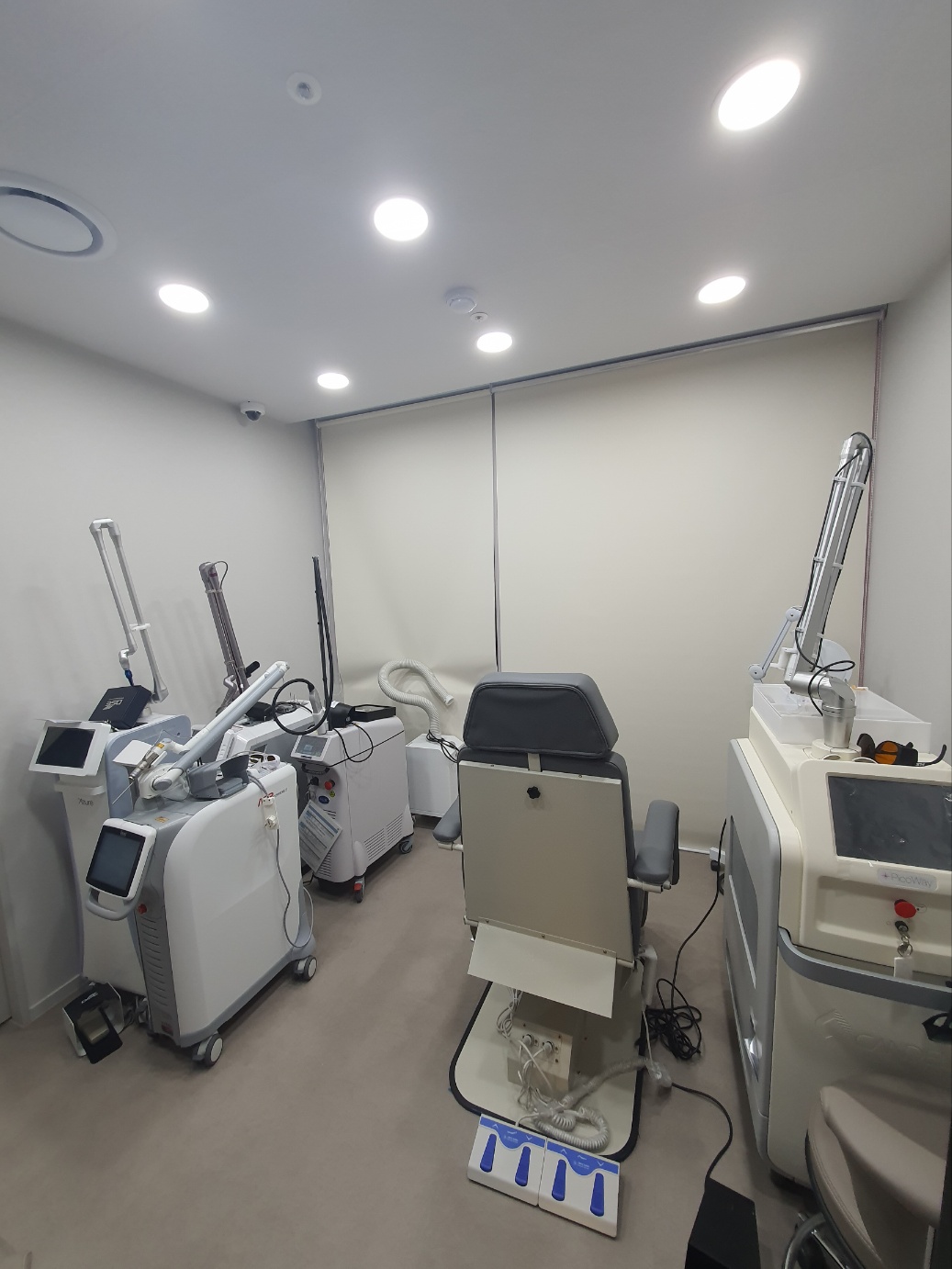
This approach allows for natural-looking rejuvenation by reinforcing the skin's underlying structure without the need for invasive surgery. Hello, I am Dr. Hyeong-gwon Park, a board-certified dermatologist at LUNN (Lunn Dermatology Clinic). At our clinic in Cheongdam, we focus on "Refining the Details" to achieve perfect facial harmony through a meticulous, evidence-based approach.
Understanding Energy-Based Lifting for Natural Collagen Production
Lifting for collagen production is a process where advanced medical devices are used to deliver energy to specific skin layers, inducing a controlled regenerative response. This method leverages the body's natural healing capabilities to improve skin elasticity and firmness over time. By selecting the correct depth and energy levels, we can address age-related volume loss and laxity, ensuring the results remain subtle and harmonious with the patient's unique facial features.
How Precision Lifting Stimulates Collagen
Modern lifting represents a sophisticated intersection of structural support and biological stimulation. At LUNN, we focus on "Layer-by-Layer Design" rather than just using a single device. As I often tell my patients, treating the face without a structural plan is like trying to fix a house by only changing the wallpaper; the foundation must be addressed first. We utilize devices that target different depths—from the deep SMAS layer to the superficial dermis—to activate fibroblasts. This process of neocollagenesis continues for months after the initial treatment, providing a structural scaffold that maintains the skin's firmness. Clinical observations suggest that many patients notice a visible improvement in skin texture and contouring within 8 to 12 weeks, though individual results may vary depending on skin condition and metabolic factors.
The Biological Process of Neocollagenesis
The biological stimulation provided by lifting treatments is a phased response. Initially, the energy (whether ultrasound, radiofrequency, or microwaves) creates a micro-thermal environment that signals the body to repair the area by deploying growth factors. Over the following 3 to 6 months, the treated areas undergo a remodeling process where old, fragmented collagen is replaced by a dense network of new Type I and Type III collagen fibers. This newly formed collagen creates a natural support system that remains long after the treatment session. The quality of this response is influenced by the patient's age and overall skin health, necessitating a customized approach for every individual to ensure the best possible regenerative results.
Why a Tailored Plan Matters for Facial Harmony
Understanding the distinctions between various lifting modalities is crucial for achieving a balanced look. While some treatments focus on tightening the surface, others are designed to lift deeper tissues. The procedure time typically varies from 30 to 60 minutes, and most patients can return to their daily routines almost immediately. For individuals with mild to moderate laxity, non-surgical lifting offers a way to achieve a refreshed appearance with a lower risk profile than surgical alternatives. By consulting a board-certified dermatologist in Seoul, patients can receive a "맞춤형 설계" (customized design) that aligns with their specific anatomical needs and aesthetic goals.
Comparing Lifting Modalities for Maximum Collagen Synthesis
Selecting the right modality involves evaluating the patient's skin thickness and structural aging patterns. At LUNN, we categorize lifting into three main pillars—Ultherapy, Thermage, and ONDA—to determine the best path for collagen induction and longevity. Each technology offers a different thermal profile and depth of penetration, which influences how long the lifting effect lasts and how much structural support is provided.
Ultherapy vs. Thermage vs. ONDA: Choosing the Right Modality
The selection of a lifting device is a critical decision that impacts both the immediate result and the long-term collagen-building process. Ultherapy utilizes Micro-Focused Ultrasound to target the SMAS layer, providing deep structural lifting. Thermage uses radiofrequency to provide uniform heating to the dermis, which is ideal for overall skin tightening and elasticity. ONDA (microwave technology) is particularly effective for patients who need to address both volume reduction and skin tightening simultaneously. At LUNN, I evaluate the tissue thickness and facial structure of each patient to recommend the modality—or combination—that will provide the most sustainable structural support and natural-looking rejuvenation.
| Modality | Primary Target Layer | Best For | Typical Benefit |
|---|---|---|---|
| Ultherapy | SMAS (Deep Layer) | Structural Lifting & Jawline | Deep support & contouring |
| Thermage | Dermis (Surface Layer) | Skin Tightening & Fine Lines | Improved elasticity & texture |
| ONDA | Subcutaneous & Dermis | Volume Control & Lifting | Contouring & tightening |
Selecting Treatments Based on Individual Skin Needs
Determining the appropriate treatment requires a comprehensive analysis of the patient's current skin elasticity. For patients with thinner skin, Thermage may be the priority to improve skin density without affecting facial volume. Conversely, individuals with more significant sagging in the mid-face or jawline typically benefit from the deep reach of Ultherapy. By integrating these techniques into a 3D facial contouring program, we can address the face as a holistic unit. This specialized approach ensures that the energy vectors align with the natural movements of the face, avoiding an over-treated appearance while maximizing the long-term benefits of collagen synthesis.
The LUNN Approach: Strategic Placement for Facial Harmony
The LUNN approach emphasizes the importance of strategic placement and anatomical precision. We believe that a 1mm difference in energy placement can lead to a significant difference in the final impression. By focusing on the unique contours and muscle movements of each individual, we create a result that looks refreshed and youthful rather than artificial.
The Science of Precise Placement and Vectoring
Achieving natural-looking results requires extreme precision. At LUNN, I emphasize that the direction of the energy vector is just as important as the energy level itself. Improper placement can lead to an unnatural facial shape, whereas precise vectoring respects the natural fat pads and ligamentous structures of the face. We utilize advanced assessment techniques to identify the optimal treatment paths tailored to the patient's specific bone structure and soft tissue distribution. By focusing on these minute details, we aim to improve skin tension in targeted areas to achieve a more refreshed appearance while maintaining the patient's ability to express emotions naturally.
Targeting the SMAS Layer for Structural Skin Support
For a lifting treatment to be effective at a structural level, it must target the Superficial Musculoaponeurotic System (SMAS) layer. By delivering energy precisely to this structural layer, we can achieve a durable lift that supports the heavier tissues of the lower face. This deep treatment ensures that the collagen produced during the healing process forms in a location that offers maximum structural integrity. While the initial tightening provides an early boost, it is the body's response in this deep tissue layer that sustains the results over 12 to 18 months. Targeting the SMAS layer requires thorough knowledge of facial nerves and vessels, highlighting the importance of choosing a specialist who prioritizes patient safety and anatomical expertise.
Managing Expectations: Why Individual Results May Vary
It is essential for patients to understand that biological rejuvenation is a gradual process. Factors such as age, lifestyle, metabolic rate, and baseline collagen quality all play a role in how the body responds. While many patients experience significant improvement, those with severe skin laxity may find that the results are more subtle or require supplemental treatments like 스킨부스터 (skin boosters) to improve the internal skin environment. At LUNN, I provide a realistic assessment to ensure patients have a clear understanding of what the procedure can achieve. We discuss how peak collagen production typically occurs months after the session, meaning the full aesthetic benefits take time to manifest. By setting honest expectations, we help our patients navigate their rejuvenation journey with confidence.
Ensuring Safety and Maximizing Long-Term Benefits
Ensuring safety involves a combination of rigorous clinical standards and appropriate patient selection. By following a structured protocol, patients can minimize risks and enhance the quality of the collagen produced by their skin. This holistic approach ensures that the aesthetic improvements are supported by a healthy dermal environment.
Potential Side Effects and Essential Aftercare
Like any medical procedure, energy-based lifting involves potential side effects that must be managed. Common experiences include temporary redness, mild swelling, or a slight tingling sensation, which generally resolve within a few days. To minimize risks, we recommend avoiding high-heat environments like saunas or intense exercise for about one week following the treatment. At LUNN, we provide detailed aftercare instructions to protect the skin during the initial healing phase. While rare, more serious risks like temporary nerve sensitivity or blistering can occur, which is why we maintain a high standard of clinical safety and provide accessible follow-up care to address any concerns that may arise during the recovery period.
Combining Lifting with Other Synergistic Modalities
To achieve a more comprehensive rejuvenation, lifting can be combined with other treatments that further stimulate the skin's regenerative capacity. For instance, integrating precision filler design can address localized volume loss that energy devices alone might not fully correct. I often tell my patients that combining skin boosters with lifting is like watering a garden before you sun it—the results are significantly better. This multi-layered strategy allows us to customize the rejuvenation process, providing a tailored solution that meets the diverse needs of our patients while maintaining a commitment to natural-looking and evidence-based results.
The Importance of Seeking Expertise from a Board-Certified Specialist
The success of a lifting procedure is fundamentally dependent on the skill and judgment of the practitioner. A board-certified specialist possesses the deep anatomical knowledge required to avoid complications and the aesthetic judgment necessary to create a balanced result. Choosing a clinic like LUNN means your treatment is performed in a medical environment that strives to provide high standards of safety and personalized care. A specialist will be able to accurately determine the optimal "parameter" (energy setting) for your specific skin thickness, ensuring the procedure is efficient and effective. By investing in professional expertise, patients can significantly reduce their risk of adverse outcomes and ensure a natural and lasting improvement in their facial harmony.
Frequently Asked Questions
Q. How long does it take to see results after a lifting treatment?
While some immediate tightening may be visible due to collagen fiber contraction, the full biological effect takes time to develop. Biological collagen production typically peaks around 2 to 3 months post-procedure. Most patients notice the most significant improvements in skin firmness and contouring during this period.
Q. Are the results of Ultherapy or Thermage permanent?
The results are not permanent, as the natural aging process continues. While the treatment stimulates significant new collagen that can last 12 to 18 months, maintenance sessions are usually recommended every year or two to sustain the lifting effect. Factors like sun exposure and lifestyle will influence the longevity of the results.
Q. Is the procedure painful?
Discomfort levels vary by individual and the specific device used. We utilize various pain management protocols to ensure the experience is as comfortable as possible. Most patients describe the sensation as a deep heat or a prickling feeling, which is temporary and subsides immediately after the treatment.
Q. What are the common side effects?
Common side effects include mild redness, temporary swelling, and tenderness in the treated area. These typically resolve within a few hours to a few days. Rare side effects like temporary numbness or small welts can occur, but these are generally self-limiting and resolve with proper care.
Q. Can I return to work immediately?
Yes, one of the primary benefits of these non-surgical treatments is that there is minimal to no downtime. Most patients can return to work or social activities immediately after the session. We simply advise using sun protection and avoiding extreme heat (like saunas) for a few days.
Q. How do I know which device is right for me?
Choosing between Ultherapy, Thermage, or ONDA depends on your specific skin thickness, fat distribution, and aging concerns. A detailed consultation with a board-certified dermatologist is necessary to analyze your facial anatomy and design a plan that targets the appropriate layers for your goals.
Q. Is lifting suitable for everyone?
Lifting treatments work best for individuals with mild to moderate skin sagging. Those with very severe laxity may have more limited results and might require a combination of treatments or surgical consultation. A thorough evaluation of your health profile and skin condition is required to determine candidacy.
Key Takeaways
- Biological Stimulation: Treatments like Ultherapy and Thermage provide immediate tightening and long-term collagen production (neocollagenesis).
- Layered Design: Achieving facial harmony requires targeting different skin layers—from the superficial dermis to the deep SMAS layer.
- Precision at LUNN: We believe a 1mm difference in vectoring is crucial for natural results that respect individual anatomy.
- Realistic Expectations: Results are gradual, with peak improvements appearing 2 to 3 months post-procedure; individual outcomes will vary based on metabolism and age.
- Safety First: Choosing a board-certified specialist and following professional aftercare is vital for minimizing risks such as swelling or redness.
Refining the Details. Achieving Perfect Harmony.
LUNN / Dr. Hyeong-gwon Park
FAQ
- How long does it take to see collagen production after a thread lift?
- Initial lifting is visible immediately due to the physical tension of the threads, but the biological collagen production typically peaks around 2 to 3 months post-procedure. As the threads begin to dissolve, the body replaces them with new collagen fibers, leading to gradual improvements in skin texture and firmness. Most patients notice the most significant changes in their skin quality during this secondary phase of the healing process.
- Are the results of a thread lift permanent?
- The results of a thread lift are not permanent, as the materials used are designed to be absorbed by the body. While the threads themselves dissolve within 6 to 12 months, the newly formed collagen can sustain the lifting effect for approximately 12 to 18 months. Factors like individual metabolism, age, and lifestyle choices such as sun exposure will influence how long the final results remain visible.
- Is thread lifting painful during or after the procedure?
- We use local anesthesia to minimize discomfort during the insertion process, making the procedure quite manageable for most patients. After the treatment, you may experience mild soreness, swelling, or a tugging sensation for a few days as the tissues adjust. These symptoms are generally mild and can be managed with standard over-the-counter pain relief and proper aftercare as directed by your specialist.
- What are the common side effects I should be aware of?
- Common side effects include temporary bruising, swelling, and minor skin dimpling at the entry or exit points of the threads. These issues typically resolve within 5 to 7 days as the threads settle and the initial inflammatory response subsides. While rare, more significant complications like infection or thread migration are possible, which is why seeking treatment from a board-certified professional is essential for safety.
- Can I return to daily activities immediately after the treatment?
- Most patients are able to return to light daily activities within 24 to 48 hours after the procedure. However, it is highly recommended to avoid strenuous exercise, heavy lifting, and intense facial movements for at least two weeks. We also advise against scheduling dental work or facial massages during this time to prevent the threads from shifting before they have properly anchored in the tissue.
- How many threads are typically required for a full face treatment?
- The number of threads required varies significantly based on the patient's individual skin laxity, tissue thickness, and desired aesthetic outcome. On average, a full face treatment may involve 10 to 12 threads to ensure a balanced and effective lift across the mid and lower face. A personalized consultation is necessary to determine the specific quantity and type of threads needed for your unique facial structure.
- Is thread lifting suitable for everyone looking for skin tightening?
- Thread lifting works best for individuals with mild to moderate skin sagging who have sufficient skin thickness to support the sutures. Those with severe skin laxity, very thin skin, or realistic expectations for non-surgical results may be better suited for alternative or combined treatments. A thorough evaluation by a specialist is required to determine if your skin quality and health profile make you a good candidate for the procedure.