
Post
A Specialist's 2026 Guide to the 3D Facial Contouring Program: Achieving Natural Harmony at LUNN
Hello, I am Dr. Park Hyung-kwon, a dermatology specialist at LUNN. In the pursuit of aesthetic balance, I focus on the 1mm difference, which refers to the subtle nuances of volume and shadow that define a person's character and vitality. The 3D facial contouring program is not about changing who you are, but about refining your natural structure to achieve a harmonious and refreshed appearance from every angle.
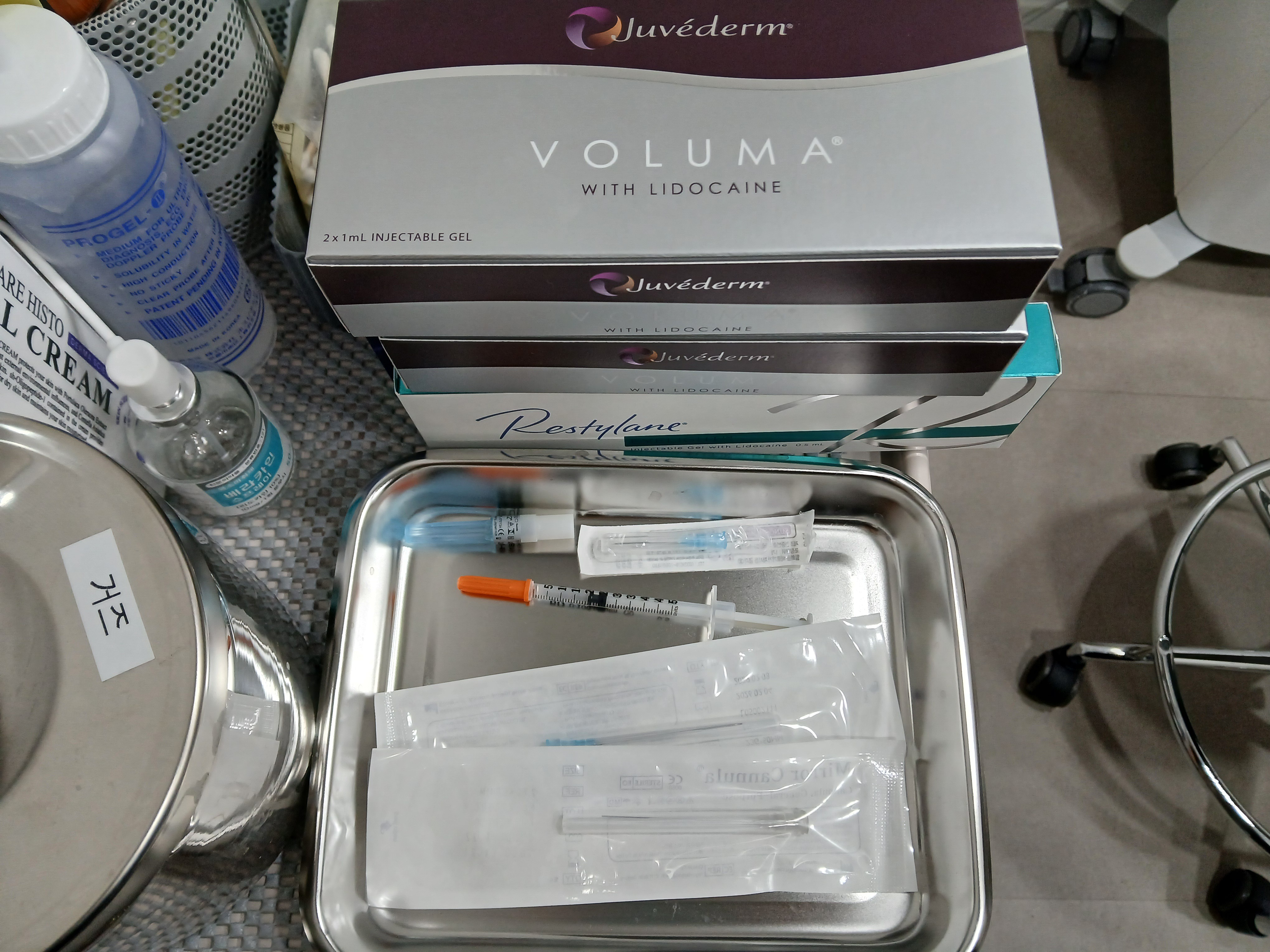
Understanding the 3D Facial Contouring Program for Balanced Beauty
A 3D facial contouring program is a comprehensive aesthetic strategy designed to harmonize facial proportions from every angle, including the front, profile, and three-quarters view, by strategically addressing volume loss and structural support. This approach focuses on the face as a three-dimensional object rather than a two-dimensional surface.
The Science of Harmonious Volume and Definition
In my practice at LUNN, I focus on the intricate balance between light and shadow. The science behind a 3D facial contouring program lies in understanding how light interacts with the skeletal and soft tissue structures of the face. As we age, the natural loss of collagen—a process that often begins in the mid-20s—leads to hollowing in the temples and mid-face, creating unwanted shadows. By utilizing high-viscosity hyaluronic acid fillers and biostimulators, we can reconstruct these lost volumes. The goal is not simply to fill a wrinkle, but to restore the underlying support system that defines the jawline and cheekbones. This multi-dimensional approach ensures that the face looks balanced not just when viewed from the front, but also from a 45-degree angle. Precision is key, as even a 1mm adjustment in the chin or temple area can significantly influence the overall facial harmony.
How 3D Contouring Differs from Traditional Filler Treatments
Traditional filler treatments often focus on a single problem area, such as deep nasolabial folds or thin lips. In contrast, the 3D facial contouring program at LUNN emphasizes the overall harmony of the facial structure, addressing the interconnected nature of volume loss to achieve a more balanced result. A 3D facial contouring program takes a global view of the face. Instead of chasing a single line, we address the structural deficits that cause that line to form. For instance, lifting the malar area can naturally soften the nasolabial folds without injecting directly into the crease. This integrated approach offers sustained aesthetic integrity, although the exact duration depends on the individual's metabolism and the product used. By managing the 1mm differences in tissue depth, we avoid the heavy, frozen appearance often associated with older techniques, ensuring a fluid and natural movement during facial expressions.
Comprehensive Comparison: 3D Facial Contouring vs. Targeted Single Area Fillers
This comparative analysis examines the transition from localized symptom-based correction to a holistic, structural approach that considers the interplay between various facial compartments. It highlights how treating the face as a single unit creates more natural transitions.
Analyzing Depth and Dimension in Facial Structure
Facial beauty is rarely about a single feature; it is about the transitions between them. When designing a 3D facial contouring program, I analyze the face as a series of interconnected planes. The depth of the injection is as critical as the volume used. Deep injections provide the foundation, mimicking bone structure, while more superficial layers refine the surface texture and light reflection. At LUNN, we utilize physical palpation to determine the exact degree of fat pad migration and bone resorption. Structural hollowing is often most prominent in the periorbital and malar regions as individuals age. By restoring these specific dimensions, we can help improve the tired appearance caused by deep-set shadows, though individual results may vary depending on skin condition. This process requires an artistic eye and a medical understanding of how different filler densities behave at various depths, aiming to help the final result remain stable and harmonious over time.
Treatment Longevity and Natural Aesthetic Outcomes
One of the primary concerns for patients at LUNN is how long their results will last and whether they will look natural. The longevity of a 3D facial contouring program varies for each patient, depending on metabolism and the specific materials selected. Because we use a combination of different filler properties, some areas may require minor touch-ups sooner than others to maintain the ideal balance. The natural outcome is achieved by respecting the 1mm rule, where we prioritize subtle refinements over drastic changes. We observe that patients who follow a layered maintenance schedule often report higher satisfaction levels because the transition is gradual and sustainable. It is important to note that while results are long-lasting, they are not permanent. This flexibility is a safety benefit, allowing the treatment to be adjusted as the face continues its natural aging process, helping the contours appear age-appropriate and refreshed.
| Feature | Targeted Single Area Fillers | 3D Facial Contouring Program |
|---|---|---|
| Primary Focus | Correcting a specific line or fold | Harmonizing the entire facial structure |
| Depth of Treatment | Usually mid to superficial dermis | Multi-layered (deep to superficial) |
| Longevity | Varies by individual | Varies by individual/product |
| Aesthetic Goal | Localized volume replacement | Shadow reduction and light reflection |
| Natural Movement | Focus on localized correction | Fluid, natural facial expressions |
The Layered Approach to Structural Refinement
The layered approach involves the meticulous placement of injectable materials across multiple anatomical planes, from the deep supraperiosteal level to the superficial dermis, to mimic natural tissue distribution. This technique ensures that the volume added integrates seamlessly with the surrounding anatomy.
Assessing Individual Bone Structure and Skin Elasticity
A successful 3D facial contouring program must begin with a rigorous assessment of the patient's unique anatomy. At LUNN, I evaluate two primary factors: the underlying bone structure and the current state of skin elasticity. Bone resorption is a natural part of aging that reduces the scaffolding of the face, while decreased elasticity leads to soft tissue sagging. If we only add volume without considering skin tension, the result may look heavy. Therefore, in cases of significant laxity, I might recommend a synergy program that combines skin-tightening technology with structural fillers. A significant number of patients seeking facial rejuvenation benefit from this dual approach. By understanding the limits of the tissue, we can determine the optimal volume of filler needed to provide lift without stretching the skin excessively. This careful calibration ensures that the refined contours remain sharp and defined, even during active facial movements like smiling or speaking.
Addressing the Shadow Effect for a Youthful Appearance
Shadows are the silent indicators of aging. Deep shadows in the temples, under the eyes, and around the mouth can make a person look perpetually exhausted, regardless of how much sleep they get. The 3D facial contouring program at LUNN is specifically designed to neutralize these negative shadows. By strategically placing fillers to catch the light, we can create a more vibrant and energized appearance. This technique involves more than just filling gaps; it requires an understanding of how light travels across the facial curves. For example, a slight projection in the chin can improve the shadow profile of the jawline, creating a clearer distinction between the face and neck. Clinical observations show that correcting these dark areas can provide a more immediate refresh than treating fine surface lines alone. We focus on the 1mm nuances of light reflection to ensure the face looks bright and harmonious from every possible perspective.
The Role of Collagen Stimulation in Long-term Definition
While traditional fillers provide immediate volume, the integration of collagen stimulators into a 3D facial contouring program offers a more sustainable path to definition. Materials such as PDLLA or calcium hydroxylapatite work by triggering the body's natural healing response to produce new collagen and elastin. At LUNN, I often use these biostimulators in the lateral areas of the face to provide a firm, lifting effect that improves over several months. Unlike immediate fillers, these results evolve naturally, with the peak effect often seen around the 3 to 6 month mark. This approach is particularly effective for patients who desire a very subtle, gradual improvement in their facial structure. By combining immediate-acting fillers with long-term biostimulators, we create a multi-phased rejuvenation plan that keeps the skin looking firm and the contours well-defined for an extended period.
Optimizing Results and Ensuring Patient Safety
Ensuring patient safety and optimal outcomes requires a combination of advanced injection techniques, high-quality biocompatible materials, and a thorough understanding of vascular anatomy to minimize risks. Professional oversight is necessary to handle the nuances of facial rejuvenation.
Precise Injection Techniques to Minimize Discomfort
Safety and comfort are the pillars of the treatment philosophy at LUNN. To ensure a positive experience during a 3D facial contouring program, I utilize precise injection techniques such as the use of micro-cannulas. Unlike traditional needles, cannulas have a blunt tip that slides through the tissue, which can significantly reduce post-procedure downtime and the risk of hitting blood vessels. Additionally, most modern fillers contain lidocaine, a local anesthetic that numbs the area during the injection. While the procedure is generally well-tolerated, I take extra care to monitor the 1mm depth of each entry point to maximize accuracy. Minor side effects such as redness or localized tenderness may occur but typically resolve within a few days. By combining anatomical expertise with gentle handling, we aim to provide a refined aesthetic result with the least amount of physical stress to the patient.
Post-Procedure Care and Managing Temporary Swelling
After undergoing a 3D facial contouring program at LUNN, proper aftercare is essential for optimizing the final result. Most patients can return to their daily routines immediately, but some temporary swelling or mild bruising is a normal part of the healing process. I usually advise patients to avoid strenuous exercise, saunas, and excessive sun exposure for at least 24 hours post-treatment. Applying a cold compress for 10 to 15 minutes during the first day can help manage initial inflammation. Swelling typically subsides within 3 to 7 days. It is important to remember that the final look of the contouring often takes about two weeks to settle as the filler integrates with the natural tissue. Regular follow-ups allow us to monitor the 1mm precision of the placement during the settling period, as individual healing processes can vary.
Identifying Suitable Candidates for Multi-Dimensional Contouring
Not every patient requires the same approach, which is why a personalized consultation is the first step at LUNN. The ideal candidate for a 3D facial contouring program is someone looking to restore lost volume, refine their profile, or address early signs of sagging without undergoing surgery. This program is suitable for a wide age range, from younger individuals wanting to enhance their natural bone structure to more mature patients seeking to reverse age-related hollowing. However, it is important to manage expectations; while the program is effective for mild to moderate concerns, those with severe skin laxity might find its results more subtle. During the assessment, I carefully screen for any contraindications, such as active skin infections. By tailoring the treatment to the individual's anatomy and goals, we achieve the most harmonious and natural-looking results.
You may also be interested in our other specialized guides:
- A Specialist's 2026 Guide to Layered Lifting at LUNN: Seeking Facial Harmony in Seoul
- A Specialist's 2026 Guide to Customized Facial Lifting Synergy: Achieving Harmony at LUNN
Frequently Asked Questions
Q. What exactly is a 3D facial contouring program?
It is a holistic treatment strategy that considers the face from every angle—front, profile, and three-quarters view—to restore lost volume and refine structural contours. This is achieved using a combination of tailored fillers and skin-tightening technologies. By addressing the underlying causes of sagging and hollowing, it provides a more comprehensive result than treating a single wrinkle.
Q. How long do the results typically last?
Individual results vary based on your metabolism and the specific materials used. Many patients experience long-lasting effects, but high-density fillers used for structural support may have different longevity compared to softer fillers used for surface refinement. Periodic maintenance helps sustain the structural harmony and prevents the re-emergence of deep shadows.
Q. Is there significant downtime associated with the procedure?
Most patients return to their daily activities immediately. However, mild swelling or bruising may occur at the injection sites, which typically resolves within a few days. We recommend avoiding strenuous exercise and high-heat environments like saunas for the first 24 hours to help the material settle correctly.
Q. Can this program replace a surgical facelift?
It is an excellent non-surgical alternative for addressing volume loss and mild to moderate sagging. While it cannot replicate the drastic results of surgery for severe skin laxity, it provides rejuvenation with minimal recovery time. For many patients, the subtle and natural improvement is preferred over the intensive nature of a surgical procedure.
Q. How do you focus on achieving natural-looking results?
At LUNN, we prioritize refining the details to achieve a balanced look that respects your original anatomy. By analyzing the 1mm differences in facial shadows and using a layered injection technique, we focus on achieving a natural look where the filler integrates with your tissues. While individual responses vary, our goal is to enhance your natural beauty.
Q. Are there any side effects I should be aware of?
Common side effects include temporary redness, tenderness, or minor lumps which usually disappear within a week. While rare, serious risks like vascular compromise are minimized through expert anatomical knowledge and precise application techniques. I conduct a thorough screening before the procedure to assess suitability. Please note that all medical procedures carry potential risks such as swelling, bruising, or rare complications.
Q. What is the recommended age to start 3D facial contouring?
There is no set age, as facial aging depends on genetics and lifestyle factors. It is suitable for younger patients in their 20s seeking better definition or mature patients in their 40s and 50s looking to restore structural support. We customize the focus of the program based on your specific aging stage.
Key Takeaways
- The 3D facial contouring program focuses on facial harmony from all angles rather than localized symptom correction.
- Result longevity varies by individual, and maintenance sessions are recommended to sustain structural balance.
- Precision is maintained through the 1mm rule, ensuring subtle and natural-looking aesthetic improvements.
- Patient safety is prioritized through advanced micro-cannula techniques and personalized consultations at LUNN.
LUNN / Dr. Park Hyung-kwon
FAQ
- What exactly is a 3D facial contouring program?
- It is a holistic treatment strategy that considers the face from every angle, including the front, profile, and three-quarters view, to restore lost volume and refine structural contours. This is achieved using a combination of tailored fillers and advanced skin-tightening technologies to create a balanced look. By addressing the underlying causes of sagging and hollowing, it provides a more comprehensive result than treating a single wrinkle.
- How long do the results typically last?
- While individual results vary based on your metabolism and the specific materials used, many patients experience refined contours for 12 to 18 months. High-density fillers used for structural support generally last longer than softer fillers used for surface refinement. Periodic maintenance helps sustain the structural harmony and prevents the re-emergence of deep shadows.
- Is there significant downtime associated with the procedure?
- Most patients return to their daily activities immediately after the session. However, mild swelling or bruising may occur at the injection sites, which typically resolves within a few days. We recommend avoiding strenuous exercise and high-heat environments like saunas for the first 24 hours to ensure the material settles correctly.
- Can this program replace a surgical facelift?
- It is an excellent non-surgical alternative for addressing volume loss and mild to moderate sagging. While it cannot replicate the drastic results of surgery for severe skin laxity, it provides significant rejuvenation with minimal recovery time. For many patients, the subtle and natural improvement is preferred over the intensive nature of a surgical procedure.
- How do you ensure the results look natural and not overfilled?
- At lunnclinic, we prioritize refining the details to achieve a balanced look that respects your original anatomy. By analyzing the 1mm differences in facial shadows and using a layered injection technique, we ensure the filler integrates with your tissues. The goal is to enhance your natural beauty rather than creating an artificial or frozen appearance.
- Are there any side effects I should be aware of?
- Common side effects include temporary redness, tenderness, or minor lumps which usually disappear within a week. While rare, serious risks like vascular compromise are minimized through expert anatomical knowledge and precise application techniques. I always conduct a thorough screening before the procedure to ensure it is safe for your specific health profile.
- What is the recommended age to start 3D facial contouring?
- There is no set age, as facial aging depends heavily on genetics and lifestyle factors. It is suitable for younger patients in their 20s seeking better definition or mature patients in their 40s and 50s looking to restore structural support. We customize the intensity and focus of the program based on your specific developmental and aging stage.