
Post
Non-Surgical Lifting Seoul: Precision Rejuvenation at lunnclinic
Hello, I am Dr. Hyung-kwon Park, a board-certified dermatologist practicing in the Cheongdam and Apgujeong Rodeo area. At lunnclinic, I personally handle each procedure to ensure that every 1mm of adjustment contributes to a harmonious and natural result. Lifting treatments at our Seoul clinic are sophisticated, non-surgical procedures designed to restore facial structure and stimulate collagen production.
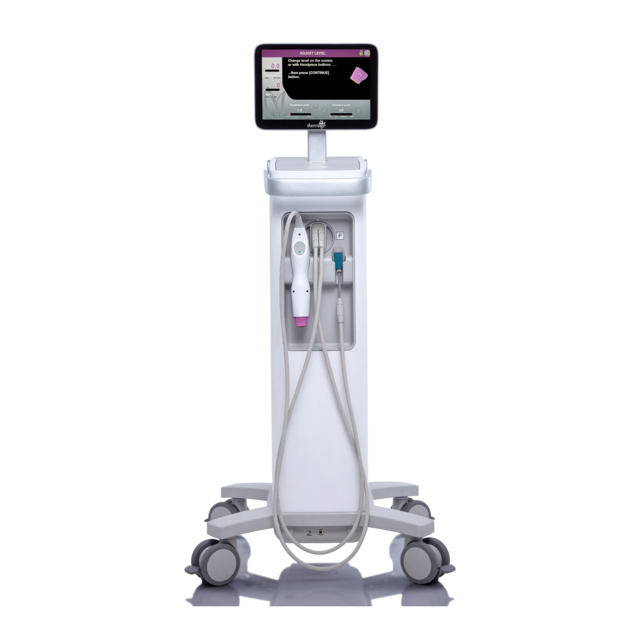
As a specialist, I focus on the delicate balance between structural support and natural expression, ensuring that each treatment honors the unique anatomy of my patients. This guide provides a detailed clinical perspective on why these non-surgical solutions remain a cornerstone of professional rejuvenation.
Defining the Lifting Philosophy at lunnclinic in Seoul
Non-surgical lifting is a medical aesthetic approach that uses advanced technologies like Ultherapy, Thermage, and ONDA to tighten skin and improve contours. At lunnclinic, we define this as "Refining the Details, Achieving Perfect Harmony," where treatments act as a structural refinement for the dermis and deeper layers. This technique bridges the gap between daily skincare and invasive surgery. By targeting specific anatomical planes—such as the SMAS or the dermis—I address the natural descent of fat pads and skin laxity. It is important to note that results depend heavily on the patient's existing skin condition and the physician's ability to analyze facial dynamics through manual examination.
What Makes Professional Lifting a Preferred Choice in Korea?
In the competitive landscape of Seoul dermatology, non-surgical lifting has emerged as a preferred modality because it offers visible results without the downtime of surgery. Patients in Korea often seek treatments that provide a refined, natural look rather than an overfilled appearance. At lunnclinic, I emphasize the philosophy that a minor difference in energy application can fundamentally change the harmony of the face. Many individuals find that a bespoke lifting plan provides a helpful balance of longevity and flexibility. This procedure is often favored by professionals who prefer a gradual return to their social routines, although temporary swelling or redness can occur depending on the individual's healing response. The focus remains on achieving a subtle restoration of a youthful contour through a "layer-by-layer design."
The Dual Action Mechanism: Structural Support and Collagen Synthesis
The efficacy of a professional lift relies on a dual action mechanism. For instance, Ultherapy targets the deep Superficial Muscular Aponeurotic System (SMAS) to provide a foundation, while Thermage focuses on uniform elasticity throughout the dermis. Beyond the initial tightening, these technologies trigger a biological healing response. This process stimulates fibroblasts to produce new collagen. According to my clinical observations at lunnclinic, this secondary collagen synthesis becomes more apparent over several months, providing a firmer skin texture. This regenerative phase is crucial for the natural look I strive for, ensuring the skin retains its improved position through its own structural integrity. This biological reinforcement helps the aesthetic benefits persist through natural tissue support.
Understanding Different Layers: Where the Lifting Occurs
Success in rejuvenation is determined by the precise depth of energy delivery within the facial layers. Ultherapy reaches the deeper SMAS layer, while Thermage treats the dermal layers to improve overall elasticity. ONDA targets both volume reduction and tightening simultaneously. I carefully assess the thickness of a patient's skin and the degree of laxity to determine the exact protocol. Unlike mass-produced "factory-style" treatments, I personally perform a state analysis—manually feeling the muscle thickness and skin depth—before any energy is applied. This manual mapping ensures that energy is placed in the intended plane for an effective lift and minimum trauma. A precise analysis of muscle thickness and skin laxity is the most critical factor in achieving a result that looks seamless during both rest and active facial expressions.
Comparing Facial Rejuvenation Options in Korean Medical Aesthetic Clinics
Choosing the right facial rejuvenation strategy involves comparing the specific mechanisms and expected outcomes of available treatments. In the context of a Seoul dermatology clinic, this means evaluating how mechanical tightening compares to volume restoration. At lunnclinic, I provide a comparative framework to help patients understand which modality aligns with their anatomical needs. It is essential to recognize that while some treatments focus on skin tightening, others excel at replenishing lost volume. Results vary significantly between individuals.
| Feature | Ultherapy | Thermage | ONDA | Dermal Fillers |
|---|---|---|---|---|
| Primary Goal | Deep Foundation Lift | Dermal Elasticity | Volume & Tightening | Volume Restoration |
| Target Layer | SMAS (Deep) | Dermis (Mid) | Multiple Layers | Subcutaneous |
| Immediate Result | Subtle | Gradual Improvement | Subtle | High |
| Longevity | ~12 Months | ~12 Months | ~6-12 Months | 6 - 18 Months |
| Recovery Time | 0 - 1 Day | 0 - 1 Day | 0 - 1 Day | 1 - 2 Days |
Comparing SMAS Lifting and Dermal Tightening
When deciding between Ultherapy and Thermage, the primary consideration is the distinction between lifting the foundation and tightening the surface. I often use the analogy that repairing a house without fixing the foundation is like applying wallpaper to a crumbling wall. Ultherapy addresses the foundation (SMAS), while Thermage improves the "wallpaper" (dermis). At lunnclinic, I often recommend a synergy program where both are used to achieve a complete result. While results can take several months to fully manifest, this staged approach addresses both deep structural sagging and overall skin laxity. Patients should be prepared for potential minor redness or temporary swelling after these procedures.
Choosing Between Fillers and Lifting Solutions
The choice between dermal fillers and lifting often comes down to whether the patient needs volume or repositioning. Dermal fillers are excellent for filling hollow areas, such as the temples. However, using fillers alone to address sagging skin can sometimes lead to an over-volumized appearance. I advocate for lifting solutions when the goal is to move tissue back to its original position. For optimal harmony, I frequently combine these methods, using energy-based lifting to build the foundation and small amounts of filler to refine the surface. This combined approach ensures that the facial proportions remain balanced, avoiding the common pitfalls of over-filling. In my practice, "letting go of greed" regarding volume is key to a natural result.
Professional Diagnostic Standards and Post-Treatment Care
Professional lifting utilizes advanced energy systems and precise clinical judgment to ensure safe and predictable aesthetic outcomes. Selection of the device is tailored to the patient's skin thickness and aging patterns. The evolution of technology allows for more customized parameters, but the skill of the dermatologist remains paramount. Safety protocols and precise execution are the hallmarks of a professional procedure at lunnclinic.
The Importance of Manual State Analysis for Safety
To enhance the safety and precision of the procedure, I prioritize a manual "state analysis" before every session. This involves physically checking the patient's muscle thickness, wrinkle depth, and fat distribution. By mapping the facial structures through touch and sight, I can adjust the parameters of the laser or ultrasound device to suit the individual. This technology is particularly beneficial for avoiding rare complications such as uneven results or nerve sensitivity. This level of technical detail is what distinguishes a specialized clinic. While the procedure is performed with attention to patient comfort, the added layer of expert manual assessment provides a highly controlled environment, which is essential for refined outcomes.
Post-Treatment Recovery and Maintenance
Maintaining the results of a professional lift requires diligent post-treatment care. At lunnclinic, we emphasize a few essential rules to ensure the skin heals effectively. For one week following the procedure, it is important to avoid saunas and environments with high heat. Additionally, applying sunblock is mandatory, as UV rays can suppress local skin immunity and interfere with the rejuvenation process. Keeping the skin well-moisturized is also crucial during the recovery phase. By following these simple steps, patients can support the biological processes that lead to improved skin elasticity and long-term results.
Comprehensive Facial Enhancement Through Combined Treatments
Achieving a truly harmonious facial appearance often requires a multi-modality approach that addresses skin texture and muscle activity simultaneously. I believe that no single treatment is a panacea; instead, I design comprehensive plans that integrate various procedures. This integrative philosophy is a core part of the Skin Booster Injection Seoul: Achieving Radiant Harmony at lunnclinic experience, where we focus on the fine details of the skin surface alongside the deeper structural changes. This synergy ensures that the improved contours are complemented by a healthy complexion.
Integrating Skin Booster Injections for Enhanced Texture
While lifting devices provide the necessary structure, skin boosters improve the quality of the skin itself, creating a revitalized appearance. I frequently schedule skin booster sessions alongside lifting treatments to address dullness. This combination is effective because the laser or ultrasound stimulates structural collagen, while the boosters provide nutrients for hydration. Patients often report that their skin feels more resilient, which enhances the overall visibility of the lifting effect. For those dealing with more significant texture issues, I might also consider Advanced Acne Scar Treatment in Seoul: Restoring Dermal Harmony at lunnclinic to ensure the skin's surface is smooth.
Natural Precision: The Role of Botox in Facial Harmony
For patients seeking a more balanced look, Botox can be a helpful addition to a lifting plan. Unlike the common goal of simple slimming, my approach to Botox focuses on "muscle resistance" and natural expression. I carefully compare the thickness of the muscles on both sides of the face to ensure a symmetric and balanced result. This prevents common side effects like "sunken cheeks" or awkward expressions, which often result from excessive dosage or incorrect placement. By adjusting the injection depth and concentration, I create a naturally refreshed look. It is a prime example of how understanding anatomy can lead to superior aesthetic outcomes, treating the patient like a close acquaintance with a conservative, "less is more" philosophy.
Frequently Asked Questions
Q. What is the typical recovery time after a lifting treatment at lunnclinic?
Most patients experience minimal downtime, returning to their usual daily routines immediately or within a day. Minor redness or temporary swelling is a common side effect and typically resolves quickly. I recommend avoiding saunas and intense heat for at least one week.
Q. How long do the results of a non-surgical lift usually last?
Results typically last about 12 months, depending on the technology used and individual biological factors. Because skin continues to age naturally, regular maintenance and a professional skincare program are recommended to maintain the aesthetic improvements.
Q. Are there any side effects or risks associated with these treatments?
Common side effects include temporary redness, mild swelling, or a sensation of heat. While rare, more significant risks can include temporary numbness or bruising. Choosing a specialist at lunnclinic minimizes these risks through strict medical protocols and precise manual analysis before the procedure.
Q. Can a lifting treatment be combined with other skin procedures?
Yes, it is common to combine lifting with treatments like skin booster injections or Botox for a synergistic effect. This holistic approach at lunnclinic addresses both structural sagging and the superficial quality of the skin for a more natural-looking result.
Q. Is the lifting procedure painful?
Most modern lifting devices include cooling systems or are performed with topical anesthesia to ensure comfort. While you may feel some warmth or a slight prickling sensation, most patients find the experience manageable. I personally monitor the energy levels to ensure a balance between comfort and efficacy.
Q. Who is the ideal candidate for lifting treatments in Korea?
Ideal candidates are individuals with mild to moderate skin laxity who wish to improve their facial contours without surgery. A detailed consultation at lunnclinic is necessary to evaluate your skin's condition and determine the best course of action for your specific goals.
Q. What should I avoid immediately after my lifting procedure?
To ensure the best healing, you should avoid saunas, vigorous exercise, and direct UV exposure for at least one week. Applying a high-quality moisturizer and sunblock is essential during the initial recovery phase to protect the skin's local immunity.
Key Takeaways
- Layer-by-Layer Design: Professional lifting targets the SMAS and dermis for a comprehensive structural improvement rather than a surface-level change.
- Manual Precision: A thorough manual state analysis of muscle and skin is essential for safety and a natural result, avoiding "factory-style" outcomes.
- Balanced Recovery: Avoiding saunas and UV rays while focusing on moisture for one week helps ensure the best biological response to the treatment.
- Synergistic Rejuvenation: Combining lifting with Botox (focused on muscle symmetry) or skin boosters addresses both the foundation and texture for a holistic result.
Sincerely,
Dr. Hyung-kwon Park lunnclinic / Board Certified Dermatologist
For more clinical insights and updates, you can follow my professional journey on Threads @dr.lunn.
FAQ
- What is the typical recovery time after a thread lift in Seoul?
- Most patients at lunnclinic experience minimal downtime, with many returning to their daily routine within 3 to 5 days. You may notice some minor swelling or bruising, but these side effects typically resolve within a week. We recommend avoiding strenuous exercise for 14 days to allow the threads to settle securely in place.
- How long do the results of a thread lift usually last?
- The longevity of the results depends on the material used, such as PDO or PCL, and your individual biological response. Generally, the visible lifting effect can be seen for 6 to 18 months. Regular maintenance and a professional skincare program can help extend these aesthetic benefits significantly.
- Are there any side effects or risks associated with thread lifting?
- Common side effects include temporary swelling, mild bruising, and a slight feeling of tightness in the treated area. While rare, risks can include infection, thread migration, or slight skin dimpling. Choosing an experienced specialist at lunnclinic helps minimize these risks through precise placement and sterile medical protocols.
- Can a thread lift be combined with other skin treatments?
- Yes, it is very common and often recommended to combine thread lifts with other procedures like skin booster injections or Botox. This holistic approach at lunnclinic addresses both structural sagging and the superficial quality of the skin for a more harmonious and natural-looking result.
- Is the thread lift procedure painful for the patient?
- The procedure is performed using local anesthesia to ensure maximum comfort throughout the process. While you may feel some pressure or a slight tugging sensation as the threads are being placed, most patients find the experience very manageable. Post-procedural discomfort is usually mild and can be managed with standard over-the-counter care.
- Who is the ideal candidate for a thread lift treatment in Korea?
- Ideal candidates are individuals with mild to moderate skin laxity who are looking for a non-surgical way to redefine their jawline or lift sagging cheeks. A detailed consultation at lunnclinic is necessary to evaluate your skin's elasticity and determine if this method will meet your specific aesthetic goals.
- What should I avoid immediately after my thread lift procedure?
- To ensure the best results, you should avoid vigorous exercise, facial massages, and dental treatments for at least two weeks. We also recommend sleeping on your back during the initial healing phase to prevent any unnecessary pressure on the treated areas of the face.