
Post
Advanced Structural Rejuvenation and Dark Circle Correction in Seoul: The LUNN Approach
Hello, I am Dr. Hyung-kwon Park, a board-certified dermatologist and the director of LUNN Dermatology Clinic, located in the heart of Cheongdam and Apgujeong Rodeo.
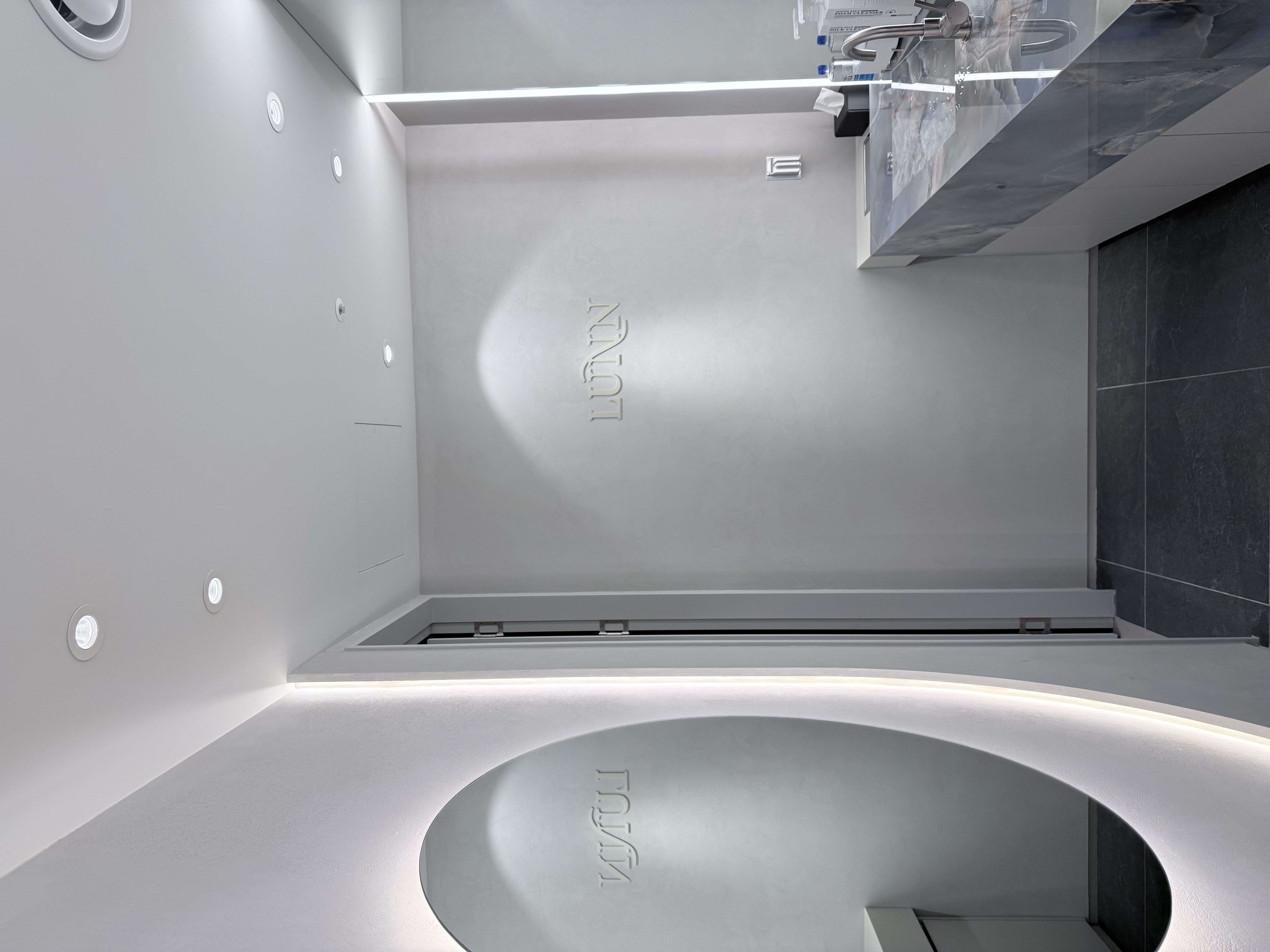
At LUNN—an acronym for Luminary, Ultimate, Novelty, and Nobility—we strive to be a 'shining guide' for our patients, leading them toward their most refined selves. My philosophy is simple: 'Refining the Details. Achieving Perfect Harmony.' In my clinical practice, I have found that true rejuvenation is not about drastic changes but about the meticulous adjustment of structural shadows and dermal health. Whether I am treating complex dark circles or designing a lifting plan, I personally oversee every step of the journey. This professional guide explains how we approach structural rejuvenation to achieve refined results while prioritizing your skin's long-term health and safety.
The Science of Shadow Erasure: Dark Circle Correction
Dark circle correction is the area of my practice with the highest patient satisfaction. Many patients visit our Cheongdam clinic complaining of a tired appearance that persists despite adequate rest. I view these cases through a structural lens, identifying how light and anatomy interact to create 'shadows.'
Identifying the Source of Structural Shadows
To effectively treat dark circles, we must first understand that they are rarely just a matter of skin pigment. The primary cause is often the 'tear trough ligament,' which pulls the skin inward, creating a physical indentation between the lower eyelid and the cheek. This creates a 'valley' or shadow that is perceived as a dark circle. When I assess a patient, I look at the anatomical boundary between the 'mountain' of the lower lid fat and the 'valley' of the trough. Simply applying a bleaching cream will not resolve a structural shadow. My approach involves a precise 1mm design to fill this void, smoothing the transition and effectively 'erasing' the shadow. This meticulous preparation is vital because every face has a unique bone structure and fat distribution. While I strive for excellence, please remember that individual results depend on your specific anatomy and skin elasticity.
The Precision of Low-Hydrophilic Fillers
In the delicate under-eye area, the choice of material is just as important as the technique. I exclusively use 'low-hydrophilic' fillers, such as Belotero, which do not attract excessive water after injection. Traditional fillers can sometimes lead to the Tyndall effect—a bluish discoloration—or localized swelling if they absorb too much moisture in the thin dermal tissue. By selecting materials that integrate seamlessly with your natural tissue, I can achieve a smooth, natural-looking result that avoids the 'puffy' look often associated with inexperienced filler application. I often tell my patients that 'less is more' in this region; we aim for a conservative, refined correction rather than over-filling. This approach ensures that the 1mm difference we make enhances your natural vitality without looking artificial. Minor bruising or temporary swelling is a possibility, but our specialized protocols are designed to minimize downtime.
Improving the Dermal Environment for Pigmented Types
While many dark circles are structural, some are exacerbated by vascular congestion or pigmentary issues. In these cases, the filler itself can act as a regenerative scaffold. By placing thin layers of high-quality filler into the deep dermis, we can actually improve the dermal environment, leading to better skin quality over time. I have observed many clinical cases where the skin tone itself improves after structural correction because the dermal-epidermal junction becomes more resilient. This 'dual-action' approach—addressing both the shadow and the skin quality—is what defines the LUNN standard of care. I prioritize a long-term vision for your skin rather than a quick fix. It is important to note that multiple sessions or maintenance may be required to sustain these results, and I will always provide an honest assessment of what can be realistically achieved during our 1:1 consultation.
Designing the Dermal Foundation: Layered Lifting Strategy
Lifting at LUNN is never a 'one-size-fits-all' procedure. I treat the face like a house; you cannot simply change the wallpaper if the foundation is sinking. We must address the structural layers of the skin to achieve lasting harmony.
Ulthera and SMAS Layer Precision
Ulthera remains a cornerstone of our structural rejuvenation programs due to its ability to target the SMAS (Superficial Muscular Aponeurotic System) layer—the same layer addressed in surgical facelifts. Using real-time ultrasound imaging, I can precisely see the tissue layers I am treating, ensuring the energy is delivered exactly where it will provide the most lift. This is critical because delivering energy too shallowly or too deeply can result in wasted effort or unnecessary discomfort. I focus on the 'vector of lift,' designing a plan that pulls the skin in a way that looks natural and rejuvenated. By strengthening this deep foundation, we provide a scaffold for the upper layers of the skin to rest upon. This treatment is ideal for those who want significant results without the risks of surgery. However, possible side effects like temporary redness should be expected.
Thermage for Dermal Resilience and Surface Texture
While Ulthera handles the deep foundation, Thermage FLX focuses on the 'wallpaper' or the dermal resilience. It utilizes monopolar radiofrequency to heat the entire thickness of the dermis, causing immediate collagen contraction and stimulating long-term collagen synthesis. At LUNN, I often use a synergy approach, combining these technologies to treat the skin at every level. Thermage is particularly effective for improving skin 'glassiness' and tightening the surface texture. I personally adjust the energy parameters (the 'recipes') based on your skin's thickness and sensitivity. I do not believe in the aggressive, high-energy methods used in factory-style clinics; instead, I prioritize a safe, effective delivery that respects your skin's barrier. The goal is to achieve a refined, polished look that radiates health from within. This method requires a deep understanding of thermal physics and skin biology, which I apply to every patient interaction.
ONDA and Synergy Programs for Volume and Elasticity
For patients dealing with both skin laxity and localized fat concerns, I incorporate ONDA microwave technology. ONDA is exceptional because it can simultaneously target fat reduction and skin tightening by using specific 'Coolwaves' that bypass the surface and heat the deep tissue. This is particularly useful for refining the jawline or addressing a double chin while maintaining skin elasticity. I often compare this to a 'sculpting' process where we remove the excess and tighten the remainder to create a sharp, harmonious contour. By combining ONDA with skin boosters or light laser work, we create a 'Signature Synergy Program' that addresses multiple signs of aging in a single session. This integrated approach ensures that we are not just treating a symptom but are fundamentally improving the structural integrity of your face. Every plan is uniquely designed for the individual, as no two skin types respond identically to thermal stimulation.
Beyond Aesthetics: Professional Treatment for Persistent Skin Concerns
As a dermatologist, I believe that professional skin care must address medical conditions with the same level of precision as cosmetic ones. At LUNN, we treat often-ignored conditions like flat warts and chronic skin inflammation with specialized care.
Flat Warts and the Risk of Self-Inoculation
Flat warts are a highly contagious viral infection that many people mistake for simple skin tags or aging spots. One of the most common ways they spread is through 'self-inoculation'—often caused by daily habits like shaving or using harsh facial scrubs. If you notice dozens of small, flat bumps appearing on your face or neck, it is essential to seek professional treatment. At LUNN, I use targeted lasers not just to 'burn' the wart, but to trigger a localized immune response, helping your body recognize and fight the virus. I emphasize to my patients that sun protection is mandatory during this period, as UV rays can suppress the skin's local immunity, making recurrence more likely. By treating these warts early and professionally, we prevent them from spreading further and restore the smoothness of your skin. It is a meticulous process that requires an expert eye to distinguish the virus from other benign growths.
Misdiagnosed Conditions of the Lips and Feet
Many patients struggle with persistent lip peeling or foot calluses that do not respond to over-the-counter creams. For the lips, what appears to be simple dryness is often 'Contact Cheilitis' caused by an allergic reaction to ingredients in lip balms themselves. I frequently recommend a return to basic, pure petrolatum for these cases. Similarly, 'Hyperkeratotic Tinea Pedis' (foot fungus) is often misdiagnosed as simple dry skin because it doesn't always itch. This condition requires medical-grade antifungal treatment rather than a pumice stone, which can actually damage the skin barrier and worsen the infection. I draw upon my experience as a researcher—having authored primary papers on these subjects—to provide accurate, evidence-based diagnoses. Treating the skin is a logical process; once we identify the correct cause, the path to healing becomes clear. We prioritize these 'unseen' details to ensure your overall comfort and health.
The LUNN Philosophy: The 1mm Difference in Natural Results
At LUNN Dermatology, we reject the 'factory-style' of medicine where patients are passed from consultants to technicians. I am the 'Zayoung-up-ja' (business owner) and the physician who personally handles your consultation, procedure, and follow-up. This ensures a level of accountability and detail that is rare in high-volume districts. I focus on the 1mm differences—the tiny adjustments in filler placement or laser energy—that determine whether a result looks 'done' or naturally rejuvenated. Our clinic, with its 5-meter high ceilings in the heart of Cheongdam, was designed to be a space where patients feel respected and professionally cared for. We don't use high-pressure sales tactics; instead, I provide honest advice, even if it means telling a patient they don't need a certain procedure. My goal is to be your lifelong partner in skin health, guiding you with the 'shining light' of professional expertise and artistic integrity.
Frequently Asked Questions
Q. Why is dark circle treatment at LUNN considered a 'Shadow Eraser'?
Because most dark circles are structural. We treat the 'valley' of the tear trough by filling the hollow space with specialized low-hydrophilic fillers. This removes the physical shadow that makes you look tired, rather than just treating the surface color. It is a structural solution for a structural problem.
Q. Does Ulthera or Thermage require a lot of downtime?
Most patients experience very little downtime. You may have some temporary redness or mild swelling for a day or two, but you can usually return to your daily routine immediately. We use customized cooling protocols to ensure your skin is soothed right after the procedure.
Q. How often should I get flat warts treated?
Flat warts should be treated as soon as they are identified to prevent them from spreading. Because they are viral, a single session may not catch every microscopic lesion, so a follow-up appointment is usually recommended to ensure complete clearance and to monitor for any new activity.
Q. Is it safe to combine lifting lasers like Ulthera and ONDA?
Yes, in fact, we recommend it as a 'Synergy Program.' Different lasers target different depths—Ulthera for the deep foundation and ONDA or Thermage for the dermal surface. Combining them provides a more comprehensive 3D lift than any single machine could achieve alone.
Q. Why do you insist on a 1:1 consultation with the director?
I believe that a doctor must personally feel the thickness of the skin and the strength of the muscles to design an effective plan. A consultant cannot determine the '1mm difference' required for a natural result; only a trained dermatologist can make those medical judgments.
Q. What are the typical risks of filler treatments?
Common risks include minor bruising, temporary swelling, or slight tenderness at the injection site. By using high-quality materials like Belotero and precise injection techniques, we minimize the risk of more serious complications like the Tyndall effect or granulomas.
Key Takeaways
- Shadow Correction: We specialize in erasing dark circles by addressing the structural tear trough with low-hydrophilic fillers.
- Layered Lifting: We combine Ulthera, Thermage, and ONDA to treat skin from the deep SMAS foundation to the surface texture.
- Medical Precision: We provide expert diagnosis for flat warts, 구순염 (lip inflammation), and foot fungus based on peer-reviewed research.
- Natural Philosophy: Dr. Hyung-kwon Park personally oversees every step, focusing on the 1mm details that ensure harmony and safety.
- Patient-First Care: We avoid factory-style treatments, providing honest, professional advice in a luxury Cheongdam environment.
For a personalized consultation and to experience our refined approach to skin harmony, please reach out to us at LUNN Dermatology Clinic. You can also follow my clinical insights on Threads @dr.lunn.
LUNN Dermatology Clinic / Dr. Hyung-kwon Park
FAQ
- What are the primary types of acne scars treated at lunnclinic?
- We categorize scars into atrophic types like icepick, boxcar, and rolling scars, or hypertrophic types. Each requires a specific depth-targeted approach to ensure the skin surface is restored to a harmonious level. By identifying the exact morphology of each scar, we can tailor the energy levels and treatment modalities for the best possible results.
- How many sessions are typically required for noticeable improvement?
- While the number of sessions varies depending on the depth and age of the scars, most patients observe significant changes after 3 to 5 treatments. Every skin type responds differently, and a tailored plan is essential to manage expectations and ensure safety. We track your progress closely to adjust the treatment frequency as needed.
- What is the expected downtime after a Re2O laser treatment?
- Downtime usually involves 3 to 7 days of redness and minor flaking as the skin regenerates. We focus on minimizing disruption to your daily life by using precise energy settings that respect the skin barrier while delivering effective results. Most patients can return to their normal activities within a week with proper sun protection.
- Are there any side effects I should be aware of?
- Common temporary reactions include erythema, slight swelling, or temporary sensitivity in the treated areas. Although rare, pigmentary changes can occur, which is why we strictly follow safety protocols and post-procedure monitoring. We provide all necessary aftercare products to ensure your skin heals safely and effectively without complication.
- Can I combine skin boosters with laser treatments for better results?
- Yes, combining skin boosters with laser therapy often enhances the healing process and stimulates more robust collagen synthesis. This leads to smoother skin texture and faster recovery compared to using lasers alone. The boosters provide the necessary biological nutrients that the skin needs to rebuild itself during the inflammatory phase.
- Are the results from acne scar treatments permanent?
- Once the dermal structure is remodeled and the collagen is rebuilt, the improvement in the scar's appearance is generally long-lasting. However, natural aging and new acne breakouts can still affect overall skin quality over time. We recommend a maintenance plan to ensure that your skin remains smooth and vibrant as you age.
- How does Dr. Hyung-kwon Park's approach differ from high-volume clinics?
- At lunnclinic, we avoid the factory-style approach by providing 1:1 personalized care directly with me. I personally oversee every step, from the initial 1mm design of the treatment area to the actual procedure, ensuring that each intervention respects the unique balance and harmony of your face. We prioritize quality over quantity for every patient.