
Post
A Specialist’s 2026 Guide to Stem Cell Skin Rejuvenation in Korea: Achieving Regenerative Harmony at LUNN
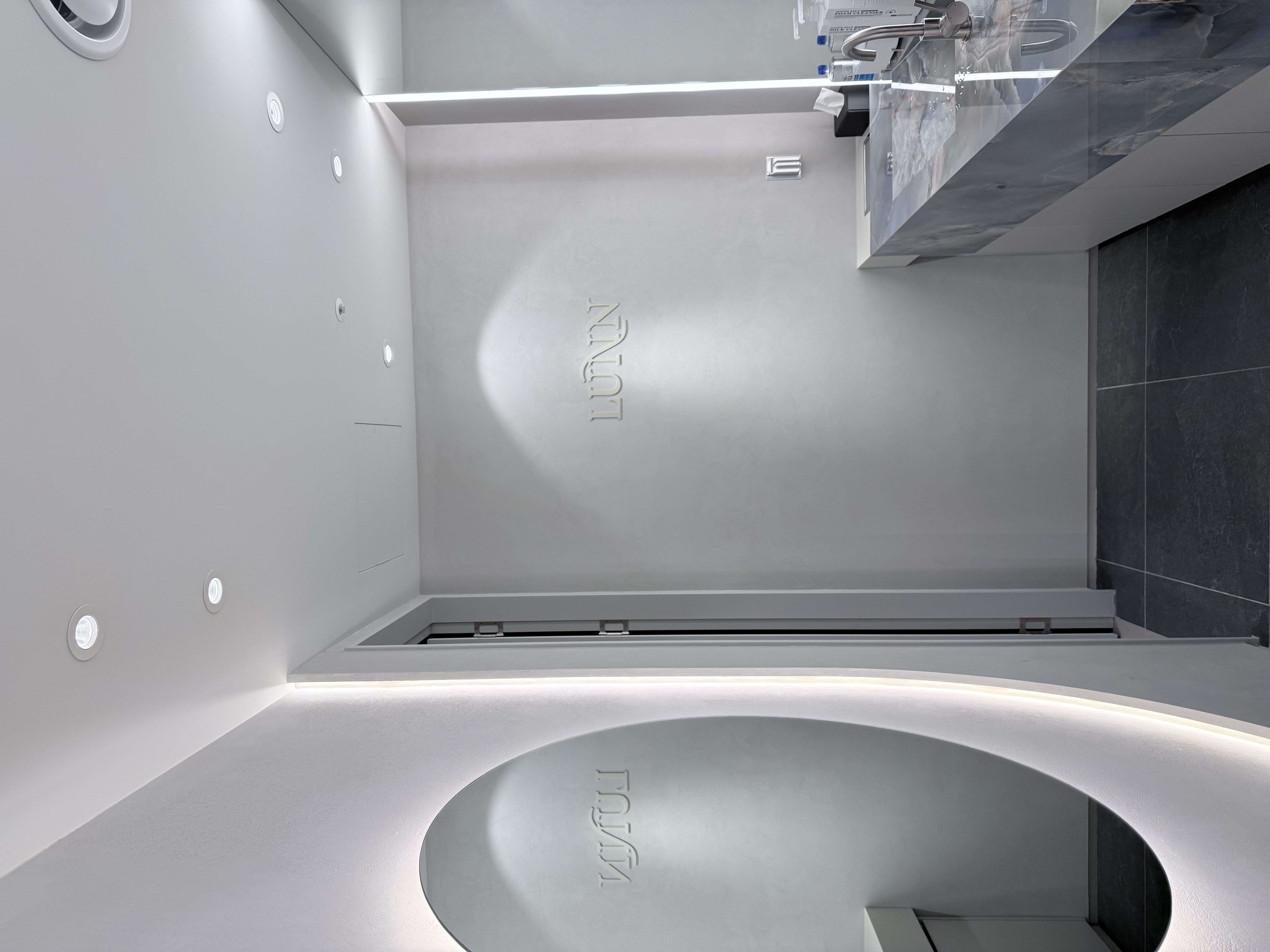
Hello, I am Hyung-kwon Park, a board-certified dermatologist in Cheongdam and Apgujeong Rodeo. Often, I introduce myself as a "self-employed professional" who is deeply obsessed with the architectural and aesthetic harmony of my clinic space.
Stem cell skin rejuvenation is a regenerative procedure that utilizes biological signaling molecules to restore the skin’s structural integrity and youthful radiance from within. As we look toward the aesthetic trends of 2026, this therapy has become a cornerstone for those seeking sustainable beauty through cellular repair rather than temporary topical fixes. By focusing on the intrinsic healing capacity of the dermis, LUNN provides a sophisticated approach to anti-aging that prioritizes long-term health and natural results.
What is Stem Cell Skin Rejuvenation and How Does It Work?
Stem cell skin rejuvenation is defined as a bio-regenerative medical treatment that employs mesenchymal stem cell-derived factors to stimulate the production of essential structural proteins such as collagen and elastin. Unlike conventional treatments that simply fill volume, this method targets the underlying cellular environment to reverse signs of aging and environmental damage. The goal is to optimize the skin's microenvironment, ensuring that the regenerative cycle remains active and efficient over time. At LUNN, we believe that the most skillful results are those that look natural, rather than overdone.
The Biological Mechanism of Regenerative Therapy
The biological mechanism of regenerative therapy relies on the intrinsic ability of signaling molecules to activate dormant fibroblasts within the dermal layer. Unlike traditional topical treatments that only affect the epidermis, regenerative therapy utilizes messenger molecules to trigger a cascade of collagen synthesis and elastin production. Clinical observations at LUNN suggest that this approach addresses the root cause of skin thinning by replenishing the extracellular matrix. By focusing on high-purity regenerative media, we can target specific concerns such as fine lines and loss of density. This process typically requires a cycle of 28 days for the first visible cellular turnover to complete, during which the skin gradually regains its natural resilience and luminosity through a sophisticated biological signaling pathway that replaces damaged cells with healthier tissue.
Understanding Exosomes and Conditioned Media
Exosomes represent a sophisticated delivery system in modern regenerative medicine, acting as microscopic vesicles that carry vital genetic information and proteins between cells. In the context of skin health, these nanometer-sized particles are harvested from high-quality conditioned media to ensure maximum potency. At LUNN, we utilize advanced exosome formulations to ensure comprehensive coverage of the targeted area. These exosomes bypass the skin's protective barrier to deliver growth factors directly where they are needed most. This targeted delivery mechanism enhances the efficacy of the treatment, facilitating more efficient cellular communication compared to older generation boosters. By utilizing these precise biological tools, we can effectively manage the inflammatory response while accelerating the skin's natural repair mechanisms, leading to a more refined texture and a visible reduction in the appearance of pores and fine lines.
Key Differences Between Stem Cells and Traditional Skin Boosters
Traditional skin boosters primarily focus on immediate hydration through the injection of hyaluronic acid, providing a temporary plumping effect. In contrast, stem cell rejuvenation at LUNN focuses on long-term structural remodeling by influencing the actual behavior of skin cells. While a standard booster may show results for 3 to 6 months, regenerative therapies aim to improve the skin's baseline health for a much longer duration. Individual results vary, but regenerative treatments help improve dermal density over time. This fundamental difference means that while boosters provide a surface-level glow, stem cell therapy works on the deeper architecture that dictates overall aging speed. By choosing a regenerative path, patients are investing in the biological longevity of their skin, rather than just masking symptoms of volume loss or dehydration.
Comparing Stem Cell Rejuvenation with Traditional Rejuvenation Procedures
Comparing skin rejuvenation modalities involves evaluating the difference between biological induction—which uses the body's own repair mechanisms—and mechanical or thermal stimulation. While thermal devices like lasers and ultrasound have their place in lifting, regenerative therapies offer a gentler yet deeper metabolic shift within the tissue. Understanding these distinctions is crucial for selecting a treatment plan that aligns with individual aesthetic goals and skin sensitivity levels.
Stem Cell Therapy vs. High-Intensity Focused Ultrasound (HIFU)
Stem cell therapy and High-Intensity Focused Ultrasound (HIFU) serve distinct but complementary roles. HIFU utilizes concentrated thermal energy to target the SMAS layer, leading to tissue contraction and lifting. While this is effective for sagging, it does not necessarily improve the biological quality of the skin surface. Conversely, stem cell rejuvenation at LUNN focuses on the health of the dermis and epidermis, improving texture, tone, and fine lines through biological signaling rather than heat. While HIFU might show an immediate lift, stem cell therapy provides a steady improvement in skin elasticity over several months. Many patients find that combining these two approaches yields harmonious results, as one addresses structural sagging while the other restores youthful vitality to the skin tissue.
Comparing Biological Regeneration and Thermal Lifting Technologies
Thermal lifting technologies, such as radiofrequency and ultrasound, operate on the principle of neocollagenesis triggered by heat-induced stress. While effective for tightening, these methods can be taxing for sensitive skin types. Biological regeneration offers a restorative alternative that minimizes thermal stress while maximizing the availability of growth factors. At LUNN, I prioritize the preservation of the skin's natural barrier, noting that regenerative treatments can offer a smoother recovery process compared to deep laser resurfacing. By providing the skin with the raw materials it needs to repair itself, I focus on minimizing stress to the tissue. This approach is particularly beneficial for individuals looking for a sustainable way to maintain their skin's health without repeated high-energy inflammation.
Comparison Table: Regenerative Potency vs. Immediate Lifting Effects
| Feature | Stem Cell/Exosome Therapy | HIFU (e.g., Ultherapy) | Traditional Boosters |
|---|---|---|---|
| Primary Goal | Biological Repair | Structural Lifting | Instant Hydration |
| Mechanism | Cell Signaling | Thermal Coagulation | Moisture Retention |
| Target Layer | Dermis & Epidermis | SMAS & Deep Dermis | Superficial Dermis |
| Downtime | Minimal (1-2 days) | Mild (2-3 days) | Very Low (1 day) |
| Longevity | 6 - 12 Months | 12 - 18 Months | 3 - 4 Months |
| Key Benefit | Improved Texture/Tone | Improved Contours | Dewy Appearance |
The LUNN Approach to Stem Cell Skin Rejuvenation in Korea
The LUNN approach is defined by a commitment to precision, safety, and the achievement of natural harmony through customized layering techniques. I believe that every face requires a unique blueprint, and at LUNN, I focus on 1:1 customized treatment plans tailored to each individual's skin characteristics. By integrating advanced diagnostic tools with a specialist's eye, we ensure that the regenerative potential of every session is maximized.
Personalized Treatment Layering for Structural Harmony
Achieving structural harmony requires a deep understanding of facial anatomy. At LUNN, we employ a multi-depth injection technique that targets the papillary dermis, the reticular dermis, and the dermo-epidermal junction. By layering exosome formulations at varying depths, we address both surface-level irregularities and deeper structural thinning. Our specialists meticulously map the face to identify areas of maximum depletion, ensuring a balanced distribution of regenerative factors. This level of detail allows us to achieve a subtle yet profound improvement in skin quality. By focusing on the small differences that define a person's unique appearance, we enhance the skin's resilience without altering the underlying character of the patient's face.
Precision Injection Techniques and Recovery
One of the primary concerns for patients in Seoul is recovery time. To address this, LUNN utilizes ultra-fine needles and specialized delivery systems that minimize tissue trauma. These precision tools allow for a consistent delivery across the treatment area, reducing the likelihood of bruising or significant swelling. Most patients report that any redness or minor bumps subside within 24 to 48 hours. In my clinical experience, most patients experience a manageable recovery, though individual rates may vary depending on skin sensitivity and lifestyle factors. By controlling the depth and pressure of each injection, we ensure that the regenerative media is absorbed efficiently without causing unnecessary inflammation.
Safety Protocols and Managing Individual Variations in Results
Safety is the absolute priority at LUNN. We only utilize exosome and stem cell media that have undergone rigorous safety testing to ensure they are free from contaminants. Before any procedure, a thorough skin analysis is conducted to identify any contraindications. It is important to note that results vary based on age, lifestyle, and baseline skin health. For instance, a patient in their 50s may require more sessions than a patient in their 30s to see similar structural improvement. We provide realistic expectations, explaining that peak regenerative effects typically occur after the cellular repair cycle is well underway. Potential side effects like temporary localized swelling, bruising, or mild itching may occur and are managed with professional post-care guidance.
Ideal Candidates and Long-term Management Strategies
This therapy is well-suited for individuals experiencing early to moderate signs of aging, such as fine lines, dullness, and a loss of elasticity. By establishing a long-term management strategy, we help our patients maintain their regenerative gains and protect their skin from environmental stressors.
Identifying Skin Types for Maximum Regenerative Benefit
Patients with "tired" skin, characterized by chronic dullness and enlarged pores, often see significant improvements in overall radiance. At LUNN, we have observed that individuals with thinning dermal layers benefit greatly from the collagen-boosting effects of exosome therapy. It is also an excellent option for those with sensitive skin who may not tolerate aggressive chemical peels. By evaluating the skin's sebum levels and hydration index, we tailor the concentration of the regenerative media to provide exactly what the tissue requires. This proactive approach ensures that the skin remains resilient against UV exposure and urban pollutants.
Post-Procedure Care to Sustain Cellular Activity
To maximize the longevity of stem cell rejuvenation, post-procedure care is essential. We recommend medical-grade antioxidants and sun protection to shield the skin during repair. At LUNN, we advise patients to avoid intense heat, such as saunas or vigorous exercise, for at least 7 days to protect the signaling molecules. Maintaining optimal internal hydration by drinking enough water also supports the skin's regenerative capacity. Integrating a yearly maintenance plan can help sustain the initial results. Consistency in care is the key to transforming a single procedure into a lasting shift in skin health.
Addressing Potential Side Effects and Realistic Expectation Setting
It is essential to understand that stem cell rejuvenation is a biological process rather than an instant mechanical change. While many notice an improvement in skin tone and hydration within 7 to 14 days, the deeper remodeling of collagen takes time. At LUNN, we emphasize that individual results vary, and a single session may not be sufficient for everyone. Potential side effects can include temporary redness, pinpoint bruising, or slight swelling. We also remind patients that lifestyle factors, such as smoking or poor sleep quality, can impact the effectiveness of the treatment. For further information on maintaining skin health, consider reading A Specialist's 2026 Guide to Sustainable Beauty Dermatology in Seoul: Achieving Natural Harmony at LUNN.
Frequently Asked Questions
Q. What exactly is stem cell skin rejuvenation?
It is a regenerative medical procedure that utilizes stem cell cultures or exosomes to stimulate natural cellular repair. By delivering growth factors directly to the dermis, it improves skin texture and elasticity at a biological level. This approach addresses the underlying factors of skin aging.
Q. How long does it take to see visible results after the treatment?
While individual results vary, most patients begin to notice improvements in skin tone and hydration within one to two weeks. More significant structural improvements typically peak around one to three months as the body completes its natural collagen production cycle.
Q. Are there any side effects like swelling or bruising?
Minor swelling, redness, or tiny needle marks may occur temporarily. These symptoms typically subside within 24 to 48 hours for most patients. We utilize precision techniques to minimize these effects, although individual skin sensitivity plays a role in recovery speed.
Q. Is this procedure painful during the application?
We utilize high-quality localized numbing creams to ensure comfort. Most patients describe the sensation as a mild pinching or slight pressure rather than significant pain. The procedure is designed to be as non-invasive as possible.
Q. How many sessions are typically required for optimal results?
This depends heavily on the individual's skin condition and age. Generally, a series of three to five sessions spaced four weeks apart is recommended for sustained regenerative benefits. A personalized consultation will determine the protocol for your skin type.
Q. Can I return to my daily routine immediately after the procedure?
Yes, most patients return to their daily activities immediately. However, we advise avoiding intense exercise, saunas, and direct sun exposure for about one week to ensure proper healing and to protect the active regenerative factors.
Q. What makes stem cell therapy in Korea different at LUNN?
LUNN focuses on meticulous layering techniques and high-purity exosome formulations. We balance scientific evidence with a sophisticated aesthetic eye, ensuring that treatments achieve a natural, harmonious look tailored to individual facial structures.
Key Takeaways
- Regenerative Science: Stem cell rejuvenation uses biological signaling (exosomes) to repair skin at a cellular level, aiding in the improvement of dermal density.
- Natural Harmony: The LUNN approach focuses on precision layering to enhance the face without an artificial appearance.
- Sustainable Results: Unlike temporary boosters, regenerative therapy offers long-term improvements in skin health that peak over several months.
- Recovery Focus: Advanced injection techniques are used to minimize downtime, though individual recovery rates vary based on skin type and sensitivity.
- Safety First: Treatments use high-purity, certified media, but results may vary based on personal lifestyle and skin condition.
For more insights and daily updates on regenerative aesthetics, follow Director Hyung-kwon Park on Threads @dr.lunn.
LUNN / Director Hyung-kwon Park
FAQ
- What exactly is stem cell skin rejuvenation?
- It is a regenerative medical procedure that utilizes stem cell cultures or exosomes to stimulate natural cellular repair. By delivering growth factors directly to the dermis, it improves skin texture, elasticity, and overall health at a biological level rather than just providing temporary surface hydration. This approach addresses the root causes of skin aging.
- How long does it take to see visible results after the treatment?
- While individual results vary, most patients begin to notice improvements in skin tone and hydration within one to two weeks. The more significant structural improvements, such as increased elasticity and refined pores, typically peak around one to three months as the body completes its natural collagen production cycle.
- Are there any side effects like swelling or bruising?
- Minor swelling, redness, or tiny needle marks may occur temporarily depending on the specific injection method used. These symptoms typically subside within 24 to 48 hours for most patients. We utilize precision techniques to minimize these effects, although individual skin sensitivity and lifestyle factors play a significant role in recovery speed.
- Is this procedure painful during the application?
- We utilize high-quality localized numbing creams and precise delivery systems to ensure the highest level of comfort. Most patients describe the sensation as a mild pinching or slight pressure rather than significant pain. The procedure is designed to be as non-invasive as possible, allowing for a comfortable experience.
- How many sessions are typically required for optimal results?
- The number of sessions depends heavily on the individual's current skin condition, age, and aesthetic goals. Generally, a series of three to five sessions spaced four weeks apart is recommended to achieve sustained regenerative benefits. A personalized consultation will determine the exact protocol needed for your specific skin type.
- Can I return to my daily routine immediately after the procedure?
- Yes, most patients are able to return to their daily activities immediately following the treatment. However, we advise avoiding intense exercise, saunas, and direct sun exposure for about one week to ensure proper healing and to protect the active regenerative factors from premature degradation.
- What makes stem cell therapy in Korea different from other countries?
- Korea, particularly clinics in the Cheongdam area like lunnclinic, focuses on meticulous layering techniques and extremely high-purity exosome formulations. We balance the latest scientific evidence with a sophisticated aesthetic eye, ensuring that treatments are not only medically effective but also achieve a natural, harmonious look tailored to individual facial structures.