
Post
A Specialist's 2026 Guide to Skin Booster for Pore Reduction: Achieving Perfect Harmony at LUNN
Skin booster for pore reduction refers to a targeted injectable treatment designed to improve dermal elasticity and refine surface texture. In this guide, I share my clinical insights on how these treatments provide a sophisticated alternative to topical serums for achieving perfect skin harmony.
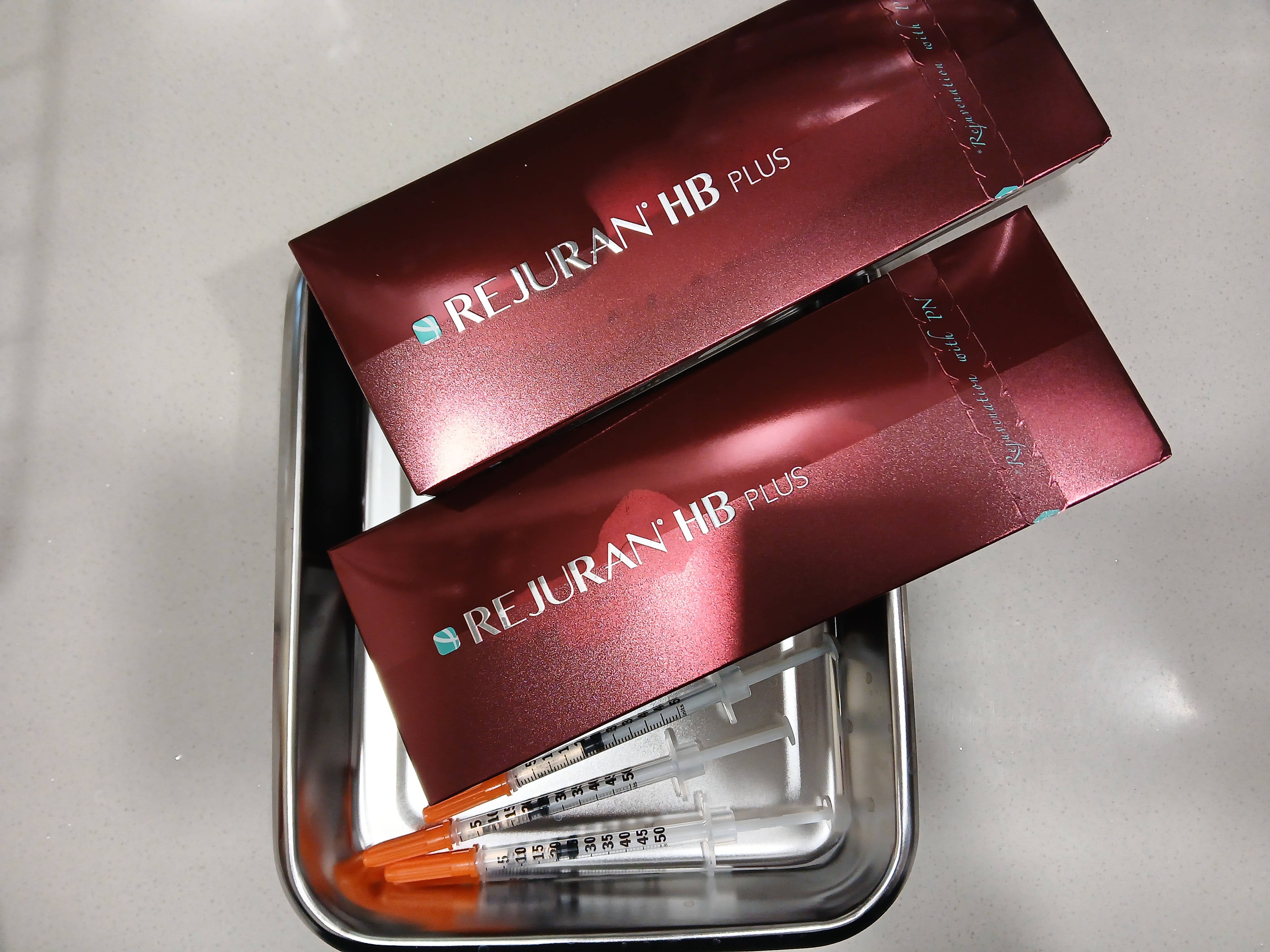
I am Dr. Park Hyungkwon, and my goal is to help you understand the biological mechanisms that allow these regenerative solutions to address the underlying causes of skin texture irregularities for a balanced complexion.
Understanding Skin Boosters for Pore Reduction: A Medical Perspective
Enlarged pores are not simply a surface issue but a manifestation of structural changes within the skin's deeper layers, often involving the loss of elasticity and increased sebum activity.
The Science of Why Pores Appear Enlarged
The visibility of pores is primarily determined by two biological factors: the volume of oil produced by sebaceous glands and the tensile strength of the surrounding dermal tissue. When collagen levels decline, which can begin as early as your mid-20s, the skin loses its ability to hold the pore walls tightly together. This results in what clinicians call sagging pores, which appear elongated rather than circular. Additionally, published clinical observations suggest that a significant number of adults experience increased pore visibility due to environmental stressors that degrade the extracellular matrix. At LUNN, we evaluate whether your concerns stem from oil overproduction or structural laxity. Excessive sebum can stretch the pore opening, while a decline in dermal density can lead to a noticeable change in surface texture. Understanding these mechanisms is the first step toward choosing a treatment that offers more than just a temporary cosmetic fix.
Defining Skin Boosters as a Regenerative Solution
Skin boosters are categorized as injectable rejuvenation treatments that deliver essential nutrients, such as Polynucleotides (PN) or Hyaluronic Acid, directly into the targeted layers of the skin. Unlike traditional fillers that add volume to change facial shape, a skin booster for pore reduction focuses on improving the health and quality of the skin tissue itself. These formulations act as catalysts for cellular repair, stimulating the production of Type 1 collagen. By replenishing the moisture balance and reinforcing the dermal scaffolding, these boosters help the skin regain its natural bounce-back capability. At LUNN, we view these treatments as a way to harmonize the skin's internal environment. The goal is to create a smoother surface by addressing the biological deficiencies that lead to texture issues. This regenerative approach ensures that the improvements are integrated into the skin’s own structure rather than just sitting on top.
Key Differences Between Superficial Skin Care and Clinical Boosters
Superficial skincare products, such as toners or serums, are limited by the skin’s natural barrier, which prevents most large molecules from penetrating deep enough to affect pore structure. While a high-quality serum might provide a modest improvement in surface hydration, it cannot reach the fibroblasts responsible for long-term elasticity. In contrast, clinical skin boosters bypass the stratum corneum to deliver active ingredients exactly where they are needed. Research indicates that medical-grade injectables are more targeted and efficient at increasing deep-layer hydration compared to topical applications. This precise delivery method allows for a more significant impact on the dermal-epidermal junction, which is crucial for maintaining a refined pore appearance. At LUNN, we emphasize that while daily care is necessary for maintenance, clinical interventions are often required to reverse established structural changes. By targeting the dermis directly, we can achieve changes in skin density that topical products simply cannot replicate through manual application.
Comparing Top Skin Booster Technologies for Pore Tightening
Pore tightening technologies vary in their primary mechanism of action, ranging from intense hydration to cellular signaling and DNA-level repair for lasting results.
Hyaluronic Acid vs. PN vs. Exosome Boosters for Pores
Each type of skin booster offers unique benefits depending on the patient's specific skin concerns and biological needs. Hyaluronic acid boosters focus on hydro-lifting, providing immediate moisture that plumps the skin and makes pores appear smaller through hydration. PN boosters, often derived from salmon DNA, are highly effective for tissue repair and inflammation control, making them ideal for sensitive skin. Exosome boosters represent a significant frontier, using extracellular vesicles to signal cellular regeneration and help manage sebum production in targeted areas. In my practice, I have found that while HA provides a quick glow, PN and exosomes offer more sustainable structural refinement over 3 to 6 months. Choosing between these options requires a detailed analysis of your skin’s regenerative capacity and current oil levels. At LUNN, we prioritize selecting the technology that best aligns with your long-term skin health goals while minimizing the risk of adverse reactions.
Comparison Table: Recovery Time and Efficacy Profiles
| Feature | Polynucleotides (PN) | Exosomes | Hyaluronic Acid (HA) |
|---|---|---|---|
| Primary Focus | DNA Repair & Elasticity | Cellular Signaling | Intense Hydration |
| Recovery Time | 24 - 48 Hours | 12 - 24 Hours | 24 - 72 Hours |
| Pore Tightening | High (Long-term) | Moderate to High | Mild (Temporary) |
| Oil Control | Low | High | Low |
| Typical Sessions | 3 - 4 Sessions | 3 - 5 Sessions | 1 - 3 Sessions |
Selecting the Right Booster Based on Skin Type and Sebum Production
Selecting the appropriate skin booster for pore reduction involves a careful assessment of the patient’s sebum levels and skin sensitivity. For individuals with oily skin and active sebaceous glands, a booster that incorporates exosome technology or micro-Botox can be effective in regulating oil output. Conversely, patients with dry or mature skin may benefit more from PN-based formulations that focus on thickening the dermis and restoring lost moisture. Clinical data suggests that matching the booster to the skin type significantly improves treatment outcomes. It is also important to consider the patient's age, as younger skin may only require mild stimulation, whereas skin over 40 may need a more robust combination of ingredients to combat chronological aging. At LUNN, I personally conduct a thorough consultation to ensure the chosen treatment protocol addresses the specific triggers of your enlarged pores. This personalized approach reduces the likelihood of ineffective treatments and ensures a more harmonious outcome.
The LUNN Approach: Designing Layers and Harmonizing Texture
The philosophy at LUNN centers on Designing Layers, which means we treat the skin as a multi-dimensional structure rather than a flat surface to be covered.
Erasing Shadows: The Theory of Multi-Layered Skin Architecture
When we look at enlarged pores, we are often seeing the shadows created by uneven skin texture and sagging tissue. My approach involves erasing these shadows by reinforcing each layer of the skin’s architecture, from the deep dermis to the superficial epidermis. By injecting boosters at varying depths, typically ranging from 0.8 mm to 1.5 mm, we can create a uniform support system that lifts the skin and closes the gaps that appear as pores. This multi-layered technique ensures that the skin looks smooth from every angle and under different lighting conditions. Clinical studies show that multi-level injection strategies further improve surface smoothness compared to single-layer techniques. At LUNN, we focus on the harmony between these layers to strive to make the results look natural and feel seamless. This architectural perspective allows us to address the root causes of texture issues rather than just treating the visible symptoms on the surface.
Precision Injection Techniques to Minimize Resistance
Precision is paramount when performing a skin booster for pore reduction to ensure the active ingredients are distributed evenly without causing unnecessary trauma. I utilize specific injection techniques that account for the skin's natural resistance and varying thickness across the face. For example, the T-zone requires a different approach than the cheeks due to differences in pore density and dermal depth. Using specialized micro-needles or automated delivery systems can help maintain a consistent 1 mm depth, which is the sweet spot for stimulating collagen production. This precision reduces the risk of lumps or uneven distribution, which can occur with less refined methods. At LUNN, the goal is to minimize patient discomfort while maximizing the biological impact of each injection. By understanding the mechanical properties of the skin, we can deliver the booster more effectively, ensuring that the regenerative ingredients can begin their work immediately without being obstructed by improperly placed fluid deposits.
Safety Protocols and Managing Potential Side Effects Like Redness
While skin boosters are minimally invasive, safety and post-procedure care are essential to ensuring a positive outcome. Temporary side effects such as mild redness, localized swelling, or pinpoint bruising are common and typically resolve within 48 to 72 hours. To manage these effects, I implement strict sterilization protocols and use high-quality, biocompatible ingredients that minimize the risk of allergic reactions. It is important to note that rare complications, such as infection or inflammatory nodules, can occur if the procedure is not performed in a sterile clinical environment. I advise all patients to avoid strenuous exercise and heat exposure for at least 24 hours following the treatment to allow the injection sites to heal. At LUNN, we provide comprehensive aftercare instructions to help manage any temporary sensitivity. By maintaining a balance between effective treatment and proactive safety measures, we ensure that the journey to refined skin is as comfortable and controlled as possible for every patient.
Optimizing Results and Sustainable Maintenance Strategies
Achieving lasting pore reduction requires more than a single session, it necessitates a strategic maintenance plan that supports the skin's natural renewal cycles over time. You may also find these resources helpful: A Specialist's 2026 Guide to Premium Skin Boosters for Rejuvenation at LUNN and A Specialist's 2026 Guide to Aesthetic Dermatology Consultation in Seoul: Precision Care at LUNN.
The Ideal Frequency and Cycle for Pore Refinement
Clinical evidence indicates that the most significant improvements in skin texture occur after a series of 3 to 4 initial sessions, spaced approximately 2 to 4 weeks apart. This frequency allows for a cumulative effect where each session builds upon the collagen stimulation initiated by the previous one. Once the desired level of refinement is reached, a maintenance session every 4 to 6 months is typically recommended to sustain the results. Without these periodic boosts, the natural aging process and environmental factors will eventually cause the skin's structural integrity to decline again. Data suggests that patients who follow a consistent maintenance schedule maintain their texture improvements more effectively over a two-year period. At LUNN, we design a customized timeline for each patient based on their skin's unique response rate and lifestyle factors. This longitudinal approach aims to support your skin in remaining resilient and refined, helping manage the recurrence of enlarged pores and other signs of aging.
Factors That Influence Individual Variations in Treatment Success
Not every patient responds to a skin booster for pore reduction in the same way, as biological variables such as genetics, hormones, and lifestyle play a significant role. For instance, chronic UV exposure can degrade existing collagen, making it harder for skin boosters to provide structural support. Similarly, hormonal fluctuations can trigger spikes in sebum production that may counteract the tightening effects of the treatment. Studies have shown that smokers may experience a significantly slower rate of tissue regeneration compared to non-smokers, which can delay visible results. It is also essential to manage expectations, as individuals with deep scarring may require a combination of therapies. At LUNN, I take these variables into account during the initial assessment to provide a realistic prognosis. By identifying these individual factors early, we can adjust the treatment intensity or frequency to ensure a positive outcome for your specific skin profile.
Post-Procedure Care to Enhance Collagen Synthesis
The period following a skin booster injection is a critical window for maximizing the treatment’s benefits. Utilizing medical-grade hydration masks and ceramide-rich creams can help soothe the skin and lock in the moisture delivered during the procedure. It is also beneficial to incorporate antioxidants like Vitamin C or E into your daily routine, as they protect the newly formed collagen from oxidative stress. Research suggests that proper post-procedure hydration can further improve the final texture result. I strongly recommend using a broad-spectrum sunscreen with at least SPF 30 every day, as UV damage is the primary cause of elastic fiber breakdown. At LUNN, we emphasize that the clinical treatment is only half of the equation, the other half is the care you provide your skin at home. By following a structured aftercare regimen, you can enhance the longevity of the results and ensure that your skin continues to look its best for months to come.
Key Takeaways
- Skin boosters address the structural loss of collagen in the dermis to tighten pore walls naturally.
- A series of 3 to 4 sessions is typically required for optimal results, with maintenance every 4 to 6 months.
- PN and exosome-based boosters offer sustainable tissue repair compared to superficial hydration.
- Individual results vary based on factors like sun exposure, smoking, and hormonal balance.
- Mild redness and swelling are normal and usually subside within 2 to 3 days after treatment.
Frequently Asked Questions
Q. What exactly are skin boosters and how do they reduce pore size?
Skin boosters are injectable treatments containing bioactive ingredients like PN, HA, or exosomes. They work by stimulating collagen and balancing moisture in the dermis, which increases skin elasticity and helps refine pore walls. This results in a smoother, more refined surface texture over time.
Q. How long does it take to see visible improvements in pore texture?
While individual results vary, most patients notice a refined skin texture within 1 to 2 weeks. For significant pore reduction, a series of sessions is typically recommended to allow for structural collagen remodeling. The full effect is often most visible after the third or fourth treatment session.
Q. Are there any side effects I should be aware of?
Common side effects include temporary redness, swelling, or minor bruising at the injection sites. These typically resolve within a few days, usually between 48 and 72 hours. While treatments are generally well-tolerated, rare risks include infection or allergic reactions, which is why supervision by a qualified dermatologist is essential.
Q. Is the pore reduction from skin boosters permanent?
The structural improvements are long-lasting, but skin continues to age and face environmental stress. Periodic maintenance every 4 to 6 months is often suggested to sustain the refined appearance and manage future laxity. Without maintenance, the skin will gradually return to its natural aging trajectory.
Q. Can I combine skin boosters with laser treatments for better results?
Yes, combining skin boosters with energy-based devices like fractional lasers or microneedling RF can synergistically enhance pore tightening. The laser addresses surface texture while the booster provides deep dermal support and repair nutrients. This combination often leads to more comprehensive results than either treatment alone.
Q. Do skin booster injections for pores hurt?
Comfort levels depend on the specific booster and technique used during the procedure. We use topical numbing creams and precise injection methods to ensure the experience is manageable. Mild discomfort or a brief stinging sensation may occur during the injection process.
Q. Why do some people not see results after a skin booster treatment?
Efficacy can be influenced by the primary cause of enlarged pores, such as excessive sebum production, or by low regenerative capacity due to age or lifestyle factors like smoking. A personalized diagnosis is necessary to match the specific booster to your skin's unique needs and ensure realistic expectations.
Refining the Details. Achieving Perfect Harmony.
Lunn Dermatology Clinic, 5F, 822 Seolleung-ro, Gangnam-gu, Seoul, Republic of Korea
02-512-7788 / Dr. Park Hyungkwon
FAQ
- What exactly are skin boosters and how do they reduce pore size?
- Skin boosters are injectable treatments containing bioactive ingredients like PN, HA, or exosomes. They work by stimulating collagen and balancing moisture in the dermis, which increases skin elasticity and naturally pulls pore walls tighter. This results in a smoother, more refined surface texture over time.
- How long does it take to see visible improvements in pore texture?
- While individual results vary, most patients notice a refined skin texture within 1 to 2 weeks. For significant pore reduction, a series of sessions is typically recommended to allow for structural collagen remodeling. The full effect is often most visible after the third or fourth treatment session.
- Are there any side effects I should be aware of?
- Common side effects include temporary redness, swelling, or minor bruising at the injection sites. These typically resolve within a few days, usually between 48 and 72 hours. Rare risks include infection or allergic reactions, which is why clinical supervision by a qualified dermatologist is essential.
- Is the pore reduction from skin boosters permanent?
- The structural improvements are long-lasting, but skin continues to age and face environmental stress. Periodic maintenance every 4 to 6 months is often suggested to sustain the refined appearance and prevent future laxity. Without maintenance, the skin will gradually return to its natural aging trajectory.
- Can I combine skin boosters with laser treatments for better results?
- Yes, combining skin boosters with energy-based devices like fractional lasers or microneedling RF can synergistically enhance pore tightening. The laser addresses surface texture while the booster provides deep dermal volume and repair nutrients. This combination often leads to more comprehensive results than either treatment alone.
- Do skin booster injections for pores hurt?
- Comfort levels depend on the specific booster and technique used during the procedure. We use topical numbing creams and precise injection methods to ensure the experience is manageable for most patients. Mild discomfort or a brief stinging sensation may occur during the injection process.
- Why do some people not see results after a skin booster treatment?
- Efficacy can be limited if the primary cause of enlarged pores is excessive sebum production that hasn't been addressed. It can also be influenced by low regenerative capacity in the skin due to age or lifestyle factors like smoking. A personalized diagnosis is necessary to match the specific booster to your skin's unique needs.