
Post
A Specialist's 2026 Guide to Premium Skin Boosters for Rejuvenation at LUNN
Hello, I am Dr. Hyungkwon Park, a dermatologist at LUNN in Cheongdam and Apgujeong Rodeo.
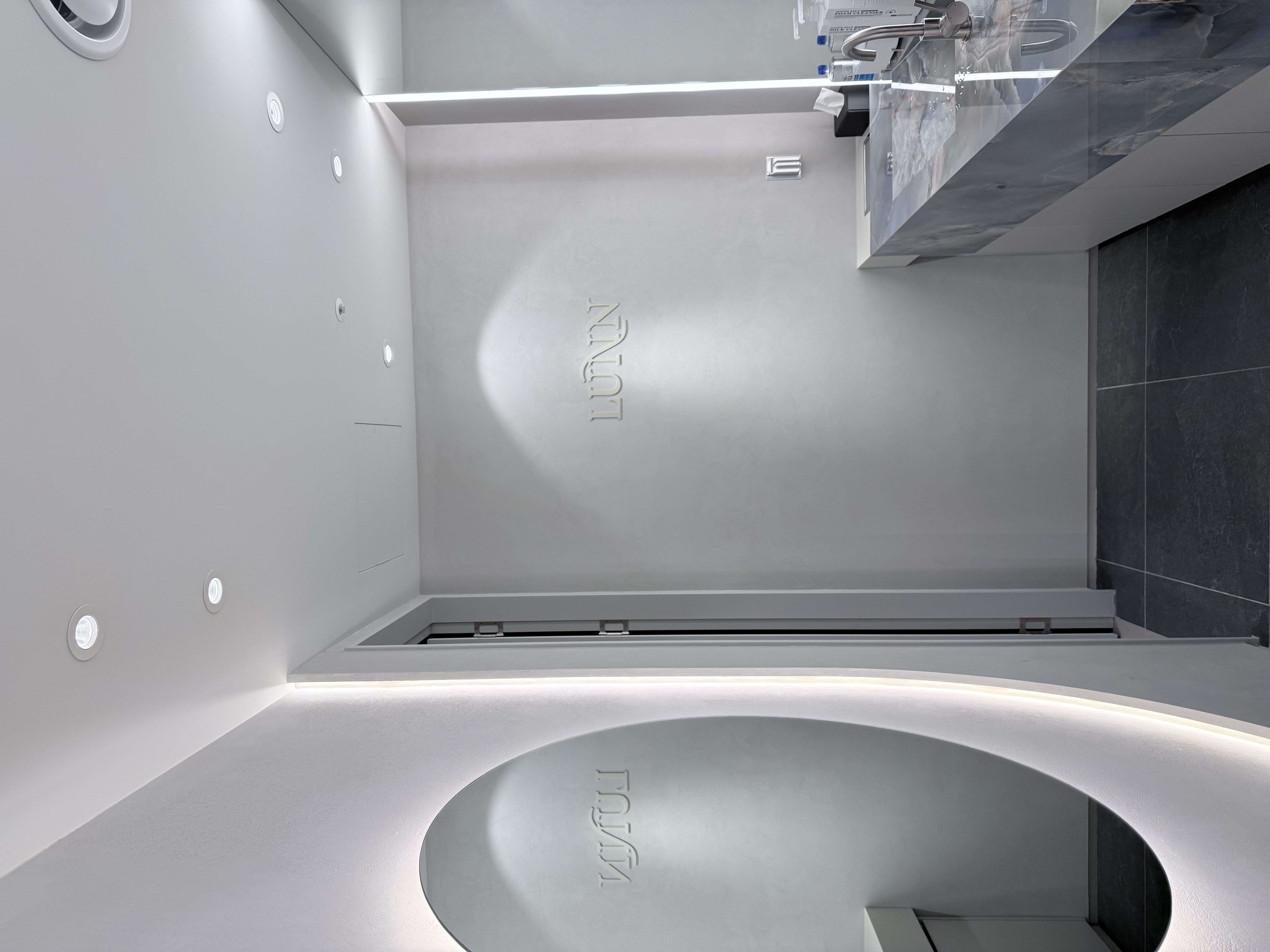
Premium skin boosters represent a targeted approach to rejuvenation, delivering bio-active nutrients directly to the dermis to enhance texture and elasticity. This guide explores the sophisticated mechanisms of skin quality improvement, offering a clinical perspective on how these treatments achieve a state of natural facial harmony.
Understanding Premium Skin Boosters: Science and Definition
Premium skin boosters are advanced injectable treatments specifically formulated to optimize the internal environment of the skin rather than simply adding structural volume. These solutions utilize high concentrations of active ingredients like Polynucleotides (PN), non-cross-linked Hyaluronic Acid (HA), and amino acids to improve skin physiology from within.
Biological Mechanisms for Dermis Rejuvenation
The primary biological function of premium skin boosters lies in their ability to stimulate the extracellular matrix within the dermal layer. When bio-active substances like Polynucleotides (PN) or Hyaluronic Acid (HA) are introduced into the skin at a depth of 1mm to 2mm, they trigger a cascade of cellular responses. Fibroblasts, the cells responsible for collagen and elastin production, are activated through mechanical stretching and chemical signaling. This process increases the density of the dermis, which naturally thins as we age. In my clinical experience with specific cases, some patients observed a noticeable improvement in hydration levels after a full treatment cycle, though individual results may vary and these observations do not guarantee identical outcomes for everyone. By enhancing the skin's internal environment, these boosters do not merely mask imperfections but foster a regenerative state. This biological restoration is essential for maintaining long-term skin health and resilience against environmental stressors, ensuring that the rejuvenation process is supported by the skin's own natural physiological capabilities.
Key Differences Between Traditional Fillers and Boosters
Understanding the distinction between traditional dermal fillers and premium skin boosters is crucial for managing patient expectations and achieving natural results. Dermal fillers are primarily designed to add physical volume and structural support to specific areas, such as the chin or cheekbones, using highly cross-linked Hyaluronic Acid. In contrast, skin boosters utilize non-cross-linked or minimally cross-linked formulations that spread easily across the dermal plane. Their goal is not to change the shape of the face but to improve the 'canvas' itself by enhancing texture, elasticity, and radiance. While a filler might address a deep nasolabial fold, a booster focuses on the fine lines and dehydration that affect the entire facial surface. At LUNN, I emphasize that these treatments serve different roles in a comprehensive anti-aging strategy. Choosing between them depends on whether a patient requires structural modification or a fundamental improvement in skin quality and biological vitality.
Comparison of Popular Premium Skin Booster Ingredients
The efficacy of a skin booster treatment is determined by the specific ingredients used to target individual dermal concerns. By comparing agents such as PN, HA, and PDLLA, we can tailor protocols to address everything from superficial dehydration to deep structural laxity.
PN (Polynucleotide) vs. HA (Hyaluronic Acid) Formulations
Selecting the right ingredient is the cornerstone of a successful rejuvenation plan, as PN and HA formulations offer distinct biological benefits. Hyaluronic Acid (HA) is renowned for its incredible water-binding capacity, providing immediate hydration and a visible 'glow' by plumping the superficial layers of the skin. On the other hand, Polynucleotides (PN), derived from salmon DNA, function as tissue regenerators. PN focuses on repairing damaged cells and reducing inflammation, making it particularly effective for thinning skin around the eyes or neck. While HA delivers instant moisture, PN works more slowly to rebuild the skin’s structural integrity over several weeks. At LUNN, I often observe that combining these two ingredients can address both immediate aesthetic needs and long-term restorative goals. A standard protocol might involve three sessions spaced 3 to 4 weeks apart to allow the PN to effectively integrate and stimulate the skin's natural healing mechanisms.
PDLLA and Exosome Technologies for Deep Regeneration
Advanced technologies like PDLLA (Poly-D,L-Lactic Acid) and exosomes represent the next frontier in deep dermal regeneration. PDLLA acts as a powerful bio-stimulator, encouraging the skin to produce its own Type 1 collagen over a period of several months, providing a subtle but lasting lifting effect. Unlike traditional hydration boosters, PDLLA focuses on restoring the lost structural scaffolding of the face. Meanwhile, exosome therapy utilizes tiny extracellular vesicles to deliver growth factors and signaling molecules directly to skin cells. These messengers facilitate rapid cellular communication, accelerating repair and significantly reducing the appearance of pores and fine lines. At LUNN, I integrate these technologies for patients seeking comprehensive rejuvenation that goes beyond simple hydration. Because these agents work on a cellular level, the results are typically more gradual, appearing most prominently two to four months after the initial procedure, reflecting the skin's natural regenerative cycle and improved biological function.
| Booster Type | Primary Ingredient | Key Benefit | Typical Protocol | Recommended For |
|---|---|---|---|---|
| PN Boosters | Polynucleotide | Tissue Repair & Texture | 3 Sessions (3-wk interval) | Sensitive or thinning skin |
| HA Boosters | Hyaluronic Acid | Hydration & Glow | 2-3 Sessions (4-wk interval) | Dry, dull skin |
| PDLLA | Poly-D,L-Lactic Acid | Collagen Stimulation | 3 Sessions (4-wk interval) | Loss of elasticity & volume |
| Exosomes | Stem Cell Vesicles | Cellular Regeneration | 3-5 Sessions (2-wk interval) | Large pores & inflammation |
The LUNN Approach: Strategic Layering for Harmony
At LUNN, I believe that the most natural results are achieved through precision and a deep understanding of facial anatomy. Strategic layering allows us to address different skin layers simultaneously, ensuring a balanced and harmonious outcome.
Designing the Skin's Texture with 1mm Precision
My philosophy of 1mm precision at LUNN is central to achieving a harmonious and natural aesthetic. Every face possesses a unique topography, with skin thickness varying significantly between the forehead, cheeks, and periorbital areas. Injecting skin boosters at an incorrect depth can lead to suboptimal absorption or visible irregularities. By focusing on the precise 1mm to 2mm depth of the papillary dermis, we ensure that bio-active ingredients are delivered exactly where fibroblasts are most active. This meticulous approach minimizes waste and maximizes the regenerative potential of every drop of the formula. Our technique prioritizes the subtle nuances of light and shadow on the face, ensuring that the resulting radiance appears inherent rather than artificial. We believe that true luxury in dermatology is found in these fine details, where clinical expertise meets an artistic understanding of facial balance. This precision ensures that each patient receives a treatment plan tailored to their specific anatomical requirements.
Customized Protocols for Cheongdam and Apgujeong Standards
Aesthetic expectations in the Cheongdam and Apgujeong districts demand a level of sophistication that prioritizes 'natural harmony' above all else. At LUNN, my customized protocols are designed to meet these high standards by avoiding the overfilled or 'plastic' look often associated with generic treatments. We begin each journey with a comprehensive analysis of the patient's skin barrier, elasticity, and lifestyle factors. This allows us to layer different types of boosters strategically—for example, using PDLLA for structural support in the mid-face while applying PN for delicate repair around the eyes. By combining these modalities, we can achieve a multifaceted result that addresses multiple signs of aging simultaneously. A Specialist's 2026 Guide to Anti-Aging Synergy Programs: Achieving Facial Harmony at LUNN. This tailored approach ensures that the rejuvenation process respects the patient’s original features while enhancing their overall skin vitality in a way that feels authentic and refined.
Clinical Considerations: Safety, Risks, and Aftercare
Maintaining the highest standards of safety is my priority at LUNN. While skin boosters are minimally invasive, a thorough understanding of the recovery process and potential risks is essential for every patient.
Potential Side Effects and Management of Erythema or Swelling
While premium skin boosters are generally well-tolerated, understanding potential side effects is a vital part of the clinical process. Patients may experience localized erythema (redness), mild swelling, or small injection marks immediately following the procedure. These common symptoms typically subside within 2 to 3 days as the skin begins its recovery process. In rare cases, minor bruising or temporary tenderness may occur, which can be managed with cold compresses and specific post-care creams. At LUNN, I maintain strict sterilization protocols to minimize the risk of infection, a rare but serious complication of any injectable treatment. We advise patients to avoid intense exercise, saunas, and direct sunlight for at least 48 hours to ensure the injection sites heal properly. By providing clear guidance and maintaining open communication, we ensure that every patient feels supported throughout their recovery journey, prioritizing safety alongside aesthetic outcomes in every rejuvenation plan we execute.
The Importance of Individual Variation in Treatment Response
It is essential to recognize that biological responses to skin boosters vary significantly between individuals. Factors such as age, baseline skin health, smoking status, and sun exposure habits play a critical role in how quickly and effectively the dermis regenerates. While some patients may notice a brighter complexion within a week, others may require the full course of three sessions to see structural improvements in elasticity. At LUNN, I emphasize that rejuvenation is a journey rather than a single event. A Specialist's 2026 Guide to the Multilayer Lifting Technique: Achieving Facial Harmony at LUNN. We provide personalized timelines based on each patient's unique physiological feedback during the treatment cycle. Understanding these variations helps in setting realistic goals and ensures that the maintenance phase is appropriately timed. Ongoing care and periodic touch-ups are often recommended to sustain the benefits, as the natural aging process continues to influence the skin's long-term health and appearance.
Frequently Asked Questions
Q. What exactly are premium skin boosters and how do they work?
Premium skin boosters are injectable treatments designed to improve skin quality by delivering active ingredients like PN, HA, or amino acids directly into the dermis. Unlike fillers that add volume, boosters focus on hydration, elasticity, and cellular repair from within by stimulating fibroblasts and enhancing the extracellular matrix.
Q. How long does it take to see visible results after a session?
While some hydration effects appear within a few days, biological regeneration typically takes 2 to 4 weeks. In many clinical cases, optimal results are observed after a full cycle of three sessions, though individual results may vary based on skin condition and lifestyle factors.
Q. Are there any side effects like bruising or long-term downtime?
Minor swelling, redness, or small bumps at the injection site are common but usually subside within 2 to 3 days. Rare risks include bruising or localized infection, so following specific post-care instructions provided by your specialist is essential for a safe recovery.
Q. Which skin booster is best for anti-aging and fine lines?
There is no single 'best' booster as the choice depends on your skin's specific needs and dermal thickness. PDLLA-based boosters are excellent for structural collagen stimulation, while PN-based options excel at repairing damaged tissue and refining texture in delicate areas like the eyes.
Q. Can I receive skin booster treatments alongside laser procedures?
Yes, combining boosters with energy-based devices like Ultherapy or Thermage can create a significant synergistic effect for rejuvenation. However, the sequence of treatments must be carefully planned by a professional to avoid overstimulating the skin and to ensure optimal healing.
Q. How many sessions are typically required for noticeable improvement?
A standard clinical protocol often involves 3 sessions spaced 3 to 4 weeks apart to achieve long-lasting results. The necessity for maintenance sessions depends on individual skin aging patterns and environmental factors, which we assess during follow-up consultations.
Q. Is the procedure painful, and do I need anesthesia?
We use high-quality topical numbing cream to ensure patient comfort throughout the injection process. While the treatment is not completely sensation-free, most patients describe the feeling as a mild stinging, and we utilize gentle techniques to minimize discomfort.
Key Takeaways
- Biostimulation First: Skin boosters focus on dermal health and collagen regeneration rather than adding structural volume.
- Strategic Ingredients: PN is ideal for repair and texture, while PDLLA and HA focus on structural support and hydration.
- Precision Matters: Injecting at the correct 1mm depth is crucial for maximizing the efficacy of bio-active formulas.
- Personalized Care: Results vary by individual biology, requiring customized protocols and realistic maintenance expectations.
- Safety Protocol: Mild side effects like redness subside in 2-3 days, but professional supervision is necessary to manage risks.
If you would like to discover the ideal skin booster protocol for your unique skin condition, please contact LUNN to schedule a personalized consultation.
Refining the Details. Achieving Perfect Harmony. LUNN / Dr. Hyungkwon Park
FAQ
- What exactly are premium skin boosters and how do they work?
- Premium skin boosters are injectable treatments designed to improve skin quality by delivering active ingredients like PN, HA, or amino acids directly into the dermis. Unlike fillers that add volume, boosters focus on hydration, elasticity, and cellular repair from within by stimulating fibroblasts and enhancing the extracellular matrix.
- How long does it take to see visible results after a session?
- While some hydration effects appear within a few days, biological regeneration typically takes 2 to 4 weeks. In many clinical cases, optimal results are observed after a full cycle of three sessions, though individual results may vary based on skin condition and lifestyle factors.
- Are there any side effects like bruising or long-term downtime?
- Minor swelling, redness, or small bumps at the injection site are common but usually subside within 2 to 3 days. Rare risks include bruising or localized infection, so following specific post-care instructions provided by your specialist is essential for a safe recovery.
- Which skin booster is best for anti-aging and fine lines?
- There is no single 'best' booster as the choice depends on your skin's specific needs and dermal thickness. PDLLA-based boosters are excellent for structural collagen stimulation, while PN-based options excel at repairing damaged tissue and refining texture in delicate areas like the eyes.
- Can I receive skin booster treatments alongside laser procedures?
- Yes, combining boosters with energy-based devices like Ultherapy or Thermage can create a significant synergistic effect for rejuvenation. However, the sequence of treatments must be carefully planned by a professional to avoid overstimulating the skin and to ensure optimal healing.
- How many sessions are typically required for noticeable improvement?
- A standard clinical protocol often involves 3 sessions spaced 3 to 4 weeks apart to achieve long-lasting results. The necessity for maintenance sessions depends on individual skin aging patterns and environmental factors, which we assess during follow-up consultations.
- Is the procedure painful, and do I need anesthesia?
- We use high-quality topical numbing cream to ensure patient comfort throughout the injection process. While the treatment is not completely sensation-free, most patients describe the feeling as a mild stinging, and we utilize gentle techniques to minimize discomfort.