
Post
Preventing Forehead Filler from Looking Lumpy or Unnatural: A Professional Guide for 2026
Forehead volumization in 2026 is no longer about just filling a space; it is about restoring the delicate architectural balance of the upper face to achieve a refreshed, youthful appearance without any telltale signs of a cosmetic procedure. As a dermatologist, I focus on the '1mm difference' to ensure that every adjustment enhances natural harmony rather than creating artificial projections.
I am Dr. Hyung-kwon Park, and at LUNN, we believe that true skill lies in achieving results so natural they appear untouched.
Understanding Forehead Volumization and the Goal of Natural Harmony
Forehead filler treatment is a sophisticated aesthetic procedure designed to restore lost volume or correct structural depressions in the frontal region using biocompatible gel substances, typically hyaluronic acid, to create a smooth and contoured profile. At LUNN, we view the forehead as the foundation of facial framing, where the goal is to achieve a subtle convexity that reflects light beautifully without appearing heavy or unnatural. The name LUNN represents our commitment to being a 'shining guide'—shaping a refined and sophisticated nobility in every detail.
The Importance of Dermatologist-led Facial Design for Balance
Achieving a seamless forehead contour requires more than just technical injection skills; it demands a deep understanding of facial proportions and light reflection. A professional dermatologist-led approach involves a comprehensive 3D analysis of the entire face to ensure the forehead volume complements the temples, brow ridge, and nose. Without this holistic design, filler can often look isolated or 'stuck on,' disrupting the natural flow of the facial features. At LUNN, I personally conduct every consultation to evaluate how light hits the forehead from various angles, ensuring that the volume restoration looks natural under both artificial and natural lighting. We prioritize a conservative strategy where we might start with a smaller volume and build up over multiple sessions, which helps to significantly reduce the risk of over-correction compared to aggressive single-session approaches. This meticulous planning is the first step in avoiding an overly rounded, artificial appearance.
The Anatomical Complexity of the Frontal Region
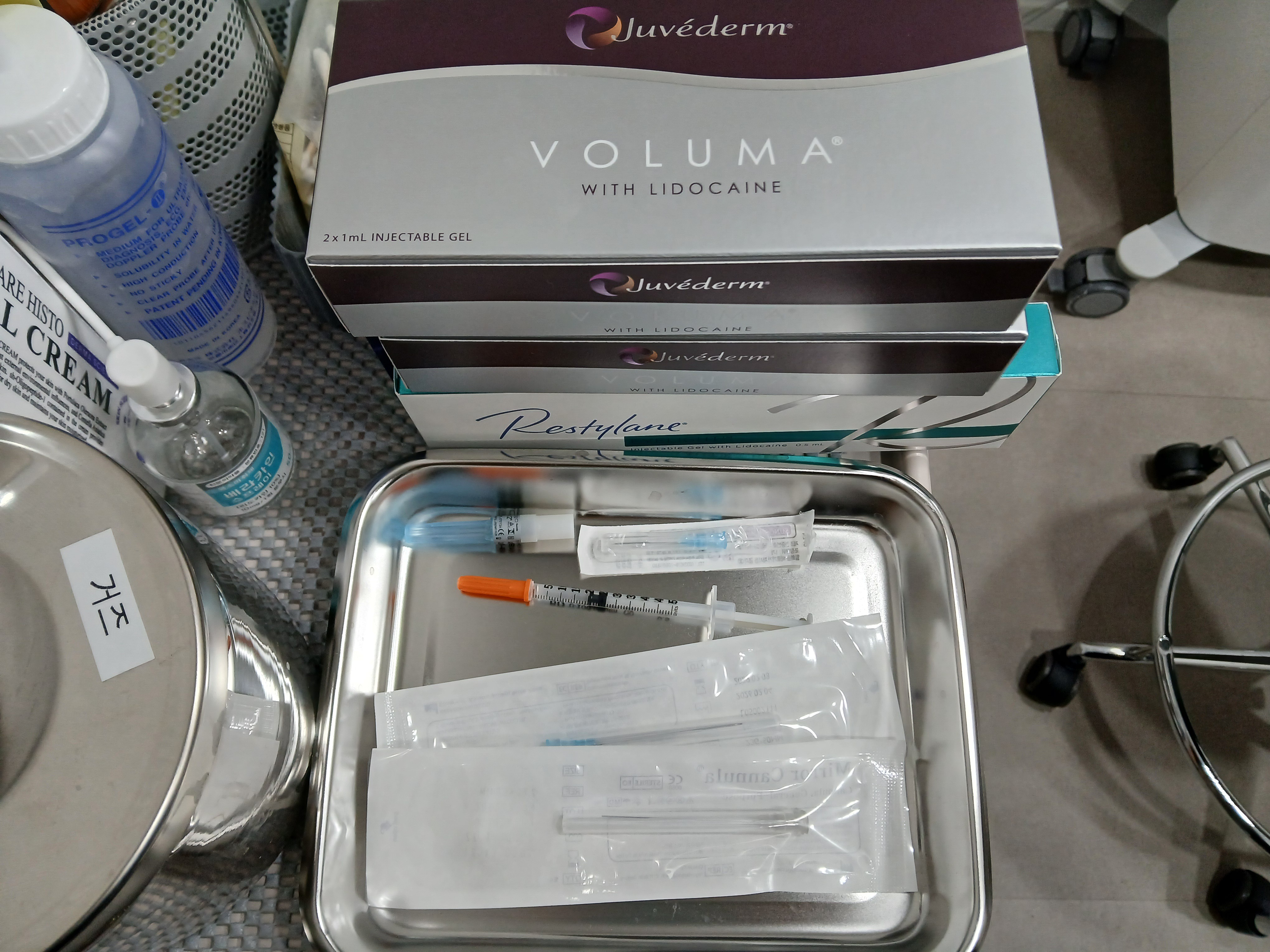
The forehead is one of the most anatomically challenging areas to treat because the skin is relatively thin and sits directly over the frontal bone and active muscles. There are five distinct tissue layers in this region, and a professional must navigate the subcutaneous fat, the galea aponeurotica, and the periosteum with extreme precision. Because the forehead has limited soft tissue coverage, any irregularity in filler placement or product distribution becomes immediately visible as a lump or shadow. Furthermore, the presence of critical blood vessels necessitates a high level of medical expertise to ensure safety. Using a micro-cannula rather than a traditional needle can significantly reduce the risk of bruising and vascular complications when performed by an experienced specialist. Understanding these layers allows for the placement of filler in the deep supraperiosteal plane, providing a stable foundation.
Identifying the Root Causes of Unnatural Filler Texture
Unnatural filler texture and lumpiness typically arise when the physical properties of the filler material do not match the biological requirements of the injection site or when the placement depth is incorrect. When fillers are placed too superficially, they can create visible ridges or 'islands' of product that do not integrate with the surrounding tissue. This mismatch leads to a loss of the smooth, continuous surface that characterizes a youthful and healthy forehead.
Inappropriate Injection Depth and Product Migration
One of the primary causes of a lumpy appearance is the injection of filler into the wrong tissue plane, specifically the superficial dermis or the thin subcutaneous layer where there is no structural support. When filler is placed too high, it is subject to the constant shear forces of the skin and muscles, causing it to cluster into small bumps. Over time, gravity and muscle movement can cause poorly placed filler to migrate, leading to an uneven distribution that looks unnatural when the face is in motion. At LUNN, we utilize a multi-plane injection technique to anchor the product firmly against the bone while softly blending the edges into the mid-layers. Clinical experience suggests that lumpiness can often occur when excessive product volume is used in superficial layers, regardless of where the treatment was performed. Ensuring the correct depth is vital for a smooth result.
Interactions between Fillers and Dynamic Muscle Movement
The forehead is a highly dynamic area, constantly moving during expressions. If a filler is too rigid or if it is injected without considering the movement of the frontalis muscle, it can create a 'sausage' effect or visible lumps when the muscle contracts. This phenomenon occurs because the filler acts as a physical barrier to natural muscle movement. A professional approach involves assessing the patient's dynamic movements before and during the procedure to ensure the filler moves in sync with the face. We often recommend a combination of low-dose neuromodulators to soften muscle activity prior to filler injection, which can help achieve a smoother and more integrated result. This synergy between volume and movement is essential for achieving a result that looks as good during a conversation as it does in a still photograph.
Professional Strategies for Smooth and Seamless Results
Successful forehead contouring relies on a strategy of 'layering and blending,' where small amounts of filler are distributed across different planes to mimic the natural anatomy of the face. By avoiding large bolus injections, we can prevent the formation of localized pressure points that lead to lumpiness. This methodology ensures that the filler integrates smoothly with the patient’s own tissue for a soft and natural feel.
Facial Volume Restoration with Fillers using Micro-layering Techniques
Micro-layering is a specialized technique used at LUNN that involves the precise distribution of filler in tiny, controlled increments rather than large deposits. By spreading the product across a wider surface area and through multiple depths, we create a 'web' of support that mirrors the natural subcutaneous fat distribution. This method significantly reduces the chance of palpable or visible lumps, as the filler is allowed to settle evenly across the frontal bone. During a typical session, I perform detailed micro-injections using a specialized cannula to ensure every millimeter of the forehead is perfectly transitioned. This level of detail is a core focus of our aesthetic approach at LUNN. For patients seeking comprehensive facial harmony, I often recommend The Science of Facial Harmony: Balancing the Forehead and Chin with LUNN to ensure the upper and lower face are perfectly aligned. Micro-layering provides a durable and smooth finish.
Selecting High-Cohesivity Formulas for Structural Integrity
The choice of filler material is critical in the forehead region; we require a product that has high cohesivity to maintain its shape, yet enough flexibility to move with facial expressions. High-cohesivity hyaluronic acid fillers are designed to stay together as a single unit, preventing the product from breaking apart into smaller fragments over time. At LUNN, we select specific formulas that offer firmness for the base layer and a softer, more integrated gel for the superficial finishing. This dual-product approach ensures that the forehead feels firm like a natural bone structure but looks soft and smooth to the eye. Utilizing advanced technology such as A Professional Guide to 3D Facial Contour Sculpting: Achieving Structural Harmony with LUNN allows us to visualize how different filler densities will interact with the patient's unique anatomy. This scientific selection process ensures that the results remain stable, though the duration of the effect varies depending on the individual's metabolism, lifestyle factors, and the specific product used.
Professional Approaches to Forehead Contouring
At LUNN, we utilize a micro-layering approach that involves placing multiple thin layers of filler rather than single large deposits. This method is designed to allow the product to move naturally with your facial expressions and ensures even distribution to avoid localized irregularities. While traditional techniques may focus on surface-level volume, our deep structural integration aims for a more seamless finish. Please note that recovery times and results can vary based on individual skin conditions and anatomy.
Synergy with Advanced Skin Technology
To achieve the desired results, we often combine forehead fillers with non-invasive skin tightening technologies. Improving the skin's elasticity and thickness through treatments like Ultherapy or Potenza can provide a better 'envelope' for the filler, further masking any potential irregularities. When the skin barrier is strong and the dermis is dense, the filler sits more naturally beneath the surface. However, it is important to note that all medical procedures carry potential side effects, such as redness, localized swelling, or minor bruising, which typically resolve within a few days, though individual recovery times may vary. During your professional consultation at LUNN, we will discuss your unique skin condition and provide a customized plan that balances volume restoration with skin health. This integrated approach ensures that the results are not just about volume, but about overall facial rejuvenation.
Key Takeaways
- Forehead filler requires a deep-layer, supraperiosteal placement to avoid visible lumpiness and ensure structural stability.
- A dermatologist-led 3D facial design is essential to maintain harmony between the forehead, temples, and brow.
- Micro-layering techniques used at LUNN distribute product evenly, reducing the risk of migration and artificial effects.
- Selecting high-cohesivity fillers ensures the product moves naturally with dynamic facial expressions.
- Potential side effects like swelling or bruising are usually temporary, and individual results may vary based on anatomy and skin condition.
Frequently Asked Questions
Q. Why does forehead filler sometimes look like a bump or a lump?
Lumpiness often occurs when a filler with low cohesivity is used or when the product is injected too superficially into the skin layers. At LUNN, we focus on deep-layer placement to ensure the filler integrates naturally with your tissue and avoids the thin surface layers where bumps are most visible. This method provides a much smoother finish that mimics the natural bone structure.
Q. How can I ensure my forehead looks natural and not overfilled?
A natural result depends heavily on dermatologist-led facial design and a conservative approach to volume. Instead of focusing only on filling every line, we analyze the movement of your forehead muscles and light reflection to prevent a frozen or 'heavy' appearance. Starting with a conservative amount and performing a touch-up if necessary is often the best strategy for a seamless look.
Q. Is there a risk of the filler migrating after the procedure?
While migration is rare with modern micro-layering techniques, it can occur if the filler is placed in an unstable tissue plane or if heavy pressure is applied shortly after the treatment. Following the specific aftercare provided by LUNN, such as avoiding intense exercise or facial massages for the first week, is essential for keeping the filler in its intended position.
Q. Can forehead fillers be combined with other treatments like a thread lift?
Yes, combining volume restoration with a thread lift or skin tightening can enhance the overall lifting effect, especially for the brow and upper eyelid area. This synergy helps to create a more comprehensive rejuvenation by addressing both volume loss and skin laxity. We customize these programs based on your unique facial structure and aesthetic goals during your private consultation.
Q. What should I look for in a clinic for this specific procedure?
It is crucial to choose a clinic where a specialist dermatologist directly performs both the consultation and the injection. Precision, an understanding of complex facial anatomy, and a focus on harmony are far more important than the quantity of filler used. Look for a clinic like LUNN that emphasizes a medical, evidence-based approach rather than a one-size-fits-all model.
Q. How long does it take for the results to settle and look smooth?
While most patients notice an immediate improvement, it typically takes about two weeks for the filler to fully integrate with the surrounding tissue. During this time, any minor swelling or 'firmness' will subside, leaving a soft and natural finish. We recommend scheduling the treatment at least two weeks before any major social events to allow for full settling.
Q. Are there any side effects I should be aware of?
Common side effects include temporary redness, mild swelling, or tenderness at the injection site, which usually resolve within a few days. Rare but serious complications like vascular occlusion are minimized through the use of micro-cannulas and expert anatomical knowledge. A detailed discussion of all potential risks and individual recovery expectations is a standard part of our safety protocol at LUNN.
Refining the Details. Achieving Perfect Harmony.
LUNN Dermatology Clinic / Dr. Hyung-kwon Park
FAQ
- Why does forehead filler sometimes look like a bump or a lump?
- Lumpiness often occurs when a filler with low cohesivity is used or when the product is injected too superficially into the skin layers. At lunnclinic, we focus on deep-layer placement to ensure the filler integrates naturally with your tissue and avoids the thin surface layers where bumps are most visible. This method provides a much smoother finish that mimics the natural bone structure.
- How can I ensure my forehead looks natural and not overfilled?
- A natural result depends heavily on dermatologist-led facial design and a conservative approach to volume. Instead of focusing only on filling every line, we analyze the movement of your forehead muscles and light reflection to prevent a frozen or 'heavy' appearance. Starting with a conservative amount and performing a touch-up if necessary is often the best strategy for a seamless look.
- Is there a risk of the filler migrating after the procedure?
- While migration is rare with modern micro-layering techniques, it can occur if the filler is placed in an unstable tissue plane or if heavy pressure is applied shortly after the treatment. Following the specific aftercare provided by lunnclinic, such as avoiding intense exercise or facial massages for the first week, is essential for keeping the filler in its intended position.
- Can forehead fillers be combined with other treatments like a thread lift?
- Yes, combining volume restoration with a thread lift or skin tightening can enhance the overall lifting effect, especially for the brow and upper eyelid area. This synergy helps to create a more comprehensive rejuvenation by addressing both volume loss and skin laxity. We customize these programs based on your unique facial structure and aesthetic goals during your private consultation.
- What should I look for in a clinic for this specific procedure?
- It is crucial to choose a clinic where a specialist dermatologist directly performs both the consultation and the injection. Precision, an understanding of complex facial anatomy, and a focus on harmony are far more important than the quantity of filler used. Look for a clinic that emphasizes a medical, evidence-based approach rather than a one-size-fits-all model.
- How long does it take for the results to settle and look smooth?
- While most patients notice an immediate improvement in their profile, it typically takes about two weeks for the filler to fully integrate with the surrounding tissue. During this time, any minor swelling or 'firmness' will subside, leaving a soft and natural finish. We recommend scheduling the treatment at least two weeks before any major social events to allow for full settling.
- Are there any side effects I should be aware of?
- Common side effects include temporary redness, mild swelling, or tenderness at the injection site, which usually resolve within a few days. Rare but serious complications like vascular occlusion are minimized through the use of micro-cannulas and expert anatomical knowledge. A detailed discussion of all potential risks and individual recovery expectations is a standard part of our safety protocol at lunnclinic.