
Post
A Dermatologist's 2026 Guide to Pore Tightening and Texture Refinement: Achieving Facial Harmony at LUNN
Pore tightening and texture refinement represent the cornerstone of achieving a polished and harmonious facial appearance.
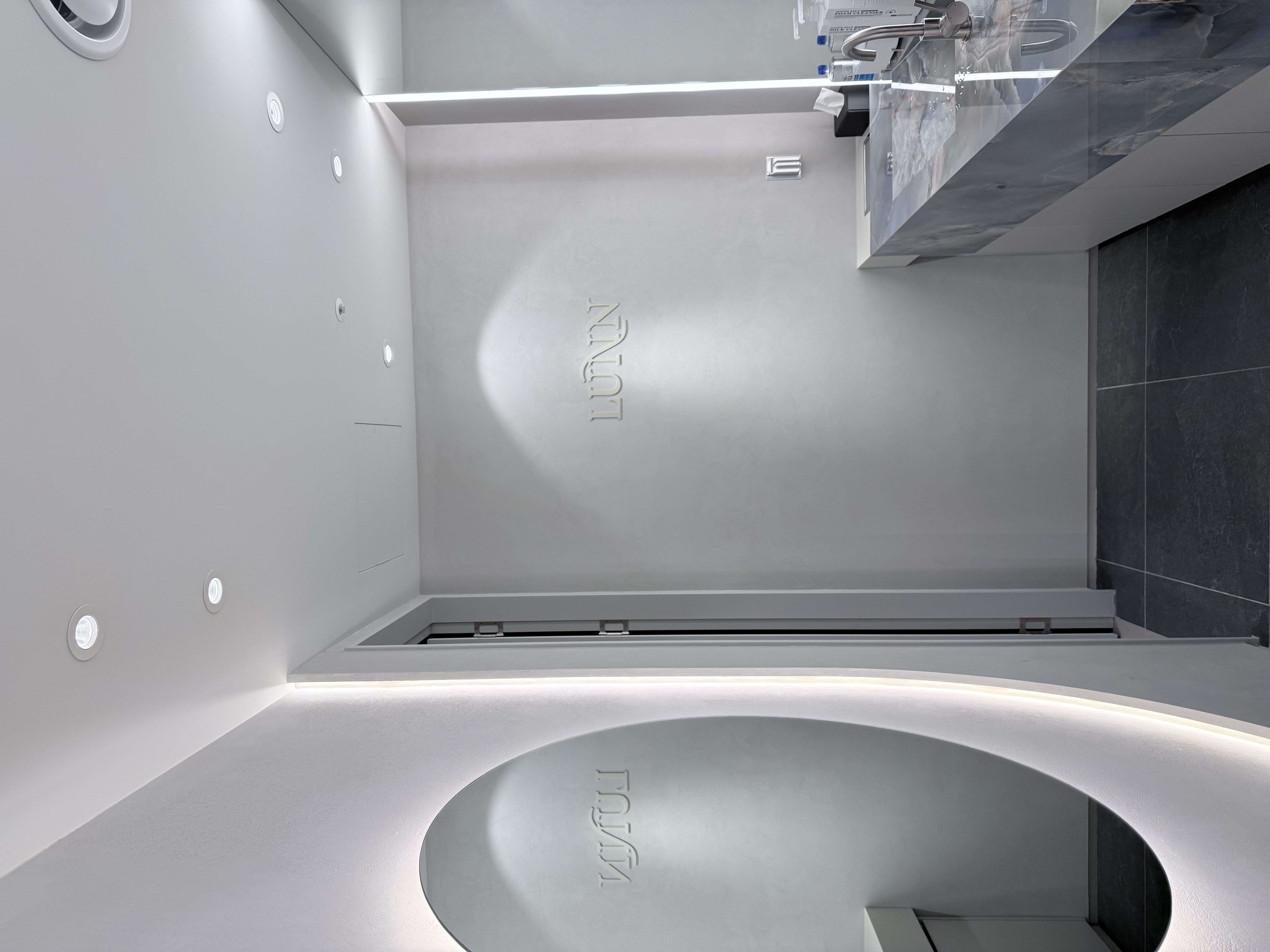
As a board-certified dermatologist in the Cheongdam and Apgujeong Rodeo areas, I focus on the delicate balance between structural integrity and surface smoothness. This guide explores the scientific mechanisms behind skin rejuvenation and how professional interventions at LUNN can help you achieve a more refined complexion.
Understanding Pore Tightening and Skin Texture Refinement
Pore tightening refers to the clinical process of improving dermal elasticity to minimize the appearance of follicular openings, while skin texture refinement involves smoothing the surface irregularities of the epidermis. These two goals are intrinsically linked through the health of the extracellular matrix. At LUNN, we view these concerns not as isolated flaws but as indicators of the skin's overall structural health and aging progression.
The Anatomy of Dilated Pores and Surface Irregularities
The physical size of a pore is largely determined by genetics and the size of the underlying sebaceous gland. However, when the surrounding dermal tissue loses its structural support, these openings appear significantly larger and more elongated. In my clinical practice, I have observed that even a minor decline in collagen density can visibly impact the tension held around the pore wall. Surface irregularities often arise from an uneven accumulation of dead skin cells or micro-scarring from previous inflammatory events. For patients in their late 20s and 30s, the primary cause of dilated pores is frequently the degradation of elastin fibers. By targeting the basement membrane zone, we can improve the skin's biological ability to remain taut. This anatomical focus ensures that we are addressing the root cause rather than merely masking the surface appearance. Consistent professional care can lead to a more uniform reflection of light across the face, though results may vary depending on individual skin conditions.
Key Factors Influencing Dermal Laxity and Texture Quality
Several environmental and biological factors contribute to the gradual decline of skin smoothness and pore integrity. Prolonged ultraviolet exposure is a primary driver of premature skin aging, leading to the breakdown of the scaffolding that keeps pores tight. Additionally, hormonal fluctuations can increase sebum production, which physically stretches the pore opening over time. In my experience, patients who prioritize a personalized post-care protocol following professional treatments see much more stable results. Dermal laxity is also influenced by the gradual thinning of the dermis as we age. When the skin becomes thinner, it lacks the necessary tension to keep the follicular openings circular, causing them to appear as teardrop-shaped shadows. Understanding these factors allows for a more personalized approach to treatment. By addressing both the internal biological clock and external stressors, we can better support the skin's natural resilience and maintain a refined texture over a longer period.
Non-Invasive Skin Tightening Technology for Structural Harmony
Non-invasive skin tightening technology utilizes targeted energy or biological stimulants to promote dermal remodeling. These modalities at LUNN are designed to stimulate natural collagen production, thereby increasing the density of the skin. This structural approach ensures that the improvement in pore appearance is a byproduct of healthier, firmer tissue rather than a temporary surface effect.
Dermatologist-Led Facial Design: Beyond Surface Smoothing
A dermatologist-led approach to facial design involves a precise analysis of the unique anatomical layers of each patient. Instead of applying a universal protocol, I focus on the 1mm differences that define an individual's facial harmony and expression. This precision is essential because the thickness of the dermis varies significantly across different zones of the face. For instance, the skin on the nose is often thicker and more sebaceous compared to the delicate skin on the cheeks. By customizing the depth of energy delivery, we can optimize the tightening effect while minimizing the risk of adverse reactions. This level of customization is what distinguishes professional clinical care from standard aesthetic routines. My philosophy at LUNN is to respect the natural contours of the face while enhancing the skin's intrinsic quality. Each session is a step toward a more balanced and vibrant appearance, ensuring that the results feel authentic to the patient's identity. A Specialist's 2026 Guide to Medical Grade Pore Tightening Laser: Achieving Facial Harmony at LUNN.
Layered Approach to Dermal Remodeling and Pore Elasticity
To achieve comprehensive texture refinement, we must address multiple layers of the skin simultaneously. This layered approach targets the superficial epidermis for immediate smoothness and the deep dermis for long-term elasticity. By utilizing different frequencies and delivery methods, we can stimulate a robust response that promotes the synthesis of new collagen and elastin. Clinical observation suggests that a series of sessions is often necessary to achieve a cumulative improvement in skin density. During this process, patients may experience mild redness or transient swelling, which is a normal part of the regenerative cycle. The goal is to create a firmer foundation that naturally improves the appearance of pores. This method not only improves the visible texture but also enhances the skin's overall bounce and resilience. By focusing on the structural integrity of the dermal layers, we provide a sustainable solution for those seeking a more refined complexion.
Comparison of Medical Skin Care for Facial Harmony
Facial harmony in a medical context refers to the aesthetic balance achieved when skin quality, volume, and bone structure work in unison. At LUNN, we utilize advanced diagnostics to determine the most effective combination of treatments for each patient's unique profile. The following comparison highlights the distinct characteristics of our primary texture refinement options.
| Feature | Premium Skin Boosters | Lifting & Tightening (Thermage/Ultherapy) |
|---|---|---|
| Primary Goal | Hydration & Bio-stimulation | Structural Tightening & Smoothing |
| Depth of Action | Superficial to Mid-Dermis | Mid-Dermis to SMAS Layer |
| Recovery Time | Variable (Minimal) | Variable (Minimal to Mild Swelling) |
| Session Frequency | Dependent on Individual Plan | Dependent on Individual Plan |
| Best For | Fine lines and overall glow | Dilated pores and dermal laxity |
Premium Skin Booster Injections vs. Structural Tightening
Choosing between premium skin boosters and structural tightening treatments like Thermage or Ultherapy depends on the specific needs of the patient's skin matrix. Skin boosters are particularly effective for individuals experiencing surface dehydration and fine textural irregularities. These injections deliver essential nutrients directly into the dermis, resulting in a visible increase in moisture levels. On the other hand, structural tightening is better suited for those whose primary concern is dermal laxity and noticeably dilated pores. Technologies like Ultherapy target the deep SMAS layer, while Thermage focuses on the dermis to provide a tightening effect that alters the skin's surface grain. In my practice at LUNN, I often find that a combination of these two approaches yields the most harmonious results. While the boosters provide hydration, the tightening technology builds the long-term structural support. Each treatment carries a risk of temporary bruising, redness, or swelling, which is discussed during the initial consultation to ensure patient safety.
Choosing the Right Modality: Texture, Volume, and Elasticity
Selecting the appropriate modality requires an understanding of how texture, volume, and elasticity interact. A patient with significant volume loss may find that pore tightening alone is insufficient, as sagging skin will continue to stretch the pores. In such cases, we may incorporate volumizing treatments or ONDA, which addresses both volume and elasticity. The decision process at LUNN involves a detailed assessment of these pillars of skin health. We take into account the patient's age and history of previous treatments to design a plan that is both safe and effective. By balancing these factors, we can achieve a result that looks natural and rejuvenated. It is important to note that individual results may vary, and a commitment to professional maintenance is key to preserving improvements. A Specialist's 2026 Guide to Sustainable Beauty and Skin Harmony: Achieving Balance at LUNN.
Integrated Approaches for Refined Contours and Smoothness
Integrated approaches combine different treatment modalities to address various depths and aspects of skin aging. At LUNN, we believe that the synergy between diverse technologies allows for a more comprehensive transformation than any single treatment could offer. This methodology ensures that every aspect of the skin's texture and contour is considered during the refinement process.
Synergistic Effects of Customized Skin Care Programs
Customized programs leverage the synergistic effects of combining energy-based treatments with medical-grade topical applications or skin boosters. When we perform a tightening procedure, the skin environment is primed to better respond to active ingredients. In my clinical experience, patients who follow a synergistic program often report a more vibrant complexion. By layering these treatments, we can address surface quality, pore appearance, and dermal thickness. This holistic approach is particularly beneficial for maximizing results with a structured number of clinic visits. We carefully monitor the skin's response at each stage, adjusting intensity and frequency to ensure optimal safety. The goal is to create a cycle of regeneration where each treatment enhances the benefits of the previous one.
Maintaining Long-Term Texture Integrity and Professional Care
Long-term maintenance is essential for preserving the results of any pore tightening or texture refinement program. The skin is a living organ that continues to be affected by aging and environmental factors. At LUNN, we recommend a maintenance schedule tailored to the individual's aging progression. This proactive approach allows us to address minor changes before they become significant concerns. Additionally, adherence to professional-grade sun protection and hydration is necessary to protect the dermal fibers. Many patients find that their skin's resilience improves with consistent care. It is also important to manage expectations, as no medical procedure can permanently stop the biological aging process. However, by staying committed to a professional care routine, individuals can significantly delay the onset of new textural issues. My role as a dermatologist is to provide the guidance needed to ensure your skin remains firm and harmonious.
Frequently Asked Questions
Q. Can pore size be permanently reduced with non-invasive skin tightening technology?
Pore size is genetically influenced and fluctuates with sebum production, so permanent reduction in the literal size is not typical. However, medical treatments significantly improve their appearance by enhancing dermal elasticity. Through targeted remodeling, the surrounding skin becomes firmer, preventing pores from appearing stretched. This leads to a smoother look that can be sustained with periodic professional care.
Q. What are the typical results of skin texture refinement treatments at LUNN?
Typical results involve a reduction in surface roughness and a more even light reflection across the skin. In my clinical experience, patients often observe a refined skin grain after a series of customized sessions. Many individuals also report an overall improvement in the clarity of their complexion. Results vary based on the individual's skin condition.
Q. Is there any downtime associated with a customized skin care program for pores?
Most modern texture refinement procedures are designed to be minimally invasive. While temporary redness, mild swelling, or sensitivity may occur, many patients return to their daily routines shortly after, provided they follow proper post-care protocols. Any minor side effects typically resolve within a few days.
Q. How does dermatologist-led facial design differ from standard aesthetic treatments?
Dermatologist-led design focuses on the unique anatomical layers of each patient. Instead of a one-size-fits-all approach, it involves a precise analysis of muscle resistance and dermal thickness to achieve a natural harmony that respects the individual's facial structure. At LUNN, I personally conduct the assessment to ensure a higher degree of safety and personalization.
Q. Are premium skin booster injections effective for both texture and hydration?
Yes, high-quality skin boosters serve a dual purpose. They provide deep hydration to the extracellular matrix while stimulating the biological pathways that support texture refinement, resulting in a healthier-looking complexion. They are an excellent option for addressing both dullness and fine textural issues.
Q. What are the material risks associated with skin tightening procedures?
Potential risks include temporary erythema (redness), minor bruising, transient sensitivity, or swelling. These effects are usually self-limiting and resolve without major intervention. A thorough consultation at LUNN is essential to assess individual skin reactivity and identify any potential contraindications before starting treatment.
Q. How many sessions are generally required for visible pore tightening?
The number of sessions varies based on the individual's skin condition and age. In my practice, a series of sessions is often recommended to achieve cumulative improvements in skin density. Regular maintenance sessions can then help sustain these results over the long term. Each plan is customized to the patient's specific needs.
Key Takeaways
- Anatomical Approach: Understanding the relationship between dermal thickness and pore elasticity is crucial for effective refinement.
- Customized Design: Professional dermatologist-led design at LUNN focuses on 1mm differences to ensure natural facial harmony.
- Layered Remodeling: Targeting multiple skin depths with synergistic treatments like Ultherapy, Thermage, and skin boosters provides sustainable improvements.
- Consistency is Key: Long-term maintenance and proper post-care are essential for preserving the results of non-invasive treatments.
Refining the Details. Achieving Perfect Harmony.
LUNN / Dr. Hyung-kwon Park Threads @dr.lunn
FAQ
- Can pore size be permanently reduced with non-invasive skin tightening technology?
- While pore size is genetically influenced, medical treatments can significantly improve their appearance by enhancing dermal elasticity. Through targeted remodeling, the surrounding skin becomes firmer, which prevents pores from appearing stretched or saggy. This leads to a smoother and more refined look that can be maintained with periodic professional care.
- What are the typical results of skin texture refinement treatments at a Seoul dermatology clinic?
- Typical results involve a visible reduction in surface roughness and a more even light reflection across the skin. In my clinical experience, patients often observe a smoother foundation application and a refined skin grain after a series of customized sessions. Many individuals also report an overall improvement in the brightness and clarity of their complexion.
- Is there any downtime associated with a customized skin care program for pores?
- Most modern texture refinement procedures are designed to be minimally invasive. While temporary redness or mild swelling may occur in some individuals, most patients return to their daily routines immediately, provided they follow proper post-care protocols. Any minor side effects typically resolve within a few days of the procedure.
- How does dermatologist-led facial design differ from standard aesthetic treatments?
- Dermatologist-led design focuses on the unique anatomical layers of each patient. Instead of a one-size-fits-all approach, it involves a precise analysis of muscle resistance and dermal thickness to achieve a natural harmony that respects the individual's facial structure. This ensures a higher degree of safety and more personalized results.
- Are premium skin booster injections effective for both texture and hydration?
- Yes, high-quality skin boosters serve a dual purpose. They provide deep hydration to the extracellular matrix while stimulating the biological pathways responsible for texture refinement, resulting in a healthier and more radiant complexion. They are an excellent option for those looking to address both dullness and fine textural issues.
- What are the material risks associated with skin tightening procedures?
- As with any medical procedure, potential risks include temporary erythema, minor bruising, or transient sensitivity. These effects are usually self-limiting and resolve without intervention. A thorough consultation at lunnclinic is essential to assess individual skin reactivity and identify any potential contraindications before starting treatment.
- How many sessions are generally required for visible pore tightening?
- The number of sessions varies based on the individual's skin condition and age. In my practice, a series of three to five sessions is often recommended to achieve cumulative improvements in skin density and pore structure. Regular maintenance sessions can then help sustain these results over the long term.