
Post
A Specialist's 2026 Guide to Medical Grade Pore Tightening Laser: Achieving Facial Harmony at LUNN
Medical grade pore tightening laser technology represents a sophisticated approach to non-invasive skin refinement, offering a professional solution for individuals seeking to enhance their skin's structural integrity.
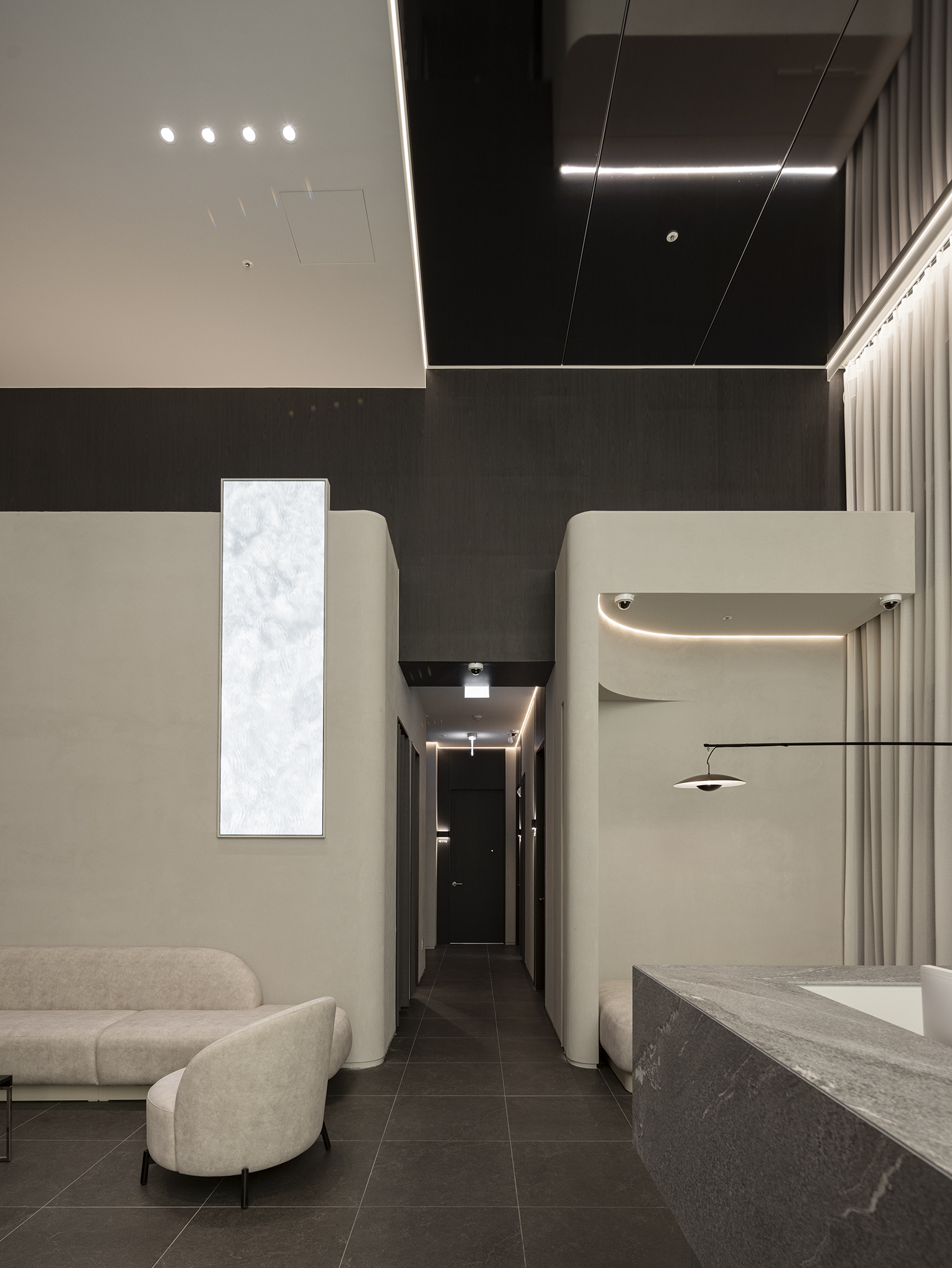
At LUNN, we prioritize a scientific approach to texture correction, ensuring that every procedure is tailored to the unique biological needs of the patient. As a dermatologist, I believe that achieving a natural result is the mark of true skill. While high-precision energy can stimulate deep-layer collagen to minimize the appearance of enlarged pores, it is the balance of the entire face that matters most. As with any medical procedure, individual results may vary depending on skin type and biological response, and potential side effects such as temporary redness or swelling should be considered.
What is Medical Grade Pore Tightening Laser Technology?
Medical grade skin texture refinement refers to the use of advanced, high-energy devices that are specifically cleared for clinical use to improve the structural integrity of the dermis. Unlike over-the-counter tools or aesthetician-grade equipment, a medical grade pore tightening laser at LUNN reaches the deeper dermal layers to trigger a robust healing response. This process is centered on the stimulation of fibroblasts, which are the cells responsible for producing new collagen and elastin fibers. In my experience as a dermatologist, I have observed that precision in energy delivery is the key to minimizing the appearance of enlarged pores without damaging the surrounding tissue. By focusing on the histological changes within the skin, we can address the root cause of texture irregularities, such as age-related laxity or past inflammatory issues. Patients typically seek these treatments to achieve a smoother, more refined complexion that looks natural and vibrant across all facial zones.
Defining Medical Grade Skin Texture Refinement
At LUNN, my core philosophy is "Refining the Details. Achieving Perfect Harmony." When we talk about medical grade refinement, we are discussing a process that goes beyond simple surface treatments. It involves a meticulous analysis of the skin's anatomy. Whether addressing the T-zone or the cheeks, I personally ensure that the energy settings are calibrated to the patient's specific dermal thickness. This isn't just about a machine; it’s about the physician's eye. I believe that even a 1mm difference in how energy is applied can change the overall impression of the face. By focusing on these minute details, we can guide the skin toward a state of nobility and novelty, which are the values LUNN stands for. This scientific approach ensures that we are not just "burning" the surface but truly rebuilding the skin's foundation from the inside out.
The Science Behind Non-Invasive Skin Tightening Technology
The science of non-invasive skin tightening relies on the principle of selective photothermolysis or controlled thermal injury to the collagen matrix. Think of it like a magnifying glass focusing sunlight to a single point; we use precision energy to stimulate the skin without harming the surface. When a medical grade pore tightening laser like Thermage is applied, the energy causes immediate contraction of existing collagen fibers. This initial tightening is followed by a long-term neocollagenesis phase, where the body builds a denser dermal framework over several weeks. At LUNN, we utilize technologies that allow for customizable depth and intensity, ensuring the energy reaches the exact layer where pore structures reside. This thermal stimulation also helps regulate sebum production, which can indirectly prevent future pore enlargement. While the technology is highly sophisticated, results depend significantly on the individual's baseline skin health and their biological response to thermal stimuli.
Strategic Approaches to Pore Minimization and Facial Harmony
Strategic approaches to pore minimization involve a comprehensive analysis of the face to ensure that texture improvements contribute to a balanced and harmonious appearance. This process requires more than just applying energy to the skin; it involves understanding how different facial zones interact and how skin laxity affects the visual size of pores. At LUNN, I focus on a design-first methodology that addresses the underlying causes of texture decline while preserving the natural characteristics of the patient's face. I often tell my patients that treating the skin without a plan is like putting up new wallpaper on a house with a failing foundation.
Dermatologist-Led Facial Design for Targeted Pore Care
Achieving facial harmony requires more than just high-end technology; it demands a strategic facial design tailored to each patient's unique anatomy. At LUNN, I personally oversee the diagnostic process to identify why pores appear enlarged. Sometimes, what looks like a pore issue is actually the result of skin sagging or the "shadow" created by a ligament pulling on the skin. By integrating a dermatologist-led design, we can apply medical grade lasers with high precision, targeting only the areas that need refinement. This meticulous planning ensures that the treatment complements the natural contours of the face rather than simply treating the skin in a uniform, robotic fashion. I believe in a conservative approach—treating enough to see progress while allowing the skin time to react naturally. This level of detail is what differentiates a premium clinical experience in Cheongdam from a factory-style clinic.
Customized Skin Care Program at Seoul Dermatology Clinics
A customized skin care program at a Seoul dermatology clinic involves a holistic evaluation of the patient's lifestyle and aging concerns. At LUNN, we don't believe in a one-size-fits-all solution. Instead, we combine pore tightening lasers with complementary therapies like skin boosters to improve the skin's environment. I often compare this to watering a parched field before planting seeds; by improving the skin’s hydration and condition first, the effects of the laser are significantly enhanced. We often see international patients who are looking for the latest Korean innovations, and our programs are designed to provide maximum efficacy within a professional, tranquil environment. By focusing on the synergy between clinical procedures and proper at-home maintenance, we help patients maintain their refined texture for a longer duration. This comprehensive perspective is central to my practice as a specialist who values long-term dermatological health over quick fixes.
Comparing Pore Tightening Lasers with Alternative Refinement Methods
Comparing pore tightening lasers with alternative refinement methods is essential for selecting the most appropriate intervention for your specific skin goals. While many options exist in the aesthetic market, each modality addresses different layers of the skin. Understanding these differences helps in managing expectations and achieving a result that feels both natural and sustainable. At LUNN, we focus on energy-based lifting and refinement rather than invasive methods, ensuring that the "Refining the Details" philosophy is applied to every layer of the dermis.
Medical Laser Treatments vs. Layered Lifting for Structural Support
While a medical grade pore tightening laser is excellent for surface texture and mild laxity, some patients require more structural support. For deeper issues, I recommend a "Layered Lifting" approach using devices like Ultherapy. While Thermage provides uniform elasticity to the dermis, Ultherapy targets the deep SMAS layer. In my clinical practice, I have found that these two modalities work in harmony. The laser improves the skin's "fabric" or texture, while the deeper energy provides a lift to the underlying architecture. Deciding between them depends on whether the primary issue is skin quality or gravitational drooping. At LUNN, I carefully assess the skin's thickness and elasticity by hand before recommending a path. For some, a single-layer treatment is sufficient; for others, a combination leads to the most balanced and harmonious result. This layered strategy is the key to natural-looking rejuvenation.
Comparison Table: Thermage vs. Traditional Skin Resurfacing
| Feature | Thermage (RF Technology) | Clinical Considerations |
|---|---|---|
| Primary Target | Deep Dermal Collagen | Focused on the dermal layer |
| Downtime | Minimal | Varies by individual recovery |
| Precision | High (Layered Design) | Requires specialist calibration |
| Sensitivity | Controlled Thermal Effect | Potential for temporary redness |
| Session Frequency | 1 Session (Annual) | Based on individual skin goals |
Facial Volume Restoration with Fillers for Texture Improvement
Facial volume restoration using fillers can sometimes be the most effective way to address what appears to be a texture issue. When the skin loses its underlying support, it begins to drape, causing pores to stretch and become more visible as "shadows." By strategically placing low-hydrophilicity fillers, such as Belotero, we can restore the plumpness that naturally conceals these irregularities while minimizing swelling. This approach works beautifully alongside a medical grade pore tightening laser, as the laser refines the surface while the filler supports the structure from beneath. At LUNN, I focus on using high-quality injectables that integrate seamlessly with the natural tissue to avoid an "overfilled" look. This dual-layered strategy is particularly effective for the mid-face area where aging is most prominent. For more details on how we combine these methods, you may refer to our clinical protocols for precision facial harmony.
Safety and Expectations for Premium Medical Aesthetic Treatments
Safety and expectations for premium medical aesthetic treatments must be clearly defined to ensure a positive patient experience. Every energy-based procedure involves a biological interaction with the skin, and understanding the normal physiological response is crucial. I believe in providing transparent information about the recovery phase. Honest communication about the limitations of a procedure is what builds trust between a doctor and a patient. At LUNN, I make it a point to explain that while we use the best technology, the human body needs time to respond and rebuild its own collagen.
Clinical Realities of Energy-Based Rejuvenation and Recovery
Energy-based rejuvenation systems are popular for those seeking noticeable improvements in skin clarity. However, it is important to understand the clinical realities. Most patients will experience a period of redness and mild sensitivity immediately following the procedure, which typically subsides within a few days. During this time, the skin is in a heightened state of repair. At LUNN, we provide detailed guidance on how to manage the recovery phase to minimize discomfort and maximize the benefits of the energy applied. While some may see a "glow" shortly after treatment, the true structural changes to the pores and collagen density take several weeks to manifest. It is important to have realistic expectations, as a single session may not resolve all texture concerns for every patient. Consistency and patience are the hallmarks of a successful skin transformation journey.
Addressing Potential Side Effects and Long-Term Skin Health
As with any clinical procedure, using a medical grade pore tightening laser carries potential side effects that must be discussed. Temporary erythema, or redness, is the most common response, often accompanied by slight swelling. In rare cases, more significant issues like hyperpigmentation can occur if the skin is not properly assessed or if sun protection is ignored. At LUNN, I prioritize safety by performing a thorough skin analysis, checking muscle thickness and fat distribution, before any device is used. Protecting your long-term skin health means being honest about the importance of professional oversight. Patients with certain skin conditions may need to delay treatment to avoid adverse reactions. By maintaining a transparent dialogue about these risks, we ensure that every patient feels informed and safe throughout their journey. Your skin's health is a lifelong investment that requires expert management.
Choosing an Apgujeong Rodeo Dermatology Clinic for Advanced Care
Choosing an Apgujeong Rodeo dermatology clinic for advanced care requires a careful evaluation of the medical team's credentials and the clinic's philosophy. The district is known for its high standards, making it a destination for those seeking premium aesthetic medicine. However, the most important factor is the relationship you build with your specialist and their commitment to your individual goals. A clinic should not be a factory; it should be a space for professional care and detailed refinement.
Evaluating Korean Medical Aesthetic Clinics for Global Visitors
For global visitors traveling to Seoul for aesthetic care, evaluating a clinic goes beyond looking at marketing materials. It is essential to look for board-certified specialists who have a deep understanding of facial anatomy. Apgujeong Rodeo and Cheongdam are home to many clinics, but the level of personalized attention can vary significantly. At LUNN, we cater to an international clientele by offering consultations that prioritize medical logic and clinical evidence. We understand that traveling involves logistical considerations, so we ensure that our recovery protocols are manageable for those on the move. When choosing a clinic, ensure the medical director personally performs the procedure, as this ensures a higher standard of safety. Korean dermatology has a global reputation for excellence, but the best results always come from a partnership between a dedicated specialist and an informed patient who values quality.
The Role of a Board-Certified Specialist in Detailed Texture Correction
The expertise of a board-certified dermatologist is the most critical factor in achieving successful texture correction. Precision in pore tightening is not just about turning on a machine; it is about understanding how different skin types respond to specific energy levels. At LUNN, I apply my clinical training to customize the energy delivery for every individual, ensuring that we achieve the desired tightening without causing unnecessary downtime. A specialist can distinguish between simple enlarged pores and more complex issues like sebaceous hyperplasia. This diagnostic accuracy prevents ineffective treatments and helps patients reach their aesthetic goals more efficiently. As the medical director, I am committed to maintaining a standard of care that reflects the prestigious reputation of LUNN. By focusing on the 1mm details that others might overlook, we create a refined and harmonious look that enhances natural beauty.
Frequently Asked Questions
Q. What is a medical grade pore tightening laser?
A medical grade pore tightening laser is a high-precision device used by dermatologists to stimulate collagen and contract the skin structure. At LUNN, we use advanced energy-based devices to penetrate deeper layers and refine skin texture through controlled thermal energy. This intervention is designed for those seeking clinically significant improvements in dermal density under professional supervision.
Q. How long does it take to see results from pore tightening treatments?
In my clinical experience, patients often notice texture improvements within 2 to 4 weeks as the skin produces new collagen. However, individual results vary, and multiple sessions may be required depending on the baseline condition. The most significant changes occur gradually over several months as the collagen matrix strengthens.
Q. Is the Thermage treatment effective for all skin types?
Thermage is a sophisticated tool designed for uniform skin tightening and texture refinement. While effective for many, I evaluate each patient's skin thickness and sensitivity during the consultation to ensure it is the appropriate choice. Patients with specific inflammatory conditions or very thin skin may require a more tailored, cautious approach to energy delivery.
Q. Are there any side effects to non-invasive skin tightening?
Common side effects include temporary redness, mild swelling, or a feeling of heat in the treated area. These symptoms usually resolve quickly when post-care protocols are followed. In rare cases, more persistent redness or pigment changes can occur, which is why a thorough examination by a board-certified dermatologist is necessary before proceeding.
Q. Can I combine pore lasers with other lifting treatments at LUNN?
Yes, I often recommend combining skin tightening lasers with deeper lifting modalities like Ultherapy or skin boosters for a comprehensive facial design. This "Layered Lifting" approach addresses both surface texture and deeper structural sagging. The timing and sequence of these treatments are carefully managed to ensure safety and synergistic results.
Q. What is the typical cost for a customized skin care program?
Costs for medical skin care vary based on the specific technology used and the complexity of the treatment plan. At LUNN, we provide detailed breakdowns during the initial consultation after analyzing your specific skin concerns. We focus on value and long-term results rather than just the number of shots or sessions.
Q. How should I care for my skin after a medical grade laser session?
Post-treatment care is vital. I recommend intensive hydration, avoiding direct sun exposure, and using a broad-spectrum sunscreen daily. You should also avoid harsh chemical exfoliants or scrubs for at least one week to prevent irritation. Keeping the skin cool and well-moisturized supports the natural healing response triggered by the treatment.
Key Takeaways
- Medical grade pore tightening lasers target the deep dermis to stimulate collagen and refine texture with clinical precision.
- Facial harmony is achieved through a personalized design that considers the unique anatomical needs of each patient at LUNN.
- Combining energy-based devices (like Thermage and Ultherapy) provides a comprehensive solution for both skin quality and structural support.
- Safety and long-term skin health depend on the expertise of a board-certified specialist and a commitment to proper post-treatment care.
If you have questions about refining your skin texture, I am here to provide expert guidance. For more insights into our dermatological approach, visit us on Threads @dr.lunn.
LUNN / Dr. Hyung Kwon Park
FAQ
- What is a medical grade pore tightening laser?
- A medical grade pore tightening laser is a high-precision device used by dermatologists to stimulate collagen and contract the skin structure. Unlike home devices, these technologies penetrate deeper layers to refine skin texture and reduce the appearance of enlarged pores through controlled thermal energy. This medical intervention is designed for those seeking clinically significant improvements in dermal density.
- How long does it take to see results from pore tightening treatments?
- In my clinical experience, patients often notice texture improvements within 2 to 4 weeks as the skin's natural healing process produces new collagen. However, individual results vary, and multiple sessions are typically required to achieve significant and sustainable pore reduction. The most noticeable changes occur gradually as the collagen matrix reorganizes and strengthens over several months.
- Is the Re2O laser effective for all skin types?
- The Re2O laser is a sophisticated skin rejuvenation tool designed for texture refinement. While effective for many, I evaluate each patient's skin thickness and sensitivity during the consultation to ensure it is the appropriate choice for their specific dermatology needs. Patients with darker skin tones or specific inflammatory conditions require a tailored approach to avoid potential pigmentary changes.
- Are there any side effects to non-invasive skin tightening?
- Common side effects include temporary redness, mild swelling, or a feeling of heat in the treated area. While rare, more significant reactions like pigment changes can occur, which is why a thorough examination by a specialist is necessary before proceeding with treatment. These symptoms usually resolve quickly when the recommended post-care protocols are strictly followed.
- Can I combine pore lasers with a thread lift in Seoul?
- Yes, many patients at our Apgujeong clinic combine skin tightening lasers with a thread lift for a comprehensive facial design. This approach addresses both surface texture and deeper structural sagging, though the timing between treatments must be carefully managed. Combining these modalities allows for a synergistic effect that enhances both skin quality and facial contour.
- What is the typical cost for a customized skin care program?
- Costs for medical skin care vary significantly based on the technology used and the number of sessions required. At lunnclinic, we provide detailed cost breakdowns during the initial consultation after analyzing your specific skin concerns. We focus on providing value through personalized care rather than standardized pricing models, ensuring your investment aligns with your skin goals.
- How should I care for my skin after a medical grade laser session?
- Post-treatment care is crucial for optimal results. I recommend intensive hydration, avoiding direct sun exposure, and using a broad-spectrum sunscreen daily. Avoiding harsh chemical exfoliants for at least one week after the procedure is also essential to prevent irritation. Keeping the skin cool and hydrated helps support the natural healing response triggered by the laser.