
Post
Understanding the Difference Between Pigmented Dark Circles and Structural Hollows in 2026
Hello, I am Dr. Park Hyung-kwon, a board-certified dermatologist at LUNN.
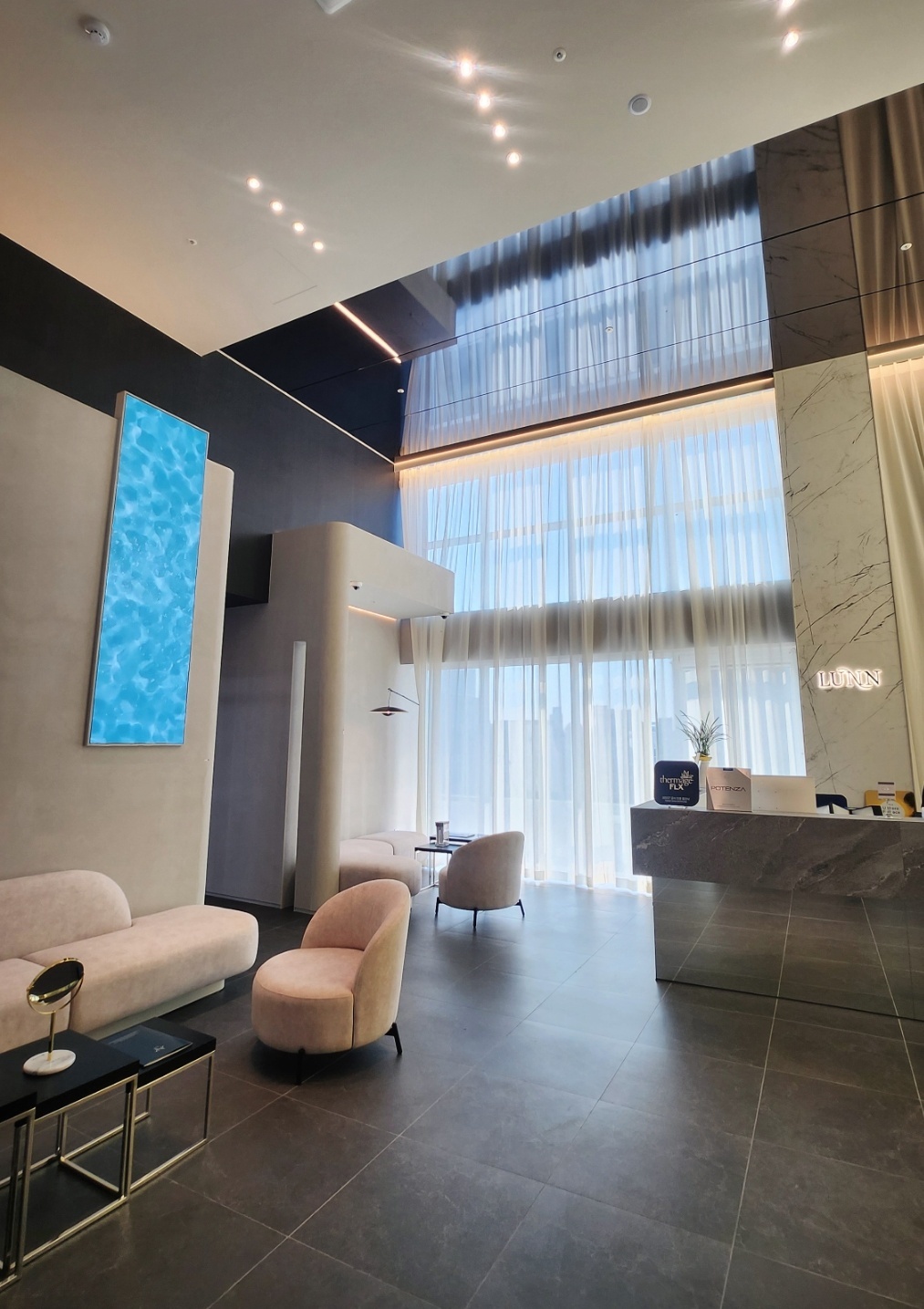
Identifying whether your under-eye concerns stem from skin color or facial structure is the first step toward achieving a refreshed and balanced appearance. My approach focuses on precise anatomical analysis to ensure each patient receives a treatment plan tailored for their unique facial design. At LUNN, we believe that refining the smallest details leads to the most natural harmony.
Understanding the Fundamentals of Under Eye Concerns at LUNN
Under-eye concerns involve a complex interplay between skin quality, subcutaneous fat, and the underlying skeletal structure. At LUNN, we categorize these issues primarily into pigmentation, which involves actual color changes in the skin, and structural hollows, which are shadows created by volume loss or anatomical dips. Distinguishing between these two is essential because the treatment for one often does not address the other. A professional evaluation ensures that we are treating the root cause rather than just the visible symptoms. Our clinic prioritizes a "shining guide" philosophy, where we lead patients toward the right direction through medical honesty and technical precision.
Defining Pigmented Dark Circles vs. Structural Hollows
To effectively address under-eye concerns, one must distinguish between actual skin discoloration and the shadows cast by physical depressions. Pigmented dark circles are characterized by a persistent brown or blue-gray hue that remains visible regardless of how you tilt your head or how the light hits your face. In contrast, structural hollows, often called tear troughs, are anatomical indentations that create a shadow effect. If you look in a mirror and tilt your chin down, structural shadows usually become more pronounced, whereas pigmentation stays consistent. A significant number of patients I see actually present with a combination of both types, necessitating a multifaceted approach. Understanding this distinction is the foundation of my work at LUNN, where I focus on the 1mm differences that define facial harmony. By accurately identifying the primary contributor to the darkness, we can select the most effective technology to refine the area without unnecessary or ineffective procedures for the patient. My goal is always to treat the skin with delicate care while fulfilling your aesthetic wishes.
The Importance of Accurate Diagnosis for Facial Harmony
Precision in diagnosis is the hallmark of a specialist-led clinic because the delicate periorbital area leaves no room for error. When a patient visits LUNN, I use high-definition imaging and physical palpation to assess the specific layers involved in their under-eye appearance. An incorrect diagnosis, such as treating a structural hollow with only whitening lasers, will likely lead to dissatisfaction and no visible improvement in the shadow. Conversely, placing volume in an area where the primary issue is hyperpigmentation can sometimes make the area look swollen or unnatural. My goal is to achieve a balanced look that respects the natural contours of your face while addressing the tired appearance caused by these concerns. By dedicating time to this initial analysis, we ensure that the subsequent treatment plan is both safe and effective. This careful planning is particularly important in 2026 as patients increasingly seek subtle, natural-looking results that enhance their features rather than changing them entirely. As I often tell my patients, a good camera doesn't guarantee a masterpiece; it is the eye of the person using it that counts.
How Skin Thickness and Vascularity Affect Appearance
The skin around the eyes is exceptionally delicate, typically measuring only 0.5mm in thickness, which is significantly thinner than the rest of the facial skin. This transparency allows the underlying blood vessels and orbicularis oculi muscle to show through, often resulting in a purple or bluish tint known as vascular dark circles. At LUNN, we pay close attention to this vascularity because it can mimic or worsen the appearance of both pigmentation and structural hollows. When the skin is thin, even minor congestion in the local blood flow becomes highly visible to the naked eye. Improving skin density through specialized boosters can often reduce this transparency, providing a more opaque barrier that masks the underlying vessels. This biological factor is a key reason why a standardized approach has limitations, as every individual possesses a unique level of skin thickness and vascular patterns. Addressing these physiological nuances allows us to create a more resilient skin texture that maintains its clarity and brightness over the long term for our valued patients. I personally check the muscle thickness and eye protrusion to ensure the safest possible outcome.
Identifying the Causes of Pigmented Dark Circles
Pigmentation refers to the actual deposition of melanin or the visibility of blood vessels through the skin. This condition is often hereditary or exacerbated by chronic irritation and sun exposure, leading to a localized increase in skin color that does not change with lighting. At LUNN, we focus on identifying the specific depth of this pigment to determine if it is epidermal or dermal, which dictates the type of laser energy required for correction.
Melanin Accumulation and Dermal Pigmentation Issues
Melanin accumulation in the periorbital area often results from repeated sun exposure, hormonal fluctuations, or post-inflammatory responses. At LUNN, we observe that dermal pigmentation, which sits deeper in the skin layers, requires a more sophisticated laser approach compared to superficial freckles. Treating these deep pigments involves targeting the melanin clusters without damaging the surrounding 0.5mm thin skin. Most patients require multiple sessions of targeted laser therapy, with the exact number depending on the individual's skin depth and pigment intensity. It is important to note that while lasers can significantly lighten the area, total elimination of hereditary pigment may not always be possible. During our consultation, I emphasize the importance of consistent sun protection to prevent the recurrence of these pigments after treatment. Results can vary significantly based on skin type, and potential side effects like temporary redness or swelling may occur. Natural Under-Eye Brightening: A Professional Guide to Correcting Shadows without Heavy Makeup provides further insight into managing these color-based concerns through professional dermatological strategies.
Vascular Congestion and Thin Periorbital Skin
Vascular congestion occurs when blood flow slows down in the small vessels beneath the eyes, often due to lack of sleep, allergies, or aging. Because the skin here is so thin, this deoxygenated blood creates a dark, bluish appearance that many mistake for simple tiredness. At LUNN, we treat this by focusing on skin thickening agents and improving local circulation through non-invasive methods. By increasing the collagen density in this 0.5mm thick area, we can create a more robust skin barrier that hides the underlying vascular structures. It is a common misconception that topical creams alone can fix deep vascular issues, as they often cannot penetrate deep enough to affect the vessels. Our clinical approach involves professional-grade technologies that stimulate the skin's natural regenerative processes to provide a long-lasting improvement in clarity. Patients should understand that vascular issues are often dynamic and can fluctuate based on daily health habits. We provide a comprehensive plan that addresses both the immediate appearance and the long-term health of the delicate periorbital tissue for every single patient. I always prioritize a logical, science-based approach over temporary marketing promises.
External Irritants Affecting Skin Texture Refinement
External irritants such as harsh makeup removers, frequent rubbing due to allergies, and environmental pollutants can cause chronic inflammation. This inflammation often leads to thickening of the skin texture and a brownish discoloration known as friction-induced hyperpigmentation. At LUNN, I advise patients on gentle cleansing techniques and the use of hypoallergenic products to minimize this external stress. When the skin texture is refined and free from inflammation, it reflects light more evenly, making the under-eye area appear naturally brighter. We often combine texture-refining treatments with our pigmentation protocols to ensure the skin surface is as smooth and healthy as possible. Addressing these external factors is a critical component of a customized skin care program in Seoul, where urban pollutants are a constant concern for residents. By eliminating these irritants, we allow the skin to heal and respond better to clinical treatments. This holistic view of skin health is what allows us to achieve results that look healthy and vibrant rather than just medically treated. Honesty about daily habits is something I always discuss with my friends and patients alike.
The Architecture of Structural Hollows and Volume Loss
Structural hollows are physical depressions caused by the loss of fat or changes in the underlying bone and muscle. These hollows create shadows that mimic dark circles, but they require volume restoration rather than color correction to resolve effectively. At LUNN, we analyze the 3D structure of the face to determine where volume has been lost and how to best restore a smooth transition between the lower eyelid and the cheek.
Facial Volume Restoration with Fillers for Deep Tear Troughs
Restoring volume in the tear trough area requires a deep understanding of facial anatomy and a precise hand to avoid complications. At LUNN, I use low-hydrophilicity dermal fillers, such as Belotero, to fill the physical gap that creates a shadow. Using products that attract less water helps minimize post-treatment swelling and prevents the Tyndall effect. By smoothing the transition between the eye and the mid-face, the appearance of shadows may be significantly reduced. Please note that results vary depending on individual anatomical factors and metabolism, and the longevity of the filler depends on the specific product's physical properties. A conservative approach is vital because overfilling can lead to an unnatural look. A Specialized Guide to Dermal Filler in Cheongdam Seoul for 2026: Achieving Natural Facial Harmony discusses how we prioritize subtlety and safety in these procedures. While fillers provide improvement, patients may experience temporary swelling or bruising. This volume restoration is often the most effective way to address the tired look associated with structural hollows, but it must be performed with a focus on natural balance.
The Role of Fat Pad Displacement and Bone Resorption
As we age, the fat pads under the eyes can shift or diminish, and the underlying bone structure can slightly recede. This process removes the support for the overlying skin, leading to the formation of deep hollows. At LUNN, we assess these structural changes to determine if filler alone is sufficient or if a more comprehensive lifting approach is needed. I often compare this to home renovation; you cannot just change the wallpaper (skin) if the foundation (structure) is failing. Understanding that the problem originates deep within the tissue allows us to place treatments at the correct anatomical depth for the most natural result. In some cases, the protrusion of lower eyelid fat pads can create a shadow beneath them, which we call a pseudo-hollow. Differentiating between true volume loss and fat displacement is a key part of our dermatologist-led design process. We ensure that our recommendations are based on these scientific realities of aging rather than just following trends. This structural focus helps us maintain the integrity of the patient's natural facial proportions while providing a rejuvenated appearance. I always personally verify the amount of fat and bone support through physical examination.
Comparative Table: Characteristics of Pigmentation vs. Structural Shadowing
| Feature | Pigmented Dark Circles | Structural Hollows (Shadows) |
|---|---|---|
| Primary Cause | Melanin or Vascular visibility | Volume loss or Fat displacement |
| Light Test | Stays dark under direct light | Disappears or lightens under light |
| Skin Texture | Often shows color change | Physical dip or "groove" in the skin |
| Treatment Goal | Skin brightening and color correction | Volume restoration and smoothing |
| Common Tools | Pigment lasers, Skin boosters | Dermal fillers, Collagen stimulators |
| Typical Results | Gradual improvement over sessions | Improvement in shadows post-procedure |
| Longevity | Maintenance required for color | Varies by metabolism and product |
Dermatologist Led Facial Design and Treatment Strategies
A dermatologist-led approach ensures that every procedure is grounded in medical science and an intimate knowledge of skin physiology. At LUNN, we do not follow a factory-style model; instead, I personally design each treatment plan to respect the patient's unique anatomy. This individualized strategy is essential for achieving facial harmony and minimizing the risks associated with delicate under-eye procedures.
Customized Skin Care Program Seoul Dermatologist Approach
Our customized skin care programs are designed to address the specific needs of each patient by combining various modalities for a synergistic effect. At LUNN, we do not believe in one-size-fits-all solutions, especially for the complex under-eye area. Each program begins with a thorough consultation where I personally analyze your facial structure and skin condition. We may combine laser treatments for pigmentation with specific boosters to improve skin elasticity and thickness. This multi-layered approach ensures that we are addressing both the surface appearance and the underlying health of the skin. By monitoring the skin's response at each session, I can adjust the parameters to maximize safety and effectiveness. This level of customization is what sets a specialist clinic apart from standardized aesthetic centers. We aim to provide a refined skin texture that looks vibrant and healthy in any light. Our programs are designed to be sustainable, providing long-term benefits rather than just a temporary fix. I take full responsibility for the entire process, from consultation to the final result, ensuring consistent care.
Non-invasive Skin Tightening Technology for Under Eye Laxity
Skin laxity or sagging can worsen the appearance of both hollows and pigmentation by creating more folds and shadows. At LUNN, we utilize advanced non-invasive skin tightening technologies like Ultherapy or Thermage to firm the delicate skin around the eyes without the need for surgery. These devices work by stimulating the production of new collagen and elastin fibers in the dermis, leading to a tighter and smoother skin surface. While results are not as dramatic as surgery, they offer a significant improvement with minimal downtime. Most patients see the best results after the body completes its natural collagen-building process over several months. It is important to have realistic expectations, as individual responses to tightening technology can vary based on age and skin condition. We prioritize safety by using precisely controlled energy levels appropriate for the thin 0.5mm periorbital skin. This technology is an excellent option for those looking to refresh their look naturally and conservatively. It helps in maintaining the structural integrity of the skin, which is vital for long-term facial harmony. I always ensure the parameters are set specifically for your skin's unique resistance.
Synergistic Effects of Premium Skin Booster Injections
Skin boosters are specialized injections that deliver hydration and regenerative components directly into the skin layers. At LUNN, we use these boosters to improve the overall quality, thickness, and radiance of the under-eye area. When combined with other treatments like fillers or lasers, boosters provide a synergistic effect that enhances the final result. For example, a booster can improve the skin's opacity, making the transition created by a filler look even smoother and more natural. These injections help to repair the skin's internal environment, making it more resilient to external stressors and aging. Each booster is selected based on the patient's specific skin needs, whether it is for deep hydration or collagen stimulation. What is the Tyndall Effect in Under-Eye Fillers and How to Avoid It? explains how maintaining skin quality is essential for successful injectable outcomes. We ensure that every injection is performed with precision to minimize discomfort and maximize the regenerative potential of the skin. Boosters are an integral part of my philosophy of treating the skin as a living, dynamic organ that requires detailed care. I often tell my patients that boosters are like providing water to parched land before you start planting.
Integrated Solutions for Comprehensive Facial Rejuvenation
Comprehensive rejuvenation involves looking at the face as a whole rather than focusing on a single isolated concern. At LUNN, we integrate various treatments to ensure that the under-eye area harmonizes perfectly with the rest of the facial features. This holistic approach allows us to restore a youthful, rested appearance that looks completely natural and balanced.
Combining Advanced Laser Systems with Volume Correction
Combining laser technology with volume correction allows us to address both the color and the contour of the under-eye area simultaneously. At LUNN, we often use advanced lasers to clear pigmentation while using fillers to resolve structural hollows. This dual approach provides a more complete transformation than either treatment could achieve alone. For instance, removing a brown pigment while leaving a deep hollow may still leave the patient looking tired due to the remaining shadow. By treating both layers, we achieve a clarity and smoothness that reflects light beautifully. We carefully schedule these treatments to ensure the skin has adequate time to heal between different modalities. This integrated strategy is particularly effective for patients with complex, mixed-type dark circles. We monitor the progress at every step to ensure the results are developing according to the design plan. Our goal is to provide a comprehensive solution that addresses all factors contributing to the aged appearance of the eyes. This level of integrated care is a signature of my practice at LUNN in the Apgujeong Rodeo area, where I treat every patient with the same care I would give a close friend.
Structural Support for Natural Midface Rejuvenation
Sometimes, the appearance of the under-eye area is affected by the sagging of the mid-face. At LUNN, we may recommend structural treatments such as Ultherapy or ONDA to provide support to the cheeks, which in turn can reduce the pull and hollows under the eyes. By lifting the mid-face tissues slightly, we can often improve the look of the tear troughs without over-relying on fillers. This structural support is essential for maintaining a natural look as we age, as it addresses the underlying cause of sagging. These non-invasive procedures provide support while stimulating collagen production over time. We focus on achieving a natural result that does not look artificial or over-corrected. This approach ensures that the entire face is rejuvenated in a balanced manner. It is part of our commitment to facial design that considers the 3D movement and structure of the face. Patients can enjoy a more supported mid-face, which contributes to an overall rested and youthful look. We prioritize your safety and comfort throughout every specialized procedure, ensuring the results respect your original facial identity.
Maintaining Results through Personalized Maintenance Protocols
Long-term success in facial rejuvenation requires a consistent maintenance plan tailored to each patient's skin and lifestyle. At LUNN, we provide personalized protocols that include scheduled touch-ups and a targeted home-care regimen. Because the aging process is continuous, periodic treatments are necessary to maintain the results achieved through fillers and lasers. We advise on the best habits to preserve the clarity and volume of the under-eye area between clinical visits. This proactive approach helps to prevent the recurrence of pigmentation and the deepening of structural hollows. We value the long-term relationship we build with our patients, ensuring their skin remains healthy and vibrant for years to come. By following a personalized maintenance plan, you can extend the longevity of your results and enjoy a consistently refreshed appearance. My team and I are always available to adjust your protocol as your skin's needs change over time. This dedication to ongoing care is a core value of LUNN and my commitment to your facial harmony. I will always be honest about what can be achieved and what requires a bit more time and patience.
Frequently Asked Questions
Q. How can I tell if my dark circles are due to pigment or a structural hollow?
A simple way to check is by looking in a mirror while tilting your head. If the darkness disappears or significantly lightens under direct light, it is likely a structural hollow caused by a shadow. If the color remains constant regardless of the lighting angle, it is likely due to skin pigmentation. At LUNN, I use precise diagnostic tools and physical palpation to confirm the exact cause for each patient.
Q. Do fillers help with dark circles caused by pigmentation?
Fillers are primarily used for facial volume restoration in structural hollows and do not directly treat melanin or vascular pigmentation. However, by smoothing the transition between the cheek and lower eyelid, they can reduce the shadow effect that often makes pigmentation look darker. Results vary based on individual skin thickness and the type of pigment present. I often suggest combining fillers with lasers for a more complete result.
Q. What are the common risks associated with under eye filler treatments?
While generally safe when performed by a specialist, potential risks include temporary bruising, swelling, or the Tyndall effect. Using low-hydrophilicity fillers like Belotero can minimize these risks. In rare cases, more serious complications can occur, which is why a deep understanding of anatomy is vital. I emphasize a conservative approach to ensure safety and natural facial harmony for every patient.
Q. How many sessions are typically required for pigmentation lasers?
Treatment for pigmented dark circles often requires multiple sessions to achieve a refined skin texture. The exact number varies for each individual based on the depth and intensity of the pigment. Every skin type reacts differently to laser energy, making a customized skin care program essential for the best possible outcome. I will monitor your progress at each visit to adjust the plan as needed.
Q. Can lifestyle changes alone fix structural under eye hollows?
Lifestyle changes can improve overall skin quality and reduce temporary vascular congestion. However, structural hollows are caused by genetic factors, aging, and bone structure, which usually require clinical intervention like fillers to see a significant change. Clinical treatments provide the physical volume that lifestyle changes simply cannot replace. I recommend a combination of healthy habits and professional care.
Q. Why is a dermatologist led facial design important for this area?
The under-eye area has very thin skin and complex anatomy. A dermatologist-led design ensures that the treatment respects your unique facial structure while minimizing the risk of complications. My focus at LUNN is to achieve a balanced look that does not appear overfilled or artificial. I personally handle everything from consultation to treatment to ensure consistency.
Q. How long do the results of under eye treatments usually last?
The longevity of results depends on the treatment used and your unique biology. Filler longevity varies based on individual metabolism and the product's properties, while laser effects depend on sun protection and skin care habits. The natural aging process will affect how long the improvements remain visible over time. Regular maintenance is often the best way to preserve your results.
Key Takeaways
- Diagnosis First: Distinguishing between pigmentation (color) and structural hollows (shadows) is the most critical step for effective treatment.
- Thin Skin Challenges: The 0.5mm under-eye skin is highly sensitive and requires specialized technology and a conservative, expert approach.
- Volume Restoration: Structural shadows are addressed with specialized, low-hydrophilicity fillers to smooth the transition naturally.
- Customized Laser Care: Pigmented circles require multiple sessions of targeted laser therapy to effectively reduce melanin or vascular visibility.
- Harmony and Detail: Combining volume correction with skin boosters and lifting technologies provides the most natural rejuvenation at LUNN.
LUNN / Dr. Park Hyung-kwon
FAQ
- How can I tell if my dark circles are due to pigment or a structural hollow?
- A simple way to check is by looking in a mirror while tilting your head. If the darkness disappears or significantly lightens under direct light, it is likely a structural hollow caused by a shadow. If the color remains constant regardless of the lighting angle, it is likely due to skin pigmentation. At lunnclinic, I use precise diagnostic tools to confirm the exact cause for each patient.
- Do fillers help with dark circles caused by pigmentation?
- Fillers are primarily used for facial volume restoration in structural hollows and do not directly treat melanin or vascular pigmentation. However, by smoothing the transition between the cheek and lower eyelid, they can reduce the shadow effect that often makes pigmentation look darker than it actually is. Results vary based on individual skin thickness and the type of pigment present.
- What are the common risks associated with under eye filler treatments?
- While generally considered safe when performed by a specialist, potential risks include temporary bruising, swelling, or the Tyndall effect where the skin appears slightly blue. In rare cases, more serious complications such as vascular issues can occur, though these are extremely uncommon in expert hands. I emphasize a conservative approach to ensure safety and natural facial harmony for every patient.
- How many sessions are typically required for pigmentation lasers?
- Treatment for pigmented dark circles often requires multiple sessions to achieve a refined skin texture. Typically, patients may need ranging from three to five visits depending on the depth and intensity of the pigment. Every skin type reacts differently to laser energy, making a customized skin care program essential for the best possible outcome.
- Can lifestyle changes alone fix structural under eye hollows?
- Lifestyle changes like improved sleep and hydration can improve overall skin quality and reduce temporary vascular congestion. However, structural hollows are caused by genetic factors, aging, and bone structure, which usually require clinical intervention like fillers to see a significant change. Clinical treatments provide the physical volume that lifestyle changes simply cannot replace.
- Why is a dermatologist led facial design important for this area?
- The under-eye area has very thin skin and complex anatomy including vital blood vessels and nerves. A dermatologist-led design ensures that the treatment respects your unique facial structure while minimizing the risk of complications. My focus at lunnclinic is to achieve a balanced look that does not appear overfilled or artificial.
- How long do the results of under eye treatments usually last?
- The longevity of results depends on the specific treatment used and the individual's unique biology. Fillers may last between six to twelve months, while the effects of laser treatments depend on consistent sun protection and skin care habits. Individual metabolism and the natural aging process will affect how long the improvements remain visible over time.