
Post
Pigmentation Laser Treatment in Cheongdam: A 2026 Specialist's Guide to Radiant Harmony
Pigmentation laser treatment in Cheongdam represents a sophisticated medical approach to correcting skin tone irregularities by selectively targeting melanin with high-precision light energy.
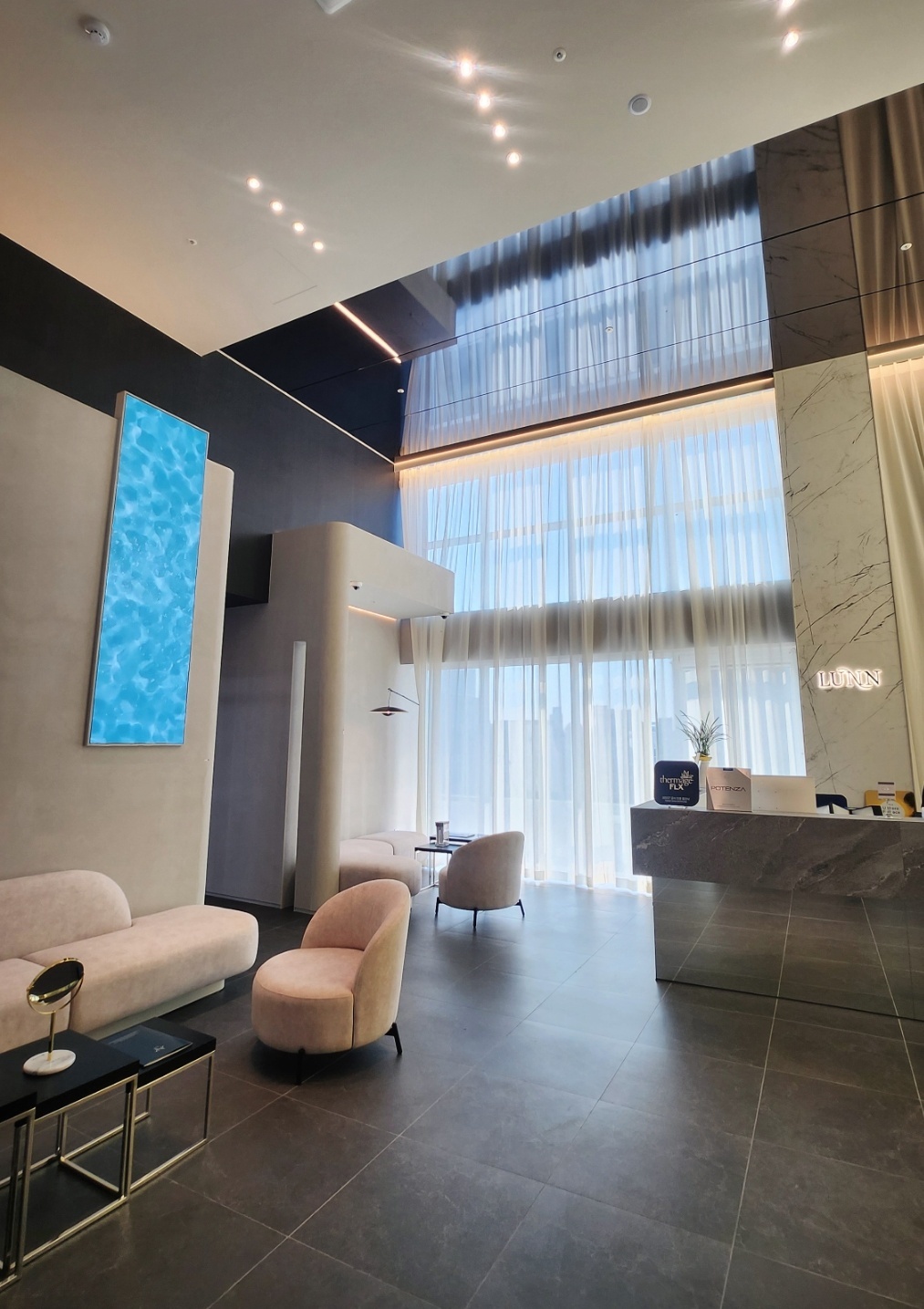
Hello, I am Dr. Hyung-kwon Park, a board-certified dermatologist at LUNN, and I believe that achieving a clear complexion requires more than just high-end machinery, it demands a deep understanding of skin architecture and individual pigment layers. In 2026, the standard for aesthetic excellence in the Gangnam district has shifted toward personalized protocols that respect the natural biological limits of the skin while delivering visible clarity.
Medical Pigmentation Correction for Clearer Skin
Medical pigmentation correction is the scientific process of identifying specific melanin clusters within the epidermal and dermal layers and applying targeted wavelengths to break them down without damaging surrounding tissue. This procedure is essential for patients dealing with solar lentigines, freckles, or post-inflammatory hyperpigmentation that does not respond to topical solutions. Unlike generic skin brightening, medical correction involves a diagnostic phase where we assess the depth and density of the pigment to ensure the energy settings are optimized for safety and efficacy.
Precision Laser Technology and Melanin Targeting
Advanced laser systems used at LUNN utilize specialized pulses to create a photoacoustic or photothermal effect, which effectively shatters melanin into particles that the body can naturally eliminate. This precision is vital because even a 1mm difference in depth can change the outcome of a treatment session significantly. Clinical observations suggest that the number of sessions required varies significantly depending on the individual's skin type, the depth of the pigment, and the specific diagnosis. By focusing on specific melanin absorption peaks, we can minimize heat transfer to the skin surface, which reduces the likelihood of thermal injury. While many clinics in Cheongdam offer laser services, the expertise of a specialist ensures that these high-energy tools are calibrated to your unique skin barrier strength. This meticulous approach prevents the over-treatment that often leads to white spots or rebound darkening, ensuring a sustainable path to facial harmony and long-term skin health in 2026.
Integrating Skin Booster Synergy and Texture Refinement
Integrating skin booster synergy with laser treatment is a modality that addresses the skin's surface texture and its underlying pigmentary profile simultaneously to create a smoother, more reflective appearance. This method goes beyond simple tone correction by stimulating the natural regenerative pathways of the dermis, encouraging the production of new collagen and elastin fibers. When the skin texture is refined, light reflects more evenly off the surface, which immediately enhances the perceived clarity of the skin even before all pigments are fully cleared. This holistic approach ensures that the final result looks naturally vibrant rather than artificially processed, mirroring our philosophy of "Refining the Details."
Comprehensive Care for Complex Pigmentation Profiles
At LUNN, we utilize signature synergy programs to manage complex skin profiles where patients exhibit both deep-seated melasma and visible fine lines or enlarged pores. This non-invasive skin refinement component of the treatment helps in creating a youthful appearance by firming the skin structure while the laser works on melanin removal. Research indicates that combining these modalities can lead to a more uniform skin surface, as the improved dermal environment supports better pigment clearance. It is important to note that since every individual has a different regenerative capacity, the recovery time and final outcome may vary slightly between patients. However, the synergy between tone correction and texture refinement typically results in a much more balanced aesthetic than treating pigment in isolation. By providing a comprehensive focus on both structural and superficial skin concerns, we provide a sophisticated solution for those seeking the high-standard care expected in the Cheongdam-dong area throughout 2026. Please note that individual results may vary depending on skin type and the nature of the pigmentation.
The Role of Dermatologist-Led Facial Design in Skin Tone Correction
Dermatologist-led facial design for skin tone correction is a strategic medical philosophy that views the face as a unified landscape where every shift in color and shadow affects the overall perception of beauty. Rather than treating individual spots as isolated problems, this approach considers how light interacts with the forehead, cheeks, and chin to create a sense of harmony. A specialist's eye is crucial for determining where to emphasize clarity and where to maintain natural warmth, ensuring that the treatment does not result in an unnatural, ghostly pallor. This design-first methodology is a core principle of our clinical approach, ensuring that every treatment is tailored to the patient's unique facial architecture.
Customized Skin Care Programs for Lasting Results
Developing a customized skin care program is the cornerstone of successful long-term pigment management, especially for stubborn conditions like melasma that are influenced by hormonal shifts and environmental factors. At LUNN, we move away from one-size-fits-all settings, instead crafting specific layers of treatment that match the patient's biological response rate. For instance, Why Structural Analysis is the First Step in Anti-Aging Design: A Professional Guide explains how understanding the underlying anatomy is essential for any aesthetic intervention. In our pigmentation programs, we may combine different laser wavelengths across multiple sessions to target various depths of melanin. Clinical data from specialized centers in the district often highlight that patients who follow a personalized medical plan see more consistent results compared to those receiving generic treatments. By maintaining a focus on the precise biological limits of the skin, we ensure that every session contributes meaningfully to the final goal of radiant, healthy skin that lasts throughout the year.
Comparison of Pigmentation Laser Technologies and Efficacy
Choosing the right laser technology involves a comparative analysis of pulse durations, wavelengths, and the specific type of melanin interaction required for a patient's clinical presentation. Modern aesthetic medicine offers a variety of tools, from traditional Q-switched lasers to long-pulse systems, each with distinct advantages for specific conditions. Understanding these differences is key to managing patient expectations regarding the number of sessions and the speed of recovery.
| Laser Technology | Primary Interaction | Typical Targets | Estimated Recovery |
|---|---|---|---|
| Precision Toning | Photothermal | Solar Lentigines, Freckles | 0-1 Day |
| Synergy Programs | Bio-Stimulation | Texture, Tone Clarity | 1-2 Days |
| Collagen Lifting | Dermal Heating | Fine Lines, Elasticity | No Downtime |
| Thermal Refinement | Fractional Heat | Pores, Deep Texture | 3-5 Days |
Advanced Toning versus Traditional Methods
Advanced toning protocols deliver energy with high precision, which is significantly more targeted than generic methods. This control allows LUNN to break down melanin into smaller fragments, making it easier for the body's natural systems to process and remove the debris. In 2026, while traditional toning remains a reliable option for subtle brightening, high-precision technology is often preferred for more stubborn spots due to its lower risk of heat-related side effects. Statistics show that for certain types of dermal pigmentation, specialized lasers can achieve comparable results with higher safety margins than older technologies. However, the choice between these modalities must be made after a physical skin palpation and analysis. A Dermatologist's Perspective on the Biological Limits of Single-Session Skin Treatments (2026) further explores why a gradual, layered approach is often safer and more effective than attempting to resolve complex pigmentation issues in a single visit.
Clinical Risks and Essential Post-Treatment Care Guidelines
Clinical risk management in pigmentation treatment involves the systematic identification of potential adverse reactions and the implementation of strict protocols to mitigate them before, during, and after the laser application. Even with advanced technology, skin is a living organ that can react to high-energy stimuli with temporary inflammation or changes in sensitivity. Professional care focuses on ensuring that the skin's natural barrier is supported throughout the healing process to prevent complications such as hyperpigmentation or prolonged redness. Proper education on post-treatment care is as important as the laser session itself for achieving a successful outcome.
Potential Side Effects and Professional Maintenance
Common side effects of pigmentation laser treatments include temporary redness, mild swelling, or the formation of tiny crusts over the treated spots, all of which typically resolve within a few days. However, in rare instances, patients may experience post-inflammatory hyperpigmentation if the skin is not properly protected from the sun or if the laser energy was too high for their specific barrier type. At LUNN, we emphasize that 100% compliance with sun protection guidelines is non-negotiable for anyone undergoing these procedures. Using a broad-spectrum sunscreen and avoiding direct heat sources like saunas is essential for the first week post-treatment. We also recommend specialized barrier repair creams to soothe the epidermis and accelerate the recovery of the skin's protective layer. Because pigmentation is a chronic concern influenced by UV exposure and genetics, professional maintenance and periodic follow-up sessions are often necessary to keep the skin clear and prevent new spots from forming. Following these guidelines ensures that the investment in your skin's health yields the most harmonious and lasting results possible.
Frequently Asked Questions
Q. What is the primary goal of pigmentation laser treatment at LUNN?
The primary goal is to selectively target and break down excess melanin using high-precision laser energy without damaging the surrounding healthy tissue. At LUNN, Dr. Hyung-kwon Park focuses on restoring a balanced and clear skin tone through customized protocols designed for individual skin types and specific pigment depths. This approach ensures a natural look that aligns with the aesthetic standards of 2026.
Q. How do synergy programs help with skin texture?
Synergy programs, which may combine laser treatments with skin boosters, are designed to address both deep pigmentation and skin texture refinement simultaneously. By promoting the natural regenerative process of the skin and improving the dermal environment, these programs help smooth out fine lines and refine pores while clearing the complexion. This results in a more reflective and vibrant skin surface.
Q. How many sessions are typically required for noticeable results?
The number of sessions varies depending on the depth, type, and age of the pigmentation, as well as the individual's healing response. While some patients may see subtle improvements after one session, a series of customized treatments is typically recommended based on a professional diagnosis to achieve significant and stable results. Chronic conditions like melasma often require a longer-term maintenance plan.
Q. Are there any side effects or risks associated with these laser treatments?
As with any medical procedure, potential risks include temporary redness, swelling, or minor crusting. In rare cases, changes in skin color or post-inflammatory hyperpigmentation can occur, especially if post-care instructions are not followed. A thorough consultation at LUNN ensures that these risks are managed and minimized based on your specific clinical profile and skin sensitivity.
Q. What makes a customized skin care program more effective than standard treatments?
A customized program is more effective because it considers the unique thickness, sensitivity, and melanin distribution of your specific skin layers. Generic treatment protocols may not account for the delicate nature of individual skin barriers. Personalization ensures that the treatment is both safe and optimized for your particular needs, preventing over-treatment and ensuring natural results.
Q. Is there significant downtime after a pigmentation laser session?
Most modern pigmentation lasers are designed to minimize downtime, allowing patients to return to their daily routines quickly. You may experience mild redness for a few hours to a day, but this is usually manageable with light makeup or soothing creams. Specific post-care instructions provided by Dr. Hyung-kwon Park will help ensure a smooth and speedy recovery process.
Q. Can laser treatments permanently remove melasma?
Melasma is a chronic condition influenced by hormones and UV exposure, meaning it can return if triggers are not managed. While lasers can significantly clear existing dark spots, they do not change the underlying biological tendency of the skin to produce pigment. Ongoing maintenance and strict daily sun protection are essential to prevent the recurrence of melasma over time.
Key Takeaways
- Precision and Design: Successful pigmentation treatment at LUNN relies on the precision of advanced lasers and a dermatologist's eye for facial harmony.
- Integrated Rejuvenation: Combining pigment removal with texture refinement through synergy programs creates a more vibrant and natural-looking complexion.
- Personalized Protocols: Customizing the energy levels and treatment layers for each individual is essential for safety and long-term efficacy in 2026.
- Essential Maintenance: Post-treatment care and consistent sun protection are critical to prevent recurrence and manage the risks of side effects.
- Specialist Expertise: Seeking a board-certified dermatologist ensures that your skin's biological limits are respected throughout the aesthetic journey.
Refining the Details. Achieving Perfect Harmony.
LUNN / Dr. Hyung-kwon Park
FAQ
- What is the primary goal of pigmentation laser treatment in Cheongdam at lunnclinic?
- The primary goal is to selectively target and break down excess melanin using high-precision laser energy without damaging the surrounding healthy tissue. At lunnclinic, Dr. Hyung-kwon Park focuses on restoring a balanced and clear skin tone through customized protocols designed for individual skin types and specific pigment depths. This approach ensures a natural look that aligns with the aesthetic standards of 2026.
- Does Re2O laser skin treatment help with skin texture?
- Yes, Re2O skin rejuvenation technology is specifically designed to address both deep pigmentation and skin texture refinement simultaneously. By promoting the natural regenerative process of the skin, it helps smooth out fine lines and refine pores while clearing the complexion. This dual-action approach results in a more reflective and vibrant skin surface that looks healthier overall.
- How many sessions are typically required for noticeable results?
- The number of sessions varies depending on the depth, type, and age of the pigmentation being treated. While some patients may see subtle improvements after just one session, a series of three to five treatments is typically recommended to achieve significant and stable results. Chronic conditions like melasma may require a longer-term maintenance plan to keep the skin clear.
- Are there any side effects or risks associated with these laser treatments?
- As with any medical procedure, potential risks include temporary redness, swelling, or minor crusting at the treatment site. In rare cases, changes in skin color or post-inflammatory hyperpigmentation can occur if the skin is not handled correctly. A thorough consultation at lunnclinic ensures that these risks are managed and minimized based on your specific clinical profile and skin sensitivity.
- What makes a customized skin care program more effective than standard treatments?
- A customized program is more effective because it considers the unique thickness, sensitivity, and melanin distribution of your specific skin layers. Standardized, high-volume treatments often use generic settings that may not be strong enough for deep pigment or could be too aggressive for sensitive barriers. Personalization ensures that the treatment is both safe and optimized for your particular needs.
- Is there significant downtime after a pigmentation laser session?
- Most modern pigmentation lasers used in Cheongdam are designed to minimize downtime, allowing patients to return to their daily routines quickly. You may experience mild redness for a few hours to a day, but this is usually manageable with light makeup or soothing creams. Specific post-care instructions provided by Dr. Hyung-kwon Park will help ensure a smooth and speedy recovery process.
- Can laser treatments permanently remove melasma?
- Melasma is a chronic condition that is heavily influenced by hormones and UV exposure, meaning it can return if triggers are not managed. While lasers can significantly clear existing dark spots, they do not change the underlying biological tendency of the skin to produce pigment. Maintenance treatments and strict, daily sun protection are essential to prevent the recurrence of melasma over time.