
Post
A Dermatologist's Perspective on the Biological Limits of Single-Session Skin Treatments (2026)
Hello, I am Dr. Hyung-kwon Park, a dermatology specialist at LUNN located in the heart of Apgujeong Rodeo.
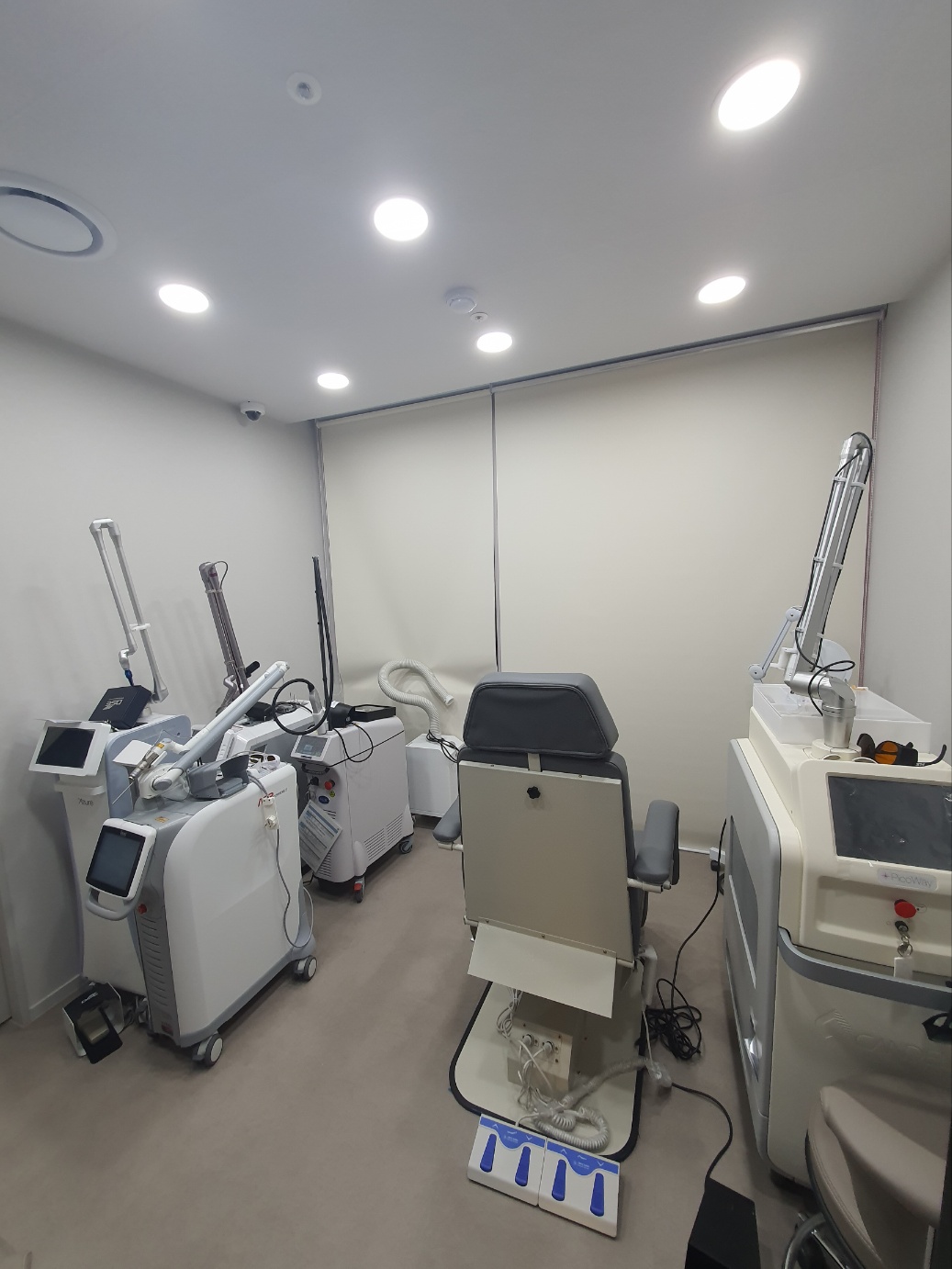
Many patients visit our clinic seeking an immediate, one-time solution for complex aesthetic concerns, but it is medically essential to understand the biological constraints of the human body. A single session can initiate a change, but sustainable facial harmony is often a product of multiple, carefully timed interventions. This guide explores the scientific reasons why a cumulative approach is necessary for authentic and long-lasting rejuvenation.
Understanding the Biological Limits of Single-Session Skin Treatments
The biological limits of skin treatments refer to the physiological boundaries set by the skin’s natural healing capacity and its cellular turnover rates. While modern technology allows for significant external stimulation, the body requires a set amount of time to process these signals and produce new structural proteins like collagen and elastin. Ignoring these internal timelines can lead to suboptimal results or unnecessary tissue stress, which is why a structured treatment plan is often a highly recommended approach in professional dermatology.
The Skin's Natural Regeneration Cycle and Healing Response
The biological foundation of any aesthetic procedure lies in the skin's inherent renewal process. Most healthy adults experience a cellular turnover cycle that lasts approximately 28 to 40 days, which dictates how quickly the surface layer responds to external stimuli. While a single laser session can trigger an immediate exfoliation effect, it does not fundamentally alter the underlying cellular architecture in a single instance. At LUNN, I emphasize that the epidermis serves as a barrier that needs time to recover between treatments to avoid compromising its integrity. Rapid-fire procedures without respecting this timeframe can lead to barrier dysfunction or heightened skin sensitivity. My role is to align clinical interventions with this biological clock, ensuring each step builds upon the previous one without causing undue stress. This gradual approach allows for safer transitions and more sustainable improvements in skin texture and tone over several months. It is important to remember that individual skin conditions may lead to varying results and recovery times.
Why Immediate Results Differ from Long-Term Tissue Remodeling
Patients often observe a temporary tightening or slight glow immediately after a procedure due to minor inflammation or surface-level hydration changes. However, this immediate gratification is distinct from the complex physiological process of tissue remodeling that occurs deep within the dermis. Effective anti-aging treatments aim to trigger a wound-healing response that gradually restructures the collagen and elastin fibers. This deeper transformation typically takes between 90 to 180 days to reach its peak, meaning the final outcome of a single session is not truly visible for several months. At LUNN, I rely on precise physical palpation and visual assessment to monitor these subtle internal shifts that might be missed by a casual glance. Relying solely on a one-time session often overlooks the reality that structural integrity is built through consistent, controlled stimulation. Understanding this delay is crucial for maintaining a realistic outlook on the journey toward long-term facial harmony and structural balance.
The Science Behind Collagen Synthesis and Cumulative Progress
Collagen synthesis is a fundamental protein-building process that declines naturally as we age. Reversing this trend requires more than a singular clinical intervention. When we use energy-based devices or biostimulators, we are essentially sending a signal to the fibroblasts to produce new structural proteins. This signaling is most effective when administered in a series, as cumulative sessions can amplify the cellular response over time. Based on clinical experience, a structured protocol promotes more efficient collagen synthesis compared to isolated, high-intensity sessions that may risk thermal injury. At LUNN, I focus on creating a series of signals that the body can process efficiently without triggering excessive downtime. By distributing the intensity across multiple sessions, we achieve a more robust and natural-looking restoration of the skin’s elastic properties. Please note that multiple sessions are typically required to see a significant difference, and results depend on individual factors such as age and skin health.
Common Myths vs. Realities in Non-Invasive Skin Tightening Technology
Non-invasive skin tightening myths often suggest that a single visit can provide results comparable to surgical intervention. In reality, these technologies rely on the body's natural response to controlled heat or ultrasound energy, which is inherently limited by individual metabolic rates and skin thickness. While high-frequency or focused ultrasound devices can provide noticeable lifting, they are tools for management and refinement rather than permanent, one-stop fixes for severe aging concerns. The Importance of Physical Palpation in Professional Dermatological Consultation (2026) highlights why an initial physical exam is vital for setting these expectations.
Managing Expectations for Facial Contour Refinement in Seoul
Improving the jawline and lower face involves addressing both localized tissue and skin laxity. Many believe that one session of any lifting device will yield a perfectly sculpted jawline, but this ignores the biological complexity of tissue metabolism. At LUNN, we utilize the ONDA lifting system, which uses microwave energy to target both the skin's elasticity and volume reduction. This process typically requires 2 to 3 sessions for noticeable contour refinement as the body takes time to respond to the stimulation. Patients may experience temporary redness or minor swelling for a few days, which is a normal part of the process. Managing these expectations ensures that patients do not feel discouraged when the initial change appears subtle. A patient-specific plan allows for the adjustment of energy levels based on how the layers respond to the first intervention, prioritizing a natural transition over aggressive, high-risk changes.
The Role of Energy-Based Lifting and Fillers in Facial Harmony
Devices like Ultherapy, Thermage, and ONDA, along with premium fillers, are often viewed as instant fixes. While they provide significant improvement, their true value lies in how they integrate with the surrounding tissue over time. For example, fillers can restore volume, but the most natural results are often achieved through a layering technique that respects the facial fat pads' original distribution. Similarly, lifting lasers act as a scaffold for new collagen. At LUNN, I often recommend a two-stage approach to ensure that the volume restoration looks seamless from every angle. This prevents the over-filled or unnatural appearance that can occur when trying to solve all structural issues in a single appointment. Individual variation in tissue elasticity means that some may require follow-up management to achieve the desired 1mm precision in facial contouring. Possible side effects include temporary bruising, swelling, or localized tenderness, which generally resolve within a week.
Why a Single Appointment May Not Resolve Structural Aging Concerns
Structural aging involves changes in bone density, muscle tone, and fat distribution, making it a multi-layered issue. A single appointment focusing on only one layer, such as the skin surface, will not address the underlying shifts in the facial foundation. It is like trying to fix a house by only changing the wallpaper when the foundation is shifting. This is why many patients who opt for a one-time treatment find the results incomplete. At LUNN, I advocate for a comprehensive assessment that identifies which facial layers require intervention. By addressing these layers sequentially—treating the foundation with lifting lasers and the surface with texture-refining procedures—we create a lifting effect grounded in actual anatomy. This method reduces the risk of asymmetry and unnatural results. Realizing that aging is a continuous process helps patients understand why a long-term maintenance strategy is medically superior to a quick fix.
Comparative Analysis: Single Quick-Fix vs. Cumulative Customized Programs
A comparative analysis of treatment strategies reveals that the choice between a quick-fix and a cumulative program significantly impacts safety and aesthetic quality. Quick-fix sessions often involve high energy settings that prioritize speed over tissue health, whereas cumulative programs focus on the skin's tolerance and long-term vitality. By comparing these two philosophies, we can better understand why professional medical standards favor a more measured and customized approach to aesthetic medicine.
| Feature | Single High-Intensity Session | Structured Multi-Session Program |
|---|---|---|
| Primary Goal | Immediate, noticeable change | Long-term tissue remodeling |
| Downtime | Varies by intensity | Distributed recovery periods |
| Collagen Impact | Rapid stimulation | Steady, cumulative synthesis |
| Risk Profile | Higher risk of tissue stress | Monitored progress per session |
| Aesthetic Result | Rapid transition | Harmonious, gradual refinement |
| Maintenance | Periodic restarts | Ongoing maintenance strategy |
The Risk of Over-Aggressive Treatments in a Single Visit
Attempting to achieve maximum results in a single visit often leads to the use of aggressive energy levels that may exceed the skin's physiological tolerance. This can result in prolonged redness, post-inflammatory hyperpigmentation, or even deeper tissue scarring in rare instances. When the skin is pushed beyond its capacity for self-repair, the aesthetic outcome is compromised by the visible signs of trauma. At LUNN, I prioritize the health of the skin barrier, ensuring that no treatment causes irreversible damage to the dermal environment. Over-treatment can lead to significantly prolonged recovery time, keeping patients away from their daily routines longer than necessary. A professional approach involves recognizing when the skin has reached its limit for a single day and scheduling subsequent sessions. This safety-first mindset is why I focus on maintaining strict safety margins for optimal skin health and patient comfort.
Clinical and Aesthetic Advantages of a Gradual Approach
While a single intensive session may seem convenient, the long-term aesthetic benefits of a gradual approach are often superior. Gradual treatments allow for real-time adjustments based on how your skin responds, reducing the need for corrective procedures. By spreading treatments over several months, the skin is given adequate time to recover and respond to each stimulus. Aesthetically, a gradual change is far more undetectable, appearing as if the patient is simply aging in reverse or becoming more well-rested. At LUNN, we focus on the "1mm difference," where subtle changes create a massive impact on overall facial harmony. This precision is difficult to achieve when trying to overhaul the entire face in one hour. Many patients feel more in control of their evolving appearance, as the gradual approach allows for careful monitoring of individual progress and ensures a more natural result.
Achieving Facial Harmony through Dermatologist-Led Design in Seoul
Facial harmony is achieved through a dermatologist-led design that treats the face as a unified canvas. In the competitive aesthetic landscape of Apgujeong Rodeo, the focus has shifted from simple wrinkle removal to comprehensive structural design. This requires a deep understanding of anatomy, lighting, and the subtle interplay between different facial features. A Professional Guide to 3D Facial Contour Sculpting: Achieving Structural Harmony with LUNN explains this design philosophy in greater detail.
The Importance of a Customized Skin Care Program at Apgujeong Rodeo
A customized program is central to my philosophy at LUNN. Each individual possesses unique skin thickness, muscle strength, and fat distribution, which is why we prioritize personalized treatment parameters. Every treatment begins with a 1:1 consultation where I personally assess these variables to design a roadmap specifically for you. This roadmap considers your lifestyle, your skin's sensitivity, and your long-term goals. Standardized packages often ignore the fact that the forehead requires different energy levels than the sensitive eye area. By customizing these parameters, we can enhance the overall effectiveness of the treatment, tailored to each patient's unique healing response. This level of detail is what our patients in the Apgujeong area expect and deserve from a specialized dermatology clinic.
How LUNN Focuses on the 1mm Difference in Facial Proportions
The concept of the "1mm difference" is a philosophy that guides every procedure at LUNN. I believe that over-correcting by even a small margin can lead to an unnatural or "done" look. By focusing on tiny, precise adjustments in volume and tension, we can restore balance to the face without making it look artificial. This requires a steady hand and an artistic eye. For example, adjusting the volume in the undereye area by just a small amount can change how tired or energetic a person looks. I use physical palpation to identify these critical points where small interventions will yield the most harmonious results. This focus on precision over quantity is why our patients achieve a refined look that remains true to their original identity while looking refreshed and rejuvenated in a subtle, natural way.
Moving Beyond Generic Packages to Medical Aesthetic Excellence
Medical aesthetic excellence is defined by the transition from providing simple services to delivering carefully engineered outcomes. At LUNN, I prioritize personalized attention through 1:1 consultations to ensure patient safety and to address the specific nuances of each individual's skin condition. I move beyond generic packages by treating each patient as a unique case that requires expertise. This commitment means utilizing technologies like Thermage, Ultherapy, or ONDA only when they align with the patient's specific needs. It also involves being honest about what a single session can and cannot achieve. When you choose a dermatologist-led clinic, you are choosing a partner in your aging journey—one who understands the fundamental importance of safety, harmony, and personalized care. You can also follow more updates on my approach via Threads @dr.lunn.
Frequently Asked Questions
Q. Can I achieve a perfect jawline with just one lifting session in Seoul?
While modern lifting devices provide noticeable improvement, the full result depends on long-term collagen production. For cases involving significant sagging or volume, a single session may offer limited improvement compared to a structured plan. It is often more effective to layer treatments over 2 to 3 months for a truly sculpted result.
Q. Are the results of non-invasive skin tightening permanent after one treatment?
No treatment can stop the natural aging process indefinitely. While technologies like Thermage or Ultherapy provide significant tightening, periodic maintenance is typically required to sustain the results. Most patients find that a maintenance session every 6 to 12 months helps preserve their skin's elasticity and youthful appearance.
Q. What are the common side effects of intensive single-session makeovers?
Over-treatment in a single session can lead to prolonged swelling, redness, or tissue stress. It is medically safer to layer treatments according to the skin's biological tolerance and recovery rate. This approach minimizes downtime and prevents the risk of post-inflammatory hyperpigmentation or an unnatural appearance.
Q. How many sessions are typically needed for effective jawline refinement?
The number of sessions varies depending on individual skin laxity and fat distribution. Most patients see more balanced and refined results after two to three sessions spaced according to a dermatologist's recommendation. This allows the tissue to respond naturally to devices like ONDA or Ultherapy for a smoother transition.
Q. Why is a customized skin care program better than a standard clinic package?
Standardized packages often ignore individual skin thickness and muscle resistance, which varies from person to person. A dermatologist-led design ensures that each energy level and injection point is tailored to your unique facial harmony. This personalized approach leads to more natural-looking results and a higher satisfaction rate.
Q. Is there any downtime for facial volume restoration with fillers?
Fillers typically involve minimal downtime, but temporary swelling, slight bruising, or minor redness can occur during the initial healing phase (7 to 10 days). A gradual, layered approach often yields a more natural result as the product integrates with your tissue. We recommend avoiding intense heat or heavy exercise for 48 hours post-procedure.
Key Takeaways
- Biological Patience: Understand that skin turnover and collagen remodeling are the true drivers of aesthetic results, requiring time and patience.
- Precision over Intensity: Achieving the "1mm difference" at LUNN provides a more natural and balanced outcome than aggressive, high-risk single sessions.
- Customized Roadmaps: Avoid generic packages in favor of 1:1 dermatologist-led designs that respect your unique anatomy and healing capacity.
- Safety First: Spreading treatments across multiple sessions reduces the risk of side effects like prolonged swelling, redness, or hyperpigmentation.
- Long-term Vision: Aesthetic medicine is a journey of management and refinement rather than a one-stop, permanent solution to aging.
LUNN / Dr. Hyung-kwon Park
FAQ
- Can I achieve a perfect jawline with just one session of thread lift in Seoul?
- While a thread lift provides an immediate mechanical lift, the full result depends on subsequent collagen production. For complex cases involving significant sagging, a single session may offer limited improvement compared to a structured plan. It is often more effective to layer treatments over 2 to 3 months for a truly sculpted result.
- Are the results of non-invasive skin tightening permanent after one treatment?
- No treatment can stop the natural aging process indefinitely. While technologies like Re2O or high-frequency lifting provide noticeable tightening, periodic maintenance is typically required to sustain the elasticity of the skin. Most patients find that a maintenance session every 6 to 12 months helps preserve their results effectively.
- What are the common side effects of attempting an intensive single-session makeover?
- Over-treatment in a single session can lead to prolonged swelling, bruising, or even tissue stress and redness. It is medically safer and more aesthetically pleasing to layer treatments according to the skin's biological tolerance and recovery rate. This approach minimizes downtime and prevents the risk of post-inflammatory hyperpigmentation.
- How many sessions are typically needed for effective double chin reduction?
- The number of sessions varies depending on the amount of adipose tissue and skin laxity present. Most patients see more balanced and refined results after two to three sessions spaced according to a dermatologist's recommendation. This allows the lymphatic system to process the targeted fat cells naturally and safely.
- Why is a customized skin care program better than a standard clinic package?
- Standardized packages often ignore individual skin thickness and muscle resistance, which varies from person to person. A dermatologist-led facial design ensures that each energy level and injection point is tailored to your unique facial harmony. This personalized approach leads to more natural-looking results and a higher satisfaction rate.
- Is there any downtime for facial volume restoration with fillers?
- Fillers typically involve minimal downtime, but temporary swelling, slight bruising, or minor asymmetry can occur during the initial 7 to 10-day healing phase. A gradual approach often yields a more natural, undetectable result as the product integrates with your tissue. We recommend avoiding high-intensity exercise for at least 48 hours post-procedure.
- How do I know if I need a thread lift or a premium skin booster?
- A thread lift addresses structural sagging by repositioning deeper tissues, while skin boosters improve surface texture, hydration, and fine lines. At lunnclinic, we assess whether your concern is rooted in the dermal layer or deeper structural shifts during your initial consultation. Often, a combination of both provides the most harmonious overall improvement.