
Post
A Specialist's 2026 Guide to Non-Invasive Double Chin Removal in Seoul
Hello, I am Dr. Park Hyung-kwon, a board-certified dermatology specialist at LUNN.
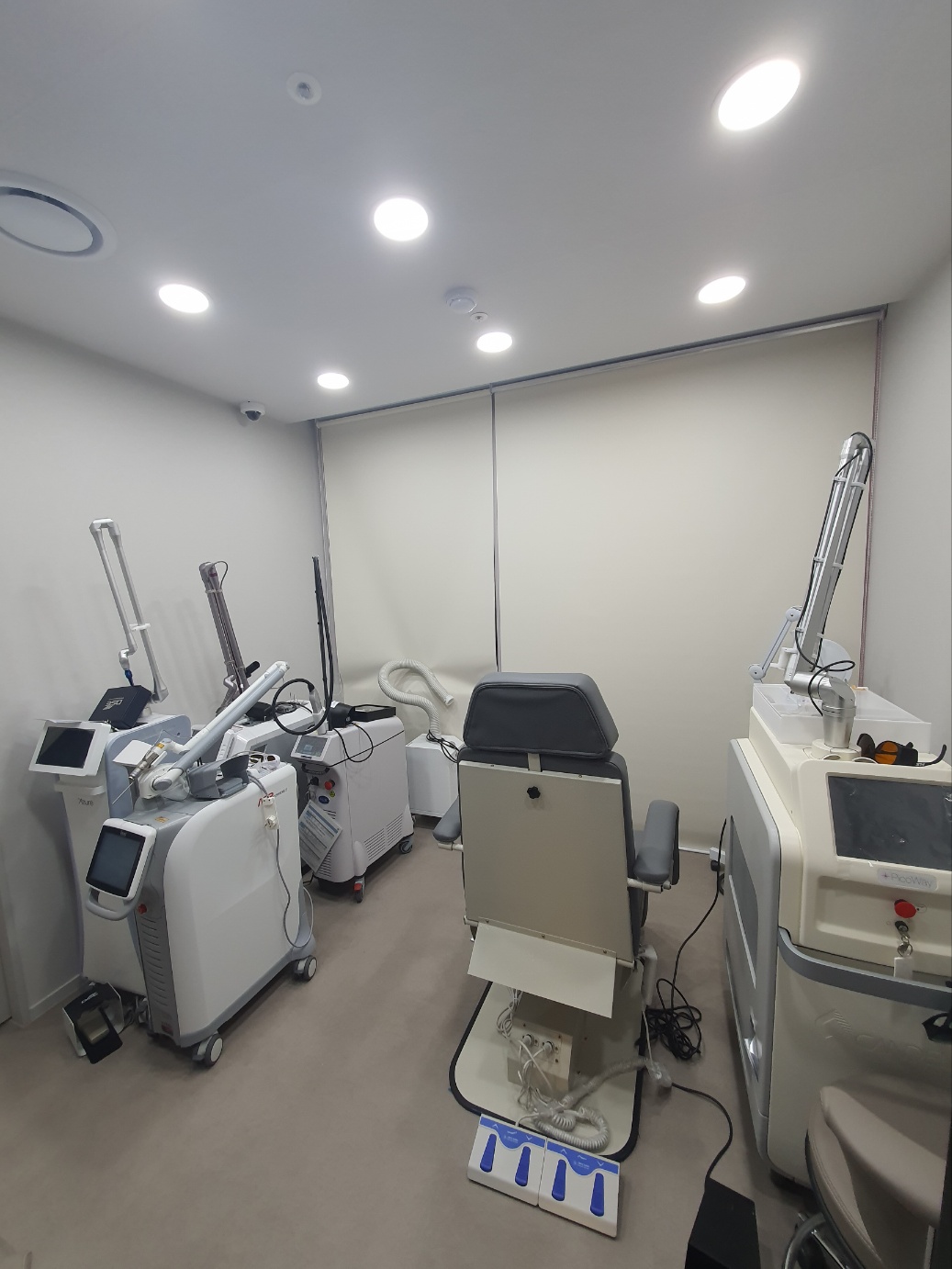
Non-invasive double chin removal in Seoul has become a standard for patients seeking to refine their facial profile without the risks of traditional surgery. In this guide, I will share clinical insights into the latest 2026 technologies that allow for precise, 1mm adjustments to aim for perfect harmony. Please note that results may vary based on individual skin conditions and anatomical factors.
What is Non-Invasive Double Chin Removal in Seoul?
Non-invasive double chin removal refers to a suite of medical procedures designed to reduce submental volume and tighten the surrounding skin using energy-based devices instead of surgical incisions. This category of treatment focuses on tissue remodeling and volume reduction, providing a pathway for patients to enhance their jawline definition with minimal disruption to their daily lives.
Defining the Non-Surgical Jawline Approach
Non-surgical jawline refinement at LUNN utilizes advanced energy-based devices to target submental concerns without traditional surgical incisions. In the 2026 landscape of Seoul medical aesthetics, the focus has shifted toward minimally invasive protocols that prioritize anatomical harmony over aggressive volume removal. These procedures typically employ micro-focused ultrasound or specialized microwave energy to induce tissue contraction and volume improvement. Clinical observations suggest that sessions lasting between 30 and 60 minutes are sufficient to initiate the physiological response required for contouring. By bypassing the risks associated with general anesthesia and lengthy surgical recovery, patients can address the 'double chin' appearance with precision. At LUNN, we emphasize a 1mm approach to strive for a transition between the jawline and the neck that remains natural. As with any medical procedure, individual responses to treatment can differ. These modern non-invasive alternatives utilize specialized energy to process targeted areas over a period of several weeks, offering a different recovery profile compared to traditional surgical methods.
Who is an Ideal Candidate for Chin Refinement?
Identifying the ideal candidate for non-invasive chin refinement involves assessing both the volume of submental tissue and the degree of skin laxity. Individuals with mild to moderate volume who retain relatively good skin elasticity often achieve the most aesthetically pleasing results. At LUNN, the diagnostic process involves a detailed analysis of the facial structure to differentiate between fat accumulation and muscular sagging. In 2026, many patients seeking these treatments are professionals who cannot afford the downtime associated with surgery. Clinical guidelines often recommend a series of treatments for those with more prominent submental fullness. It is important to note that patients with significant skin redundancy might require a combination of volume reduction and skin tightening technologies, such as Ultherapy or Thermage, to avoid a 'deflated' appearance. During the initial consultation, we evaluate the patient's medical history and aesthetic goals to determine if non-surgical methods can meet their specific expectations for perfect harmony and profile definition.
Why Global Patients Choose Seoul for Medical Aesthetics
Seoul has established itself as a global hub for medical aesthetics due to its high concentration of specialized expertise and advanced technological infrastructure. International patients frequently travel to LUNN in the Cheongdam district to access refined techniques that are often unavailable or less common in other regions. The city's medical landscape in 2026 is characterized by a commitment to evidence-based protocols and the rapid adoption of next-generation energy devices like ONDA and Ultherapy. Furthermore, the competitive nature of the Seoul market ensures that practitioners maintain exceptionally high standards of care and precision. Many patients report that the holistic approach taken by Seoul clinics, which integrates post-treatment recovery and long-term maintenance, adds significant value to their experience. By choosing a specialized clinic in Seoul, patients benefit from a culture of beauty that values subtle, sophisticated changes over drastic alterations. This environment fosters the development of innovative treatments that specifically target the delicate submental area with minimal risk to the patient.
Primary Technologies for Defining the Lower Face
The primary technologies for defining the lower face involve a combination of microwave energy, focused ultrasonic waves, and radiofrequency energy to selectively target and refine submental tissue. By applying specific energy wavelengths, these devices can penetrate the dermis to reach the target layers, triggering a natural process of tissue remodeling and subsequent metabolic improvement without harming the surrounding skin surface.
Microwave Energy and Volume Reduction (ONDA)
ONDA technology utilizes controlled microwave energy to target the submental region, leading to a reduction in volume while simultaneously improving skin elasticity. This technique is particularly effective for patients with localized fullness that is resistant to traditional methods. At LUNN, the application of this technology is conducted with careful monitoring to ensure patient comfort throughout the session. In 2026, updated protocols allow for better contact with the unique curvature of the jawline, enhancing the uniformity of the results. While the energy sensation is usually well-managed, it typically initiates a process where visible changes occur over several weeks as the tissue responds to the treatment. It is a reliable option for those seeking a non-injectable method for volume reduction and lifting. However, patients should be aware that results depend heavily on the initial state of the skin and its regenerative capacity.
Focused Ultrasound and High-Frequency Energy Lifting
Focused ultrasound technology, such as Ultherapy, delivers heat deep into the structural layers of the skin, including the SMAS layer, to stimulate collagen production and tighten the tissue. This approach at LUNN targets both the structural layers and the overlying skin to create a more lifted and defined jawline. By focusing energy at specific depths, we can achieve a contouring effect that mimics some aspects of a traditional lift without the invasive nature of surgery. In the 2026 clinical environment, high-frequency energy lifting (Thermage) is often the preferred choice for patients experiencing mild sagging. The treatment stimulates a natural healing response, which gradually firms the skin over a period of 1 to 6 months. While some patients may experience mild discomfort during the energy delivery, the procedure is generally well-tolerated. For a more comprehensive result, this can be part of a A Specialist's 2026 Guide to the 3D Facial Contouring Program: Achieving Perfect Harmony at LUNN to manage overall facial balance.
Precision Contouring through Synergy Programs
Precision contouring at LUNN involves a strategic plan where energy-based devices are layered to achieve optimal jawline definition. Rather than relying on a single modality, we often combine microwave energy (ONDA) for volume reduction with focused ultrasound (Ultherapy) for deep structural lifting. This synergy program is administered with extreme precision to respect the anatomical boundaries of the lower face. In 2026, these combination protocols in Seoul have evolved to minimize downtime while maximizing the tightening effect. Typically, the treatment plan is customized based on whether the patient requires more skin tightening or more volume reduction. This method is highly effective for addressing stubborn submental fullness that may not respond to a single-device approach. Patients must be prepared for temporary mild swelling in the days following the procedure. It remains a popular choice for individuals seeking a highly customized treatment plan that focuses on the delicate balance between the jaw and neck.
Comparison of Non-Invasive Treatments vs. Traditional Liposuction
Comparing non-invasive treatments to traditional liposuction involves evaluating the trade-offs between immediate surgical results and the gradual improvements offered by modern technology. While surgery can remove larger volumes of fat in a single session, non-invasive methods offer a different profile regarding anesthesia, scarring, and recovery periods. It is important to consult with a specialist to understand which approach is suitable for your specific needs and potential risks.
When considering jawline refinement, patients should weigh the characteristics of each method. Non-invasive procedures (2026) typically involve no incisions and minimal recovery time (often 0 to 7 days), with common side effects including mild swelling or redness. Traditional liposuction involves surgical incisions and a longer recovery period (14 to 30 days), with risks such as scarring, numbness, or infection. Both methods require a professional assessment of individual anatomy and health history.
Managing Expectations for Results and Perfect Harmony
Success in non-invasive double chin removal depends heavily on managing patient expectations regarding the timeline and the nature of the results. Unlike surgical liposuction, which provides immediate volume changes, non-surgical methods at LUNN yield gradual improvements as the body responds to energy treatments. Most patients will begin to see a discernible difference after their initial treatment phases, with final results appearing several months after the initial session. In 2026, we emphasize that 'perfect harmony' is the goal, meaning the jawline should look refined rather than obviously treated. Maintaining a stable weight is crucial, as significant weight gain can compromise the aesthetic outcome of the procedure. We provide a A Specialist's 2026 Guide to Non-Surgical Facelift in Cheongdam: Achieving Perfect Harmony at LUNN to help patients understand how jawline treatments fit into a larger anti-aging strategy. It is essential to understand that while volume reduction can be significant, the process is one of refinement rather than total reconstruction of the facial anatomy.
Long-term Maintenance and the Importance of Skin Elasticity
Long-term maintenance of a contoured jawline requires a combination of healthy lifestyle choices and occasional maintenance treatments. While tissue that is treated for volume reduction responds well, remaining cells can still expand if a patient undergoes significant weight fluctuations. At LUNN, we encourage patients to focus on skin health to ensure that the tightness of the jawline remains consistent over time. In 2026, the integration of skincare that supports collagen synthesis is often recommended alongside tech-based treatments. Skin elasticity plays a vital role in how the lower face responds to volume reduction; if the skin is too lax, it may not drape smoothly over the new contour. Periodic maintenance sessions every 12 to 18 months can help sustain the lifting effect and counteract the natural aging process. By prioritizing skin quality, patients can ensure that their results remain vibrant and youthful for years to come. This proactive approach is a hallmark of the sophisticated care provided by experienced dermatology specialists in Seoul.
Safety Protocols and Post-Treatment Considerations
Safety protocols for double chin removal ensure that every procedure is conducted with the highest standard of medical care to minimize adverse events and maximize efficacy. These considerations include thorough pre-treatment screening, the use of genuine medical devices, and the implementation of specific aftercare strategies to support the body’s natural healing and tissue remodeling processes following the session.
Understanding Potential Side Effects and Healing Durations
While non-invasive procedures are significantly safer than surgery, they are not entirely without potential side effects. Patients at LUNN may experience temporary redness, swelling, or mild bruising in the submental area immediately following a treatment. These symptoms typically resolve on their own within 1 week of the procedure, allowing most individuals to resume their normal social activities quickly. In 2026, advanced cooling and energy delivery systems like those found in ONDA have further reduced the intensity of these reactions. Rarely, some patients might notice a temporary sensation of numbness or tenderness, which is part of the natural inflammatory response as the tissue is processed. It is important to follow all post-care instructions provided by your specialist to ensure the best possible healing environment. Understanding these durations helps patients plan their treatments around important life events. We always maintain a policy of full transparency regarding clinical risks to ensure our patients feel confident and informed throughout their aesthetic journey at LUNN.
Personalized Consultation: The Role of Facial Anatomy Analysis
Everything begins with a personalized consultation that includes a comprehensive analysis of the patient's individual facial anatomy. In the 2026 aesthetic market, we utilize 3D imaging and 1mm diagnostic tools to assess the depth of the tissue layer and the tension of the skin. This analytical approach at LUNN allows us to determine if a patient requires volume reduction, skin tightening, or a combination of both. No two faces are identical, and a 'one-size-fits-all' strategy often leads to suboptimal results or an unnatural appearance. During this phase, we also discuss the patient's medical history to rule out any contraindications. The goal of this analysis is to create a bespoke roadmap that achieves the desired contour while respecting the unique proportions of the face. By spending time in the diagnostic phase, we can set realistic goals and choose the specific technology, such as ONDA or Ultherapy, that will provide the highest probability of success for each specific individual.
Professional Aftercare Strategies for Lasting Results
Aftercare is a critical component of the treatment protocol that supports the long-term success of the jawline refinement. Patients are typically advised to stay well-hydrated, as water is essential for the body to effectively process treated tissues. At LUNN, we may recommend gentle care or specific topical treatments to enhance the recovery process during the first week. In 2026, professional aftercare also involves sun protection and avoiding extreme temperature changes for the first 48 hours following energy-based treatments. For individuals who have undergone synergy lifting, following a scheduled follow-up appointment about a month after the procedure allows us to monitor progress and adjust any future sessions as needed. By adhering to these professional guidelines, patients maximize the value of their investment and contribute significantly to the longevity and quality of their final aesthetic outcome under the care of LUNN experts.
Frequently Asked Questions
Q. How long does a typical non-invasive double chin treatment take?
Most sessions for non-surgical jawline refinement are completed within 30 to 60 minutes, depending on the specific technology used. This makes it highly convenient for professionals or travelers with busy schedules in Seoul, as there is no need for prolonged hospital stays. The efficiency of these treatments allows patients to incorporate them into a standard daily routine without significant disruption.
Q. Is there any downtime required after the procedure?
Most patients can return to their daily activities immediately, though mild swelling or redness may occur for a few days. This is a natural part of the skin's recovery process as it responds to the energy used during the session. While some individuals choose to rest for a day, there is generally no medical requirement for social isolation or work leave.
Q. How many sessions are usually needed to see a visible change?
While some individuals notice improvements after one session, a series of treatments is often recommended to achieve optimal results. This frequency allows the body to gradually process tissue changes and build new collagen without being overwhelmed. The exact number of sessions will be determined during your 1mm anatomical analysis at LUNN to match your specific goals.
Q. Are the results of non-invasive chin removal permanent?
The reduction of volume can be long-lasting because targeted tissue is refined. However, it is essential to maintain a stable weight and healthy lifestyle to preserve the refined jawline over time. If significant weight gain occurs, remaining cells in the area can still expand, potentially affecting the contour.
Q. Does the treatment help with sagging skin under the chin?
Yes, many modern lifting technologies utilized in 2026, such as Ultherapy and Thermage, not only target volume but also stimulate collagen production to improve skin laxity. This dual approach ensures that as volume is reduced, the skin tightens to fit the new, slimmer contour of the jaw. This prevents a 'loose skin' appearance.
Q. What are the common side effects I should be aware of?
Temporary side effects can include mild bruising, tenderness, or a sensation of numbness in the treated area, which typically resolve within a week. Some patients may also experience localized redness or a feeling of firmness as the inflammatory response begins. These are standard clinical occurrences and are generally managed with simple post-treatment care and hydration.
Q. Can I combine chin contouring with other facial treatments?
It is often possible and highly beneficial to combine chin contouring with other lifting or skin quality treatments for comprehensive facial harmony. Following a professional consultation at LUNN, we can design a synergy program that addresses multiple concerns in a single visit. This holistic approach ensures that all facial features remain balanced and aesthetically integrated.
Key Takeaways
- Precision Refinement: Modern 2026 protocols at LUNN focus on 1mm adjustments to aim for perfect results that complement individual facial anatomy, though individual outcomes may vary.
- Gradual Improvement: Results are not instant; most patients see optimal changes over a series of sessions as the body naturally responds to energy treatments.
- Minimal Downtime: Unlike surgery, non-invasive methods typically allow for a return to normal activities within 24 to 48 hours, with swelling usually resolving within 1 week.
- Dual Benefit: Advanced technologies in Seoul like ONDA and Ultherapy address both volume reduction and skin tightening for a comprehensive jawline profile.
Refining the Details. Achieving Perfect Harmony.
LUNN / Dr. Park Hyung-kwon
FAQ
- How long does a typical non-invasive double chin treatment take?
- Most sessions for non-surgical jawline refinement are completed within 30 to 60 minutes, depending on the specific technology used. This makes it highly convenient for professionals or travelers with busy schedules in Seoul, as there is no need for prolonged hospital stays. The efficiency of these treatments allows patients to incorporate them into a standard daily routine without significant disruption.
- Is there any downtime required after the procedure?
- Most patients can return to their daily activities immediately, though mild swelling or redness may occur for a few days. This is a natural part of the skin's recovery process as it responds to the energy or injections used during the session. While some individuals choose to rest for a day, there is generally no medical requirement for social isolation or work leave.
- How many sessions are usually needed to see a visible change?
- While some individuals notice improvements after one session, a series of 3 to 5 treatments is often recommended to achieve optimal results. This frequency allows the body to gradually process fat and build new collagen without being overwhelmed. The exact number of sessions will be determined during your 1mm anatomical analysis at lunnclinic to match your specific goals.
- Are the results of non-invasive chin removal permanent?
- The reduction of fat cells can be long-lasting because the treated cells are physically eliminated from the body. However, it is essential to maintain a stable weight and healthy lifestyle to preserve the refined jawline over time. If significant weight gain occurs, the remaining fat cells in the area can still expand, potentially affecting the contour.
- Does the treatment help with sagging skin under the chin?
- Yes, many modern lifting technologies utilized in 2026 not only target fat but also stimulate collagen production to improve skin laxity. This dual approach ensures that as fat is reduced, the skin tightens to fit the new, slimmer contour of the jaw. This prevents the 'loose skin' appearance that can sometimes occur with rapid, non-technological weight loss.
- What are the common side effects I should be aware of?
- Temporary side effects can include mild bruising, tenderness, or a sensation of numbness in the treated area, which typically resolve within a week. Some patients may also experience localized redness or a feeling of firmness as the inflammatory response begins. These are standard clinical occurrences and are generally managed with simple post-treatment care and hydration.
- Can I combine chin contouring with other facial treatments?
- It is often possible and highly beneficial to combine chin contouring with other lifting or skin quality treatments for comprehensive facial harmony. Following a professional consultation at lunnclinic, we can design a synergy program that addresses multiple concerns in a single visit. This holistic approach ensures that all facial features remain balanced and aesthetically integrated.