
Post
A Guide to Nasolabial Fold Filler Treatment in Korea: Restoring Harmony in 2026
Hello, I am Park Hyung-kwon, a dermatologist in Cheongdam and Apgujeong Rodeo. Nasolabial fold filler treatment in Korea is a non-surgical aesthetic procedure designed to soften the deep lines between the nose and the corners of the mouth.
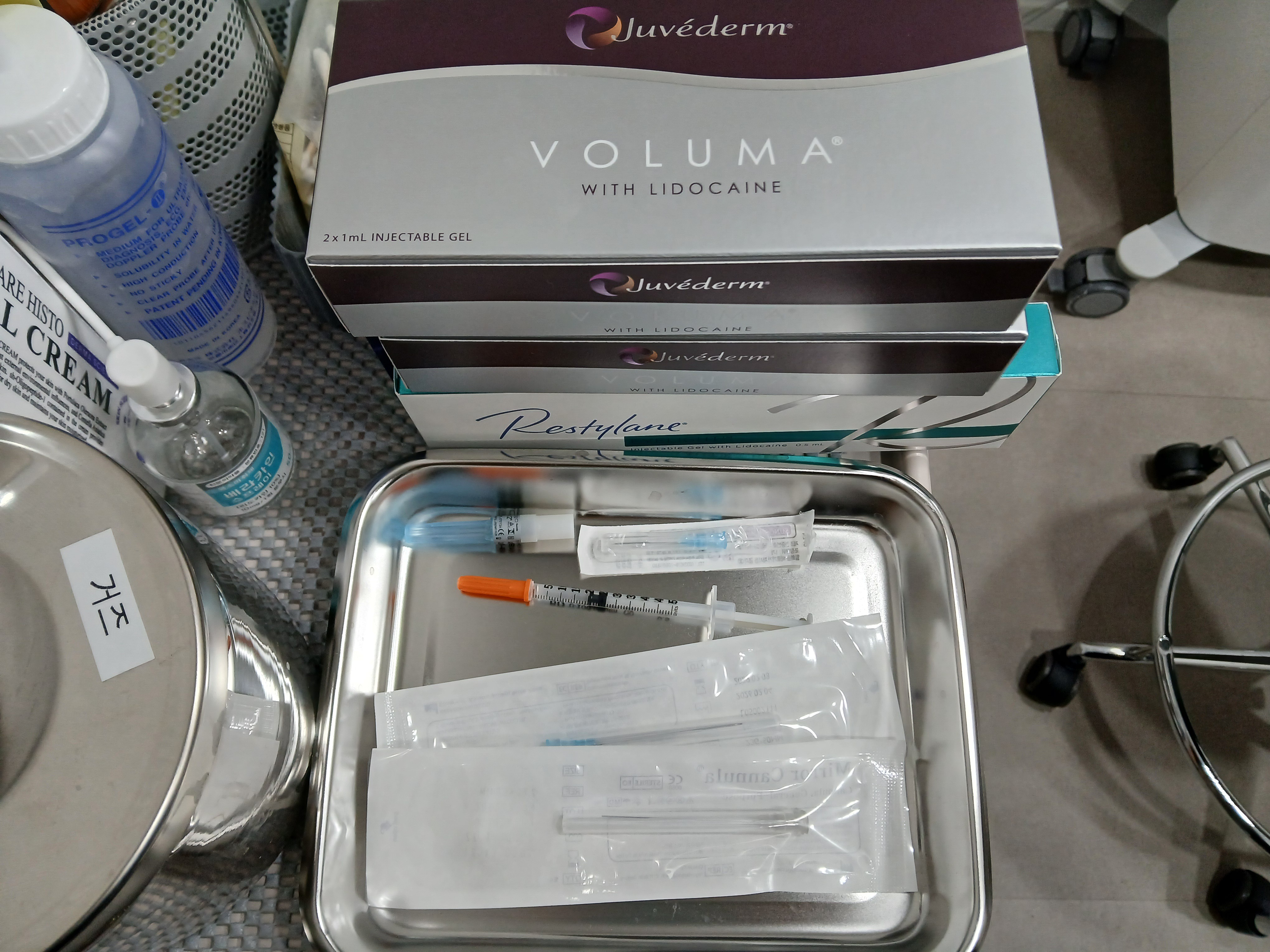
In 2026, this treatment remains one of the most sought-after solutions for individuals looking to address midface volume loss and achieve a refreshed appearance with minimal recovery time.
Understanding Nasolabial Fold Filler Treatment in Korea
Nasolabial fold filler treatment in Korea is a minimally invasive dermatological procedure designed to smooth the lines between the nose and mouth by injecting volume-enhancing substances. This approach focuses on filling the structural hollows that create shadows and deep creases in the lower face.
What are Smile Lines and Why Do They Form?
Nasolabial folds, commonly known as smile lines, are the deep creases that run from the sides of the nose to the corners of the mouth. These lines typically become more prominent as we age due to several physiological factors. One primary cause is the natural loss of fat pads in the midface area, which leads to a sagging effect. Additionally, the skin loses its foundational collagen and elastin, reducing its ability to snap back after repetitive facial expressions. According to clinical observations, the downward shift of gravity on facial fat can exacerbate the depth of these folds over time. At LUNN, I emphasize that these lines are a natural part of facial anatomy but can appear deeper depending on bone structure and lifestyle factors. Understanding the specific cause, whether it is volume loss or skin laxity, is crucial for selecting the most appropriate intervention for a patient's unique facial profile in 2026. (156 words)
How Hyaluronic Acid Fillers Restore Facial Volume
Hyaluronic acid fillers are the most common non-surgical intervention used in Korea to address the deepening of the midface area. These injectables work by attracting and binding water molecules within the skin, which creates immediate volume in the targeted layers. Because HA is a substance naturally found in the human body, it is generally well-tolerated and offers a high degree of biocompatibility. Patients often choose this material because of its reversible nature and the soft, natural texture it provides once integrated into the tissue. Clinical data suggests that HA fillers can effectively smooth moderate to severe lines for a period typically ranging from 6 to 12 months. This treatment is particularly favored because it allows for fine-tuning during the session, ensuring that the results remain soft rather than rigid. By restoring the lost structure beneath the skin surface, these fillers provide a more rested and refreshed appearance to the overall facial profile. (162 words)
The Quick Procedure and Recovery Timeline
The procedure for nasolabial fold fillers is remarkably efficient, typically requiring only 10 to 30 minutes to complete. Before the injection, a topical numbing cream is usually applied to the area to ensure patient comfort throughout the session. The injector carefully places the material into specific depths of the dermis or subcutaneous layer to achieve the desired lift. Most modern premium fillers also contain lidocaine, a local anesthetic, which further minimizes any sensation during the process. Following the treatment, patients can usually return to their daily activities immediately, as there is no significant downtime required. While some individuals might notice mild swelling or small bruises at the injection site, these reactions typically resolve within 0 to 2 days. It is important for patients to avoid strenuous exercise or extreme heat for the first 24 hours to allow the filler to settle properly into the designated facial structures. (159 words)
The LUNN Approach to Dermatologist-Led Facial Design
The LUNN approach to facial design emphasizes a structural analysis of the midface to ensure that enhancements maintain the natural proportions and unique character of the patient's face. This philosophy rejects standardized injection patterns in favor of a personalized blueprint for every individual.
Why 1mm Makes a Difference in Harmony
In the field of medical aesthetics, the difference between a natural look and an overdone appearance often comes down to a single millimeter of placement. At LUNN, I focus on the precise depth and position of each injection to respect the natural dynamic movement of the face. If a filler is placed too superficially or too deeply, it can create an unnatural shelf-like effect or fail to provide the necessary support. Precision mapping is designed to help the filler integrate seamlessly with the surrounding muscles, allowing for natural expressions when smiling or speaking. Please note that results may vary depending on individual skin conditions. This level of detail is essential for maintaining facial harmony, as the nasolabial area is highly mobile. By carefully calculating the volume required for each side, I can address subtle asymmetries that are often present in the midface. Achieving this balance requires both clinical expertise and an artistic eye, ensuring that the final result enhances the patient's unique beauty without looking artificial. (164 words)
Personalized Mapping of the Midface Structure
Every patient presents a unique anatomical structure, which is why personalized mapping is the foundation of a successful treatment plan. I begin each session by evaluating the patient's bone structure, fat distribution, and skin elasticity to identify the root cause of the fold. This process often involves looking beyond the nasolabial line itself to the cheek area, where volume loss often originates. By supporting the midface and cheekbones, we can sometimes lift the fold indirectly, requiring less filler in the crease itself. This holistic view prevents the face from looking bottom-heavy and maintains a youthful, V-shaped contour. Precision Over Volume: The 2026 Specialist's Perspective on Choosing LUNN over General Approaches highlights the importance of this customized approach. Utilizing high-resolution analysis helps in identifying the exact layers that need restoration. This thorough preparation ensures that the final injection is both safe and aesthetically pleasing for long-term satisfaction. (158 words)
Avoiding the Overfilled Look Through Precision
One of the most common concerns for patients seeking nasolabial treatment is the fear of looking overfilled or unnatural. This phenomenon, sometimes called the "filler face," occurs when too much volume is concentrated in a single area without considering the surrounding tissues. To avoid this, I employ a conservative injection technique that prioritizes gradual enhancement over instant, excessive volume. By using the minimum amount of filler necessary to achieve a visible improvement, we preserve the natural contours of the face. Precision in placement also means that the filler is less likely to migrate or feel lumpy over time. It is always possible to add more volume in a follow-up session if needed, but removing excess material is a more complex process. This cautious and detailed approach ensures that patients feel confident and look like themselves, only more refreshed. Focusing on the interaction between the filler and facial ligaments prevents the stiffness often associated with lower-quality work. (165 words)
Comprehensive Solutions: Fillers and Non-Invasive Skin Tightening
Comprehensive solutions for midface aging often combine dermal fillers with advanced lifting technologies to address both volume depletion and the effects of skin laxity simultaneously. This multi-layered strategy is often more effective for patients with mature skin.
Comparing Fillers with Thread Lift Technology
While dermal fillers are excellent for restoring volume, they may not always be sufficient for cases involving significant skin sagging. In such instances, a thread lift can serve as a powerful complementary treatment by physically repositioning descended tissues. Thread lifts use absorbable sutures with tiny barbs to lift the skin upward, providing a structural foundation that fillers alone cannot achieve. At LUNN, I often recommend a combination of these two modalities to provide both lift and volume. Why Structural Lifting Should Be the Foundation Before Volume Restoration: A 2026 Clinical Perspective further explains why repositioning tissue is often the first logical step. The choice between these options depends on the patient's age, skin quality, and specific aesthetic goals. Fillers provide immediate results with almost no recovery, while thread lifts offer a more dramatic structural change that typically lasts between 12 to 18 months, depending on the material used during the procedure. (167 words)
Synergistic Effects of HIFU and Radiofrequency
Energy-based devices like High-Intensity Focused Ultrasound (HIFU) and Radiofrequency (RF) can be used alongside fillers to improve skin density and elasticity. These technologies work by delivering thermal energy into the deep layers of the dermis, stimulating the body's natural production of new collagen. When the skin is tighter and firmer, the nasolabial folds often appear less pronounced even before any filler is injected. This synergy allows for a more subtle use of injectables, leading to a more natural and long-lasting result. RF treatments focus on the superficial and mid-dermal layers, while HIFU can target the deeper SMAS layer for a non-surgical lifting effect. Combining these treatments helps to address the multi-dimensional nature of aging, which involves changes in skin, fat, and muscle. In 2026, many patients opt for this comprehensive approach to maintain their facial structure over time without the need for invasive surgery. (158 words)
| Option | Nasolabial Filler | Thread Lift |
|---|---|---|
| Primary Goal | Volume Addition | Skin Repositioning |
| Materials | Hyaluronic Acid | Absorbable PDO/PCL |
| Procedure Time | 10 to 30 Minutes | 40 to 60 Minutes |
| Result Duration | 6 to 12 Months | 12 to 18 Months |
| Recovery Period | 0 to 2 Days | 3 to 7 Days |
Choosing the Right Material for Facial Volume Restoration
Selecting the appropriate material for volume restoration involves evaluating the density, longevity, and lifting capacity of various medical-grade fillers available in the modern aesthetic market. Not all fillers are created equal, and the choice depends on the specific needs of the patient.
Hyaluronic Acid vs. Collagen Stimulating Injectables
Patients have two primary choices when it comes to injectable materials for the nasolabial area: hyaluronic acid (HA) and collagen stimulators. HA fillers provide an immediate volumizing effect and are easily dissolved if the patient is dissatisfied or if a complication occurs. Collagen stimulators, such as those containing PDLLA or PCL, work more gradually by encouraging the skin to build its own structural support. These biostimulatory products typically offer longer-lasting results, often remaining visible for 18 to 24 months, but they do not provide the instant gratification of HA. The choice between these materials depends on whether the patient prefers an immediate change or a slow, progressive improvement in skin quality. I carefully discuss these options with each patient to align the treatment with their lifestyle and expectations. Both types of injectables are safe when administered by a trained specialist, but they require different injection techniques to achieve the best possible outcomes. (165 words)
Longevity and Texture Considerations for Smile Lines
The texture of a filler is a critical factor in how it behaves once it is inside the skin. For the nasolabial folds, a filler must be robust enough to withstand the pressure of facial movements but soft enough to feel natural to the touch. High-viscosity fillers are often used deep near the bone to provide a foundation, while softer, more cohesive fillers are used closer to the surface to smooth out fine lines. The longevity of these results can vary significantly based on the patient's metabolic rate and the specific product used. On average, most high-quality HA fillers last between 6 and 12 months in this dynamic area. Factors such as smoking, sun exposure, and high levels of physical activity can cause the body to break down the filler more quickly. Regular maintenance sessions can help to extend the duration of the volumizing effect and keep the midface looking balanced over several years. (166 words)
Criteria for Selecting Premium Medical Grade Fillers
When choosing a filler brand, I prioritize products that have undergone rigorous clinical testing and are approved by major health authorities like the FDA. Premium medical-grade fillers are characterized by their purity, consistency, and low risk of causing delayed inflammatory reactions. These high-end products offer better integration with the surrounding tissue, which reduces the chance of the filler feeling like a foreign body. They also tend to provide a more predictable outcome, allowing for higher precision during the design phase. At LUNN, we exclusively use brands with a proven safety record to provide a professional standard of care for our patients. Selecting a premium material is an investment in both safety and the aesthetic quality of the final result. While lower-cost alternatives may be available, they often lack the sophisticated rheology needed to handle the complex movements of the mouth area. Prioritizing quality over price is essential for long-term health and satisfaction. (163 words)
Safety Protocols and Managing Clinical Expectations
Clinical safety protocols and expectation management are essential components of any aesthetic procedure to ensure patient well-being and satisfaction with the long-term results. Understanding the risks is just as important as knowing the benefits.
Potential Side Effects and Common Risks
While nasolabial fold filler treatments are generally safe, it is important to be aware of potential side effects and risks. Common reactions include mild redness, swelling, and bruising at the injection site, which typically resolve within a few days. Some patients may also feel small lumps or firmness in the area as the filler settles, which often improves with gentle massage or time. More serious but rare complications, such as vascular occlusion or infection, require immediate medical intervention from a qualified specialist. At LUNN, I follow strict aseptic techniques and use advanced tools like blunt-tip cannulas to minimize the risk of vessel injury. It is crucial for patients to disclose their full medical history and any medications they are taking during the initial consultation. This transparency allows me to tailor the procedure to their specific health profile and mitigate avoidable risks. Providing a balanced view of both the benefits and the limitations is a hallmark of professional dermatological care. (167 words)
Post-Procedure Care for Long-Lasting Results
Proper aftercare is vital for ensuring that the filler settles correctly and that the results remain visible for as long as possible. Patients are advised to keep the injection area clean and avoid touching or massaging the site for at least 24 hours. Applying a cold compress can help to manage any initial swelling or discomfort. It is also recommended to sleep with the head slightly elevated for the first night to further reduce fluid retention in the face. Avoiding blood-thinning supplements and alcohol for a few days after the procedure can also help to minimize the risk of bruising. Maintaining a healthy skincare routine that includes hydration and sun protection will support the overall health of the skin and enhance the appearance of the filler. Consistent follow-up appointments allow us to monitor the results and make any necessary adjustments. By following these simple guidelines, patients can maximize the lifespan of their treatment and enjoy a smooth, youthful midface. (167 words)
When to Consult a Specialist in Apgujeong Rodeo
If you are considering nasolabial fold treatment, consulting with a board-certified dermatologist in the Apgujeong Rodeo area ensures that you receive care from an expert who understands facial anatomy. A specialist can determine if your smile lines are caused by volume loss, sagging, or a combination of both. During a consultation, we perform a detailed structural analysis to create a roadmap for your facial rejuvenation. This professional oversight is especially important for complex cases or for those who have had unsatisfactory results from previous treatments elsewhere. Choosing a clinic that prioritizes medical ethics over high-volume sales ensures that your safety remains the top priority. We invite you to explore the possibilities of facial harmony through a personalized design session. Whether you are looking for a subtle correction or a more comprehensive lift, a specialist can provide the guidance needed to achieve your goals. Taking the first step with a professional consultation is the most effective way to ensure a natural and safe outcome. (167 words)
Frequently Asked Questions
Q. What is the primary cause of deep nasolabial folds?
These folds are typically caused by a combination of natural volume loss in the cheeks, skin laxity due to aging, and repetitive facial expressions. In my clinical experience at LUNN, I often find that gravity shifting the fat pads downward contributes significantly to the depth of these lines over time.
Q. How long does the nasolabial fold filler procedure take in Korea?
The injection itself typically takes 10 to 30 minutes to complete. However, I dedicate more time to the initial facial design phase to ensure the filler integrates naturally with your unique muscle movements and bone structure. This preparation is essential for a harmonious result.
Q. Is the treatment painful or does it require downtime?
Most premium fillers contain lidocaine to minimize discomfort during the procedure, and topical numbing is also used. While there is no significant downtime, some patients may experience mild swelling or bruising at the injection site for 0 to 2 days. These are individual reactions and vary from person to person.
Q. Can I combine fillers with a thread lift in Seoul?
Yes, combining these treatments is often beneficial for achieving a more complete rejuvenation. While fillers restore lost volume, a thread lift can help reposition sagging skin that creates the fold. This multi-layered approach often yields more harmonious results for patients with moderate to severe sagging.
Q. What are the common risks or side effects of this treatment?
While generally safe, potential risks include redness, swelling, bruising, or temporary lumps at the injection site. More rare but serious risks like vascular occlusion require immediate medical attention. We follow strict safety protocols and use advanced injection techniques to mitigate these risks.
Q. How much does nasolabial fold filler cost at LUNN?
The cost varies depending on the type and amount of filler required for your specific facial structure. Because I provide personalized facial designs rather than non-personalized injections, I recommend a consultation to receive a precise estimate based on your unique anatomy and needs.
Q. How long do the results typically last?
Hyaluronic acid fillers usually last between 6 to 12 months, depending on the product used and the patient's metabolism. Factors like lifestyle, sun exposure, and skin maintenance also play a role in how long the volumizing effect remains visible before a touch-up is needed.
Key Takeaways
- Personalized Design: Successful nasolabial treatment requires a 1mm level of precision and structural mapping of the midface.
- Material Selection: Hyaluronic acid offers immediate, reversible results, while collagen stimulators provide gradual, long-term support.
- Synergy: Combining fillers with thread lifts or energy-based devices (HIFU/RF) often addresses sagging and volume loss more effectively.
- Safety First: Choosing a specialist-led clinic ensures rigorous safety protocols and natural-looking outcomes.
- Minimal Downtime: The procedure is quick, with most minor side effects resolving within a couple of days.
For more insights into personalized facial design, follow us on Threads @dr.lunn.
LUNN Dermatology Clinic / Park Hyung-kwon
FAQ
- What is the primary cause of deep nasolabial folds?
- These folds are typically caused by a combination of natural volume loss in the cheeks, skin laxity due to aging, and repetitive facial expressions. In my clinical experience at lunnclinic, I often find that gravity shifting the fat pads downward contributes significantly to the depth of these lines over time.
- How long does the nasolabial fold filler procedure take in Korea?
- The injection itself typically takes 10 to 30 minutes to complete. However, I dedicate more time to the initial facial design phase to ensure the filler integrates naturally with your unique muscle movements and bone structure. This preparation is essential for a harmonious result.
- Is the treatment painful or does it require downtime?
- Most premium fillers contain lidocaine to minimize discomfort during the procedure, and topical numbing is also used. While there is no significant downtime, some patients may experience mild swelling or bruising at the injection site for 0 to 2 days. These are individual reactions and vary from person to person.
- Can I combine fillers with a thread lift in Seoul?
- Yes, combining these treatments is often beneficial for achieving a more complete rejuvenation. While fillers restore lost volume, a thread lift can help reposition sagging skin that creates the fold. This multi-layered approach often yields more harmonious results for patients with moderate to severe sagging.
- What are the common risks or side effects of this treatment?
- While generally safe, potential risks include redness, swelling, bruising, or temporary lumps at the injection site. More rare but serious risks like vascular occlusion require immediate medical attention. We follow strict safety protocols and use advanced injection techniques to mitigate these risks.
- How much does nasolabial fold filler cost at lunnclinic?
- The cost varies depending on the type and amount of filler required for your specific facial structure. Because I provide personalized facial designs rather than factory-style injections, I recommend a consultation to receive a precise estimate based on your unique anatomy and needs.
- How long do the results typically last?
- Hyaluronic acid fillers usually last between 6 to 12 months, depending on the product used and the patient's metabolism. Factors like lifestyle, sun exposure, and skin maintenance also play a role in how long the volumizing effect remains visible before a touch-up is needed.