
Post
A Specialist's 2026 Guide to Multilayer Lifting Laser Treatment: Achieving Facial Harmony at LUNN
Multilayer lifting laser treatment is a non-invasive dermatological procedure designed to restore facial contours by delivering energy to multiple tissue depths, including the dermis and the SMAS layer.
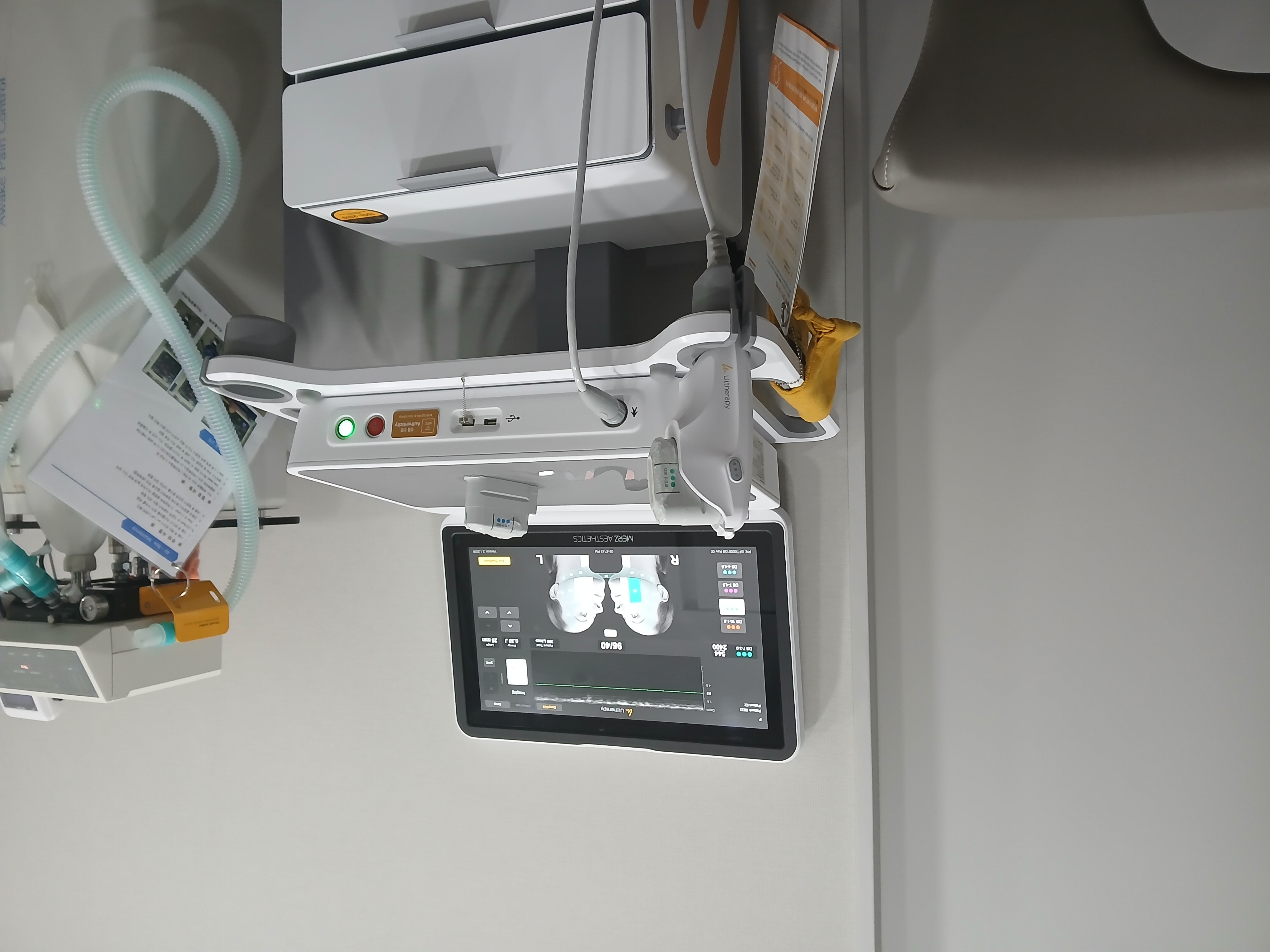
By utilizing focused energy to stimulate collagen production and fascia contraction, this approach aims to provide comprehensive rejuvenation that addresses the root causes of skin laxity. At LUNN, we focus on the intricate balance between technology and anatomy to help patients achieve a refreshed appearance while maintaining their natural expressions and individual facial harmony. Hello, I am Dr. Hyung-Kwon Park, a dermatologist and director at LUNN, and I believe that natural results come from mastering the smallest details. Our philosophy, "Refining the Details," ensures that every procedure is an individualized journey toward perfect harmony rather than a cookie-cutter application of technology.
Understanding Multilayer Lifting Laser Treatment and Its Mechanisms
Multilayer lifting laser treatment is defined as a specialized energy-based procedure that simultaneously targets the epidermal, dermal, and Superficial Muscular Aponeurotic System (SMAS) layers to induce tissue tightening. By delivering controlled thermal energy to varying depths, the treatment initiates a biological healing response that strengthens the skin's foundation and improves its surface quality.
The Science of Targeting Epidermal, Dermal, and SMAS Layers
Multilayer lifting laser treatment is a comprehensive dermatological approach that targets the epidermal, dermal, and SMAS layers simultaneously to promote structural skin rejuvenation. Unlike superficial treatments, this method utilizes micro-focused ultrasound or radiofrequency energy to reach specific depths, including the 1.5mm, 3.0mm, and 4.5mm planes. By delivering thermal energy to the Superficial Muscular Aponeurotic System at a depth of 4.5mm, the procedure triggers a natural healing response that tightens the underlying foundation of the face. In the dermal layer at 3.0mm, it stimulates the production of new collagen and elastin fibers, which are essential for maintaining skin elasticity. Targeted thermal coagulation points at these depths lead to tissue contraction, effectively acting like an internal support structure. This layered approach ensures that every level of the skin receives the necessary stimulus for renewal, rather than focusing solely on the surface. Understanding these distinct depths is the first step toward achieving a naturally refreshed and harmonized appearance, which is why I meticulously map out each patient's facial structure before the first pulse is ever delivered.
Understanding the Different Focus of Single-Layer and Multilayer Approaches
Single-layer lifting focuses on specific tissue depths, which may address different aesthetic concerns compared to a multi-depth approach. Many traditional treatments focus exclusively on the dermis, which may improve fine lines but fails to address the structural sagging rooted in the deeper SMAS layer. When only one layer is treated, the lack of support from deeper tissues can lead to results that appear less cohesive or dissipate more quickly. In my clinical experience, I have observed that patients often express a higher sense of aesthetic balance when we address multiple depths in a single session. Gravity constantly pulls on the facial fascia, and a treatment that ignores this 4.5mm depth cannot provide the foundational tension required for a defined jawline. Treating only the surface is akin to replacing the wallpaper in a house with a failing foundation; the structural issues remain. By recognizing that aging is a three-dimensional phenomenon, we move beyond the limitations of single-layer technology to create a more resilient and natural-looking lift that respects the face's unique anatomy.
Structural Rejuvenation: From Collagen Remodeling to Fascia Tightening
Structural rejuvenation involves a sophisticated process of collagen remodeling and fascia tightening to restore the face's natural architecture from the inside out. When energy penetrates the 4.5mm depth, it causes the SMAS layer to contract, providing a tightening effect that supports the skin's foundation. Following this initial contraction, a biological cascade begins where fibroblasts are activated to synthesize new Type 1 collagen over a period of several months. This long-term remodeling phase is crucial for improving skin density and volume. By addressing the skin's structure across multiple 1mm increments, the treatment creates a cohesive net of support that lifts sagging tissues while refining the surface texture. This synergy between deep-tissue tightening and superficial collagen induction allows for a more comprehensive improvement in facial contours. The result is a gradual enhancement that respects the natural movement and expressions of the individual, ensuring structural integrity remains the primary focus. I often tell my patients that we are essentially "re-building" the skin's support system, leading to a rejuvenated look that doesn't feel forced or artificial.
Comparative Analysis: Multilayer vs. Traditional Single-Layer Lifting
Comparative analysis refers to the systematic evaluation of different lifting modalities based on their depth of penetration, energy types, and clinical outcomes. This comparison helps patients understand why a multidimensional approach is often preferred for addressing both surface laxity and deep structural sagging.
| Feature | Traditional Single-Layer | Multilayer Lifting |
|---|---|---|
| Target Depth | 1.5mm or 3.0mm only | 1.5mm, 3.0mm, and 4.5mm |
| Energy Source | Single RF or Laser | Hybrid (Ultrasound + RF) |
| Primary Goal | Surface Texture | Structural Tightening + Texture |
| Duration of Results | 3 to 6 months* | 6 to 12 months* |
*Duration may vary depending on individual skin conditions and lifestyle. | Recovery Time | 24 to 48 hours | 48 to 72 hours |
Depth Comparison: Ultrasound, Radiofrequency, and Hybrid Approaches
Depth comparison is essential for understanding how ultrasound, radiofrequency, and hybrid approaches interact with various layers of the facial anatomy. Ultrasound technology typically excels at reaching the deep 4.5mm SMAS layer, providing the heat needed for foundational contraction without damaging the skin's surface. In contrast, radiofrequency energy often focuses on the 1.5mm to 3.0mm dermal levels, which is ideal for tightening the skin's texture and reducing fine lines through heat-induced collagen stimulation. Hybrid approaches at LUNN combine these technologies to treat multiple depths in a single session, offering a 360-degree improvement in both structure and surface quality. Using ultrasound at specific temperatures targets deep tissues effectively, while radiofrequency optimizes superficial remodeling. By selecting the correct modality for each specific depth, we can tailor the energy delivery to the patient's unique anatomical needs. This precise depth management is critical for avoiding complications while maximizing the regenerative potential, ensuring that the treatment is both safe and effective for the specific concerns of the individual patient.
Efficacy vs. Side Effects: A Balanced Safety Profile
When evaluating the efficacy and safety profile of multilayer lifting, it is important to balance the visible benefits against potential temporary side effects. The multi-depth approach is effective because it addresses sagging at its source, but the increased energy delivery requires careful management. Common side effects include temporary erythema and mild edema, which typically resolve within 48 to 72 hours. In some cases, patients might experience slight bruising or temporary numbness in the treated area. Logically, distributing energy across multiple layers rather than concentrating it in one helps maintain a stable safety profile and minimizes the risk of surface irritation. Providing patients with realistic expectations regarding these temporary reactions is a core part of the safety protocol at LUNN. I believe in being honest with my patients; while the results can be transformative, the skin does require a brief period to settle and begin its healing process. This ensures that the journey toward rejuvenation is both effective and comfortable, prioritizing the long-term health of the skin barrier throughout the procedure.
Patient Suitability: Identifying the Best Candidates for Multilayer Care
Identifying the best candidates for multilayer care involves a detailed assessment of skin laxity, age, and individual aesthetic goals. This treatment is particularly suited for individuals in their 30s to 50s who are beginning to notice early signs of jowl formation or a loss of jawline definition. Candidates with mild to moderate skin sagging often see the most natural results, as the treatment leverages their body's own regenerative capacity. It is less effective for those with severe skin redundancy who may require surgical intervention. A thorough consultation is necessary to evaluate the patient's skin thickness and fat distribution, as these factors influence energy penetration. Patients who prioritize gradual, non-invasive improvements and are prepared for a personalized treatment timeline tailored to their specific skin response are ideal candidates. By selecting patients whose skin retains sufficient fibroblast activity, I can ensure that the collagen stimulation process is successful and provides long-lasting structural harmony. I always perform a physical examination to feel the muscle thickness and skin elasticity before finalizing any treatment plan.
The LUNN Philosophy: Detail-Oriented Multilayer Design
The LUNN philosophy centers on the belief that true beauty is found in the subtle details and the preservation of natural facial harmony. This approach prioritizes a customized, evidence-based strategy that respects the unique anatomy of every patient to deliver refined and sustainable results.
Dr. Hyung-Kwon Park’s 1mm Precision Protocol
Dr. Hyung-Kwon Park’s 1mm precision protocol is a hallmark of the care provided at LUNN, focusing on the minute adjustments that make a significant difference in facial aesthetics. By analyzing the skin's response in 1mm increments, the treatment can be adjusted in real-time to ensure optimal energy delivery to each layer. This level of precision is vital for avoiding the "over-treated" look that can occur with standardized, high-energy settings. Each pulse is calibrated based on the local tissue thickness and the proximity to underlying structures, ensuring that the 4.5mm depth is reached only where necessary. This meticulous attention to detail allows for a lifting effect that is both powerful and subtle, enhancing the patient's natural features without altering their core identity. By focusing on these small but critical measurements, the protocol ensures that the tension is distributed evenly across the face. This scientific rigor is combined with an artistic eye to create a balanced and harmonious rejuvenation that stands the test of time, reflecting my commitment as a dermatologist to "Refining the Details."
Addressing the 'Shadows' of Aging Through Layered Tension
Addressing the 'shadows' of aging through layered tension is a concept that focuses on how light and shadow interact with facial contours as tissues sag. As we age, the loss of support in the deeper layers creates hollows and shadows, particularly around the nasolabial folds and the marionette lines. Through the LUNN methodology, we utilize multilayer lifting to restore the volume and tension that eliminate these unwanted shadows, much like how a photographer adjusts lighting to smooth a subject's features. By tightening the SMAS and dermal layers, we can smooth out the transitions between different facial zones, resulting in a more youthful and rested appearance. This approach is not just about pulling the skin tight but about repositioning the tissues to reflect light more favorably across the face. Based on our 'shadow erasing' strategy, we aim to strategically apply tension where shadows are most prominent, achieving a result that looks naturally radiant. This focus on light and contouring ensures that the patient looks refreshed from every angle, effectively erasing the tired appearance that comes with structural sagging.
Customizing Pulse Duration and Energy Distribution for Harmony
Customizing pulse duration and energy distribution is essential for achieving facial harmony and ensuring the safety of the multilayer lifting process. At LUNN, I understand that every patient's skin reacts differently to thermal stimulus, necessitating a bespoke approach to device settings. By adjusting the pulse duration, we can control the extent of thermal spread, which is crucial for protecting sensitive areas such as the periocular or perioral regions. Energy distribution is carefully mapped out to provide more intensive lifting in areas of greater laxity while maintaining a lighter touch in areas with thinner skin. This tailored approach prevents the common pitfall of uniform energy application, which can lead to localized discomfort or uneven results. I utilize precise settings to ensure that the 1.5mm and 3.0mm layers are stimulated effectively without compromising the integrity of the 4.5mm foundation. This balance of energy ensures that the skin remains healthy and vibrant throughout the remodeling process. Achieving harmony requires a deep understanding of how energy interacts with biological tissues, ensuring the patient’s comfort while striving for the most natural aesthetic outcome.
Clinical Considerations and Realistic Expectations
Clinical considerations and realistic expectations are the foundational elements of a successful patient journey, involving transparent communication about the treatment's scope and limitations. At LUNN, we provide comprehensive guidance to ensure that patients are well-informed about their recovery and the gradual nature of non-surgical lifting.
Typical Recovery Timelines and Post-Treatment Skin Management
Typical recovery timelines for multilayer lifting are relatively brief, but following a proper skin management protocol is essential for optimizing results. Most patients experience mild redness or swelling for approximately 48 to 72 hours, which can be managed with gentle skincare and sun protection. It is recommended to avoid strenuous exercise or high-heat environments like saunas for at least 7 days to allow the skin to settle. At LUNN, we provide patients with a post-treatment regimen that emphasizes hydration and the use of soothing agents to support the epidermal barrier. While initial tightening may be visible, the full effects of collagen remodeling typically take 3 to 6 months to manifest. During this period, consistent sun protection is vital to prevent UV-induced damage to the newly forming collagen fibers. By adhering to these simple post-treatment steps, patients can ensure that their skin remains resilient and that the lifting effects are maximized. Clear communication regarding these timelines helps patients plan their treatment around their social and professional commitments, ensuring a stress-free experience from start to finish.
Understanding Individual Variance: Factors Affecting Longevity
Understanding individual variance is key to managing expectations regarding the longevity of multilayer lifting results. While the typical duration of visible improvement ranges from 6 to 12 months, factors such as age, lifestyle, and baseline skin quality play a significant role. Patients with a healthy lifestyle often experience more durable results due to better collagen synthesis. Furthermore, the degree of initial skin laxity influences how long the lifting effect will remain prominent. In some cases, a maintenance session every 6 to 9 months may be recommended to sustain the structural improvements achieved. It is also important to note that the natural aging process continues; therefore, non-surgical treatments are designed to slow the visible effects of aging rather than stop them entirely. At LUNN, I emphasize that the plan must be individualized; some patients may require more frequent follow-ups to achieve their specific aesthetic goals. By acknowledging these variables, we can create a sustainable long-term plan that evolves with the patient's changing needs, ensuring they always look their best as they age gracefully.
Essential Safety Disclosures: Managing Temporary Redness and Swelling
Essential safety disclosures are a vital part of the ethical practice at LUNN, ensuring that patients are fully aware of potential risks. While multilayer lifting is a low-risk procedure, temporary redness, swelling, and sensitivity are common occurrences that signify the initiation of the healing process. These symptoms are generally mild and subside within 72 hours, but individual reactions can vary. Potential side effects can also include temporary erythema, edema, or rare instances of bruising or tingling. We advise patients to report any unusual or persistent symptoms immediately to their specialist for evaluation. It is also important to understand that this treatment is not a direct replacement for surgical procedures in cases of extreme skin laxity. By providing a balanced view of both the benefits and the limitations, I foster a relationship of trust and safety with my patients. Ensuring that every patient feels supported through their recovery is my primary goal, as we prioritize long-term skin health above all else. Individual results may vary, and a consultation is required to determine the best path forward.
For more detailed information on specific lifting techniques, you may refer to A Specialist's 2026 Guide to the Multilayer Lifting Technique: Achieving Facial Harmony at LUNN or explore the benefits of combined energy treatments in A Specialist's 2026 Guide to Ultherapy and Thermage Synergy Treatment: Achieving Facial Harmony at LUNN.
Frequently Asked Questions
Q. What exactly is multilayer lifting laser treatment?
It is a non-invasive procedure that simultaneously targets multiple skin depths—such as the dermis and the SMAS layer—using technologies like HIFU or Radiofrequency to provide comprehensive tightening. At LUNN, we use this approach to address both foundational sagging and superficial texture. The treatment works by delivering controlled heat to stimulate natural healing and collagen production.
Q. How long do the results typically last after the procedure?
While results vary by individual, many patients observe improvements for 6 to 12 months. Factors like lifestyle, age, and skincare routine can influence how long the lifting effect remains visible. Maintenance sessions may be recommended to sustain the structural and collagen-stimulating benefits over time.
Q. Is the treatment painful or does it require significant downtime?
Most patients experience mild heat or tingling during the session, which is generally well-tolerated. There is no major downtime required, but temporary redness or slight swelling can occur for 48 to 72 hours. Most people return to their normal daily activities immediately after the treatment.
Q. Can this treatment replace a surgical facelift?
Multilayer lifting is an excellent option for mild to moderate sagging and structural rejuvenation. However, it may not provide the same degree of correction as surgery for severe skin laxity or significant tissue redundancy. It is a preferred choice for those seeking natural-looking results without the risks of surgery.
Q. Are there any side effects I should be aware of?
Potential side effects include temporary erythema, edema, or rare instances of bruising or tingling. These reactions are typically mild and resolve within a few days. It is vital to consult with a specialist at LUNN to assess your skin's specific risks and ensure a safe treatment.
Q. How many sessions are generally required for visible improvement?
The specific number of sessions depends on the individual's baseline skin condition and their aesthetic goals. While a single session often provides noticeable changes, I create a customized plan for each patient to ensure optimal structural harmony. We tailor the frequency to ensure the best possible long-term outcomes.
Q. Who is the ideal candidate for this multilayer approach?
It is best suited for individuals noticing early signs of jowl formation, loss of jawline definition, or overall skin fatigue. Candidates in their 30s to 50s with mild to moderate laxity typically see the best results. It is ideal for those seeking natural rejuvenation with minimal disruption to their lifestyle.
Key Takeaways
- Multilayer Precision: Targets 1.5mm, 3.0mm, and 4.5mm depths to address both surface texture and deep structural sagging.
- Natural Results: Stimulates the body's own collagen production for a refreshed, non-surgical appearance over 6 to 12 months.
- Minimal Downtime: Temporary redness and swelling usually resolve within 48 to 72 hours, allowing for a quick return to routine.
- Customized Care at LUNN: Dr. Hyung-Kwon Park focuses on individual facial harmony and 1mm precision settings to ensure safety and balance.
Contact for Consultation: Lunn Dermatology Clinic / Dr. Hyung-Kwon Park
Follow us on Threads: @dr.lunn
FAQ
- What exactly is multilayer lifting laser treatment?
- It is a non-invasive procedure that simultaneously targets multiple skin depths—such as the dermis and the SMAS layer—using technologies like HIFU or Radiofrequency to provide comprehensive tightening. At lunnclinic, we use this approach to address both foundational sagging and superficial texture. The treatment works by delivering controlled heat to stimulate natural healing and collagen production.
- How long do the results typically last after the procedure?
- While results vary by individual, many patients observe improvements for 6 to 12 months. Factors like lifestyle, age, and skincare routine can influence how long the lifting effect remains visible. Maintenance sessions are often recommended to sustain the structural and collagen-stimulating benefits over time.
- Is the treatment painful or does it require significant downtime?
- Most patients experience mild heat or tingling during the session, which is generally well-tolerated. There is no major downtime required, but temporary redness or slight swelling can occur for 48 to 72 hours. Most people return to their normal daily activities immediately after the treatment.
- Can this treatment replace a surgical facelift?
- Multilayer lifting is an excellent option for mild to moderate sagging and structural rejuvenation. However, it may not provide the same degree of correction as surgery for severe skin laxity or significant tissue redundancy. It is a preferred choice for those seeking natural-looking results without the risks of surgery.
- Are there any side effects I should be aware of?
- Potential side effects include temporary erythema, edema, or rare instances of bruising or tingling. These reactions are typically mild and resolve within a few days. It is vital to consult with a specialist at lunnclinic to assess your skin's specific risks and ensure a safe treatment.
- How many sessions are generally required for visible improvement?
- In many cases, a single session provides noticeable changes, but a structured plan of 2 to 3 sessions may be advised for optimal structural harmony. The specific number of sessions depends on the individual's baseline skin condition and their aesthetic goals. We tailor the frequency to ensure the best possible long-term outcomes.
- Who is the ideal candidate for this multilayer approach?
- It is best suited for individuals noticing early signs of jowl formation, loss of jawline definition, or overall skin fatigue. Candidates in their 30s to 50s with mild to moderate laxity typically see the best results. It is ideal for those seeking natural rejuvenation with minimal disruption to their lifestyle.