
Post
A Specialist's 2026 Guide to Medical Grade Pore and Scar Treatment: Achieving Structural Harmony at LUNN
Hello, I am Dr. Hyungkwon Park, a dermatologist at LUNN Dermatology Clinic in Cheongdam/Apgujeong Rodeo. Medical grade pore and scar treatment represents a sophisticated clinical approach to skin texture refinement, utilizing advanced energy devices and pharmaceutical-grade substances.
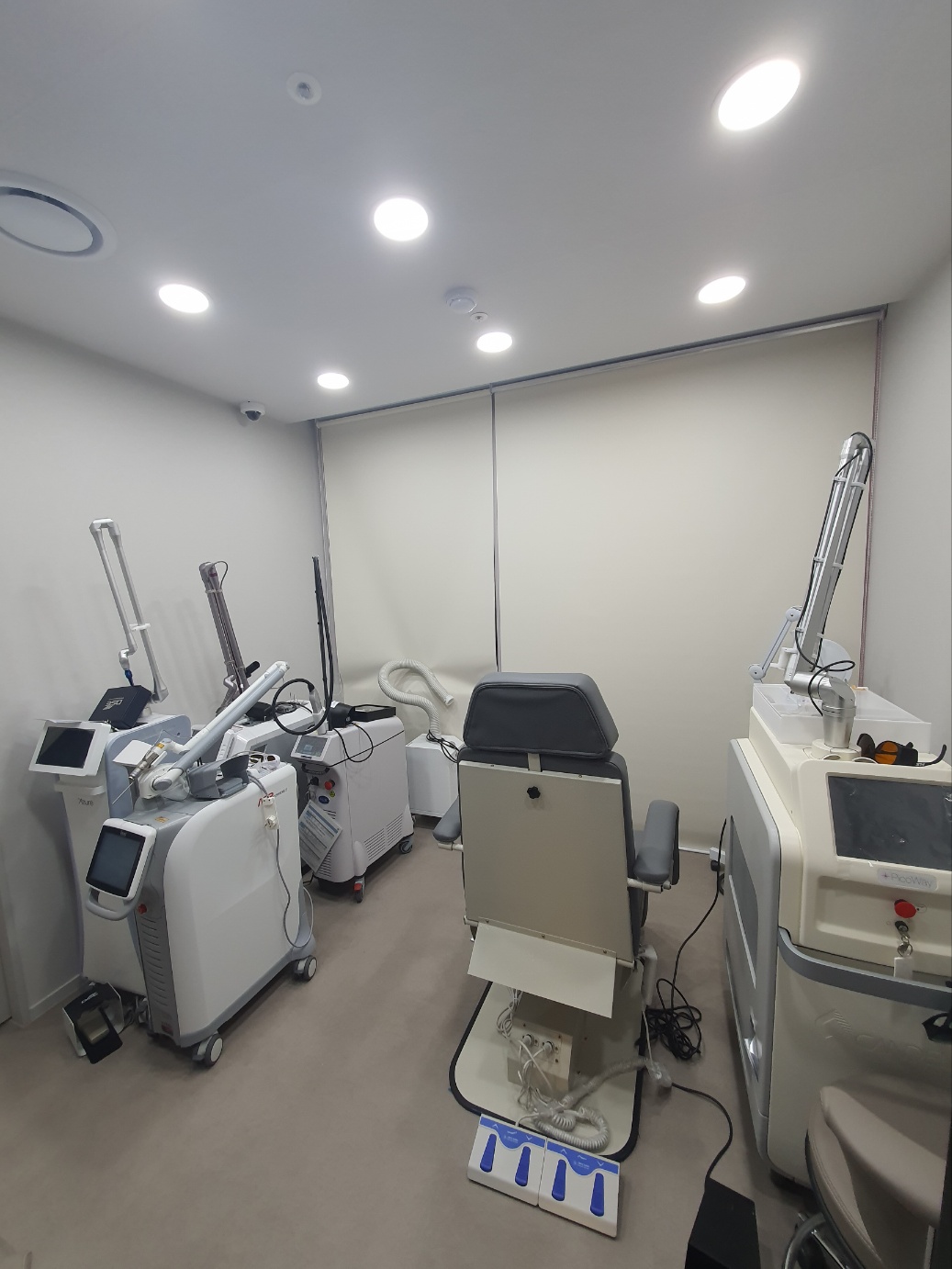
At LUNN, we focus on the intricate details of tissue repair to restore the natural balance and smooth surface of your complexion. This guide outlines the evidence-based strategies we employ to address persistent skin concerns through professional medical intervention rather than superficial topical applications.
Understanding Medical Grade Pore and Scar Treatment Protocols
Medical grade pore and scar treatment protocols are structured clinical interventions designed to target the dermal layers where structural irregularities originate. Unlike cosmetic treatments that only address the epidermis, these protocols utilize high-potency energy systems or regenerative compounds to initiate a deep healing response. By focusing on the underlying architecture of the skin, we can address issues that have historically been resistant to standard skincare routines, ensuring a more comprehensive approach to texture refinement.
The Structural Differences Between Enlarged Pores and Scars
Understanding the physiological distinctions between enlarged pores and atrophic scars is fundamental to creating an effective treatment plan for every patient. Enlarged pores are often the result of excessive sebum production or a loss of elasticity in the skin surrounding the follicle, causing the opening to appear wider and more prominent. In contrast, scars are the result of a disrupted healing process following inflammation or injury, where the body replaces normal tissue with fibrous collagen, often leading to indentations or raised surfaces. While both issues affect the overall smoothness of the skin, the depth of the structural damage varies significantly. Pores typically involve the upper follicular structure, whereas scars often extend much deeper into the reticular dermis. Effective clinical intervention must therefore be calibrated to reach these specific depths. At LUNN, we utilize diagnostic tools to assess these layers, ensuring that the selected modality accurately targets the correct tissue depth for the most harmonious results possible.
Why Clinical Intervention Surpasses At-Home Skincare for Texture
At-home skincare products, while useful for maintenance, often lack the penetration depth required to fundamentally alter the structural integrity of scars and deep pores. Most over-the-counter topical treatments are formulated to act primarily on the stratum corneum, the outermost layer of the skin, providing temporary hydration or mild exfoliation. Medical grade pore and scar treatment, however, involves clinical technologies that can bypass these surface barriers to deliver energy or active ingredients directly to the dermis. Devices like fractional lasers or radiofrequency microneedling create controlled micro-injuries that trigger the production of new collagen and elastin, which is essential for filling in atrophic scars and tightening pore structures. Standard creams cannot replicate this biological remodeling process because they cannot generate the necessary thermal or mechanical stimulus. Clinical protocols also allow for higher concentrations of active compounds and more precise delivery systems. This level of intensity is necessary to achieve noticeable improvements in texture that persist beyond the temporary plumping effects of cosmetic products.
Advanced Modalities for Skin Texture Reconstruction
Advanced modalities for skin texture reconstruction involve the strategic application of thermal, mechanical, or biochemical energy to stimulate the skin’s innate regenerative capacity. These treatments are specifically designed to reorganize collagen fibers and promote the growth of healthy new tissue in areas affected by scarring or visible pore enlargement. By selecting the appropriate technology for each skin type, we can address diverse concerns from fine texture irregularities to deep, stubborn acne scarring with a high degree of precision and clinical safety.
Laser Resurfacing and Micro-Needling Radiofrequency Technologies
Laser resurfacing and micro-needling radiofrequency represent two of the advanced technological pillars in modern dermatological texture reconstruction. Fractional lasers work by creating thousands of microscopic treatment zones, leaving the surrounding tissue intact to accelerate the healing process. This method allows for significant remodeling of the dermis with a manageable recovery period. On the other hand, micro-needling radiofrequency combines physical needle penetration with the delivery of heat energy directly into the deep layers of the skin. This dual action is particularly effective for tightening the skin around pores and smoothing out the tethered fibers of acne scars. In many clinical cases, patients undergo a series of 3 to 5 sessions to achieve significant changes in their skin architecture. These technologies are highly customizable, allowing us to adjust the intensity based on individual skin sensitivity and the specific depth of the scarring. By carefully managing the energy levels, we prioritize both the efficacy of the treatment and the safety of the patient during the recovery phase.
Regenerative Skin Boosters and PDLLA Collagen Stimulators
Regenerative skin boosters and PDLLA collagen stimulators represent a newer frontier in non-laser based texture improvement, focusing on biochemical signaling. PDLLA, or Poly-D,L-Lactic Acid, is a biocompatible substance that acts as a scaffold, encouraging the body’s own fibroblasts to produce new collagen over several weeks. This gradual process results in a natural-looking improvement in volume and texture, making it an excellent choice for smoothing out shallow atrophic scars. Skin boosters, often containing polynucleotides or high-concentration hyaluronic acid, improve the internal hydration and health of the dermal environment. When the skin is well-hydrated at a cellular level, pores appear smaller and the overall surface looks more refined. These injectables are often used in combination with energy-based devices to provide a synergistic effect. According to clinical standards, the peak results for collagen stimulation typically occur 4 to 6 weeks after the initial application. This approach emphasizes long-term skin health and structural integrity, rather than just immediate surface-level changes, aligning with our philosophy of achieving lasting facial harmony.
Targeted Subcision for Deep Atrophic Scarring
Targeted subcision is a specialized mechanical technique used to treat deep atrophic scars that are tethered to the underlying subcutaneous tissue. In these cases, fibrous bands pull the surface of the skin downward, creating visible indentations that do not always respond to surface-level lasers alone. During a subcision procedure, a fine needle or cannula is used to gently break these restrictive bands, allowing the skin to lift and return to its natural position. This process not only releases the tension but also triggers a localized healing response that helps fill the void with new tissue. While subcision is a more direct intervention, it is often necessary for certain types of rolling or boxcar scars to achieve a truly smooth surface. Patients may experience temporary bruising or swelling for 2 to 5 days, which is a normal part of the healing process. At LUNN, we often combine subcision with other regenerative treatments to ensure that once the fibers are released, the area is supported by new collagen growth for a durable and aesthetically pleasing result.
Comparative Analysis of Pore and Scar Solutions
A comparative analysis of pore and scar solutions is essential for helping patients understand the trade-offs between different clinical modalities. Every skin concern has a unique profile in terms of depth, severity, and the patient’s lifestyle requirements, such as how much downtime they can afford. By categorizing treatments based on their primary mechanism and expected recovery, we can provide a clearer roadmap for achieving the desired aesthetic outcomes while managing expectations regarding the number of sessions and potential side effects.
| Treatment Modality | Primary Target | Typical Downtime | Suggested Sessions | Primary Benefit |
|---|---|---|---|---|
| Fractional Laser | Epidermis & Dermis | 3 to 7 Days | 3 to 5 | Resurfacing and Pigment |
| RF Micro-needling | Deep Dermis | 1 to 3 Days | 3 to 5 | Tightening and Deep Scars |
| Skin Boosters | Dermal Hydration | 1 to 2 Days | 3 Sessions | Texture and Radiance |
| PDLLA Stimulators | Structural Collagen | Minimal | 2 to 3 | Volume and Smoothing |
| Subcision | Fibrous Bands | 3 to 5 Days | 1 to 2 | Releasing Deep Scars |
Treatment Selection Matrix by Efficacy and Recovery Duration
Selecting the right treatment requires a careful balance between the desired level of improvement and the patient's ability to manage post-procedure recovery. For those seeking significant resurfacing of old scars, ablative or semi-ablative fractional lasers offer high efficacy but require a longer recovery period, often ranging from 5 to 7 days of visible redness. Conversely, non-ablative technologies and RF micro-needling provide a faster return to daily activities, with most redness resolving within 1 to 3 days, though they may require more sessions to reach the same endpoint. The selection matrix at LUNN also considers the patient's skin type, as certain laser settings must be calibrated differently for darker skin tones to minimize the risk of post-inflammatory hyperpigmentation. We prioritize a safe and steady progression, often starting with more conservative settings to see how the tissue responds before increasing intensity. This methodical approach ensures that the path to skin refinement is both predictable and sustainable for each individual patient's lifestyle and aesthetic goals.
Matching Skin Concerns with Specific Clinical Technologies
Matching specific clinical technologies to individual skin concerns is a hallmark of personalized dermatological care. For example, individuals primarily concerned with enlarged pores due to oily skin may benefit most from treatments that target the sebaceous glands and tighten the follicular opening. In these cases, specific laser wavelengths or RF treatments are chosen for their ability to reduce oil production while firming the surrounding skin. Patients with deep, pitted acne scars require a different approach, often involving a combination of subcision to release deep anchors and PDLLA stimulators to rebuild lost volume. For those seeking general texture improvement and a healthy glow, skin boosters provide the necessary nutrients and hydration to refine the surface without significant downtime. This precision matching prevents the use of unnecessary intensity on minor concerns and ensures that severe issues receive the powerful intervention they require. You can learn more about our approach to personalized care in our A Specialist's 2026 Guide to Dr. Hyungkwon Park: Precision Dermatology at LUNN for deeper insights into our philosophy.
The LUNN Strategic Approach to Skin Refinement
The LUNN strategic approach to skin refinement is defined by a commitment to precision and the belief that every millimeter of skin texture contributes to overall facial harmony. We do not believe in a one-size-fits-all solution, instead preferring a multi-layered design that addresses the unique biological response of every patient's tissue. By combining clinical expertise with advanced technology, we aim to provide results that look natural and feel healthy, ensuring that each step of the journey is managed with the highest standards of safety and care.
Multi-Layered Design for Individualized Tissue Healing
Our multi-layered design approach acknowledges that skin aging and scarring do not happen in isolation, they affect multiple levels of the tissue simultaneously. When treating pores and scars, we often combine different technologies in a single plan to address the surface, the mid-dermis, and the deep structural layers. For instance, a patient might receive a laser treatment for surface refinement followed by a collagen stimulator to support the deeper architecture. This comprehensive strategy ensures that the healing process is supported from all angles, leading to more robust and balanced results. At LUNN, I personally oversee the design of these protocols, adjusting the parameters based on real-time observations of how the skin reacts during each session. This level of detail is crucial for achieving the refined, harmonious appearance our patients expect. By focusing on the synergy between different modalities, we can optimize the regenerative response, helping the skin to heal more effectively and maintain its new structure over time. For more information on our laser protocols, see A Dermatologist’s 2026 Guide to Acne Scar and Pore Reduction Lasers: Achieving Harmony at LUNN.
Safety Protocols and Managing Potential Side Effects
Safety is the most critical component of any medical grade pore and scar treatment, and we maintain rigorous protocols to minimize risks while maximizing results. Every clinical procedure carries potential side effects, such as temporary redness, swelling, or mild crusting, which typically resolve within a few days. In some cases, there is a risk of post-inflammatory hyperpigmentation or temporary sensitivity, particularly if post-care instructions are not followed precisely. To mitigate these risks, LUNN provides comprehensive pre- and post-treatment guidance, including the use of specific sun protection and soothing agents tailored to your skin's needs. We also emphasize that individual results may vary, and some complex scars may require more sessions than initially anticipated. During the consultation, we provide a realistic outlook of the expected changes and any potential limitations of the chosen technology. This transparent communication ensures that patients are well-informed and comfortable throughout their treatment journey. Our goal is to provide a safe environment where structural refinement can be achieved without compromising the long-term health of the skin barrier, as discussed in our guide to Skin Barrier Recovery Treatments.
Frequently Asked Questions
Q. What defines a medical grade pore or scar treatment?
These are clinical procedures utilizing high-potency energy devices or pharmaceutical-grade substances that penetrate the dermal layer to stimulate structural remodeling. Unlike over-the-counter products, these treatments can fundamentally change the architecture of the skin by triggering new collagen production. They require professional administration due to the intensity and precision of the technology involved.
Q. How many sessions are typically required for noticeable improvement?
While individual results vary, most patients require a series of 3 to 5 sessions spaced several weeks apart to see significant changes in skin texture and scar depth. The exact number depends on the severity of the skin concern and the specific technology used. Collagen remodeling is a gradual process that continues for several months after the final session.
Q. Is there significant downtime associated with these treatments?
Downtime depends on the specific modality used, ranging from just a few hours of redness to a week of visible peeling. Newer non-ablative technologies and RF microneedling allow for a faster return to daily activities, often with only 1 to 3 days of mild swelling. We always discuss expected downtime during the consultation to ensure it fits your schedule.
Q. Are the results of scar treatments permanent?
Treatments that rebuild collagen in atrophic scars generally provide long-lasting results because the new tissue becomes a permanent part of your skin structure. However, the natural aging process and external factors like sun exposure will continue to influence skin quality over time. Maintaining a healthy skincare routine and sun protection is essential for preserving the results.
Q. Does the procedure involve significant pain?
To ensure patient comfort, topical numbing agents are applied before the start of the procedure. Most patients describe the sensation as a feeling of heat or mild tingling rather than intense pain. We take every measure to manage discomfort, and the intensity can be adjusted based on individual sensitivity levels.
Q. What are the potential risks or side effects?
Common side effects include temporary redness, swelling, or mild crusting as the skin begins its natural healing process. In rare cases, post-inflammatory hyperpigmentation may occur if the skin is not properly protected from the sun. We provide detailed aftercare instructions to minimize these risks and ensure a smooth recovery for every patient.
Q. Can medical grade treatments work on all skin types?
Yes, medical grade treatments can be effective for all skin types, but the choice of device must be carefully calibrated to the patient's skin tone. Certain lasers require specific settings for darker skin tones to avoid unwanted pigmentary changes. At LUNN, we specialize in adjusting these parameters to ensure safety and efficacy for all our patients.
Key Takeaways
- Medical grade treatments reach the dermal layer to trigger structural remodeling, surpassing the capabilities of at-home skincare.
- A combination of fractional lasers, RF microneedling, and collagen stimulators like PDLLA provides the most comprehensive approach to texture refinement.
- Most clinical protocols require 3 to 5 sessions, with results improving gradually as new collagen is produced over several weeks.
- Safety and precision are paramount, with protocols customized to individual skin types and lifestyles to minimize downtime and risks like hyperpigmentation.
- LUNN focuses on a multi-layered design to achieve natural and harmonious skin texture through evidence-based dermatological care.
Refining the Details. Achieving Perfect Harmony.
LUNN / Dr. Hyungkwon Park
FAQ
- What defines a medical grade pore or scar treatment?
- These are clinical procedures utilizing high-potency energy devices or pharmaceutical-grade substances that penetrate the dermal layer to stimulate structural remodeling. Unlike over-the-counter products, these treatments can fundamentally change the architecture of the skin by triggering new collagen production. They require professional administration due to the intensity and precision of the technology involved.
- How many sessions are typically required for noticeable improvement?
- While individual results vary, most patients require a series of 3 to 5 sessions spaced several weeks apart to see significant changes in skin texture and scar depth. The exact number depends on the severity of the skin concern and the specific technology used. Collagen remodeling is a gradual process that continues for several months after the final session.
- Is there significant downtime associated with these treatments?
- Downtime depends on the specific modality used, ranging from just a few hours of redness to a week of visible peeling. Newer non-ablative technologies and RF microneedling allow for a faster return to daily activities, often with only 1 to 3 days of mild swelling. We always discuss expected downtime during the consultation to ensure it fits your schedule.
- Are the results of scar treatments permanent?
- Treatments that rebuild collagen in atrophic scars generally provide long-lasting results because the new tissue becomes a permanent part of your skin structure. However, the natural aging process and external factors like sun exposure will continue to influence skin quality over time. Maintaining a healthy skincare routine and sun protection is essential for preserving the results.
- Does the procedure involve significant pain?
- To ensure patient comfort, topical numbing agents are applied before the start of the procedure. Most patients describe the sensation as a feeling of heat or mild tingling rather than intense pain. We take every measure to manage discomfort, and the intensity can be adjusted based on individual sensitivity levels.
- What are the potential risks or side effects?
- Common side effects include temporary redness, swelling, or mild crusting as the skin begins its natural healing process. In rare cases, post-inflammatory hyperpigmentation may occur if the skin is not properly protected from the sun. We provide detailed aftercare instructions to minimize these risks and ensure a smooth recovery for every patient.
- Can medical grade treatments work on all skin types?
- Yes, medical grade treatments can be effective for all skin types, but the choice of device must be carefully calibrated to the patient's skin tone. Certain lasers require specific settings for darker skin tones to avoid unwanted pigmentary changes. At lunnclinic, we specialize in adjusting these parameters to ensure safety and efficacy for all our patients.