
Post
A Specialist's 2026 Guide to Skin Barrier Recovery Treatments: Restoring Harmony at LUNN
Skin barrier recovery treatments are specialized clinical procedures designed to repair the stratum corneum and restore the protective functions of the skin.
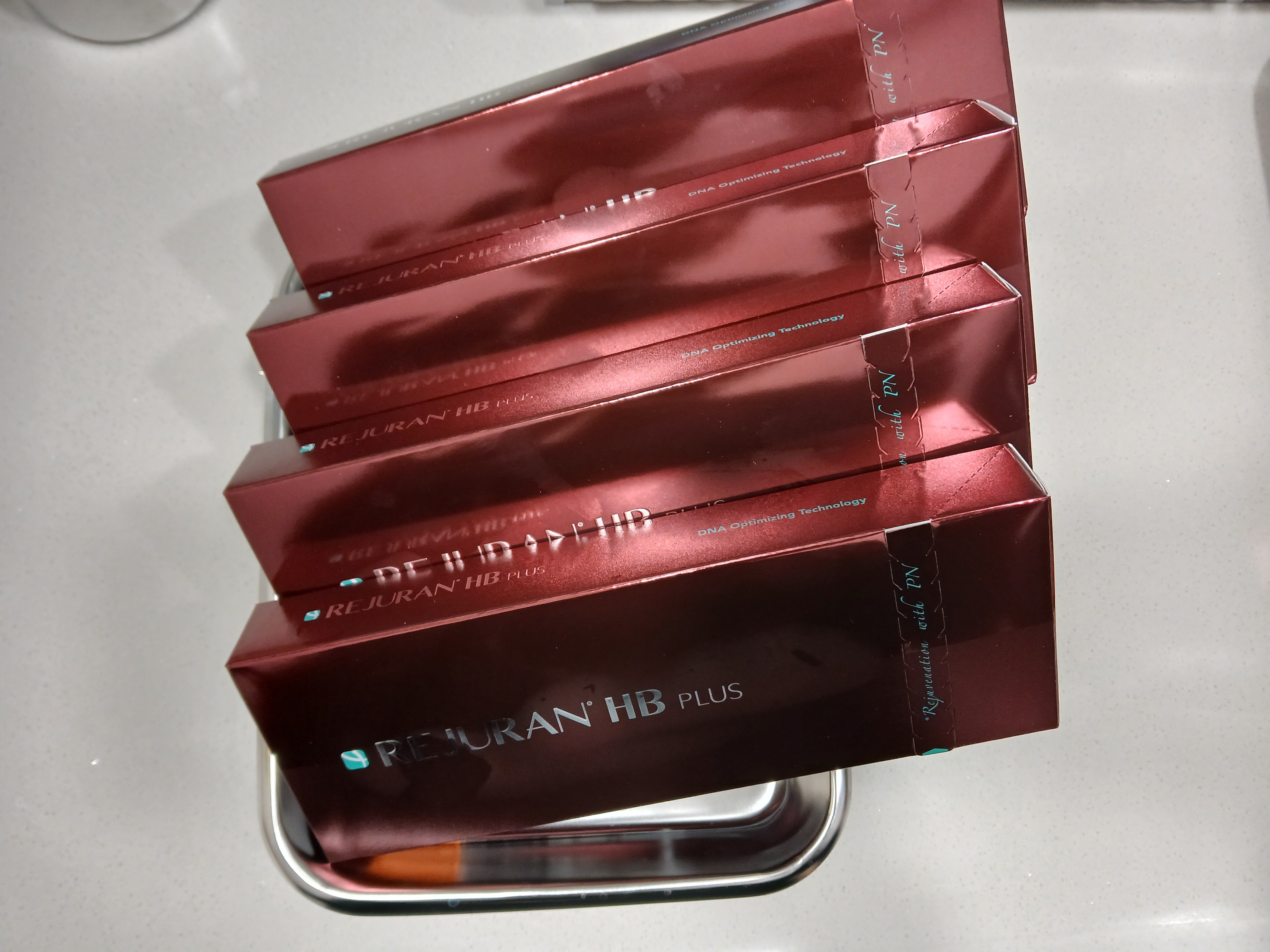
Hello, I am Dr. Hyung-kwon Park, a board-certified dermatologist at LUNN in Cheongdam. In an era where environmental stressors and aggressive skincare routines are common, maintaining a resilient skin barrier is the foundation of facial harmony and health. This guide provides a scientific overview of professional recovery protocols and how they differ from standard over-the-counter solutions.
Understanding the Fundamentals of Skin Barrier Integrity
The skin barrier is the outermost layer of the epidermis that serves as a vital shield against external pathogens and moisture loss. It functions primarily through a complex structural arrangement often compared to a brick-and-mortar system where cells are bound by essential lipids. A healthy barrier prevents environmental irritants from penetrating deeper layers while ensuring that internal hydration levels remain stable. When this barrier is compromised, the skin becomes vulnerable to chronic inflammation and premature aging. At LUNN, we emphasize that a strong barrier is not just about hydration but about structural integrity. Understanding the biological components of this shield is essential for choosing the right clinical intervention. By focusing on the physiological health of the epidermis, we can achieve results that go beyond surface-level aesthetics, providing a sustainable foundation for all other cosmetic enhancements and dermatological health goals.
What is the Skin Barrier and Why Does it Compromise?
The skin barrier, scientifically known as the stratum corneum, consists of approximately 10 to 15 layers of flattened corneocytes that protect the body from dehydration and external toxins. It acts as a primary defense mechanism, maintaining homeostatic balance within the deeper dermal tissues. However, this integrity often compromises due to various factors such as harsh chemical peels, excessive use of alkaline cleansers, or prolonged exposure to extreme weather conditions. Genetic predispositions and chronic conditions like atopic dermatitis also play a significant role in barrier dysfunction. When the lipid matrix is disrupted, the skin experiences increased trans-epidermal water loss, which can show a significant increase in severely damaged cases. Identifying the specific cause of compromise is the first step we take at LUNN to develop a targeted recovery strategy. Without addressing the underlying cause of damage, surface treatments often provide only temporary relief rather than a long-term structural improvement for the patient.
Key Signs of a Damaged Barrier: Redness, Dryness, and Sensitivity
A damaged skin barrier typically manifests through persistent symptoms such as localized redness, chronic dryness, and heightened sensitivity to products that were previously tolerated. Patients often describe a stinging or burning sensation when applying basic moisturizers, indicating that irritants are reaching the deeper epidermal layers. Texture changes are also common, with the skin appearing dull, flaky, or unusually tight even after applying hydrating creams. In some instances, a compromised barrier leads to reactive breakouts as the skin’s natural microbiome becomes unbalanced. Clinical observations suggest that many individuals with sensitive skin issues actually suffer from an acquired barrier defect rather than a congenital condition. These signs are the body’s way of signaling that the protective lipid layer is insufficient. At LUNN, we utilize advanced diagnostic tools to assess these symptoms objectively, ensuring that our treatment plans address the specific physiological needs of each individual patient to restore their natural comfort and appearance.
The Scientific Role of Lipids, Ceramides, and Natural Moisturizing Factors
The structural health of the skin barrier relies heavily on a precise ratio of lipids, specifically ceramides, cholesterol, and free fatty acids. Ceramides make up approximately 50% of the lipid composition in a healthy stratum corneum, acting as the primary adhesive that holds skin cells together. Additionally, Natural Moisturizing Factors, or NMFs, reside within the corneocytes to attract and bind water, maintaining the flexibility of the skin surface. When these components are depleted, the barrier loses its ability to retain moisture, leading to micro-cracks and inflammation. Professional treatments focus on replenishing these specific molecules using medical-grade delivery systems that penetrate deeper than standard cosmetic formulations. Scientific data indicates that topical applications containing the correct 3:1:1 lipid ratio can accelerate the repair process significantly compared to unbalanced moisturizers. Understanding these molecular dynamics allows us to provide evidence-based care that effectively restores the skin’s inherent ability to protect itself from the modern environment.
Professional Skin Barrier Recovery Treatments and Approaches
Professional skin barrier recovery treatments utilize medical-grade ingredients and advanced delivery technologies to repair damaged tissues at a cellular level. These clinical approaches go beyond simple surface hydration by introducing biocompatible molecules that stimulate the skin's natural regenerative processes. At LUNN, we integrate these treatments to address inflammation and structural weaknesses simultaneously. For more information on specialized care, you may refer to A Specialist's 2026 Guide to Board Certified Dermatology in Seoul: Precision Care at LUNN. The goal of professional intervention is to create an environment where the skin can heal itself effectively, reducing the need for constant symptomatic management. By utilizing high concentrations of active ingredients like PDRN and PN, we can target the underlying biological triggers of sensitivity and dryness. These procedures are particularly beneficial for those who have failed to find relief through traditional retail products and require a more robust, scientifically validated approach to skin health.
Targeted Ingredient Therapies: PDRN, PN, and Panthenol Infusions
Targeted ingredient therapies involve the use of highly concentrated biological molecules to stimulate tissue repair and reduce inflammatory markers. PDRN, derived from salmon DNA, has been clinically observed to enhance fibroblast activity and accelerate the healing of micro-tears in the epidermal structure. PN, or Polynucleotide, offers a higher molecular weight for longer-lasting hydration and structural support within the dermis. Panthenol, a provitamin of B5, acts as a powerful humectant and soothing agent that stabilizes the barrier function during the acute phase of recovery. In clinical settings, concentrated PDRN is often utilized to ensure measurable biological responses in the tissue. These ingredients work synergistically to suppress the overproduction of inflammatory cytokines, which are often elevated in damaged skin. By delivering these nutrients directly where they are needed, we can bypass the limitations of the damaged surface and initiate repair from within, providing a comprehensive solution for chronic sensitivity.
Clinical Procedures for Deep Hydration and Structural Repair
Clinical procedures for barrier repair often involve non-invasive technologies like sonophoresis or iontophoresis to enhance the penetration of therapeutic agents. These methods allow large molecules, which would otherwise sit on the surface, to reach the viable layers of the epidermis where they can truly affect change. Deep hydration treatments often utilize low-molecular-weight hyaluronic acid in combination with lipid-replenishing serums to fill the intercellular gaps. Furthermore, light-based therapies such as low-level LED treatments can be employed to reduce redness and promote cellular metabolism. Most clinical barrier protocols are generally recommended as a series of 3 to 5 sessions to help support structural recovery, as the skin turnover cycle takes approximately 28 days. These procedures are designed to be gentle, ensuring that already sensitized skin is not further irritated during the recovery process. At LUNN, we prioritize a meticulous approach that balances immediate soothing effects with long-term structural reinforcement for every patient who walks through our doors.
Limitations of Standard Home Care for Barrier Repair
Standard home care products may have limitations in addressing chronically damaged barriers because they often lack the specific concentration and delivery mechanisms required for deep tissue support. Many retail moisturizers contain high levels of fragrances, preservatives, and alcohols that can inadvertently irritate a compromised epidermis, further worsening the condition. Additionally, the molecular size of ingredients in mass-market products is often too large to penetrate the stratum corneum effectively, providing only a transient occlusion rather than true healing. Clinical-grade products used at LUNN are formulated with bio-identical lipids that mirror the skin’s natural composition, ensuring better integration and lower risk of reaction. Without the guidance of a specialist, patients may also use incompatible products that disrupt the skin’s pH balance, which should ideally remain slightly acidic around 5.5. Professional oversight ensures that the recovery protocol is logically sequenced, preventing the common cycle of trial-and-error that often leads to increased skin frustration and long-term inflammatory damage.
Comparing Clinical Barrier Treatments vs. Home Care Solutions
Understanding the differences between clinical treatments and home care is essential for managing expectations and achieving optimal skin health. While home care is necessary for daily maintenance, clinical interventions provide the intensive repair required for significant barrier dysfunction. The following table highlights the key characteristics of each approach:
| Feature | Professional Clinical Treatment | Standard Home Care Solutions |
|---|---|---|
| Active Ingredient Concentration | High (Medical Grade) | Low to Moderate (Cosmetic Grade) |
| Penetration Depth | Deep (Enhanced by medical devices) | Superficial (Surface level) |
| Primary Goal | Structural repair and regeneration | Maintenance and protection |
| Downtime | Minimal to none | None |
| Result Timeline | 2 to 4 weeks for structural change | Temporary relief or long-term maintenance |
| Personalization | Highly customized by a specialist | General formulation for mass market |
Efficacy Comparison: Penetration Depth and Concentration Levels
The efficacy of a skin recovery program is largely determined by how well the active ingredients can reach their target destination within the epidermis. Clinical treatments utilize advanced delivery systems, such as ultrasound or specialized micro-channels, to ensure that reparative molecules bypass the damaged outer layer. In contrast, standard topical creams are often limited by the size of their molecules, which leads to them remaining on the surface where they are eventually washed away. Furthermore, professional formulations at LUNN contain potent concentrations of growth factors and peptides that are not available in retail stores due to regulatory restrictions. These high-potency ingredients are necessary to stimulate the 28-day cellular turnover process and rebuild the lipid matrix from the bottom up. By increasing the bioavailability of these nutrients, clinical treatments can achieve results that are significantly more profound and durable than what can be attained through a standard at-home routine alone.
Timeline for Recovery: When to Expect Visible Improvements
Skin barrier recovery is a biological process that follows the natural rhythms of epidermal regeneration, meaning that results are rarely instantaneous. While many patients at LUNN report an immediate soothing sensation and reduced tightness following a single session, true structural recovery typically takes 2 to 4 weeks. This timeline aligns with the standard 28-day skin cell turnover cycle, during which new, healthy cells replace the damaged ones. For patients with severe or chronic barrier dysfunction, a series of treatments spaced two weeks apart is often recommended to build cumulative resilience. It is important to note that individual results may vary based on the initial level of damage and the patient’s adherence to post-treatment care instructions. Patience is a critical component of the recovery process, as forcing the skin to change too quickly can lead to further irritation. Our team provides detailed progress monitoring to ensure that the skin is healing at a healthy and sustainable rate.
Cost-Benefit Analysis of Professional Maintenance
Investing in professional barrier recovery treatments focuses on the clinical necessity of restoring the skin's physiological health, which can be a more sustainable approach than relying solely on over-the-counter products. By addressing the root cause of skin sensitivity and dehydration, patients can reduce their reliance on a complex and expensive array of topical creams that only provide temporary relief. A healthy barrier also improves the efficacy of other cosmetic procedures, such as lasers or fillers, ensuring better results and fewer complications. At LUNN, we focus on providing high-value treatments that offer measurable improvements in skin quality and comfort. While the initial cost of a clinical session may be higher than a bottle of moisturizer, the long-term benefits of reduced inflammation and improved skin resilience provide a sustainable foundation for long-term dermatological health. Furthermore, professional guidance helps prevent the purchase of incompatible products, saving patients both time and money. For additional insights on maintaining skin health, consider reading A Specialist's 2026 Guide to Medical Grade Skin Hydration Therapy: Achieving Natural Facial Harmony at LUNN.
Personalized Recovery Protocols at LUNN
At LUNN, we believe that every skin barrier is unique, requiring a personalized approach that considers the patient's lifestyle, genetics, and current skin condition. Our recovery protocols are designed to restore harmony by focusing on the specific layers of the skin that need the most support. We utilize a combination of diagnostic imaging and clinical expertise to identify the exact nature of the barrier compromise. This precision allows us to select the most appropriate ingredients and technologies for each individual. By avoiding a one-size-fits-all methodology, we ensure that our treatments are both safe and highly effective for sensitive skin types. Our commitment to detail ensures that every step of the recovery process is monitored and adjusted as the skin begins to heal. This holistic view of dermatological health is what sets our clinic apart in the field of skin regeneration and restorative care in Seoul.
The LUNN Approach: Analyzing Skin Layers Beyond the Surface
The LUNN approach begins with a comprehensive analysis of the skin’s hydration levels, lipid content, and inflammatory markers. We do not just look at the visible redness on the surface; we investigate the health of the underlying epidermal layers to understand why the barrier failed in the first place. By using specialized skin analysis technology, we can quantify trans-epidermal water loss and identify areas of microscopic damage. This data-driven method allows us to prescribe a recovery plan that is scientifically tailored to the patient’s specific needs. We focus on restoring the delicate balance of the skin microbiome and the lipid matrix, which are essential for long-term health. Our goal is to achieve a state of perfect harmony where the skin can function as an effective shield without the need for constant intervention. This deep-level analysis is the cornerstone of our practice, ensuring that every treatment we provide is grounded in objective clinical evidence and a deep understanding of dermatology.
Minimizing Irritation During the Recovery Process
Minimizing irritation is our highest priority when treating a compromised barrier, as the skin is already in a state of hyper-reactivity. We select only the most biocompatible and hypoallergenic ingredients, avoiding common irritants like synthetic fragrances or harsh preservatives. During the treatment, we use gentle application techniques that do not cause further mechanical stress to the stratum corneum. For individuals with extreme sensitivity, we may utilize cooling technologies and soothing botanical extracts to calm the skin before introducing active reparative molecules. It is common to experience mild, temporary redness or very slight swelling immediately after a procedure. While these symptoms often subside within a few hours, the duration and intensity of side effects can vary depending on the individual's skin condition, and in rare cases, temporary pigment changes, infection, or flare-ups may occur. We provide every patient at LUNN with a specific post-procedure protocol to ensure that their skin remains calm and protected as it begins the healing process. By taking these precautions, we can safely treat even the most delicate skin types without the risk of causing additional discomfort or delaying the recovery timeline.
Post-Treatment Care: Sustaining Long-Term Barrier Resilience
Maintaining the results of a professional barrier treatment requires a consistent and simplified post-treatment care routine. We advise patients to avoid harsh exfoliants, retinoids, and high-intensity lasers for a specified period after their session to allow the skin to stabilize. Using a pH-balanced cleanser and a lipid-rich moisturizer is essential for protecting the newly formed barrier layers. Sun protection is also mandatory, as UV radiation is a significant contributor to barrier degradation and inflammatory damage. At LUNN, we provide personalized product recommendations that complement our clinical treatments, ensuring that the skin continues to receive the necessary nutrients at home. Long-term resilience is achieved through a combination of periodic professional maintenance and a supportive daily regimen. By following these guidelines, patients can enjoy healthy-looking skin that is better equipped to handle the stresses of daily life. For those interested in sustainable beauty, our protocols are designed to provide lasting results that respect the natural physiology of the skin.
Frequently Asked Questions
Q. What exactly is a skin barrier recovery treatment?
A skin barrier recovery treatment is a specialized clinical procedure designed to restore the stratum corneum's protective function. It uses biocompatible ingredients like PDRN, ceramides, and high-potency lipids to help heal micro-tears and reduce inflammation. These treatments are specifically formulated to be gentle on sensitive skin while providing the necessary components for structural support.
Q. How long does it take to see results after a barrier repair session?
While an immediate soothing effect is often felt right after the session, structural recovery typically follows the skin's natural turnover cycle. You can generally expect to see visible improvements in texture and reduced sensitivity within 2 to 4 weeks. Individual results may vary based on the initial severity of the damage and your skin's unique regenerative speed.
Q. Are there any side effects to these professional treatments?
Most recovery treatments are non-invasive, though like any clinical procedure, they carry potential risks that vary by individual. Some patients may experience mild temporary redness, localized swelling, or sensitivity immediately after the procedure. While these usually subside quickly, individual recovery times and reactions differ. We take every precaution at LUNN to minimize irritation and ensure a professional experience for all patients.
Q. Can I get a barrier treatment if I have active acne?
Yes, strengthening the skin barrier is often a necessary first step before addressing active acne. A compromised barrier can lead to increased inflammation, which often worsens acne lesions and slows down the healing process. Restoring the barrier helps balance the skin's environment, making it more receptive to subsequent acne-clearing therapies.
Q. How many sessions are typically required for recovery?
For moderate barrier damage, a series of 3 to 5 sessions spaced approximately two weeks apart is often suggested to support the skin's natural recovery process, though the exact number of sessions depends on individual skin response. This allows the skin to build a resilient protective layer through multiple cellular turnover cycles. Your specialist will determine the exact number of sessions needed based on a thorough analysis of your baseline skin health.
Q. Is there any downtime associated with these procedures?
Recovery time for most barrier-focused treatments at LUNN is generally minimal, allowing many patients to return to daily activities quickly, though this may vary depending on the individual's skin sensitivity. We advise using adequate sun protection and avoiding strenuous exercise or heat exposure for the first 24 hours to ensure the skin remains calm. The non-invasive nature of these treatments makes them ideal for busy individuals seeking effective skin care.
Q. What is the difference between a moisturizer and a clinical barrier treatment?
Moisturizers primarily provide temporary surface-level hydration and occlusion to prevent immediate water loss. Clinical treatments, however, use medical-grade delivery systems to replenish essential lipids and growth factors within the deeper layers of the epidermis. This leads to long-term structural repair rather than just a temporary masking of dryness symptoms.
Key Takeaways
- A healthy skin barrier is essential for protecting against environmental damage and maintaining hydration via the 28-day cell turnover cycle.
- Professional treatments at LUNN utilize medical-grade ingredients like PDRN and ceramides for deep structural repair that home care cannot match.
- Recovery is a biological process that typically requires 2 to 4 weeks to show significant improvements in skin resilience.
- Maintaining a simplified, pH-balanced skincare routine after clinical sessions is crucial for sustaining long-term results and preventing future damage.
LUNN / Dr. Hyung-kwon Park For more clinical insights and updates, follow @dr.lunn on Threads.
FAQ
- What exactly is a skin barrier recovery treatment?
- A skin barrier recovery treatment is a specialized clinical procedure designed to restore the stratum corneum's protective function. It uses biocompatible ingredients like PDRN, ceramides, and high-potency lipids to heal micro-tears and reduce inflammation. These treatments are specifically formulated to be gentle on sensitive skin while providing the necessary components for structural repair.
- How long does it take to see results after a barrier repair session?
- While an immediate soothing effect is often felt right after the session, structural recovery typically follows the skin's natural turnover cycle. You can generally expect to see visible improvements in texture and reduced sensitivity within 2 to 4 weeks. Individual results may vary based on the initial severity of the damage and your skin's unique regenerative speed.
- Are there any side effects to these professional treatments?
- Most recovery treatments are non-invasive and carry very low risk, making them suitable for sensitive skin. Some individuals may experience mild temporary redness or localized swelling immediately after the procedure, which usually subsides within a few hours. We take every precaution at our clinic to minimize irritation and ensure a comfortable experience for all patients.
- Can I get a barrier treatment if I have active acne?
- Yes, strengthening the skin barrier is often a necessary first step before addressing active acne. A compromised barrier can lead to increased inflammation, which often worsens acne lesions and slows down the healing process. Restoring the barrier helps balance the skin's environment, making it more receptive to subsequent acne-clearing therapies.
- How many sessions are typically required for full recovery?
- For moderate barrier damage, a series of 3 to 5 sessions spaced approximately two weeks apart is generally recommended for optimal results. This allows the skin to build a resilient protective layer through multiple cellular turnover cycles. Your specialist will determine the exact number of sessions needed based on a thorough analysis of your baseline skin health.
- Is there any downtime associated with these procedures?
- Most barrier-focused treatments at lunnclinic involve no significant downtime, allowing you to return to your daily activities immediately. We advise using adequate sun protection and avoiding strenuous exercise or heat exposure for the first 24 hours to ensure the skin remains calm. The non-invasive nature of these treatments makes them ideal for busy individuals seeking effective skin care.
- What is the difference between a moisturizer and a clinical barrier treatment?
- Moisturizers primarily provide temporary surface-level hydration and occlusion to prevent immediate water loss. Clinical treatments, however, use medical-grade delivery systems to replenish essential lipids and growth factors within the deeper layers of the epidermis. This leads to long-term structural repair rather than just a temporary masking of dryness symptoms.