
Post
A Specialist's 2026 Guide to Collagen Biostimulator Injections: Achieving Natural Skin Harmony
Collagen biostimulator injections represent a paradigm shift in aesthetic medicine, moving away from temporary volume replacement toward long-term biological regeneration. As a specialist at Lunn Dermatology Clinic, I focus on using these advanced materials to help patients restore their skin's natural architecture through the stimulation of endogenous collagen.
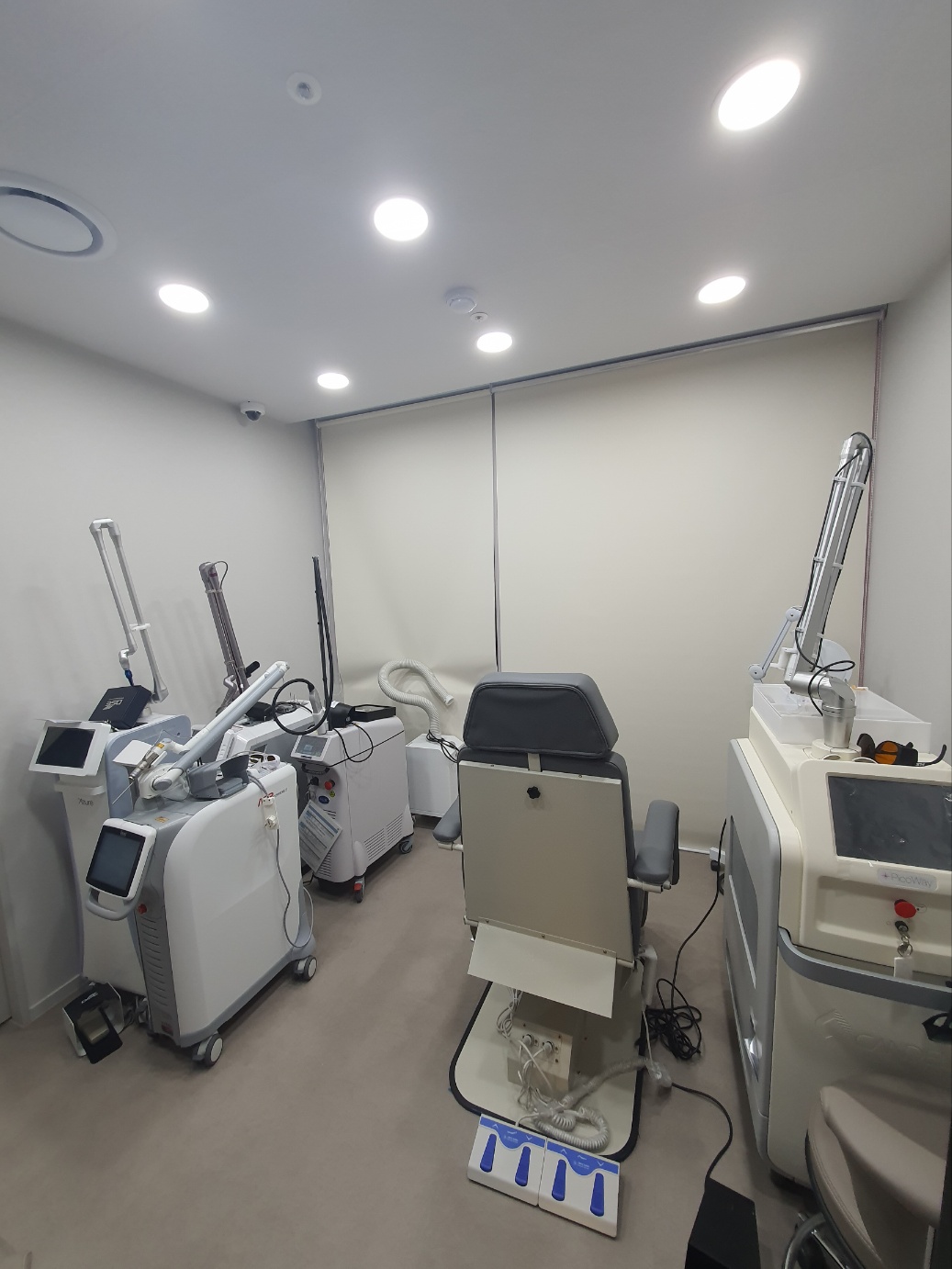
This guide provides an in-depth look at how these treatments work and how they can be tailored to achieve a balanced, rejuvenated appearance.
Understanding Collagen Biostimulator Injections and Skin Regeneration
Collagen biostimulators are injectable substances that function by triggering the body's natural healing response to produce new structural proteins over time. Unlike traditional cosmetic treatments that provide an immediate physical fill, these agents act as a catalyst for the gradual development of the skin's own support system, leading to improvements in density and texture.
What are Collagen Biostimulators?
Collagen biostimulators are sophisticated injectable agents designed to revitalize the skin from within by encouraging the body's natural regenerative systems. Unlike traditional treatments that merely mask aging, these substances, such as Poly-L-Lactic Acid or Calcium Hydroxylapatite, function as a biological scaffold. When introduced into the dermal or subdermal layers, they trigger a localized response that recruits fibroblasts to produce new Type I and Type III collagen fibers. This process is essential because, starting in the mid-twenties, most individuals lose approximately 1% of their natural collagen reserves every year. By the age of 50, a significant portion of the skin's structural support has diminished. At Lunn Dermatology Clinic, we utilize these advanced materials to address this fundamental loss, aiming for a restoration of elasticity and density rather than a temporary aesthetic fix. The transition from synthetic presence to natural tissue integration allows for a subtle, refined improvement that respects the original contours of the face.
How Biostimulators Differ from Traditional Dermal Fillers
To understand collagen biostimulator injections, one must distinguish them from traditional hyaluronic acid fillers. Hyaluronic acid (HA) acts as a hydrophilic gel that provides immediate volume by occupying space, making it excellent for lip augmentation or instant wrinkle correction. In contrast, biostimulators do not offer a final result on day one. Instead, they serve as a message to the skin to begin a months-long process of building its own structural proteins. While HA fillers can be dissolved quickly if needed, biostimulators are designed for gradual integration and sustained results. For more details on conventional methods, you can read A Dermatologist's 2026 Guide to Natural Volume Filler Injection Techniques. At Lunn Dermatology Clinic, we often use biostimulators for global rejuvenation and HA fillers for specific, localized refinement. This strategic combination allows us to address different layers of aging simultaneously, resulting in a more natural look that preserves individual facial expressions and movement.
The Biological Process of Neocollagenesis
Neocollagenesis is the intricate biological process through which the skin produces new collagen in response to specific stimuli. When collagen biostimulator injections are administered, the microspheres create a controlled environment that attracts macrophages and fibroblasts. These cells then begin to secrete new collagen fibers around the particles, creating a dense structural matrix. This response is not an overnight transformation but a steady accumulation of protein that typically progresses over 3 to 6 months post-treatment. Scientific literature suggests that this new collagen is predominantly Type I, which is the same variety found in youthful, resilient skin. Over time, the synthetic stimulator is metabolically broken down into natural byproducts, while the patient’s own collagen remains in place. At Lunn Dermatology Clinic, we focus on facilitating this natural transition to ensure the skin retains its density. This physiological approach ensures that the rejuvenation is genuine and results from the body's own healing capabilities.
Comprehensive Comparison of Popular Biostimulator Types
Popular biostimulator types are categorized by their chemical composition and the specific way they interact with human tissue. By understanding the differences between polymers like PLLA and minerals like CaHA, clinicians can customize treatments to address either global volume loss or specific structural deficiencies.
PDLLA and PLLA: Gradual Volume and Texture Improvement
Poly-D,L-Lactic Acid (PDLLA) and Poly-L-Lactic Acid (PLLA) represent two of the most researched synthetic polymers in the field of aesthetic medicine. PLLA has been utilized for over 2 decades in medical devices, including dissolvable sutures, due to its biocompatibility and predictable degradation profile. When injected, PLLA particles act as a catalyst for gradual collagen synthesis, with results often peaking several months after the initial session. In contrast, PDLLA, often found in newer formulations, features a porous spherical structure that allows for a more rapid interaction with surrounding tissues. Clinical observations indicate that these polymers are effective for addressing global volume loss in the cheeks and temples, providing a lifting effect. At Lunn Dermatology Clinic, we carefully select between these options based on the patient's skin thickness and metabolic rate. While the volume increases gradually, the long-term benefit is a durable improvement in the overall dermal framework, though individual longevity varies based on biological factors.
Calcium Hydroxylapatite (CaHA): Structural Support and Firming
Calcium Hydroxylapatite (CaHA) is a unique biostimulator composed of microspheres suspended in a carboxymethylcellulose gel carrier. This material provides two distinct phases of improvement: an immediate mechanical lifting effect from the gel and a long-term biostimulatory effect from the microspheres. As the carrier gel is naturally absorbed by the body within 3 to 4 months, the CaHA particles remain to stimulate the production of new collagen and elastin fibers. This dual action makes it particularly suitable for patients seeking structural support along the jawline or for thinning skin on the back of the hands. Clinical data indicates that CaHA can significantly improve skin elasticity in targeted areas, with results depending heavily on the individual's baseline skin condition. Because the microspheres are identical to the mineral component of human bone, the risk of allergic reaction is extremely low. At Lunn Dermatology Clinic, we often use diluted CaHA to improve skin quality without adding excessive volume to the lower face.
Comparison Table: Material Properties vs. Expected Results
| Feature | PLLA (e.g., Sculptra) | PDLLA (e.g., Juvelook) | CaHA (e.g., Radiesse) |
|---|---|---|---|
| Primary Material | Poly-L-Lactic Acid | Poly-D,L-Lactic Acid | Calcium Hydroxylapatite |
| Mechanism | Fibroblast stimulation | Rapid tissue interaction | Dual action (Lift + Stimulate) |
| Longevity | Varies by individual | Varies by individual | Varies by individual |
| Best Used For | Large scale volume | Fine lines, pore texture | Structural jawline contouring |
| Visible Results | Gradual (4–8 weeks) | Gradual (4–6 weeks) | Immediate + Gradual |
Strategic Treatment Areas and Patient Considerations
Strategic treatment areas are selected based on the specific anatomical needs of the patient and the regenerative capacity of their skin. Successful outcomes depend on matching the right biostimulator to the correct depth and location to ensure natural movement and harmony.
Ideal Candidates for Biostimulation Therapy
Determining the suitability of a patient for collagen biostimulator injections involves a detailed assessment of skin laxity and underlying bone structure. The ideal candidates are typically individuals in their 30s to 60s who have noticed a gradual decline in skin firmness or the appearance of hollow areas due to fat pad atrophy. These patients often prefer a subtle transformation that unfolds over several months rather than the immediate change associated with hyaluronic acid fillers. Biostimulators are also beneficial for those with "crepy" skin texture on the neck or chest, where traditional lifting methods may be less effective. However, patients with active autoimmune disorders or those prone to keloid scarring may not be suitable candidates for this specific therapy. During a consultation at Lunn Dermatology Clinic, we emphasize that these injections are not a replacement for surgical intervention in cases of severe skin sagging. A thorough medical history is essential to ensure that the patient’s regenerative capacity is sufficient for optimal results.
Common Treatment Zones: Face, Neck, and Body Contouring
Collagen biostimulator injections are highly versatile and can be applied to various anatomical regions beyond the central face. In the mid-face, they are frequently used to address temple hollowing and cheek flattening, which are common signs of facial aging. The lower face also benefits significantly, particularly the pre-jowl sulcus and the jawline, where structural support is often lost. Beyond the face, these treatments have gained popularity for rejuvenating the neck and décolletage, areas where the skin is naturally thinner and more susceptible to sun damage. Some specialized protocols even allow for body contouring, such as improving skin laxity on the upper arms or above the knees. In these cases, the biostimulator is typically administered in a more diluted form to cover larger surface areas effectively. At Lunn Dermatology Clinic, we provide customized mapping for each patient to ensure the material is distributed to the specific vectors where skin tightening is most needed for a harmonious result.
Clinical Limitations and Managing Expectations
Managing patient expectations is a critical component of successful biostimulation therapy. It is important to understand that the results are not instantaneous, as the biological process of neocollagenesis requires time to manifest visible changes. Patients should be aware that multiple sessions, typically 2 to 3 spaced approximately 4 to 6 weeks apart, are often necessary to achieve a cumulative effect. Furthermore, while the treatment is generally well-tolerated, potential side effects such as localized swelling, bruising, or redness at the injection site can occur and usually resolve within 3 to 7 days. In rare instances, small nodules may form under the skin if the product is not properly massaged or if the injection depth is too shallow. These risks highlight the necessity of choosing a specialist with extensive anatomical knowledge. At Lunn Dermatology Clinic, we conduct rigorous follow-up assessments to monitor the skin’s response and ensure safety standards are maintained throughout the entire regenerative journey.
The LUNN Approach: Achieving Natural Harmony through Precision
The LUNN approach centers on the philosophy that aesthetic improvements should be invisible yet impactful, achieved through precise anatomical knowledge and high-quality materials. We prioritize a conservative, layered technique to ensure that the skin's regeneration looks natural and ages gracefully with the patient.
Layered Design: The Importance of Injection Depth
The success of collagen biostimulator injections depends heavily on the precision of the injection technique and the depth at which the material is placed. Unlike fillers that might sit in a single layer, biostimulators are often most effective when applied using a layered design approach. By targeting the deep dermis and the supraperiosteal plane, we can address both the superficial skin quality and the deeper structural support. This technique requires an intimate understanding of facial anatomy to avoid vital structures and ensure even distribution of the stimulatory particles. At Lunn Dermatology Clinic, we utilize specialized cannulas and needles to minimize tissue trauma, which significantly reduces the risk of bruising and downtime. The goal is to create a multi-dimensional lattice of new collagen that supports the skin from its foundation to its surface. For more information on our standards, see A Specialist's 2026 Guide to Board Certified Dermatology in Seoul: Precision Care at LUNN.
Safety Protocols and Potential Side Effect Management
Patient safety is our primary concern when performing any regenerative injectable procedure. Our protocols begin with a sterile environment and the use of high-quality materials to ensure the best possible outcomes. Each treatment session includes a comprehensive pre-injection assessment and a post-injection massage technique tailored to the specific biostimulator used. This massage is crucial for preventing the aggregation of particles, which could otherwise lead to the formation of palpable nodules. We also educate our patients on the importance of avoiding strenuous exercise and excessive heat exposure for at least 24 to 48 hours following the procedure to minimize inflammatory responses. While serious complications are rare, we are fully equipped to manage any adverse reactions that may arise. At Lunn Dermatology Clinic, we maintain a transparent dialogue with our patients, providing detailed aftercare instructions and clear communication channels. This commitment to safety and professional oversight allows patients to undergo treatment with confidence, knowing their health and aesthetic goals are in expert hands.
Post-Treatment Care and Long-term Maintenance
Long-term maintenance is the final step in achieving and preserving the benefits of collagen biostimulator injections. After the initial series of treatments, the newly formed collagen network remains stable for a significant period, but the natural aging process continues. To sustain the results, many patients opt for a single maintenance session periodically. This proactive approach helps to offset the ongoing 1% annual collagen loss and keeps the skin looking resilient. In addition to clinical treatments, we recommend a robust at-home skincare regimen, including the daily use of broad-spectrum sunscreen and topical antioxidants. Staying hydrated and maintaining a balanced lifestyle also support the body's regenerative capabilities. At Lunn Dermatology Clinic, we offer personalized long-term plans that may include a combination of biostimulators and energy-based lifting devices. You can explore more about our philosophies here: A Specialist's 2026 Guide to Sustainable Beauty Treatment in Seoul: Achieving Harmony at LUNN. By integrating these different modalities, we provide a comprehensive anti-aging strategy.
Key Takeaways
- Regenerative Action: Collagen biostimulators trigger the body to produce its own collagen (neocollagenesis), offering gradual and natural-looking results.
- Material Variety: Different substances like PLLA and CaHA serve different needs, ranging from global volume restoration to targeted structural lifting.
- Longevity: Results are generally long-lasting, though individual duration varies significantly based on metabolism and skin health.
- Safety and Precision: Proper injection depth and post-treatment care are essential to minimize risks such as nodules or excessive swelling.
- Gradual Transformation: Most patients require 2 to 3 sessions, with optimal results appearing 4 to 8 weeks after treatment.
Frequently Asked Questions
Q. What exactly are collagen biostimulator injections?
Collagen biostimulators are injectable substances, such as PLLA or CaHA, that trigger the body's natural healing response to produce new collagen over time. Rather than just providing immediate physical volume like a traditional filler, they act as a biological scaffold for your own tissue to regenerate. This results in a more natural restoration of skin density and elasticity.
Q. How long does it take to see visible results from the treatment?
Unlike traditional fillers, results from biostimulators are not instant. Most patients begin to notice improvements in skin texture and subtle volume after 4 to 8 weeks, as the body begins to build new collagen fibers. Optimal results typically appear after a series of sessions as the collagen network matures.
Q. Are there any specific side effects I should be aware of?
Common temporary reactions include localized swelling, redness, or bruising at the injection site, which usually resolve within a few days. While rare, small nodules can occur if the material is not distributed evenly or massaged correctly, which is why choosing an experienced specialist is essential. We provide specific post-care instructions to minimize these risks.
Q. How many sessions are typically required for the best outcome?
While individual needs vary based on age and skin condition, a standard protocol often involves 2 to 3 sessions spaced 4 to 6 weeks apart. This approach allows the skin to build a foundational collagen network cumulatively. We assess the progress after each session to determine if additional treatments are needed.
Q. How long do the effects of collagen biostimulators last?
The longevity of results depends on the specific material used and individual metabolic rates. Because these treatments stimulate your body's own collagen production, the improvements can be long-lasting. Many patients choose to have a maintenance session periodically to sustain the results as natural aging continues.
Q. Is there any downtime associated with these injections?
Most patients can return to their daily activities immediately after the procedure. However, it is generally recommended to avoid strenuous exercise, saunas, and heavy sun exposure for at least 24 to 48 hours to minimize swelling. Some patients may experience mild tenderness at the injection site for a couple of days.
Q. Can biostimulators be combined with other energy-based devices?
Yes, biostimulators are often used in combination with lifting devices like Ultherapy or Thermage to enhance overall skin elasticity. This synergy can provide enhanced results by addressing skin quality and structural laxity simultaneously. We carefully plan the sequence of these treatments to ensure safety and maximum efficacy.
Lunn Dermatology Clinic / Dr. Hyungkwon Park
FAQ
- What exactly are collagen biostimulator injections?
- Collagen biostimulators are injectable substances, such as PLLA or CaHA, that trigger the body's natural healing response to produce new collagen over time. Rather than just providing immediate physical volume like a traditional filler, they act as a biological scaffold for your own tissue to regenerate. This results in a more natural restoration of skin density and elasticity.
- How long does it take to see visible results from the treatment?
- Unlike traditional fillers, results from biostimulators are not instant. Most patients begin to notice improvements in skin texture and subtle volume after 4 to 8 weeks, as the body begins to build new collagen fibers. Optimal results typically appear after a series of sessions as the collagen network matures.
- Are there any specific side effects I should be aware of?
- Common temporary reactions include localized swelling, redness, or bruising at the injection site, which usually resolve within a few days. While rare, small nodules can occur if the material is not distributed evenly or massaged correctly, which is why choosing an experienced specialist is essential. We provide specific post-care instructions to minimize these risks.
- How many sessions are typically required for the best outcome?
- While individual needs vary based on age and skin condition, a standard protocol often involves 2 to 3 sessions spaced 4 to 6 weeks apart. This approach allows the skin to build a foundational collagen network cumulatively. We assess the progress after each session to determine if additional treatments are needed.
- How long do the effects of collagen biostimulators last?
- The longevity of results depends on the specific material used and individual metabolic rates, but effects typically last between 12 to 24 months. The newly formed collagen remains even after the carrier gel or the synthetic polymer has dissipated. Many patients choose to have a maintenance session every 12 to 18 months to sustain the results.
- Is there any downtime associated with these injections?
- Most patients can return to their daily activities immediately after the procedure. However, it is generally recommended to avoid strenuous exercise, saunas, and heavy sun exposure for at least 24 to 48 hours to minimize swelling. Some patients may experience mild tenderness at the injection site for a couple of days.
- Can biostimulators be combined with other energy-based devices?
- Yes, biostimulators are often used in combination with lifting devices like Ultherapy or Thermage to enhance overall skin elasticity. This synergy can provide superior results by addressing skin quality and structural laxity simultaneously. We carefully plan the sequence of these treatments to ensure safety and maximum efficacy.