
Post
A Dermatologist's 2026 Guide to Natural Volume Filler Injection Techniques
Hello, I am Dr. Hyungkwon Park, a dermatologist at LUNN in Cheongdam and Apgujeong Rodeo. Natural volume filler injection techniques are a refined category of aesthetic procedures designed to restore facial balance and contours using biocompatible materials.
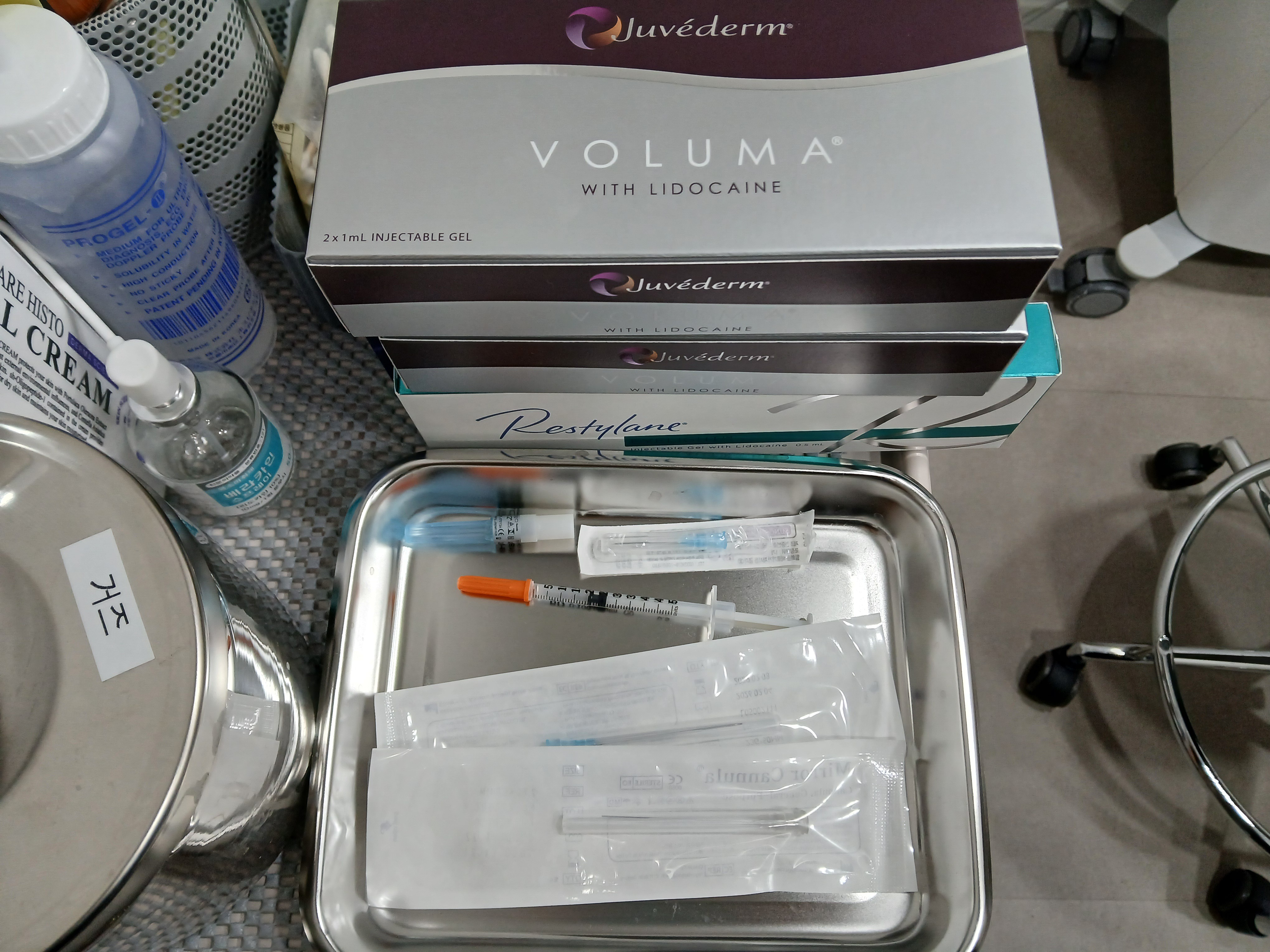
As a specialist at LUNN, I focus on the delicate interplay between anatomical structure and skin elasticity to ensure that every treatment enhances the patient's natural features without creating an artificial appearance. Please note that results may vary depending on individual skin conditions and anatomical structures, and potential side effects like temporary swelling or bruising may occur. This guide explores how we utilize advanced science and clinical expertise to achieve subtle, sophisticated results.
Understanding Natural Volume Filler Injection Techniques
Natural volume filler injection techniques represent a specialized branch of aesthetic medicine designed to restore facial fullness and contour through the precise application of biocompatible substances. This approach moves away from simple filling toward a philosophy of architectural restoration, ensuring that the face retains its unique identity and dynamic expression.
Defining Natural Volume Restoration in Modern Aesthetics
Natural volume restoration refers to a sophisticated aesthetic methodology that prioritizes the subtle replenishment of facial fat pads and skeletal support rather than the simple addition of exogenous mass. At LUNN, we focus on the interplay between light and shadow on the face, recognizing that true beauty lies in the smooth transitions between anatomical units. Unlike traditional methods that might create a heavy or static appearance, this technique respects the unique skeletal structure of the individual. By assessing the specific needs of the temples, mid-face, and jawline, we can restore the contours that define youth without altering the patient's fundamental identity. Clinical experience suggests that most patients seek results that make them look refreshed rather than noticeably changed. This philosophy of 'less is more' is supported by the fact that high-viscosity fillers can provide structural lifting when placed precisely in the deep supraperiosteal plane, requiring fewer milliliters for a visible yet understated impact.
The Science of Dermal Fillers and Tissue Integration
Tissue integration is the biological process where an injected dermal filler becomes harmoniously incorporated into the patient's existing dermal and subdermal layers. Modern hyaluronic acid fillers are engineered with specific cross-linking densities that allow them to mimic the natural movement of the skin's extracellular matrix. At the molecular level, these gels provide a scaffold that attracts moisture, potentially stimulating the surrounding fibroblasts to maintain the skin’s structural integrity. Research indicates that the longevity of these treatments is highly dependent on how the material interacts with the local tissue environment, with some high-quality fillers maintaining their presence for 6 to 12 months. When the integration is successful, the filler does not migrate or form palpable nodules, ensuring that the results feel soft to the touch. This biocompatibility is essential for achieving a result that remains consistent whether the face is at rest or in motion, which is the primary objective of modern aesthetic dermatology.
Why Subtlety is the Preferred Approach for Facial Contouring
Subtlety has emerged as a widely recognized priority in facial contouring, moving away from the overt and heavy aesthetics of previous decades. This shift is driven by a growing preference for 'quiet luxury' in beauty, where the goal is to look younger and more rested without the obvious signs of clinical intervention. By focusing on micro-adjustments rather than macro-volume, specialists can address early signs of aging such as hollow temples or mild nasolabial folds with extreme precision. The philosophy revolves around the idea that minor corrections in key anatomical zones can have a profound impact on the overall perception of the face. For instance, a subtle lift in the cheek area can naturally reduce the appearance of lower face sagging. This approach requires an artistic eye and a deep understanding of facial proportions to ensure that every injection contributes to a balanced and harmonious profile, rather than creating a distorted or artificial look.
Advanced Injection Strategies for Facial Harmony
Advanced injection strategies for facial harmony involve the integration of sophisticated delivery methods that target multiple depths of the facial anatomy. By considering the face as a three-dimensional landscape, we can apply A Specialist’s 2026 Guide to Precision Filler Design in Seoul: Refining Facial Harmony at LUNN to achieve a result that is both durable and aesthetically pleasing.
Layering Techniques: Addressing Bone Resorption and Fat Loss
Layering techniques involve the strategic placement of filler at different depths to address the complex nature of facial aging, which affects bone, muscle, and fat. As we age, skeletal resorption and fat pad atrophy lead to a loss of structural support, resulting in sagging skin. A multi-layered approach begins with placing structural, high-density fillers on the deep supraperiosteal plane to replace lost bone volume. Subsequently, softer, more cohesive fillers are used in the superficial subcutaneous layers to smooth transitions and refine the skin surface. This method ensures that the face is supported from within, providing a more stable and natural-looking foundation than single-layer injections. By treating the face as a three-dimensional structure, practitioners can achieve a comprehensive rejuvenation that addresses both deep structural deficits and superficial fine lines. This sophisticated strategy allows for a more tailored result, as each layer of the face receives the specific type of support it requires for optimal harmony.
The Role of Rheology in Selecting the Right Filler Product
Rheology is the study of how matter flows, and in the context of dermal fillers, it is the determining factor for product selection and clinical outcomes. Understanding parameters such as G-prime, which measures a gel's elastic firmness, and cohesivity, which measures how well the gel stays together, is crucial for success at LUNN. For instance, a high G-prime filler is ideal for deep injections where lifting power and structural support are needed, such as the chin or cheekbones. Conversely, a filler with high cohesivity and lower elastic modulus is better suited for areas with significant movement, such as the lips or around the mouth, to prevent clumping. Selecting the wrong product for a specific anatomical zone can lead to an unnatural appearance or premature degradation. By matching the rheological properties of the filler to the physiological requirements of the target tissue, specialists can ensure that the volume remains stable while allowing for full, natural facial expressions.
Micro-droplet vs. Bolus Injection Methods for Soft Transitions
The choice between micro-droplet and bolus injection methods depends on the specific anatomical goals and the texture of the target area. The bolus technique involves injecting a single, concentrated volume of filler into a specific point, often deep near the bone, to provide immediate projection and support. This is particularly effective for defining the jawline or enhancing the mid-face. In contrast, the micro-droplet technique involves placing multiple tiny amounts of filler across a larger area to create soft transitions and a smooth skin texture. This method is excellent for treating delicate zones where the skin is thin, such as the tear troughs or fine lines around the eyes. By combining these methods, a practitioner can build a robust foundation while ensuring that the superficial layers remain refined and natural. This dual-action strategy allows for the precise sculpting of facial features, ensuring that the volume is distributed evenly and integrates seamlessly with the surrounding tissue for a long-lasting result.
Comparison of Traditional vs. Natural Volume Injection Approaches
Comparing traditional and natural volume injection approaches reveals significant differences in both the philosophy and the technical execution of aesthetic treatments. While traditional methods focused primarily on the elimination of wrinkles through volume, modern techniques like the A Specialist's 2026 Guide to the 3D Facial Contouring Program: Achieving Natural Harmony at LUNN emphasize the restoration of youthful proportions and structural integrity.
| Feature | Traditional Filling | Natural Volume Restoration |
|---|---|---|
| Goal | Maximum volume addition | Structural harmony and balance |
| Layering | Single layer (often superficial) | Multi-layered (deep to superficial) |
| Movement | Focus on static volume | Focus on dynamic expression |
| Product Choice | Uniform product application | Zonal rheology selection |
| Outcome | Volume-centric result | Harmony-centric result |
Assessing Longevity and Natural Movement Post-Injection
Assessing the longevity and natural movement of fillers post-injection is a critical component of ensuring patient satisfaction and safety at LUNN. High-quality hyaluronic acid fillers typically maintain their aesthetic effect for 6 to 12 months, though the exact duration is influenced by the patient's individual metabolism and the mobility of the treated area. Areas with high movement, like the lips, may require maintenance sooner than more static areas like the temples. Beyond duration, the success of a treatment is measured by how the filler moves with the face during laughter, smiling, or speaking. A well-integrated filler should be virtually indistinguishable from natural tissue, showing no signs of rigidity or unusual contours during dynamic expressions. Patients are advised that the final result is usually visible after any initial swelling has subsided, which typically takes about 48 hours. Regular assessments allow for the fine-tuning of results, ensuring that the volume remains in harmony with the natural aging process over time.
Strategic Placement for Avoiding the Overfilled Syndrome
Strategic placement is the most effective way to avoid 'overfilled syndrome', a condition characterized by a puffy, distorted, or unnatural facial appearance. This syndrome often occurs when too much volume is placed in a single session or when injections are focused solely on filling folds rather than addressing the underlying structural cause. To prevent this, the 3D facial contouring approach focuses on restoring balance by treating the face holistically. For example, rather than simply filling a deep nasolabial fold, a specialist might add volume to the lateral cheek to provide a natural lift that softens the fold from above. This avoids the excessive build-up of product in the lower face, which can lead to a heavy, drooping look. By prioritizing the restoration of lost skeletal support and fat pad volume in the upper and mid-face, the practitioner can achieve a refreshed look that maintains the natural contours and proportions that are unique to each individual patient.
Patient Safety and Minimizing Potential Complications
Patient safety and the minimization of potential complications are the highest priorities for any practitioner performing advanced filler injections. By adhering to strict clinical protocols and utilizing a deep understanding of facial anatomy, we can ensure that volume restoration is both effective and secure for every individual.
Managing Expected Side Effects: Redness and Swelling
Managing expected side effects is a vital part of the post-procedure experience, ensuring that patients feel comfortable and informed during the recovery process. Common reactions to filler injections include temporary redness, localized swelling, and minor bruising at the injection site. These symptoms are typically mild and should resolve within 24 to 48 hours for swelling, while bruising may take up to a week to fade completely. At our clinic, we recommend the application of cold packs immediately following the procedure to minimize these effects. It is important for patients to understand that these are normal physiological responses to the needle or cannula and the introduction of the filler material. While these side effects are temporary, they can temporarily obscure the final aesthetic result, so patience is required during the first few days. Providing clear communication about what to expect helps to reduce anxiety and ensures that the healing process proceeds smoothly, allowing the patient to enjoy their refreshed appearance as soon as possible.
Vascular Anatomy Knowledge and Safe Injection Zones
A profound knowledge of vascular anatomy is the cornerstone of patient safety during filler injections at LUNN. The face is a highly vascularized region, and avoiding accidental intravascular injection is crucial to prevent serious complications such as vascular occlusion or tissue necrosis. As a specialist, I utilize specific 'safe zones' and techniques, such as aspirating before injecting or using blunt-tipped cannulas, to significantly reduce these risks. While the risk of major complications is extremely low when performed by an experienced professional, maintaining a high standard of anatomical awareness is non-negotiable. We constantly review the latest mapping of facial arteries and veins to ensure that every treatment is as safe as possible. Furthermore, having an immediate protocol for the use of hyaluronidase, a filler-dissolving enzyme, is essential for addressing any unforeseen issues immediately. By prioritizing safety through education and precise technique, we ensure that our patients can undergo volume restoration with confidence, knowing that their health and aesthetic goals are in expert hands.
Post-Procedure Care for Optimizing Volume Integration
Post-procedure care is essential for optimizing how the filler integrates into the tissue and ensuring the longevity of the results. Patients are generally advised to avoid strenuous exercise, excessive heat exposure such as saunas, and direct pressure on the treated areas for at least 24 to 48 hours. These precautions help to minimize swelling and prevent the displacement of the filler while it is still settling into its intended position. Hydration is also important, as hyaluronic acid is a water-binding molecule that performs best in a well-hydrated environment. Furthermore, gentle skin care and the avoidance of harsh chemical treatments for a few days can help the injection sites heal without irritation. Following these simple guidelines ensures that the filler integrates smoothly with the surrounding dermal layers, resulting in a more natural look and feel. Patients are encouraged to follow up if they have any concerns, ensuring that their journey toward facial harmony is supported by professional guidance at every step of the recovery phase with Dr. Hyungkwon Park at LUNN.
Key Takeaways
- Natural volume restoration focuses on structural harmony rather than just adding mass.
- Advanced layering techniques address aging at the levels of bone, fat, and skin.
- Product selection is guided by rheological properties like G-prime and cohesivity.
- Safety is ensured through deep vascular anatomy knowledge and precise placement.
- Post-procedure care is critical for smooth tissue integration and long-lasting results.
Frequently Asked Questions
Q. What defines a 'natural' result in filler injections?
A natural result focuses on restoring lost structural support and smoothing transitions between facial zones rather than simply adding excessive volume. It ensures the face retains its unique character and moves naturally during expressions. This is achieved by respecting the patient's original anatomy and avoiding over-projection.
Q. How long do natural volume fillers typically last?
While individual results vary based on metabolism and the specific product used, most high-quality hyaluronic acid fillers maintain their effect for 6 to 12 months. Maintenance sessions may be required to sustain the desired harmony. The duration is also influenced by the anatomical location of the injection, with high-movement areas degrading faster.
Q. Are there any risks or side effects I should be aware of?
Common side effects include temporary redness, minor bruising, or localized swelling at the injection site. Rare but serious risks like vascular occlusion exist, which is why choosing an experienced specialist is vital for safety. Always ensure your practitioner has a clear protocol for managing adverse events.
Q. Will I look 'overfilled' or unnatural immediately after the procedure?
When using refined techniques like micro-layering, the risk of an overfilled look is minimized. However, temporary swelling for the first 48 hours is normal and should not be confused with the final aesthetic result. The filler usually takes about two weeks to fully integrate and settle into the tissue.
Q. Can filler injections be combined with other skin treatments?
Yes, filler injections are often combined with lifting devices or skin boosters to address both volume and skin texture. However, the timing and sequence must be carefully planned by your physician to ensure optimal healing. Some combinations may require a gap of several weeks between sessions.
Q. Is the injection process painful?
Most modern fillers contain lidocaine to minimize discomfort during the procedure. While the sensation varies per individual, the procedure is generally well-tolerated with minimal downtime compared to surgical alternatives. Topical numbing creams can also be applied beforehand to enhance patient comfort.
Q. Who is an ideal candidate for natural volume restoration?
Ideal candidates are those experiencing early signs of sagging, hollow temples, or deep nasolabial folds who prefer a refreshed appearance over a dramatic transformation. A consultation is necessary to determine if this approach suits your specific anatomy. It is best suited for those looking for preventative or subtle restorative care.
For personalized consultation regarding facial harmony, please visit LUNN. / Lunn Dermatology Clinic / Dr. Hyungkwon Park
FAQ
- What defines a 'natural' result in filler injections?
- A natural result focuses on restoring lost structural support and smoothing transitions between facial zones rather than simply adding excessive volume. It ensures the face retains its unique character and moves naturally during expressions. This is achieved by respecting the patient's original anatomy and avoiding over-projection.
- How long do natural volume fillers typically last?
- While individual results vary based on metabolism and the specific product used, most high-quality hyaluronic acid fillers maintain their effect for 6 to 12 months. Maintenance sessions may be required to sustain the desired harmony. The duration is also influenced by the anatomical location of the injection, with high-movement areas degrading faster.
- Are there any risks or side effects I should be aware of?
- Common side effects include temporary redness, minor bruising, or localized swelling at the injection site. Rare but serious risks like vascular occlusion exist, which is why choosing an experienced specialist is vital for safety. Always ensure your practitioner has a clear protocol for managing adverse events.
- Will I look 'overfilled' or unnatural immediately after the procedure?
- When using refined techniques like micro-layering, the risk of an overfilled look is minimized. However, temporary swelling for the first 48 hours is normal and should not be confused with the final aesthetic result. The filler usually takes about two weeks to fully integrate and settle into the tissue.
- Can filler injections be combined with other skin treatments?
- Yes, filler injections are often combined with lifting devices or skin boosters to address both volume and skin texture. However, the timing and sequence must be carefully planned by your physician to ensure optimal healing. Some combinations may require a gap of several weeks between sessions.
- Is the injection process painful?
- Most modern fillers contain lidocaine to minimize discomfort during the procedure. While the sensation varies per individual, the procedure is generally well-tolerated with minimal downtime compared to surgical alternatives. Topical numbing creams can also be applied beforehand to enhance patient comfort.
- Who is an ideal candidate for natural volume restoration?
- Ideal candidates are those experiencing early signs of sagging, hollow temples, or deep nasolabial folds who prefer a refreshed appearance over a dramatic transformation. A consultation is necessary to determine if this approach suits your specific anatomy. It is best suited for those looking for preventative or subtle restorative care.