
Post
The Dangers of Using Manual Callus Removers on Fungal Infections: A Clinical Perspective
Hello, I am Dr. Hyung-kwon Park, a dermatologist at LUNN.
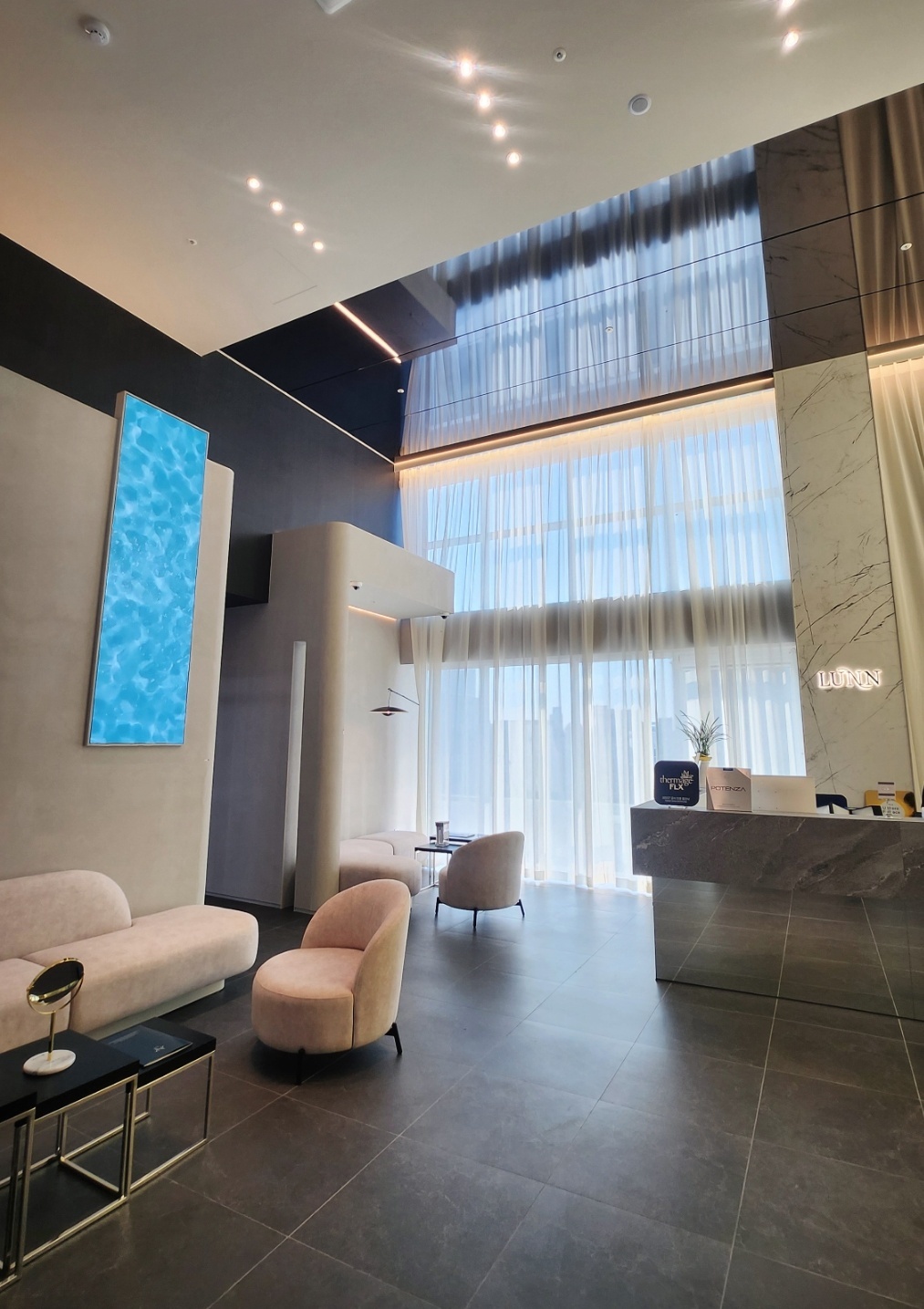
When patients encounter thickened or peeling skin on their feet, their first instinct is often to reach for a manual callus remover or a grater. However, what appears to be simple dry skin is frequently a fungal infection—such as hyperkeratotic athlete's foot—that requires medical attention rather than mechanical abrasion. In this guide, I will explain the significant risks associated with self-treatment and how we approach skin harmony through professional dermatological care in the Apgujeong Rodeo area.
Understanding the Vital Difference Between Calluses and Fungal Infections
Hyperkeratosis is a condition characterized by the abnormal thickening of the outer layer of the skin, usually occurring as a protective response to repeated pressure. While a true callus is composed of dead skin cells layered to shield the foot, many fungal infections produce a similar thickened appearance. Misidentifying an infection as a mere callus can lead to improper treatment that compromises the long-term health of your skin.
Identifying Hyperkeratosis and Common Foot Fungus Symptoms
Distinguishing between a standard callus and a fungal infection requires a keen clinical eye. In my experience, many patients do not realize they are carrying a fungal load. A typical callus is usually localized to pressure points, such as the heel, and tends to be yellowish. In contrast, fungal infections often present with fine, silvery scales that extend beyond the pressure areas and may involve the sides of the foot. You might also notice mild redness or persistent itching, though the hyperkeratotic type often lacks itchiness, leading to frequent misdiagnosis. Using harsh tools on these areas exacerbates underlying inflammation and damages the delicate skin barrier.
The Dangers of Misdiagnosing Athlete's Foot as Dry Skin
When a fungal infection is mistaken for dry skin, individuals often apply heavy moisturizers or use aggressive scraping techniques. This is problematic because fungi thrive in moist environments, and the application of thick creams without antifungal properties can actually support the growth of the organisms. Scraping away what you believe is dead skin removes the protective layers trying to fight the fungal invasion. This mechanical trauma triggers an inflammatory response, making the skin even more susceptible to deeper penetration. Without a professional evaluation, you risk turning a manageable skin issue into a chronic condition. It is essential to recognize that skin thickness is often a symptom of a biological struggle rather than just a cosmetic nuisance.
Why a Professional Diagnosis at LUNN is Essential
Seeking a professional diagnosis at LUNN ensures that your skin concerns are addressed with scientific precision and anatomical understanding. At our clinic near Apgujeong Rodeo, I prioritize a thorough physical palpation and visual state analysis to determine the exact nature of the skin thickening. This level of detail is necessary because healthy skin maintains a specific balance, and improper self-care can disrupt the barrier, making recovery much more difficult. By choosing LUNN, you are opting for a customized plan that prioritizes structural integrity. We believe that true beauty and comfort come from a foundation of health, which can only be achieved through an accurate medical assessment.
The Importance of Physical Palpation in Professional Dermatological Consultation
The Physical Risks of Using Manual Callus Removers on Infected Skin
Mechanical debridement is the process of physically removing dead skin tissue using abrasive tools. While these tools may seem effective for temporary smoothing, they can be destructive when used on skin compromised by a fungal infection. The act of scraping creates a cycle of trauma that often results in more severe skin thickening and potential secondary health issues.
How Abrasion Spreads Fungal Spores to Healthy Tissue
Using manual callus removers on an active fungal infection acts as a primary vector for spreading the disease. Fungal spores are resilient and can be easily trapped in the crevices of scraping tools. As you scrape the infected area, you are essentially shedding microscopic spores onto your hands and previously healthy areas of your skin. This can lead to the spread of the infection to the fingernails or other body parts. The friction also creates heat and minor inflammation, which provides the ideal environment for the remaining fungi to proliferate. Instead of removing the problem, you may be effectively seeding the infection deeper into the dermis.
Comparison Table: Manual Removers vs. Professional Care at LUNN
| Feature | Manual Callus Removers | Professional Medical Care at LUNN |
|---|---|---|
| Mechanism | Mechanical Abrasive Scraping | Targeted Medical Therapy & Barrier Repair |
| Infection Risk | High spread of fungal spores | Controlled and sterile medical environment |
| Barrier Impact | Causes micro-tears and trauma | Promotes dermal and epidermal health |
| Precision | Uncontrolled depth of removal | Precise analysis based on tissue thickness |
| Result Type | Temporary smoothness, high recurrence | Long-term texture refinement and health |
The Creation of Micro-tears and Portals for Bacterial Entry
Every time you use a manual grater, you create microscopic wounds in the epidermis. These micro-tears are often invisible to the naked eye but are large enough for pathogens to enter. When the skin is healthy, it acts as a formidable barrier, but a fungal infection already weakens this defense. Adding mechanical trauma further degrades the barrier, significantly increasing the risk of secondary bacterial entry. At LUNN, I often see patients who attempted to smooth their feet only to end up with painful, swollen skin that requires antibiotic intervention. The physical trauma can also cause a reactive defense mechanism known as rebound hyperkeratosis, where the body produces skin even faster to protect itself.
Secondary Complications and Long-term Skin Barrier Damage
The skin barrier is your body's critical defense. When this barrier is breached through aggressive self-treatment of a fungal infection, the consequences extend far beyond aesthetic dissatisfaction. Deep infections and permanent changes to the skin's texture can occur, requiring professional intervention to correct.
Risk of Cellulitis and Deep Dermal Infections from Self-Treatment
One of the most serious risks of using manual tools on infected skin is the development of cellulitis. Cellulitis is a deep bacterial infection of the skin and underlying tissues that can spread rapidly. Because the fungal infection already causes inflammation, the immune system is preoccupied, allowing bacteria to bypass the initial defenses more easily. Patients may experience sudden redness, warmth, and swelling. In such cases, the treatment must shift to systemic antibiotics. The "smoothness" achieved by a grater is never worth the risk of a systemic infection. Professional care at LUNN prioritizes preventing these complications by using sterile, non-invasive methods to manage skin thickness safely.
Chronic Skin Texture Refinement Issues Caused by Excessive Scraping
Repeatedly scraping the skin does more than just cause temporary wounds; it can alter the way your skin grows. Excessive mechanical stress can damage the dermal-epidermal junction, leading to chronic texture issues and irregular pigmentation. This results in a "patchy" or "lumpy" appearance that is difficult to fix with standard skincare. Furthermore, the efficacy of topical treatments can decrease if the skin is severely traumatized, as the medication cannot be absorbed evenly through scarred or heavily callused tissue. At LUNN, we focus on restoring the natural rhythm of skin cell turnover. Without professional guidance, you may be left with feet that are permanently sensitive and aesthetically disharmonious with the rest of your body.
Distinguishing Heel Cracks: Is It Simple Dry Skin or a Medical Condition?
Professional Skin Restoration and Tailored Care at LUNN
At LUNN, we move away from aggressive methods of callus removal. Instead, we use medical expertise to treat the root cause of skin thickening while promoting deep tissue healing. My goal is to achieve a refined, healthy result that honors the natural anatomy of your feet and body.
Restoring the Skin Barrier and Texture
For patients with damaged or chronically thickened skin, I design customized medical programs that address texture issues without the trauma of manual scraping. We focus on rebuilding the skin barrier from the inside out, utilizing professional-grade treatments that encourage healthy cellular turnover. By avoiding mechanical friction, we eliminate the risk of spreading fungal spores and reduce the likelihood of secondary infections. This approach is designed to help your skin become smoother naturally as it returns to a healthy state. Please note that results may vary depending on individual skin conditions, and some treatments may involve temporary redness or the need for multiple sessions.
Dermatologist-led Design for Holistic Harmony
At LUNN, I believe that every part of the body deserves the same level of detailed care as the face. Our philosophy of "Refining the Details" means we look at the harmony of your skin as a whole. Whether we are treating a fungal infection or performing a facial rejuvenation, the principles of anatomical respect remain the same. We offer customized programs that integrate medical treatments to ensure your skin is not only healthy but also aesthetically pleasing. I take the time to analyze your specific skin type and the nature of your concerns personally. We avoid the "factory-style" approach, focusing instead on the subtle differences that create a truly sophisticated result.
A Dermatologist's Perspective on the Biological Limits of Single-Session Skin Treatments
Frequently Asked Questions
Q. How can I distinguish between a simple callus and a fungal infection?
A callus is typically a painless thickening due to pressure, appearing yellowish. A fungal infection like athlete's foot often presents with fine scales or redness that extends beyond pressure points. Because they can look similar, a professional examination at LUNN is required for an accurate diagnosis.
Q. Why is using a manual grater dangerous if I have a fungal infection?
Manual graters cause micro-trauma and wounds. If the area is infected, these tools can push fungi deeper or spread spores to other areas. This often leads to a more severe infection that is much harder to treat professionally.
Q. Can I use manual tools if I sanitize them after every use?
Even with sanitization, the physical act of scraping inflamed skin causes microscopic wounds. These wounds act as entry points for bacteria, increasing the risk of secondary infections such as cellulitis, which may require systemic antibiotics.
Q. What are the common side effects of aggressive self-callus removal?
Potential side effects include redness, pain, bleeding, and temporary skin sensitivity. In many cases, it can lead to rebound hyperkeratosis, where the skin becomes even thicker and rougher as a defense mechanism.
Q. Does LUNN offer treatments for damaged skin texture on the feet?
Yes, we provide customized medical programs to refine texture and restore the skin barrier. Our goal is to achieve health and harmony through dermatologist-led care that avoids the risks of aggressive mechanical debridement.
Q. How long does it take to treat a fungal infection professionally?
Treatment duration varies depending on the severity and individual healing rates. While some see improvement in a few weeks, chronic cases may require several months of consistent management. Professional oversight ensures the infection is resolved safely.
Q. Where is LUNN located for a professional skin consultation?
We are located near Apgujeong Rodeo in Gangnam-gu, Seoul. If you are experiencing persistent skin issues or complications from self-treatment, I recommend scheduling a consultation for a scientific and holistic treatment plan.
Key Takeaways
- Diagnosis is Critical: Never assume thickened foot skin is just a callus; it is often a fungal infection requiring medical intervention.
- Stop Scraping: Manual tools spread fungal spores and create micro-tears that serve as portals for dangerous bacteria.
- Avoid Complications: Improper self-treatment increases the risk of cellulitis and rebound hyperkeratosis, making the condition harder to treat.
- Professional Solutions: LUNN uses medical expertise to safely restore skin texture and the barrier without mechanical trauma.
- Holistic Health: True skin harmony comes from treating the root cause with a dermatologist's expertise rather than seeking temporary fixes.
If you have concerns about your skin or have experienced complications from self-care, I invite you to experience the detailed, expert care at our clinic. For more insights, you can follow me on Threads @dr.lunn.
LUNN / Dr. Hyung-kwon Park
FAQ
- How can I distinguish between a simple callus and a fungal infection?
- A callus is typically a painless thickening of the skin due to pressure, appearing yellowish and localized. A fungal infection like athlete's foot often presents with fine scales, redness, or itching that extends beyond pressure points. Because they can look similar, a professional examination at lunnclinic is required for an accurate diagnosis.
- Why is using a manual grater dangerous if I have a fungal infection?
- Manual graters cause micro-trauma and microscopic wounds in the skin. If the area is infected, these tools can push fungi deeper into the dermis or spread spores to other areas of your feet and hands. This often leads to a more severe and widespread infection that is much harder to treat professionally.
- Can I use manual tools if I sanitize them after every use?
- Even with sanitization, the physical act of scraping inflamed or infected skin causes microscopic wounds that act as entry points for bacteria. These wounds significantly increase the risk of secondary bacterial infections such as cellulitis, which can be life-threatening and require systemic antibiotics. It is safer to seek professional medical advice.
- What are the common side effects of aggressive self-callus removal?
- Potential side effects include redness, pain, bleeding, and temporary skin sensitivity. In many cases, it can lead to permanent scarring or a significant thickening of the skin as a reactive defense mechanism, known as rebound hyperkeratosis. This makes the skin even rougher than it was before the treatment started.
- Does lunnclinic offer treatments for damaged skin texture on the feet?
- Yes, we provide customized skin care programs and utilize advanced technology like Re2O laser skin treatment to refine texture and restore the skin barrier. Our goal is to achieve health and harmony through dermatologist-led care that avoids the risks associated with manual scraping and aggressive mechanical debridement.
- How long does it take to treat a fungal infection professionally?
- Treatment duration varies significantly depending on the severity of the infection and the patient's individual healing rate. While some see improvement in a few weeks, chronic cases may require several months of consistent medical management and barrier repair. Professional oversight ensures the infection is fully resolved without recurring complications.
- Where is lunnclinic located for a professional skin consultation?
- We are located near Apgujeong Rodeo, providing premium dermatological services tailored to your individual needs. If you are experiencing persistent skin issues or complications from self-treatment, we recommend scheduling a consultation with Dr. Hyung-kwon Park for a scientific and holistic treatment plan designed for your safety.