
Post
A Specialist's 2026 Guide to Advanced Pigmentation Laser Treatment: Seeking Natural Facial Harmony
Hello, I am Dr. Hyung-kwon Park, a dermatology specialist at LUNN in Cheongdam.
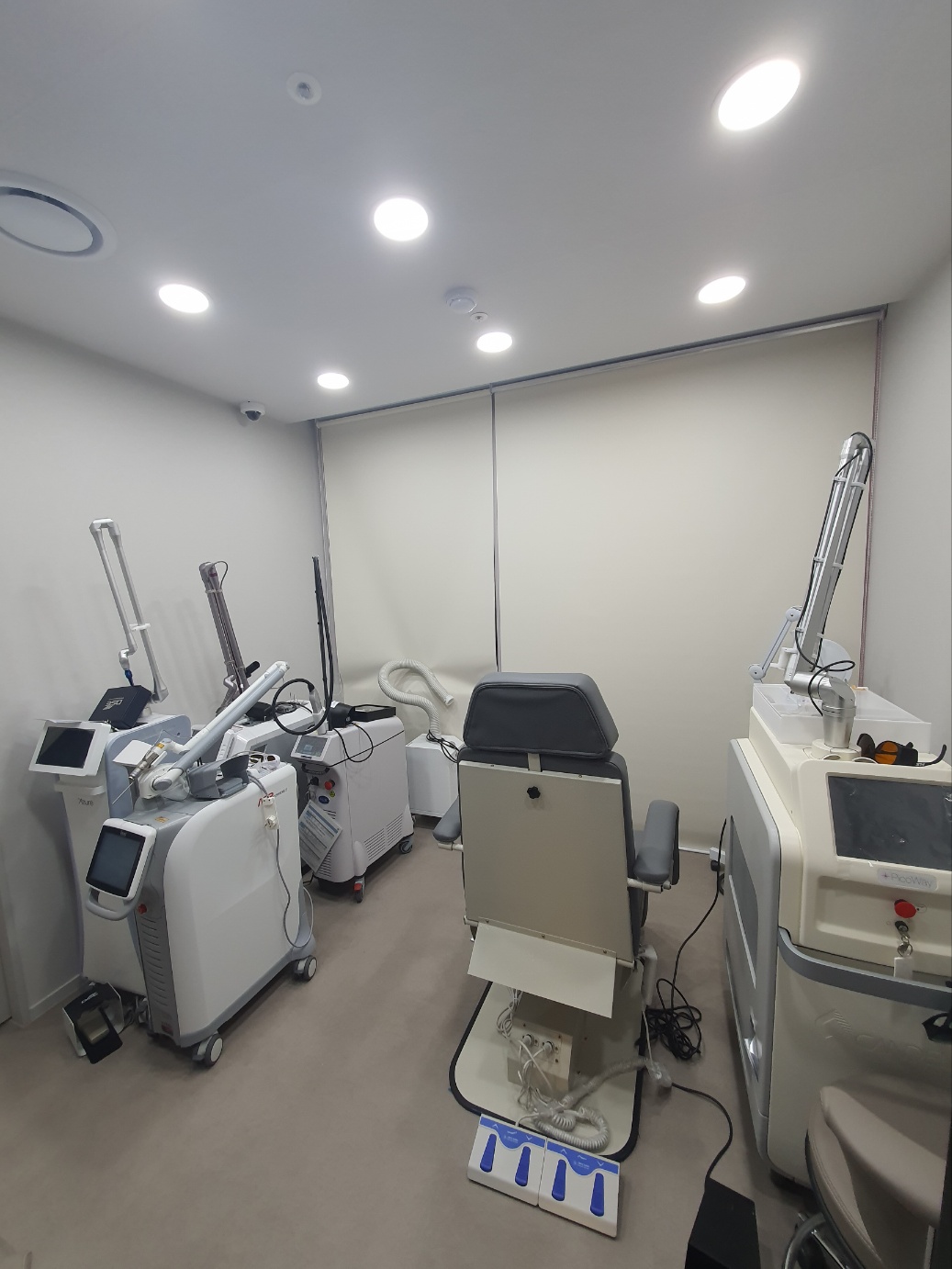
Advanced pigmentation laser treatment is a sophisticated medical procedure that uses specific wavelengths of light to target excess melanin and restore skin clarity. As with any medical procedure, individual results may vary, and potential side effects such as temporary redness or swelling can occur. In this guide, I will share my insights on how we utilize modern laser science to achieve facial harmony while prioritizing the health and unique needs of your skin.
Understanding Advanced Pigmentation Laser Treatment and Skin Science
Advanced pigmentation laser treatment is defined by the use of selective photothermolysis to isolate and break down unwanted pigment without damaging the surrounding skin layers. By understanding the depth and concentration of melanin, dermatologists can select the appropriate energy settings to address various types of discoloration, ranging from sunspots to complex melasma.
The Principles of Selective Photothermolysis in Modern Dermatology
Advanced pigmentation laser treatment relies heavily on the foundational principle of selective photothermolysis, a concept that allows us to treat specific targets within the skin. This process involves the delivery of light energy at precise wavelengths, such as 532nm for superficial lesions and 1064nm for deeper dermal issues, which are absorbed by melanin chromophores. At LUNN, we utilize picosecond technology to generate a photoacoustic effect rather than a purely thermal one. This approach shatters pigment into microscopic fragments that the body’s immune system can naturally clear over time. By reducing heat accumulation in the surrounding tissue, we can minimize the risk of post-inflammatory hyperpigmentation. It is important to note that while this technology is highly precise, individual results vary based on the metabolic rate of the patient and the biological stability of the pigment. A thorough clinical assessment is required to determine the appropriate energy parameters for each session.
Defining Different Types of Pigmentation from Melasma to Sunspots
Identifying the specific nature of a pigmentary lesion is the first step toward effective treatment. Common concerns include solar lentigines, often called sunspots, and melasma, which is frequently influenced by hormonal changes and UV exposure. At LUNN, we categorize these lesions by their depth within the epidermis or dermis. Superficial spots like freckles often respond quickly to wavelengths like 755nm, whereas melasma requires a more cautious, low-energy approach to avoid triggering further darkening. We often observe that a significant number of patients presenting with pigmentation have a combination of both superficial and deep-seated melanin. This complexity means that a single session is rarely enough to achieve a uniform skin tone. Instead, a series of treatments spaced at appropriate intervals is typically recommended to manage the layers of pigment effectively. Patients should understand that melasma, in particular, is a chronic condition that may require long-term maintenance rather than a one-time solution.
Why a Multi-Layered Approach is Essential for Clearer Skin
Clearer skin is rarely achieved by treating only the visible surface; a multi-layered approach is essential to address the underlying structures of the skin. Pigmentation often resides at different depths, and focusing solely on the epidermis may leave deeper dermal pigment untouched, leading to recurrence. At LUNN, our strategy involves addressing the entire skin architecture, from the stratum corneum to the deep dermis. We combine different laser modalities to ensure that every layer is stimulated appropriately for regeneration. Clinical experience suggests that addressing vascular components and skin barrier health alongside melanin can improve the longevity of clear skin results. By integrating treatments that promote collagen synthesis, we not only fade spots but also improve the overall texture and light-reflective properties of the face. This holistic view ensures that the transition between treated and untreated areas remains natural, avoiding the "patchy" look sometimes associated with localized treatments. Achieving this balance requires a deep understanding of skin physiology and customized planning.
Technological Innovations in Non-Invasive Skin Refinement
Non-invasive skin refinement technologies, including advanced fractional resurfacing, represent a significant advancement in how we treat texture and pigment simultaneously. These innovations focus on maximizing patient comfort and minimizing recovery time while delivering clinical-grade results through controlled energy delivery and fractional techniques.
The Role of Fractional Laser Skin Treatment in Rejuvenation
Advanced fractional laser skin treatment represents a significant leap forward in resurfacing technology. Unlike traditional ablative lasers that remove the entire top layer of skin, these systems create microscopic treatment zones, leaving islands of healthy tissue in between to accelerate the healing process. At LUNN, we use this technology to address both pigmentation and fine lines, as the controlled micro-injuries stimulate the body’s natural wound-healing response. This results in the production of new collagen and elastin fibers, which are vital for a firm and radiant complexion. Most patients experience mild erythema for a short period, a significant improvement over the weeks of downtime required by older systems. While fractional technology is highly effective for refining skin texture, it is important to manage expectations regarding deep-seated scars or severe hyperpigmentation, which may require a combined approach with other energy-based devices to achieve the desired level of facial harmony and refinement.
Comparing Conventional Laser Toning versus Advanced Picosecond Technology
For many years, conventional laser toning using nanosecond pulses was the standard for treating dullness and minor spots. However, advanced picosecond technology has transformed the field by delivering energy in trillionths of a second. This shorter pulse duration allows for high peak power with less heat diffusion, making it a safer option for various skin tones who are sensitive to thermal injury. In our experience at LUNN, picosecond lasers can achieve efficient clearance compared to the more frequent sessions often required by older nanosecond systems. By optimizing the treatment plan, we aim to minimize the cumulative stress on the skin barrier. However, patients should be aware that even with advanced technology, the risk of temporary redness or swelling remains, and strict adherence to post-care protocols is necessary. Selecting between these modalities depends on the specific pigment density and the patient's lifestyle requirements for downtime and recovery speed.
Non-Invasive Skin Tightening Technology for Improved Texture
Achieving true facial harmony often requires more than just removing spots; it involves improving the structural integrity of the skin through non-invasive tightening technology. Devices that utilize radiofrequency or high-intensity focused ultrasound can complement pigment lasers by lifting and firming the underlying tissue. When the skin is taut and smooth, light reflects more evenly, making the results of pigmentation treatments appear more pronounced and vibrant. At LUNN, we often integrate these tightening procedures into a broader customized skin care program. These treatments work by delivering appropriate thermal energy to the deep dermis, which triggers immediate collagen contraction and long-term remodeling. While these procedures are generally well-tolerated, some patients may experience a slight stinging sensation or temporary edema. Combining tightening with pigment lasers allows us to address the three-dimensional aspects of aging, ensuring that the skin not only looks clearer but also feels firmer and more youthful, reflecting a balanced and refined appearance.
Customized Treatment Strategies at an Apgujeong Rodeo Dermatology Clinic
Customized treatment strategies at LUNN are built on the belief that every patient requires a unique roadmap to achieve facial harmony. By combining advanced diagnostics with a dermatologist-led design process, we create programs that address individual skin sensitivity, ethnic background, and specific aesthetic goals.
Developing a Customized Skin Care Program for International Patients
International patients often present with unique skin challenges related to varying climates, ethnicities, and previous treatments. Developing a customized skin care program at LUNN involves a detailed analysis of these factors to ensure safety and efficacy. We begin with a precise visual diagnosis and professional skin assessment that evaluates pigment depth and vascularity, allowing us to tailor the laser parameters to the patient’s specific needs. For those traveling from abroad, we often design condensed yet effective protocols that maximize results within a limited timeframe. This might include combining laser toning with specialized skin boosters to enhance the skin’s resilience and hydration levels. It is crucial to account for the patient's local environment, as post-laser care in a humid tropical climate differs significantly from care in a dry, cold one. By providing detailed, individualized guidance and flexible scheduling, we help our international clientele achieve a refined, harmonious look that respects their skin’s biological diversity and their personal travel constraints.
Integrating Dermatologist-Led Facial Design for Natural Harmony
Facial harmony is not merely the absence of imperfections but the presence of balance and proportion across all features. At LUNN, we practice dermatologist-led facial design, which means we look at the face as a whole rather than focusing on a single spot or wrinkle. When treating pigmentation, we consider how the clearance of certain areas will affect the overall perception of facial shadows and light. For instance, removing dark circles or melasma around the eyes can significantly brighten the entire expression, but it must be done in a way that blends seamlessly with the surrounding skin tone. We use a combination of precise laser work and subtle volume adjustments to create a natural, refreshed appearance. This approach prevents the "over-treated" look that can occur when procedures are performed in isolation. By meticulously planning the placement and intensity of each treatment, we ensure that the results enhance the patient’s natural beauty while maintaining the subtle nuances that make their face unique.
Facial Volume Restoration with Fillers to Complement Pigment Care
Loss of facial volume can create shadows that mimic the appearance of pigmentation, making the skin look duller than it actually is. To complement our laser treatments, we often recommend facial volume restoration using hyaluronic acid fillers. By restoring volume to the cheeks or under-eye hollows, we can eliminate these "pseudo-pigments" and create a smoother canvas for the skin. At LUNN, we select fillers that integrate naturally with the skin's own tissues, providing a subtle lift that enhances the effects of our pigmentation lasers. This synergy between volume and color correction is a key component of our facial harmony philosophy. While fillers provide immediate results, patients should be mindful of potential side effects such as temporary bruising or minor asymmetry, which are typically manageable during follow-up visits. By addressing both the color and the contour of the face, we provide a more comprehensive rejuvenation that addresses the multi-faceted nature of the aging process, leading to a balanced and refined outcome.
Comparison of Advanced Pigmentation Treatment Modalities
Choosing the right treatment modality requires a clear comparison of available technologies and their specific indications. The following table provides a neutral overview of how different laser systems address various skin concerns at LUNN.
| Technology Type | Target Depth | Primary Mechanism | Typical Sessions | Expected Recovery |
|---|---|---|---|---|
| Q-Switched Laser | Superficial/Deep | Photothermal | 5 - 10 | 1 - 3 Days |
| Picosecond Laser | Deep Dermal | Photoacoustic | 3 - 5+ | 24 Hours |
| Advanced Fractional | Multi-Layer | Skin Resurfacing | Varies | 2 - 5 Days |
| IPL (Broadband) | Superficial | Broad Spectrum | 3 - 5 | Minimal |
Comparative Analysis of Laser Wavelengths and Their Efficacy
The efficacy of advanced pigmentation laser treatment depends largely on matching the correct wavelength to the target pigment. For example, the 532nm wavelength is highly absorbed by melanin but has shallow penetration, making it ideal for superficial freckles and sunspots. Conversely, the 1064nm wavelength penetrates deeper into the dermis, which is necessary for treating conditions like Nevus of Ota or deep-seated melasma. At LUNN, we often use a combination of these wavelengths in a single session to address multi-depth pigmentation. Furthermore, the 755nm wavelength offers a balanced profile that is highly effective for a wide range of epidermal and dermal lesions. Understanding these nuances allows us to maximize clearance while minimizing the risk of adverse effects like hypopigmentation. While modern lasers are highly sophisticated, the skill of the operator in choosing the right wavelength remains the most critical factor in achieving a safe and successful outcome for each unique skin profile.
Synergy Between Specialized Skin Booster Injections and Laser Therapy
We have found that the synergy between specialized skin booster injections and laser therapy significantly enhances the overall quality of the skin. Laser treatments can sometimes leave the skin temporarily dry or sensitive, and skin boosters—which typically contain hyaluronic acid, amino acids, and polynucleotides—provide the necessary hydration and nutrients for rapid recovery. At LUNN, we often administer these boosters immediately following a laser session to take advantage of the increased skin permeability. This combination not only speeds up the healing process but also amplifies the brightening effect of the laser by improving the skin’s internal moisture levels. Patients often report that their skin feels more supple and looks more radiant when these two modalities are combined. It is important to remember that skin boosters require multiple micro-injections, which may cause temporary bumps or bruising. However, when integrated into a customized skin care program, they offer a powerful way to achieve deep-seated skin health and long-term facial harmony.
Selecting the Optimal Procedure Based on Individual Skin Sensitivity
Selecting the optimal procedure is not just about the type of pigment but also about the patient's individual skin sensitivity and barrier function. At LUNN, we perform a thorough state analysis for patients with reactive skin to ensure that the laser settings do not cause excessive irritation. For those with a compromised skin barrier, we may prioritize restorative treatments like A Specialist's 2026 Guide to Korean Medical Grade Skin Care: Refining the Details for Facial Harmony before proceeding with intensive laser therapy. This staggered approach ensures that the skin is healthy enough to handle the energy delivery and can recover efficiently. We also consider the patient's history of keloids or post-inflammatory hyperpigmentation when selecting between thermal and acoustic laser systems. By prioritizing safety and skin health, we can achieve sustainable results that enhance the natural beauty of the face without causing unnecessary stress to the tissue. Every decision is made with the goal of creating a balanced, harmonious appearance that reflects the patient’s internal vitality.
Safety Standards and Clinical Expectations for Laser Procedures
Maintaining high safety standards is paramount for any advanced pigmentation laser treatment. Understanding the potential risks and having realistic expectations regarding the timeline for results ensures a positive and safe experience for every patient at LUNN.
Managing Potential Side Effects such as Erythema and Temporary Swelling
While advanced pigmentation laser treatment is generally safe, it is common for patients to experience temporary side effects such as erythema (redness) and swelling. These reactions are a normal part of the skin’s response to laser energy and typically subside within a short period. At LUNN, we provide specific post-treatment cooling protocols and soothing creams to manage these symptoms and ensure patient comfort. In some cases, superficial crusting or darkening of the spots may occur before they eventually flake off; this is a sign that the pigment has been successfully targeted. Rare but more serious side effects can include blistering or permanent color changes if the settings are not perfectly adjusted for the patient's skin type. This is why a thorough consultation and a dermatologist-led approach are essential. By following our detailed aftercare instructions, such as avoiding vigorous exercise and heat exposure for a few days, patients can significantly reduce the risk of complications and support the skin’s natural healing process.
Realistic Timelines for Visible Results and Maintenance Intervals
One of the most important aspects of advanced pigmentation laser treatment is having realistic expectations regarding the timeline for results. Pigment clearance is a gradual process that involves the body’s own immune system, and most patients will not see significant changes immediately after the first session. Typically, initial improvements become visible after several sessions, depending on the depth and type of the pigment. At LUNN, we emphasize the importance of consistency and patience. Maintenance intervals are usually scheduled at appropriate intervals to allow the skin to regenerate between treatments. For chronic conditions like melasma, long-term maintenance sessions may be necessary to prevent new pigment from forming. We track progress through meticulous clinical observation and adjust the treatment plan as needed. By understanding that skin refinement is a journey rather than a quick fix, patients can achieve a more stable and harmonious outcome that lasts for years to come.
Post-Procedure Protocols for Long-Term Skin Health
Long-term skin health following a laser procedure is heavily dependent on strict adherence to post-procedure protocols, particularly sun protection. UV exposure is the primary cause of new pigmentation and can reverse the results achieved through advanced laser therapy. At LUNN, we recommend using a broad-spectrum sunscreen with at least SPF 30 daily, even on cloudy days. Additionally, incorporating antioxidants like Vitamin C and repair-focused ingredients like ceramides can help maintain the skin barrier and enhance the brightening effects of the laser. We also suggest avoiding harsh chemical exfoliants for a specified period following a session to prevent irritation. Consistent hydration and a healthy lifestyle also play a vital role in how the skin reflects light and maintains its clarity. By viewing the laser treatment as part of a larger A Specialist's 2026 Guide to a Personalized Facial Design at LUNN in Seoul, patients can enjoy a radiant, harmonious complexion that remains resilient against the signs of aging and environmental damage.
For more information on comprehensive care, you may also review our Dermatologist's 2026 Guide to Pigment and Redness Laser Therapy: Achieving Facial Harmony at LUNN.
Key Takeaways
- Selective Targeting: Advanced lasers like picosecond systems use 532nm and 1064nm wavelengths to shatter pigment with minimal thermal damage to surrounding skin.
- Customized Care: Successful results require a multi-layered approach and a dermatologist-led facial design that accounts for skin depth and individual sensitivity.
- Realistic Expectations: Significant clearance typically requires multiple sessions at appropriate intervals, as the body needs time to clear fragmented pigment.
- Safety First: Common side effects include temporary redness and swelling, which usually resolve within 48 hours when proper post-care protocols are followed.
- Sun Protection: Daily use of broad-spectrum SPF is essential to maintain results and prevent the formation of new pigmentation over time.
Frequently Asked Questions
Q. What is advanced pigmentation laser treatment and how does it work?
Advanced pigmentation laser treatment uses specific wavelengths of light to target excess melanin in the skin without damaging surrounding tissue. This process, known as selective photothermolysis, breaks down pigment particles which are then naturally cleared by the body's immune system. At LUNN, we use picosecond technology to shatter these particles into even smaller fragments for more efficient clearing.
Q. How many sessions are typically required to see results for melasma?
The number of sessions varies depending on the depth and type of pigmentation. While some patients notice improvement after a few sessions, deeper melasma often requires a longer, customized skin care program to achieve fading without causing irritation. Consistency in treatment intervals is key to managing this chronic condition effectively.
Q. Is there significant downtime after an advanced fractional laser treatment?
Most advanced non-invasive laser treatments involve minimal downtime. Patients may experience mild redness or slight swelling for a few hours to a couple of days (typically 24 to 48 hours), but typical daily activities can usually be resumed immediately after leaving the clinic. We provide soothing aftercare protocols to ensure a comfortable recovery.
Q. Can laser treatments completely remove all skin spots forever?
While lasers can significantly fade or remove existing spots, new pigmentation can form due to UV exposure or hormonal changes. Long-term results require consistent sun protection and maintenance treatments to preserve a clear complexion. It is best to view these treatments as part of a long-term skin health strategy.
Q. What are the common side effects of advanced laser therapy?
Common side effects include temporary redness, slight stinging during the procedure, and minor swelling. In rare cases, post-inflammatory hyperpigmentation or crusting may occur, which is why a thorough consultation with a dermatologist-led team is vital to adjust settings for your specific skin type. Following post-care instructions greatly minimizes these risks.
Q. How does a customized skin care program in Seoul differ from standard treatments?
A customized program at LUNN involves a detailed analysis of skin layers and facial harmony using professional diagnostics. Rather than a one-size-fits-all approach, we combine different technologies like fractional lasers, picosecond lasers, and skin boosters to address the unique texture and pigment concerns of each patient. This ensures both safety and a natural-looking result.
Q. Is laser treatment safe for darker skin tones?
Yes, but it requires specialized equipment and expertise to avoid thermal damage. Advanced lasers with adjustable pulse durations, such as picosecond technology, allow for safer treatment of darker skin by minimizing heat buildup and focusing on photoacoustic effects. It is crucial to seek a dermatologist-led design to ensure the correct parameters are used for both safety and efficacy.
LUNN / Dr. Hyung-kwon Park For more clinical insights, follow us on Threads @dr.lunn
FAQ
- What is advanced pigmentation laser treatment and how does it work?
- Advanced pigmentation laser treatment uses specific wavelengths of light to target excess melanin in the skin without damaging surrounding tissue. This process, known as selective photothermolysis, breaks down pigment particles which are then naturally cleared by the body's immune system. At lunnclinic, we use picosecond technology to shatter these particles into even smaller fragments for more efficient clearing.
- How many sessions are typically required to see results for melasma?
- The number of sessions varies depending on the depth and type of pigmentation. While some patients notice improvement after 3 to 5 sessions, deeper melasma often requires a longer, customized skin care program to achieve significant fading without causing irritation. Consistency in treatment intervals is key to managing this chronic condition effectively.
- Is there significant downtime after a Re2O laser skin treatment?
- Most advanced non-invasive laser treatments, including Re2O, involve minimal downtime. Patients may experience mild redness or slight swelling for a few hours to a couple of days (typically 24 to 48 hours), but typical daily activities can usually be resumed immediately after leaving the clinic. We provide soothing aftercare protocols to ensure a comfortable recovery.
- Can laser treatments completely remove all skin spots forever?
- While lasers can significantly fade or remove existing spots, new pigmentation can form due to UV exposure or hormonal changes. Long-term results require consistent sun protection and maintenance treatments to preserve a clear complexion. It is best to view these treatments as part of a long-term skin health strategy.
- What are the common side effects of advanced laser therapy?
- Common side effects include temporary redness, slight stinging during the procedure, and minor swelling. In rare cases, post-inflammatory hyperpigmentation or crusting may occur, which is why a thorough consultation with a dermatologist-led team is vital to adjust settings for your specific skin type. Following post-care instructions greatly minimizes these risks.
- How does a customized skin care program in Seoul differ from standard treatments?
- A customized program at lunnclinic involves a detailed analysis of skin layers and facial harmony using high-resolution diagnostics. Rather than a one-size-fits-all approach, we combine different technologies like Re2O, picosecond lasers, and skin boosters to address the unique texture and pigment concerns of each patient. This ensures both safety and a natural-looking result.
- Is laser treatment safe for darker skin tones?
- Yes, but it requires specialized equipment and expertise to avoid thermal damage. Advanced lasers with adjustable pulse durations, such as picosecond technology, allow for safer treatment of darker skin by minimizing heat buildup and focusing on photoacoustic effects. It is crucial to seek a dermatologist-led design to ensure the correct parameters are used for both safety and efficacy.