
Post
Dermatologist's 2026 Guide to Pigment and Redness Laser Therapy: Achieving Facial Harmony at LUNN
Hello, I am Dr. Hyung-kwon Park, a dermatologist and the director of LUNN. In my practice, advanced pigment and redness laser therapy is not just about using a device; it is a meticulous process of "Refining the Details" to correct irregularities such as sun spots, rosacea, and broken capillaries.
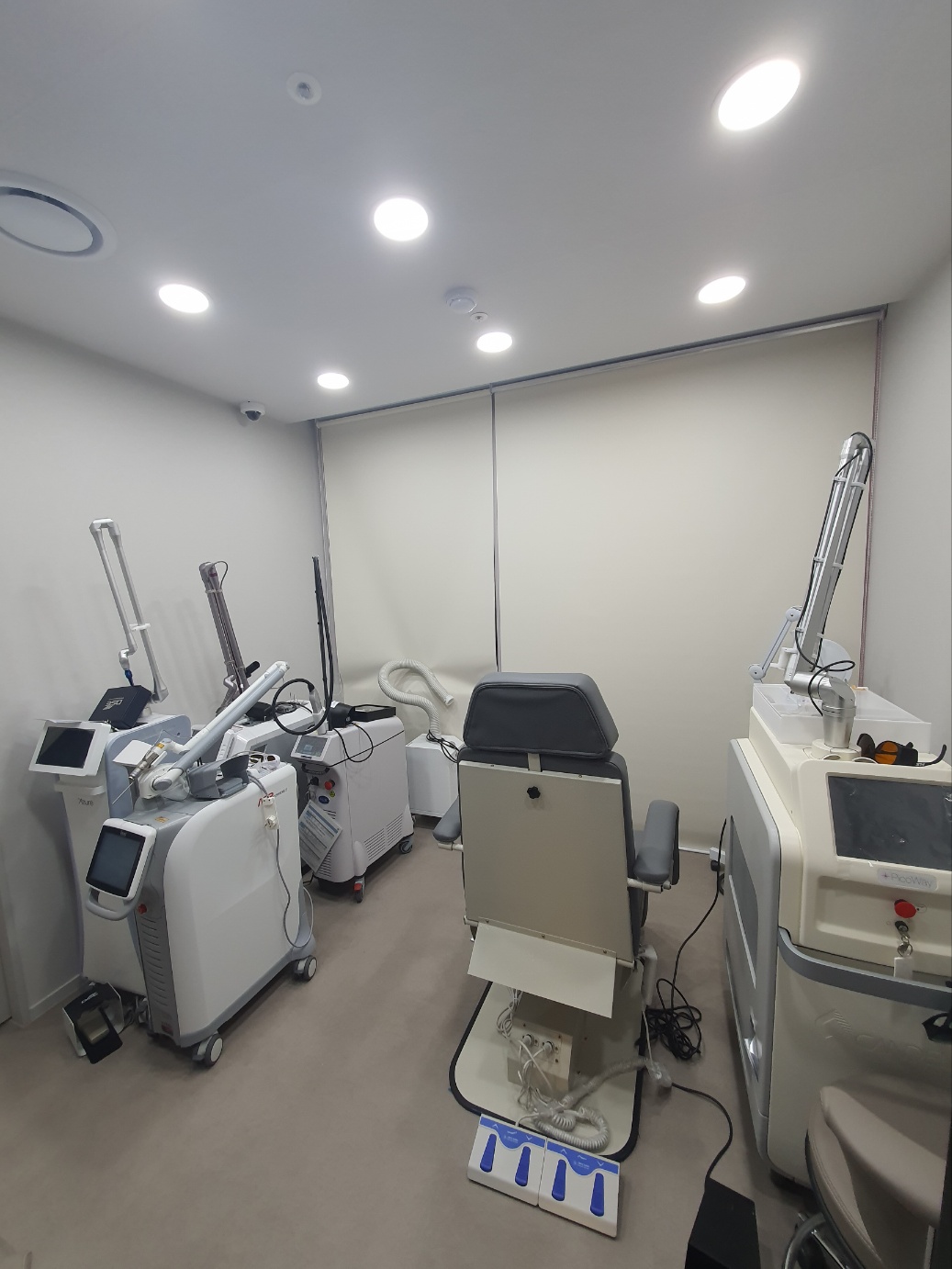
I focus on specialized protocols that help patients achieve a clearer, more balanced skin tone through evidence-based treatments tailored to individual facial structures and aging patterns.
Understanding Advanced Pigment and Redness Laser Technologies
Advanced pigment and redness laser technology refers to medical-grade devices that utilize specific wavelengths of light to target chromophores like melanin and hemoglobin. At LUNN, these technologies are employed to address multi-layered skin concerns, ranging from superficial freckles to deep-seated vascular redness. By delivering energy that selectively destroys target cells while preserving the health of surrounding tissues, we prioritize the overall integrity of the skin barrier.
What is Advanced Pigment and Redness Laser Therapy?
Advanced Pigment and Redness Laser Therapy represents a sophisticated evolution in dermatological care, focusing on the selective photothermolysis of chromophores within the skin. At LUNN, this modality is utilized to address a variety of aesthetic concerns, including solar lentigines, telangiectasia, and post-inflammatory erythema. By delivering specific wavelengths of light, the laser energy is absorbed by either melanin in pigmented lesions or hemoglobin in dilated blood vessels, converting into thermal energy that gently breaks down these targets without damaging the overlying epidermis.
In my clinical experience, while some superficial pigments may respond significantly after initial sessions, I always emphasize that individual results vary based on skin type and the depth of the lesion. Potential side effects such as temporary redness, swelling, or mild crusting may occur. This technology allows for a high degree of precision, which is a critical factor in maintaining a natural and harmonious complexion.
How Dual-Action Laser Energy Targets Discoloration
Dual-action laser systems function by employing multiple wavelengths to address different depths and types of skin discoloration simultaneously. In the clinical environment of LUNN, this approach is particularly effective for patients presenting with complex conditions where brown spots and red vessels overlap. The laser pulses allow for a mechanical or thermal breakdown of pigment particles into smaller fragments that the body's lymphatic system can naturally clear over several weeks.
Multiple sessions are typically required to achieve substantial clearance, as vascular issues and deep pigments require a gradual, progressive approach. Because the energy is precisely targeted, patients often experience manageable discomfort, making it a viable option for those who require a treatment that balances efficacy with safety and a controlled recovery period.
Precision Energy for Skin Restoration and Harmony
At LUNN, we believe that the success of a treatment lies in the "layer-by-layer" design rather than the equipment alone. This technology creates controlled energy zones in the skin, which triggers the body's natural healing response to improve skin quality. I often recommend customized laser protocols for patients seeking to refine their skin surface while simultaneously addressing minor pigmentation issues.
By adjusting the density and depth of the laser beams based on an anatomical analysis, we can customize the treatment to address specific areas of concern, such as fine lines or enlarged pores. In my practice, I have observed that gradual improvement in skin firmness and clarity occurs over several months following professional treatment. While results are long-lasting, individual factors such as sun exposure and genetics will influence the duration of the visible aesthetic improvements.
Comprehensive Comparison: Pigment Correction vs. Vascular Redness Treatments
Skin correction modalities are categorized by their primary target, with pigment correction focusing on melanin and vascular treatments targeting hemoglobin within the blood vessels. Understanding the distinction between these two approaches is essential for developing a treatment plan at LUNN that addresses the root cause of facial disharmony.
Comparative Analysis of Laser Modalities for Facial Harmony
When evaluating different laser modalities, it is crucial to consider how each technology interacts with the skin's unique biological markers. Pigment-specific lasers are designed to shatter dark spots into microscopic debris, whereas vascular lasers focus on heating the vessel walls to cause collapse. At LUNN, a combination of these modalities is frequently used to ensure that all aspects of facial discoloration are addressed in a single, cohesive plan.
In my clinical experience, combining different wavelengths can lead to higher patient satisfaction for multi-faceted skin issues, as it addresses multiple layers of the skin simultaneously. This integrated strategy requires a deep understanding of skin physics to avoid overheating the tissue, ensuring that the patient achieves a natural result without the risk of post-inflammatory hyperpigmentation which can occur with improper settings.
Addressing Persistent Redness and Melasma Simultaneously
Treating both vascular redness and hormonal pigmentation like melasma requires a cautious and highly calibrated approach. Melasma, in particular, can be exacerbated by excessive heat, making the use of low-energy, tailored protocols at LUNN a preferred choice for long-term management. By simultaneously addressing the underlying vascular components that often coexist with melasma lesions, we can provide a more comprehensive solution that reduces the likelihood of rapid recurrence.
This nuanced method prioritizes skin stability and barrier health, often incorporating cooling technologies to protect the epidermis. While complete clearance of melasma is rare due to its chronic nature, a well-structured laser program can significantly diminish the visibility of patches and improve the overall uniformity of the skin tone over several months of consistent professional care.
Non-Invasive Skin Tightening Technology Integration
Integrating skin tightening technologies alongside pigment and redness lasers allows for a comprehensive rejuvenation that addresses both color and structural integrity. At LUNN, devices like Thermage, Ultherapy, or ONDA are often used in sequence with laser therapy to improve skin elasticity while the lasers clear the surface complexion. This synergy is based on the principle that a clear skin tone is most impactful when supported by firm, youthful contours.
Combined energy-based treatments work together to resolve multiple signs of aging at different skin depths. The tightening aspect typically involves heating the dermal layers or targeting the SMAS layer to contract existing collagen fibers and prompt new formation. When performed with precision, this dual-layered approach creates a harmonious result that looks natural and revitalized without the need for invasive intervention.
| Treatment Goal | Primary Technology | Typical Session Count | Target Chromophore | Key Benefit |
|---|---|---|---|---|
| Pigment Removal | Advanced Laser Modalities | Varies by condition | Melanin | Shatters dark spots |
| Redness Reduction | Vascular Focused Laser | Varies by condition | Hemoglobin | Coagulates vessels |
| Skin Tightening | Thermage / Ultherapy | Personalized Plan | Dermal Collagen/SMAS | Enhanced elasticity |
| Synergy Care | Multi-platform / Skin Boosters | Personalized Plan | Combined | Comprehensive harmony |
Customized Skin Care Program at LUNN: The Dermatologist-Led Approach
A customized skin care program is a structured medical regimen designed by a specialist to address the unique biological needs of each patient. At LUNN, every treatment begins with a thorough diagnostic phase where I personally analyze muscle thickness, wrinkle depth, and fat distribution to ensure a "perfect harmony."
Why Individualized Facial Design Matters for Natural Results
Individualized facial design is the practice of analyzing the specific proportions and skin variations of a patient to create a treatment map. At LUNN, this process ensures that laser applications are a tailored intervention that respects the delicate balance of the face. For instance, treating redness around the nose requires a different energy density than treating pigment on the cheeks to avoid an uneven appearance.
Clinical experience shows that a one-size-fits-all approach often fails to address the underlying complexities of skin aging. By focusing on the 1mm details that define a person's look, we can achieve a subtle yet transformative improvement. This level of precision is essential for patients who seek high-end medical aesthetics in Seoul, where the standard for natural facial harmony is exceptionally high.
Combining Premium Skin Booster Injections with Laser Therapy
The combination of premium skin boosters and laser therapy creates a synergistic effect that supports the recovery process and enhances the final result. At LUNN, injections containing polynucleotides (PN) or hyaluronic acid are often administered to provide the skin with essential building blocks. Laser treatments create temporary micro-stimulation that can increase the skin's receptivity to these substances.
In my practice, I have observed that patients who incorporate skin boosters into their laser protocol may see a more noticeable improvement in skin hydration and barrier resilience. This approach not only addresses surface-level discoloration but also improves the internal health of the skin. By fortifying the skin from within, boosters help sustain the results of the laser treatment and protect against environmental stressors.
Protocol for Skin Texture Refinement and Pore Reduction
Refining skin texture and reducing pore size requires a multi-layered protocol that targets both the epidermal surface and deeper dermal structures. At LUNN, this involves specialized laser settings that deliver pulses of energy to stimulate cellular turnover and support the collagen matrix. When pores are dilated due to loss of elasticity, a combination of thermal stimulation and medical-grade care is necessary to restore a smooth finish.
Patients are advised that while significant improvement is possible, maintaining these results requires a dedicated skincare routine and periodic maintenance sessions to counteract the ongoing natural aging process. Our goal is to create a refined canvas that reflects light evenly, enhancing the overall glow of the face.
A Specialist's 2026 Guide to a Personalized Facial Design at LUNN in Seoul
Post-Treatment Care and Long-Term Skin Maintenance
Post-treatment care involves specific instructions designed to protect the skin while it recovers. At LUNN, we emphasize that the success of any procedure is heavily dependent on adherence to professional maintenance strategies to prevent recurrence and ensure long-term health.
Managing Recovery: Minimal Downtime Expectations
Managing recovery after a laser session is generally straightforward at LUNN, as we use precision cooling and customized settings. Most patients experience mild redness or slight swelling that typically subsides within a few hours. For certain pigment treatments, the targeted spots may darken temporarily before naturally flaking off within a week; it is vital not to rush this process with physical exfoliation.
It is essential to keep the treated area hydrated and protected from direct heat, such as saunas, for at least one week to prevent irritation. While most individuals return to daily activities immediately, following post-care instructions is the most effective way to avoid rare complications like temporary pigment changes or minor blistering.
Strategies for Preventing Pigment Recurrence
Preventing the recurrence of pigment requires a proactive approach centered on sun protection. At LUNN, we educate patients on the importance of broad-spectrum SPF, as UV rays can re-trigger melanin production. Incorporating antioxidants into the daily routine can help neutralize free radicals that contribute to pigment formation.
In my clinical observations, patients who strictly follow a sun protection regimen significantly reduce the likelihood of sun-induced spots returning. Additionally, managing triggers for redness, such as extreme temperature changes, can help maintain a calm complexion. Consistent professional check-ups allow for early intervention if new spots surface, preserving your investment in your skin.
Professional Medical Skin Care for Sustained Clarity
Sustained skin clarity is best achieved through a partnership between the patient and their dermatologist. At LUNN, we provide guidance on selecting medical skincare containing concentrated active ingredients such as retinoids and ceramides, which are essential for maintaining structural integrity. These products are formulated to work synergistically with the physiological changes induced by lasers.
Treating skin health as an ongoing journey rather than a one-time event ensures a lasting glow. Regular medical-grade care can be integrated into your yearly schedule to clear away dullness and support continuous renewal. This comprehensive approach reflects the high standard of care provided at our Seoul-based clinic, supporting a youthful and harmonious appearance.
A Specialist's 2026 Guide to Anti-Aging Laser Synergy and Facial Harmony at LUNN Clinic
Frequently Asked Questions
Q. What should I expect during an advanced pigment and redness laser session?
During the procedure at LUNN, you may feel a mild warming sensation or a slight snapping feeling. Most patients find the experience manageable. We prioritize your comfort through precision cooling and customized energy settings tailored to your skin's sensitivity. A typical session takes between 15 to 30 minutes.
Q. How many sessions are typically required for visible results?
While some patients notice a brighter complexion after a single visit, multiple sessions are often recommended for significant vascular and pigment clearance. This allows the body to gradually process the pigments and for the skin to stabilize. The exact number of sessions depends on your individual skin condition and goals.
Q. Is there any downtime associated with these advanced laser treatments?
Most of our treatments are designed for minimal downtime. You might experience temporary mild redness or slight swelling for a few hours, which usually subsides quickly. In specific cases, treated pigments may darken temporarily before naturally flaking off within a week.
Q. Can advanced lasers treat both rosacea and age spots at the same time?
Yes, dual-wavelength systems can target the hemoglobin associated with redness and the melanin in dark spots simultaneously. We design a customized program at LUNN to address these multi-layered concerns in one session, ensuring a more uniform skin tone.
Q. What are the potential side effects of pigment lasers?
Common side effects include temporary redness, dryness, or minor swelling immediately after the procedure. Rare complications such as blistering or post-inflammatory hyperpigmentation can occur if post-care instructions, especially sun protection, are not followed. A dermatologist-led plan is essential for minimizing these risks.
Q. Is this treatment suitable for international patients visiting Gangnam?
Absolutely. LUNN is a medical aesthetic clinic in Seoul that welcomes international patients. We offer consultations that respect your travel schedule while ensuring safe and effective results through precise technology and professional diagnosis.
Q. Can I combine pigment lasers with lifting treatments or skin boosters?
Yes, combining laser therapy with lifting treatments like Ultherapy or Thermage, as well as skin boosters, can enhance overall facial harmony. We sequence these treatments to address both the skin surface and structural integrity. I will determine the safest timing and sequence for your personalized facial design.
Key Takeaways
- Advanced lasers target melanin and hemoglobin with precision; multiple sessions are personalized to your skin's needs.
- LUNN utilizes a dermatologist-led approach, with Dr. Hyung-kwon Park personally designing every treatment plan.
- Minimal downtime is expected, with most redness resolving within a few hours of treatment.
- Synergy between laser therapy, lifting technologies, and skin boosters can significantly enhance facial harmony.
- Consistent sun protection and medical-grade skincare are essential for maintaining results and preventing recurrence.
Refining the Details. Achieving Perfect Harmony. For inquiries or to schedule a consultation regarding advanced laser treatments, please contact us at 02-512-7788. You can also follow our insights on Threads @dr.lunn.
LUNN / Dr. Hyung-kwon Park
FAQ
- What should I expect during an advanced pigment and redness laser session?
- During the procedure at lunnclinic, you may feel a mild warming sensation or a slight snapping feeling similar to a rubber band against the skin. Most patients find the experience manageable, and we prioritize comfort through precision cooling and customized energy settings tailored to your skin's sensitivity. The session usually takes between 15 to 30 minutes depending on the size of the treatment area.
- How many sessions are typically required for visible redness reduction?
- While some patients notice a brighter complexion after a single visit, a series of 3 to 5 sessions is often recommended for significant vascular and pigment clearance. This allows the body to gradually process the broken-down pigments and for the treated blood vessels to close completely. Results vary based on the depth of the pigment and the underlying cause of the redness.
- Is there any downtime associated with Re2O laser skin treatment?
- Most advanced laser treatments are designed for minimal downtime, allowing patients to return to their routine quickly. You might experience temporary mild erythema or slight swelling for a few hours, which can be easily covered with light makeup. In specific cases, temporary darkening of treated pigments may occur before they naturally flake off within a week.
- Can advanced lasers treat both rosacea and age spots at the same time?
- Yes, advanced dual-wavelength systems can target the hemoglobin in red blood cells to treat rosacea and the melanin in dark spots simultaneously. We design a customized skin care program at lunnclinic to address these multi-layered concerns in one session. This synergy ensures a more uniform skin tone and improves the overall efficiency of your aesthetic journey.
- What are the potential side effects of advanced pigment lasers?
- Common side effects include temporary redness, dryness, or minor swelling immediately after the procedure. Rare complications such as blistering or post-inflammatory hyperpigmentation can occur if post-care instructions, particularly sun protection, are not strictly followed. This is why a dermatologist-led diagnosis and treatment plan are essential for minimizing risks and ensuring safety.
- Is this treatment suitable for international patients visiting Apgujeong Rodeo?
- Absolutely, as lunnclinic is a preferred Korean medical aesthetic clinic for tourists seeking high-end treatments with efficient protocols. We offer consultations that respect your travel schedule while ensuring safe and effective results through precise technology. Many patients find it convenient to combine their visits with other local experiences in the vibrant Seoul district.
- Can I combine pigment lasers with thread lifting or fillers?
- Yes, combining laser therapy with facial volume restoration or a thread lift in Seoul can enhance overall facial harmony. We often sequence these treatments to first clear the skin tone with lasers and then address structural sagging or volume loss for a complete rejuvenation. Our specialists will determine the safest timing and sequence for your personalized facial design.