
Post
A Dermatologist's Guide to Ulthera and Thermage Combination Benefits: Achieving Structural Harmony at LUNN
Hello, I am Dr. Park Hyungkwon, a board-certified dermatologist at LUNN. As a specialist operating in the heart of Cheongdam and Apgujeong Rodeo, I focus on the philosophy that a 1mm difference completely alters facial harmony. Rather than relying on factory-style, assembly-line procedures, I personally manage the entire clinical process from custom skin analysis to precise energy delivery.
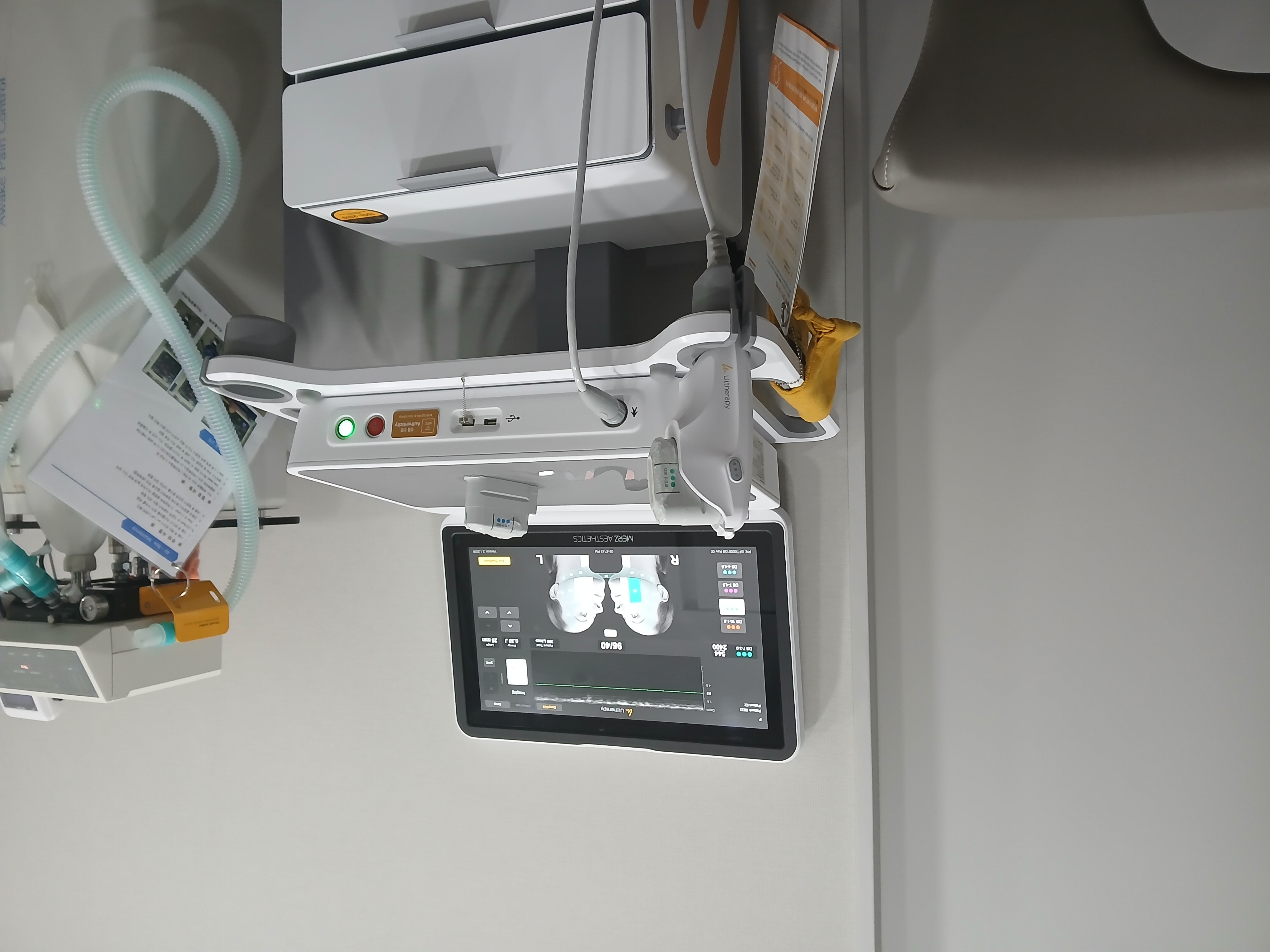
In this specialist guide, we will analyze the evidence-based mechanisms, tissue interactions, and strategic advantages of utilizing combined energy modalities for structural skin rejuvenation in 2026.
1. Understanding the Ulthera and Thermage Combination Therapy
Defining the Synergistic Anti-Aging Approach
The combination of micro-focused ultrasound and monopolar radiofrequency represents a multi-layered, non-surgical intervention designed to address distinct components of structural aging simultaneously. By targeting different physiological depths within the facial soft tissue, this dual-energy approach allows for concurrent volumetric tightening and deep fascial lifting. In my clinical experience at LUNN, addressing the aging process cannot be achieved by treating a single layer of tissue. The skin and its underlying support structures undergo age-related changes across multiple planes, which requires a sophisticated combination of distinct energy modalities to achieve balanced harmony. This dual protocol allows us to systematically erase the shadows caused by structural sagging, creating a natural, refined appearance that aligns with the premium aesthetic standards of Cheongdam.
The Science Behind Combining High-Intensity Focused Ultrasound and Radiofrequency
High-intensity focused ultrasound delivers precise thermal energy to the deep sub-dermal layers, inducing micro-coagulation zones that initiate a wound-healing cascade to lift the foundational architecture. Concurrently, monopolar radiofrequency energy flows uniformly through the upper and mid-dermis, heating the extracellular matrix to cause immediate collagen triple-helix contraction and sustained neocollagenesis. Utilizing both modalities in a single clinical session optimizes tissue responses by stimulating structural proteins across disparate anatomical zones. This collective thermal stimulation induces a more robust tissue remodeling response than sequential single-modality protocols. In our clinical observations at LUNN, maintaining strict control over the energy parameters and internal pulses prevents unwanted thermal overlap while maximizing structural changes. This meticulous approach respects the biological resistance of facial muscles and tissue layers, providing a scientifically grounded path to facial rejuvenation.
2. The Core Benefits of Layer-by-Layer Tissue Rejuvenation
Deep Structural Lifting of the SMAS Layer
Targeting the Superficial Musculoaponeurotic System is critical for correcting structural descent and restoring youthful facial contours without surgical intervention. High-intensity focused ultrasound energy precisely reaches depths of 4.5mm, creating localized thermal pockets that pull the fascial web tight to elevate lax tissue. This foundational stabilization provides the necessary vertical support to re-anchor descending fat pads and minimize the appearance of deep jowls. At LUNN, we focus extensively on this structural layer, ensuring that the energy delivery is tailored to the unique anatomy of each patient. Precision at this depth requires real-time ultrasound imaging to confirm that the thermal energy interacts directly with the fascial system rather than superficial fat layers. This detailed mapping forms the basis of our structural skin philosophy, allowing us to manage sagging contours with excellent accuracy.
Superficial Dermal Tightening and Collagen Regeneration
Restoring density to the superficial dermis is essential for refining skin texture, shrinking enlarged pores, and smoothing fine lines that compromise structural clarity. Monopolar radiofrequency delivers thermal energy up to 3.0mm deep, causing immediate contraction of the existing collagen network while stimulating fibroblasts to synthesize new type I and type III collagen fibers over time. This process enhances the overall elasticity and thickness of the skin matrix, resolving the micro- laxity that causes a tired appearance. In my practice at LUNN, I emphasize that treating the deep structures alone is insufficient if the overlying skin envelope remains thin and depleted. By restoring dermal volume and density, the skin reflects light more evenly, complementing the deeper lifting effects. This layer-by-layer modification ensures comprehensive rejuvenation, enhancing both structural support and surface refinement.
3. Comparing Ulthera and Thermage Technologies
Energy Delivery and Target Depth Comparison Table
To understand the distinct physiological roles of these advanced energy devices, it is helpful to evaluate their technical profiles and primary targets within the soft tissue matrix. The following table provides a neutral comparative overview of the modalities utilized at LUNN.
| Technical Attribute | Micro-Focused Ultrasound (Ulthera) | Monopolar Radiofrequency (Thermage) |
|---|---|---|
| Energy Modality | High-Intensity Focused Ultrasound | Monopolar Radiofrequency |
| Primary Depth | 3.0mm to 4.5mm | 1.5mm to 3.0mm |
| Anatomical Target | SMAS Layer & Deep Dermis | Superficial & Mid Dermis |
| Primary Mechanism | Micro-Coagulation Zones (60–70°C) | Volumetric Bulk Heating (55–65°C) |
| Clinical Focus | Vertical Lifting & Deep Anchoring | Dermal Tightening & Smooth Texture |
| Tissue Response | Fascial Contraction & Re-anchoring | Collagen Matrix Remodeling |
Distinct Roles in Achieving Face and Skin Harmony
Achieving true facial harmony requires understanding that vertical lifting and surface tightening serve separate but complementary clinical purposes. Ultrasound energy acts as the internal structural anchor, fixing the deeper planes, while radiofrequency acts as the smoothing agent that tightens the skin matrix to eliminate fine superficial folds. Combining these technologies prevents the artificial appearance that often occurs when a single modality is overused to compensate for complex, multi-layered tissue laxity. In our customized synergy programs at LUNN, we meticulously plan the energy distribution and delivery patterns for each individual. For instance, an international patient seeking refined anti-aging solutions might require precise ultrasound targeting along the jawline combined with broad radiofrequency coverage across the mid-face. Balancing the intervals and energy settings ensures that both devices work in perfect alignment to optimize patient outcomes.
4. Clinical Considerations, Safety, and Maintenance Protocols
Determining the Ideal Candidate for Dual Therapy
The ideal candidate for this dual-energy protocol is an individual exhibiting mild to moderate tissue laxity, sub-dermal volume depletion, and early structural descent along the jawline or periorbital regions. Individuals seeking preventative structural maintenance or those wishing to avoid the downtime associated with invasive procedures are excellent candidates for this combined approach. At LUNN, every procedure begins with a comprehensive, dermatologist-led skin analysis to map out specific tissue depths and density profiles. It is important to note that individuals with severe tissue descent or extensive subcutaneous fat loss may experience limited outcomes, and a surgical facelift may be required for significant correction. During our initial consultation, we establish clear expectations based on the patient's biological profile, ensuring that the selected energy parameters match their specific anatomical requirements.
Managing Expected Responses, Potential Risks, and Treatment Intervals
Post-procedure responses typically involve mild erythema, localized edema, and transient tenderness along the bony contours of the face, which generally resolve within a few days. While these non-invasive treatments carry a low incidence of complications, potential risks such as temporary nerve inflammation, minor bruising, or superficial blistering can occur if energy is applied improperly. To maintain these structural outcomes, follow-up maintenance sessions are generally recommended every twelve to eighteen months, depending on individual aging characteristics and lifestyle factors. In my practice at LUNN, we implement strict safety protocols, utilizing precise real-time visualization and cooling technologies to protect the epidermal barrier. Patients are advised to adhere to a gentle skincare routine and avoid extreme thermal exposure immediately following the session. You can follow our updates on Threads @dr.lunn for more insights into professional post-treatment care.
Key Takeaways
- Combined energy therapy targets multiple tissue layers simultaneously, achieving both deep SMAS lifting and superficial dermal tightening.
- High-intensity focused ultrasound provides foundational anchoring at 4.5mm, while monopolar radiofrequency optimizes the collagen matrix up to 3.0mm.
- Customized energy distribution prevents over-treatment and ensures a natural, structurally balanced rejuvenation.
- Regular maintenance protocols every 12 to 18 months support long-term collagen synthesis and slow the natural aging process.
- Comprehensive pre-treatment analysis by a specialist is required to maximize safety and tailor the procedure to individual anatomy.
For personalized inquiries or to schedule a structural skin consultation, please contact our clinical team.
LUNN / Dr. Park Hyungkwon
Frequently Asked Questions
Q. What is the primary technical difference between Ulthera and Thermage?
Ulthera utilizes micro-focused ultrasound energy to target the deep sub-dermal layers and the SMAS at depths up to 4.5mm for structural lifting. In contrast, Thermage employs monopolar radiofrequency energy to provide volumetric bulk heating across the superficial and mid-dermis, focusing on skin tightening and texture refinement. These distinct energy forms address separate anatomical layers to optimize anti-aging outcomes.
Q. Why are Ulthera and Thermage performed together in a single protocol?
Performing both treatments in a single session targets multiple levels of aging simultaneously, providing a comprehensive approach to tissue laxity. While ultrasound energy creates deep structural anchors, radiofrequency tightens the overlying skin envelope, delivering a more complete rejuvenation than either technology could achieve alone. This dual-layer remodeling optimizes structural harmony and tissue density.
Q. What are typical results of this combination treatment, and when do they appear?
Patients typically observe an immediate tightening effect due to heat-induced collagen contraction, followed by gradual improvements in skin firmness and contour definition over two to six months. This progressive enhancement occurs as the body synthesizes new collagen and elastomeric proteins within the treated zones. Individual skin quality, age, and lifestyle factors will influence the final outcomes.
Q. Is there significant downtime required after undergoing this dual procedure?
Most individuals can resume their normal daily activities immediately following the procedure, as both modalities leave the outer epidermal layer intact. Some patients may experience mild redness, minor swelling, or temporary tenderness along the jawline, which typically subsides within a few days. Standard post-treatment care includes applying sun protection and avoiding aggressive facial scrubs.
Q. What are the potential side effects or limitations of these energy-based treatments?
Common transient side effects include mild erythema, localized edema, and occasional bruising or tenderness in the treated areas. Rare but more significant risks include temporary nerve irritation or superficial blisters, which underscores the importance of seeking care from an experienced dermatologist. It is important to note that these non-surgical treatments cannot replicate the outcomes of an invasive facelift for advanced tissue laxity.
Q. How often should this combination treatment be repeated to maintain outcomes?
The structural improvements and collagen remodeling achieved through this combined protocol typically persist for a year or more. Many individuals choose to undergo maintenance sessions every twelve to eighteen months to preserve their refined contours and manage the ongoing natural aging process. The exact frequency is determined during follow-up consultations based on ongoing tissue assessments.
Q. Can this non-invasive combination therapy completely replace a surgical facelift?
While this combination therapy offers significant skin tightening and deep structural lifting with minimal downtime and no surgical incisions, it cannot replicate the dramatic changes of a surgical facelift for advanced tissue laxity. It serves as an effective preventative and corrective option for individuals experiencing mild to moderate signs of aging. A thorough clinical evaluation is necessary to determine the most appropriate approach for your structural needs.
FAQ
- What is the primary technical difference between Ulthera and Thermage?
- Ulthera utilizes micro-focused ultrasound energy to target the deep sub-dermal layers and the SMAS at depths up to 4.5mm for structural lifting. In contrast, Thermage employs monopolar radiofrequency energy to provide volumetric bulk heating across the superficial and mid-dermis, focusing on skin tightening and texture refinement. These distinct energy forms address separate anatomical layers to optimize anti-aging outcomes.
- Why are Ulthera and Thermage performed together in a single protocol?
- Performing both treatments in a single session targets multiple levels of aging simultaneously, providing a comprehensive approach to tissue laxity. While ultrasound energy creates deep structural anchors, radiofrequency tightens the overlying skin envelope, delivering a more complete rejuvenation than either technology could achieve alone. This dual-layer remodeling optimizes structural harmony and tissue density.
- What are typical results of this combination treatment, and when do they appear?
- Patients typically observe an immediate tightening effect due to heat-induced collagen contraction, followed by gradual improvements in skin firmness and contour definition over two to six months. This progressive enhancement occurs as the body synthesizes new collagen and elastomeric proteins within the treated zones. Individual skin quality, age, and lifestyle factors will influence the final outcomes.
- Is there significant downtime required after undergoing this dual procedure?
- Most individuals can resume their normal daily activities immediately following the procedure, as both modalities leave the outer epidermal layer intact. Some patients may experience mild redness, minor swelling, or temporary tenderness along the jawline, which typically subsides within a few days. Standard post-treatment care includes applying sun protection and avoiding aggressive facial scrubs.
- What are the potential side effects or limitations of these energy-based treatments?
- Common transient side effects include mild erythema, localized edema, and occasional bruising or tenderness in the treated areas. Rare but more significant risks include temporary nerve irritation or superficial blisters, which underscores the importance of seeking care from an experienced dermatologist. It is important to note that these non-surgical treatments cannot replicate the outcomes of an invasive facelift for advanced tissue laxity.
- How often should this combination treatment be repeated to maintain outcomes?
- The structural improvements and collagen remodeling achieved through this combined protocol typically persist for a year or more. Many individuals choose to undergo maintenance sessions every twelve to eighteen months to preserve their refined contours and manage the ongoing natural aging process. The exact frequency is determined during follow-up consultations based on ongoing tissue assessments.
- Can this non-invasive combination therapy completely replace a surgical facelift?
- While this combination therapy offers significant skin tightening and deep structural lifting without incisions or downtime, it cannot replicate the dramatic changes of a surgical facelift for advanced tissue laxity. It serves as an effective preventative and corrective option for individuals experiencing mild to moderate signs of aging. A thorough clinical evaluation is necessary to determine the most appropriate approach for your structural needs.