
Post
A 2026 Specialist's Guide to the Skin Regeneration Program at LUNN
Hello, I am Dr. Hyung-kwon Park, a dermatologist at LUNN in Cheongdam.
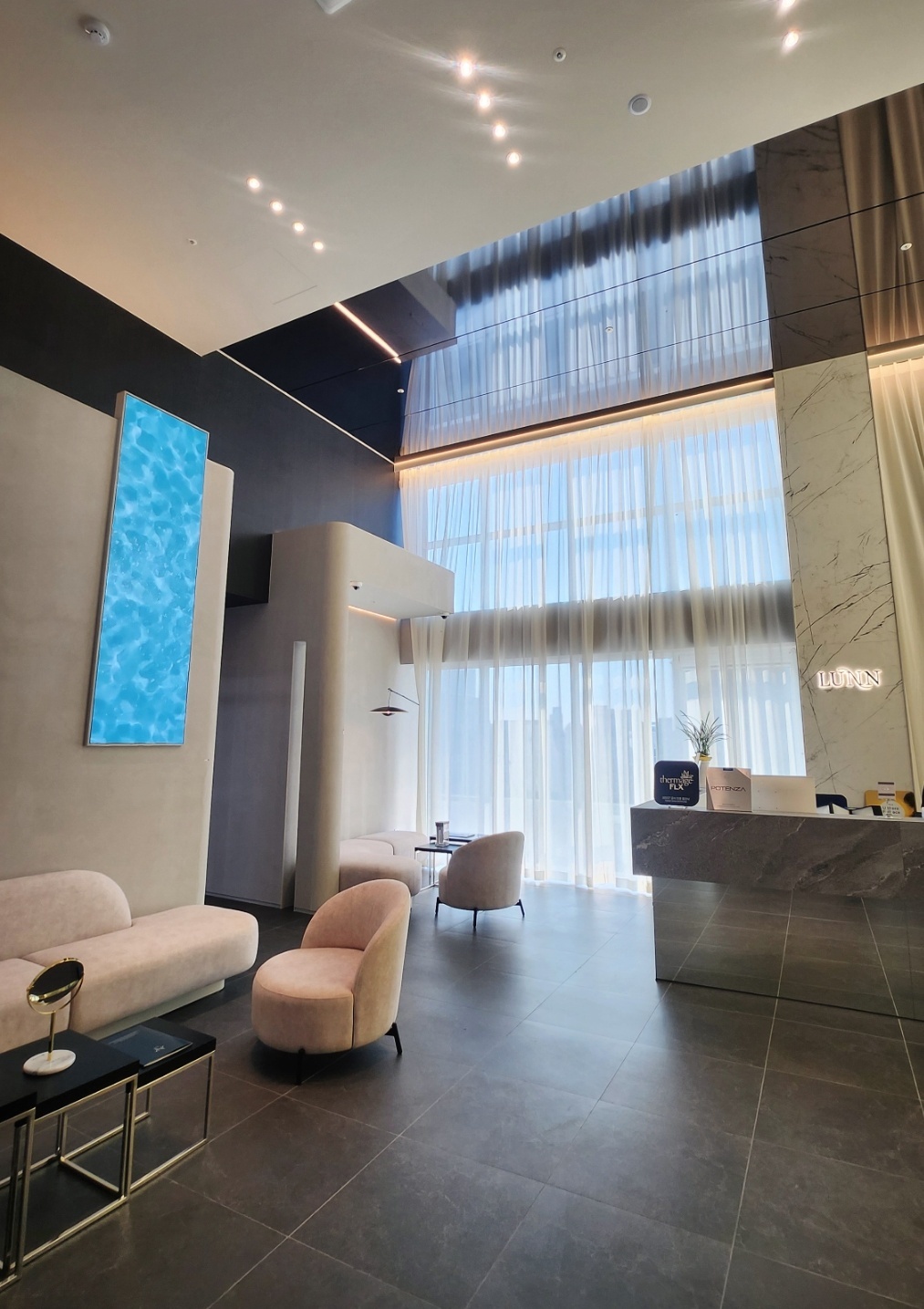
Achieving natural facial harmony requires a deep understanding of the biological processes that govern skin health and structural integrity. A skin regeneration program is not a single treatment but a comprehensive medical protocol designed to stimulate the body's natural healing mechanisms. In this guide, I will share my insights into how we utilize advanced technology and precision design to restore vitality to your skin in 2026.
Understanding the Fundamentals of a Skin Regeneration Program
A skin regeneration program is a structured medical protocol designed to activate the intrinsic healing capacity of the skin, focusing on cellular repair and the synthesis of new structural proteins. While basic skincare focuses on surface-level hydration, medical-grade programs target deeper layers of the tissue to promote significant skin improvement. Results may vary depending on individual skin conditions. By addressing the root causes of skin aging and damage, we can help you achieve a complexion that is not only healthier but also more resilient against external environmental stressors.
What is Skin Regeneration and Why Does it Matter?
Skin regeneration represents the biological restoration of tissue health through the activation of internal healing mechanisms. In a clinical setting like LUNN, this program focuses on reversing the structural signs of aging by targeting the cellular environment. In addition to immediate aesthetic improvements, true regeneration aims to improve the quality of the skin from within, promoting a resilient and youthful appearance. Individual results depend on the patient's baseline skin health. Why does this matter in 2026? As we age, the natural turnover of cells slows down significantly, leading to a loss of elasticity and the formation of fine lines. By implementing a medically supervised skin regeneration program, patients can address these concerns at the source. This approach is particularly effective for those seeking natural looking results that harmonize with their unique facial features. While individual responses to treatment may vary, the objective remains consistent: to provide the skin with the necessary stimuli to repair itself and maintain long term vitality through professional dermatological guidance.
The Science of Cellular Renewal and Collagen Synthesis
The science behind a skin regeneration program centers on two primary biological functions: cellular renewal and collagen synthesis. Fibroblasts, which are the specialized cells responsible for producing structural proteins, require specific triggers to maintain their activity levels. At LUNN, we utilize advanced medical technologies to deliver these triggers precisely where they are needed most within the dermal layers. Collagen synthesis is a complex process that occurs over several weeks following a professional treatment. During this time, the body builds new fibers that provide support and firmness to the skin surface. Understanding these mechanisms allows us to design protocols that respect the natural healing cycle of the body. While these biological processes are highly effective, they are not instantaneous and require a patient approach. It is also important to note that factors like lifestyle and genetics can influence the overall rate of synthesis. Therefore, a comprehensive consultation is essential to align expectations with the anticipated physiological outcomes of the procedure.
Key Differences Between Basic Care and Medical-Grade Regeneration
Distinguishing between basic skincare and a medical-grade skin regeneration program is vital for achieving meaningful aesthetic goals. Basic care typically involves topical applications that focus on hydration and protection of the outermost layer of the skin, the epidermis. In contrast, the regenerative protocols at LUNN involve deep-tissue interventions that reach the dermis and underlying structures. Medical-grade programs utilize energy-based devices or injectable biostimulators that are not available in over-the-counter settings. These professional tools create controlled micro-injuries or metabolic shifts that stimulate the skin's natural repair process. As with any medical procedure, outcomes are not guaranteed and vary by patient. While a consistent home routine is helpful for maintenance, it rarely possesses the potency required to significantly alter skin architecture or density. Patients often discover that combining their daily regimen with clinical treatments produces a synergistic effect. However, medical procedures do carry certain risks, such as temporary redness or localized swelling, which must be managed by a qualified specialist. This ensures safety while maximizing the potential for cellular rejuvenation.
Advanced Non-Invasive Skin Tightening and Rejuvenation Technologies
Advanced non-invasive technologies encompass a range of medical devices that use energy, such as light, sound, or heat, to stimulate tissue repair without the need for surgical incisions. These technologies are widely utilized in modern aesthetic medicine because they offer significant improvements with minimal disruption to a patient's daily life. Potential side effects like temporary redness should be considered. By precisely controlling the delivery of energy, we can target specific concerns like laxity, fine lines, and uneven texture while ensuring the highest standards of safety and comfort.
Thermage: A Modern Approach to Skin Rejuvenation
Thermage stands as a significant advancement in the field of non-invasive skin rejuvenation today. This technology focuses on delivering radiofrequency energy to the skin, which helps to improve dermal elasticity and tone without the extensive downtime associated with traditional resurfacing lasers. At LUNN, we incorporate Thermage into a broader skin regeneration program to address concerns like skin laxity and texture. The device works by applying controlled thermal energy to the deep layers of the dermis, which then triggers the natural wound-healing response of the body. This process encourages the contraction of existing collagen and the production of new fibers. While the procedure is generally well-tolerated, some patients might experience a sensation of warmth or mild erythema following the session. It is a versatile tool that can be adjusted to suit different skin types and sensitivity levels. By focusing on precision, we aim to achieve a refined skin surface that looks naturally vibrant and healthy for our patients.
The Role of Radiofrequency and Ultrasound in Tissue Lifting
Radiofrequency and ultrasound technologies play a crucial role in modern tissue lifting and firming strategies. These energy sources penetrate deep into the structural layers of the skin, such as the SMAS layer, to promote contraction and long-term collagen production. A skin regeneration program at LUNN often utilizes these modalities to redefine facial contours without the need for surgical intervention. Ultrasound energy provides highly focused heat at specific depths, whereas radiofrequency delivers bulk heating to tighten the collagen matrix. Both methods are effective for addressing skin laxity around the jawline and neck areas. It is important for patients to understand that while these treatments are non-invasive, the results are gradual and develop as the body synthesizes new structural proteins over several months. Potential side effects can include temporary tenderness or minor swelling in the treated zones. A thorough evaluation by a dermatologist ensures that the correct energy levels are applied for both safety and optimal aesthetic harmony.
Achieving Facial Volume Restoration with Targeted Fillers
Achieving facial volume restoration is a key component of a comprehensive skin regeneration program, particularly when addressing the natural fat loss that occurs with aging. Targeted fillers are used at LUNN to subtly restore volume in areas like the cheeks, temples, or nasolabial folds. Rather than simply filling wrinkles, our approach focuses on structural support to create a balanced and youthful silhouette. We select specific filler materials, such as Belotero, based on their rheology and how they integrate with the natural tissue of the patient. This ensures that the results remain soft and move naturally with facial expressions. While fillers provide immediate visible changes, they also work in tandem with other regenerative treatments to enhance the overall health of the skin environment. Patients should be aware that localized bruising or swelling can occur, though these typically resolve within a few days. Precision in placement is paramount to avoid an overfilled look and to maintain the unique proportions that define a person's individual beauty.
Customized Facial Design and Structural Harmony
Customized facial design is the process of mapping a patient's unique anatomical features to create a treatment plan that enhances their natural beauty through balanced proportions. This philosophy goes beyond simply treating isolated wrinkles or sagging areas, instead, it views the face as a whole, interconnected system. By prioritizing harmony and subtle refinement, we ensure that the results of a skin regeneration program look authentic and complement the individual's personality and age.
Dermatologist-Led Facial Design: Beyond Surface Treatments
Dermatologist-led facial design represents a shift from standardized procedures to a highly personalized aesthetic strategy. At LUNN, every skin regeneration program begins with an in-depth analysis of the patient's anatomical structure, including muscle movement and bone density. This scientific approach ensures that treatments do not merely address surface-level symptoms but rather enhance the foundational harmony of the face. By understanding how different layers of the face interact, a dermatologist can recommend a combination of therapies that yield a more natural and enduring result. This methodology avoids the one size fits all trap that can lead to artificial appearances. Instead, we focus on subtle refinements that respect the existing features of the individual. While these advanced techniques offer significant benefits, they require high levels of expertise to execute safely. Patients are encouraged to discuss their specific aesthetic goals during their consultation to ensure that the proposed plan aligns with their expectations and biological realities for satisfactory results. Clinical outcomes are subject to individual variation.
Jawline Definition through ONDA for Subtle Refinement
Jawline definition is a frequent goal for those seeking a more refined facial profile, and ONDA lifting offers a sophisticated non-surgical solution. As part of a skin regeneration program, ONDA utilizes specialized microwave energy to selectively target fat cells and stimulate collagen production along the jawline. At LUNN, we use this technique to achieve subtle lifting and volume reduction that enhances the jawline without changing the fundamental character of the patient's face. The procedure involves minimal downtime, making it a popular choice for busy individuals in Seoul. The treatment helps to tighten the skin while managing localized fat deposits for a sharper silhouette. However, it is important to note that non-surgical lifting is not a replacement for major surgery in cases of severe laxity. Potential risks include temporary redness or mild discomfort in the treated areas. By integrating ONDA with other rejuvenation modalities, we can create a comprehensive plan that addresses both surface texture and underlying structural integrity for a balanced look.
The 1mm Philosophy: Precision in Aesthetic Proportions
The 1mm philosophy is the cornerstone of our aesthetic approach, emphasizing that even the smallest adjustments can significantly impact facial harmony. In a skin regeneration program at LUNN, precision is not just a goal but a requirement. We believe that over-treatment often leads to a loss of natural beauty, whereas precise, targeted interventions preserve the essence of the individual. This philosophy applies to everything from the depth of a laser pulse to the exact placement of an injectable. By focusing on these minute details, we can achieve results that are both effective and undetectable to the casual observer. This level of accuracy requires an intimate knowledge of facial anatomy and a refined artistic eye. While modern technology provides the tools, the dermatologist's skill determines the final aesthetic balance. Patients often appreciate this meticulous care, as it provides them with the confidence that their features will be enhanced rather than altered. Safety and harmony always remain our primary focus throughout the entire regenerative journey.
Comparative Overview: Choosing the Right Treatment Path
A comparative overview is essential for helping patients navigate the diverse options available within modern aesthetic medicine. Each treatment modality offers unique benefits and caters to different regenerative needs, making it important to weigh factors such as recovery time and expected outcomes. By providing a clear comparison of these options, we empower our patients to make informed decisions that align with their personal lifestyle and aesthetic preferences.
| Treatment Category | Primary Technology | Core Benefit | Expected Recovery |
|---|---|---|---|
| Energy-Based Lifting | High-Intensity Focused Ultrasound | Dermal and SMAS tightening | Minimal to none |
| Skin Rejuvenation | Thermage | Dermal elasticity and texture | Minimal |
| Jawline Contouring | ONDA | Volume reduction and lift | Minimal |
| Volumization | Targeted Hyaluronic Fillers | Balanced facial proportions | Minimal (swelling possible) |
| Cellular Hydration | High-quality Skin Boosters | Deep hydration and glow | 1 to 2 days |
Determining Your Skin Type and Regenerative Needs
Determining your specific skin type and regenerative needs is the first step toward a successful aesthetic journey. At LUNN, we recognize that a skin regeneration program must be as unique as the individual receiving it. Factors such as oil production, sensitivity, and the presence of sun damage all dictate which technologies will be most effective. For example, individuals with thinner skin may benefit more from collagen-stimulating injections, while those with thicker skin might respond better to high-intensity ultrasound. Our diagnostic process involves a clinical examination to assess the current health of your skin barrier and underlying tissues. This ensures that we do not over-stress the skin, which could lead to adverse reactions or prolonged recovery times. While many treatments are marketed for all skin types, the reality is that customization is essential for both safety and efficacy. By aligning the treatment plan with your biological profile, we can optimize the regenerative response and help you achieve a healthier, more balanced complexion over time.
When to Choose Non-Surgical Double Chin Reduction
Choosing non-surgical double chin reduction is an excellent option for those who wish to contour their jawline without the risks associated with invasive surgery. This component of a skin regeneration program often employs technologies like ONDA energy to target localized submental fat. At LUNN, we evaluate whether the concern is caused by excess fat, skin laxity, or a combination of both. Non-surgical methods offer the advantage of minimal recovery time and a lower risk of complications compared to liposuction. However, these treatments generally require multiple sessions to achieve the desired level of refinement. Patients should expect a gradual reduction in the area as the body naturally processes the targeted fat cells. It is also important to maintain a stable weight to preserve the results of the contouring procedure. While highly effective for many, a consultation is necessary to determine if you are a suitable candidate based on your specific anatomy and the elasticity of your skin.
Long-Term Skin Vitality and Maintenance Strategies
Long-term skin vitality refers to the sustained health and resilience of the skin, achieved through consistent professional care and healthy habits. A skin regeneration program is most effective when it is supported by a long term maintenance strategy that protects the results of clinical interventions. By prioritizing the ongoing needs of the skin, we can ensure that the improvements in texture, tone, and structure remain visible for years to come.
High-quality Skin Booster Injections for Sustained Glow
High-quality skin booster injections are an essential part of maintaining long-term skin vitality and a sustained glow. While effective for many, multiple sessions may be required to achieve desired results. These treatments involve the delivery of hyaluronic acid, vitamins, and polynucleotides directly into the dermis to improve hydration and cellular health. Within a skin regeneration program at LUNN, boosters serve as a foundation for overall skin quality. They work by creating an optimal environment for fibroblasts to function, which in turn enhances the effects of other energy-based treatments. Unlike traditional fillers, boosters do not change the shape of the face but rather improve the texture and luminosity of the skin. Results are typically visible within a week, though a series of treatments is often recommended for cumulative benefits. Potential side effects are usually limited to tiny, temporary injection marks or mild swelling. By prioritizing skin health at a cellular level, boosters help to ensure that your complexion remains resilient against environmental stressors and the natural aging process for years to come.
Skin Texture Refinement and Pore Management
Refining skin texture and managing pores are critical for achieving a polished and harmonious facial appearance. A skin regeneration program at LUNN incorporates specialized lasers and chemical peels to address irregularities on the skin surface. Large pores and uneven texture can often make the skin appear older or less healthy than it actually is. By targeting the sebaceous glands and promoting rapid cell turnover, we can create a smoother and more even skin tone. These treatments also help to prevent future congestion and maintain the clarity of the complexion. While significant improvements can be made, it is important to remember that pore size is partly determined by genetics and cannot be completely eliminated. However, consistent clinical care can visibly minimize their appearance and improve the overall light reflection of the skin. As with all medical aesthetic procedures, individual results can vary, and adhering to a professional maintenance schedule is key to preserving the refined texture achieved during the initial treatment phases.
The Importance of Tailored Post-Procedure Care
The importance of tailored post-procedure care cannot be overstated in a successful skin regeneration program. How you treat your skin in the days following a clinical treatment significantly impacts the final result and the speed of your recovery. At LUNN, we provide each patient with a customized aftercare protocol designed to soothe the skin and enhance the regenerative effects of the procedure. This often includes specific medical-grade moisturizers, sun protection, and the avoidance of harsh active ingredients for a set period. Proper hydration and protection from UV damage are essential to support the new collagen synthesis occurring within the tissue. Neglecting these steps can lead to suboptimal results or increased sensitivity. While the clinic provides the necessary biological triggers, the patient's commitment to aftercare ensures those triggers lead to lasting success. We encourage open communication during the healing phase to address any questions or concerns that may arise. This partnership between the dermatologist and the patient is the final key to achieving lasting facial harmony.
Frequently Asked Questions
Q. What exactly is a skin regeneration program at LUNN in Seoul?
A skin regeneration program is a customized medical protocol designed by a dermatologist to stimulate the natural healing processes of the body. It focuses on increasing collagen production, enhancing cellular repair, and restoring the structural integrity of various skin layers for a rejuvenated appearance.
Q. How long does it take to see visible results from a regeneration treatment?
While some patients notice immediate improvements in hydration and texture, biological processes like collagen synthesis typically take 4 to 12 weeks to show significant results. The exact timeline depends on the technology used and the individual baseline condition of the skin.
Q. Are there any side effects to non-invasive skin tightening technology?
Most non-invasive treatments carry minimal risks, but temporary redness, mild swelling, or slight bruising can occur depending on the specific procedure. These effects are generally short lived, but a consultation is necessary to assess your individual risk factors and safety.
Q. Can a skin regeneration program help with a double chin without surgery?
Yes, specialized programs at LUNN utilize non-surgical contouring technologies such as ONDA energy to reduce submental fat and tighten the jawline area. This approach provides a more defined profile with minimal downtime compared to invasive surgical options.
Q. What makes a dermatologist-led facial design different from standard procedures?
A dermatologist-led approach involves a deep anatomical analysis of your unique facial muscles, fat distribution, and skin thickness. This level of medical expertise ensures that the regeneration program achieves a natural result that remains in perfect harmony with your original features.
Q. Is the skin regeneration process painful?
Most modern aesthetic procedures are designed for maximum comfort, often incorporating topical numbing agents or integrated cooling systems within the devices. While some sensations of warmth or pressure may be felt, the procedures are typically well tolerated by the vast majority of patients.
Q. How many sessions are typically required for optimal rejuvenation?
The number of required sessions varies based on individual goals and skin health, with some patients seeing great results after one visit while others may need a series. We typically recommend a personalized plan with sessions spaced several weeks apart to allow for cumulative biological benefits.
Key Takeaways
- A skin regeneration program targets the deeper dermal layers to trigger biological repair and collagen synthesis for lasting results.
- Personalized facial design at LUNN ensures that non-invasive technologies enhance your natural beauty with precision.
- Advanced tools like Thermage, ultrasound, and premium boosters work synergistically to refine texture and restore structural volume.
- Consistent post-procedure care and maintenance are essential for sustaining long-term skin vitality and a natural glow.
A 2026 Specialist's Guide to Precision Facial Design for Natural Harmony at LUNN
A 2026 Guide to the LUNN Synergy Lifting Program: Achieving Facial Harmony in Seoul
Experienced Dermatologist for Jawline Lifting Seoul: A 2026 Specialist’s Guide to Facial Harmony
LUNN / Dr. Hyung-kwon Park
FAQ
- What exactly is a skin regeneration program at a Seoul dermatology clinic?
- A skin regeneration program is a customized medical protocol designed by a dermatologist to stimulate the natural healing processes of the body. It focuses on increasing collagen production, enhancing cellular repair, and restoring the structural integrity of various skin layers for a rejuvenated appearance.
- How long does it take to see visible results from a regeneration treatment?
- While some patients notice immediate improvements in hydration and texture, biological processes like collagen synthesis typically take 4 to 12 weeks to show significant results. The exact timeline depends on the technology used and the individual baseline condition of the skin.
- Are there any side effects to non-invasive skin tightening technology?
- Most non-invasive treatments carry minimal risks, but temporary redness, mild swelling, or slight bruising can occur depending on the specific procedure. These effects are generally short lived, but a consultation is necessary to assess your individual risk factors and safety.
- Can a skin regeneration program help with a double chin without surgery?
- Yes, specialized programs at clinics like lunnclinic utilize non-surgical contouring technologies such as focused ultrasound to reduce submental fat and tighten the jawline area. This approach provides a more defined profile with minimal downtime compared to invasive surgical options.
- What makes a dermatologist-led facial design different from standard procedures?
- A dermatologist-led approach involves a deep anatomical analysis of your unique facial muscles, fat distribution, and skin thickness. This level of medical expertise ensures that the regeneration program achieves a natural result that remains in perfect harmony with your original features.
- Is the skin regeneration process painful?
- Most modern aesthetic procedures are designed for maximum comfort, often incorporating topical numbing agents or integrated cooling systems within the devices. While some sensations of warmth or pressure may be felt, the procedures are typically well tolerated by the vast majority of patients.
- How many sessions are typically required for optimal rejuvenation?
- The number of required sessions varies based on individual goals and skin health, with some patients seeing great results after one visit while others may need a series. We typically recommend a personalized plan with sessions spaced several weeks apart to allow for cumulative biological benefits.