
Post
Can Shaving Spread Flat Warts on the Face and Neck? A 2026 Specialist Guide
Hello, I am Dr. Hyungkwon Park, a board-certified dermatologist at LUNN.
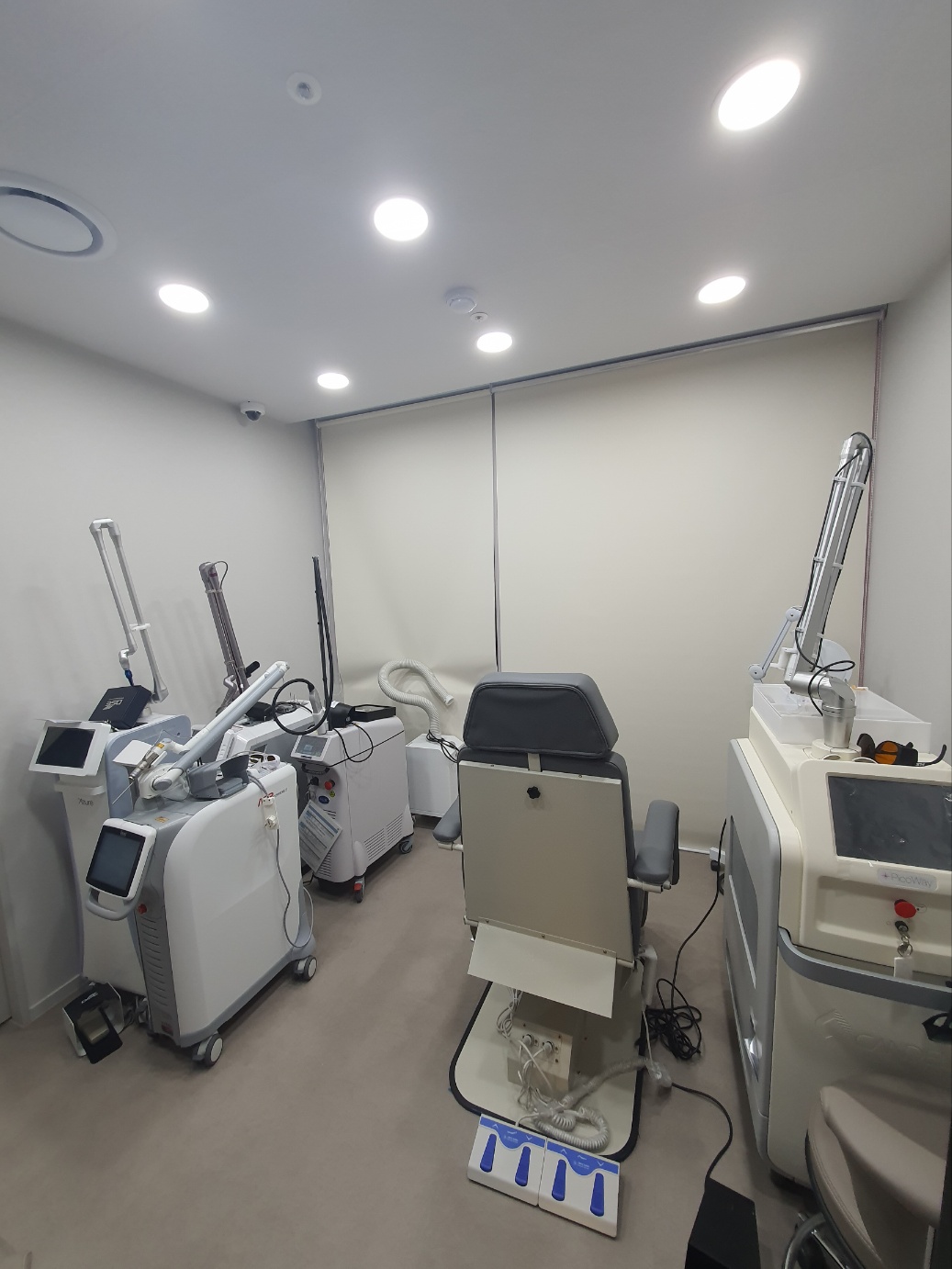
Flat warts are subtle, flesh-colored bumps caused by the Human Papillomavirus (HPV) that often disrupt the facial harmony you strive to maintain. In this guide, I will explain why your daily grooming routine might be exacerbating this condition and how professional intervention can help restore your skin's clarity.
Understanding Flat Warts and the Risks of Shaving
Flat warts are benign skin growths characterized by their smooth, flat surfaces and slight elevation, appearing primarily on areas where the skin is frequently disturbed. Unlike common warts, they are often smaller, ranging from 1 to 5 millimeters in diameter, and can appear in clusters of 20 to 100 lesions at a time. Their presence on the face and neck is particularly concerning as these are high-visibility areas where skin-to-skin contact or grooming tools can easily facilitate viral transmission.
What are flat warts and why do they appear on the face?
Flat warts, scientifically known as Verruca plana, are caused by specific strains of HPV, most commonly types 3, 10, 28, and 49. These lesions are remarkably persistent because the virus resides within the epidermal layer, tricking the immune system into ignoring its presence. In my clinical experience at LUNN, I have observed that many patients initially mistake these warts for simple skin tags or closed comedones. However, their tendency to appear in large groups—sometimes numbering over 50 in a single facial region—is a hallmark sign of a viral infection rather than a localized inflammatory issue. The facial skin is particularly vulnerable due to its thinness and high turnover rate, which allows the virus to take hold more easily when the skin barrier is compromised. If you are struggling to differentiate these bumps, you may find it helpful to read our guide on Identifying Small Skin-Colored Bumps on the Face: A 2026 Specialist Guide to Flat Warts at LUNN.
The mechanism of autoinoculation through micro-trauma
Autoinoculation is the process by which a virus spreads from one part of the body to another through physical contact or injury. When a patient has an active flat wart, the viral load is concentrated within that specific lesion. Any activity that causes micro-trauma—injuries so small they are invisible to the naked eye—creates a doorway for the virus to enter healthy adjacent cells. This is a significant concern for those who maintain a rigorous skincare or grooming routine. In many cases involving extensive facial spread, the patient has unknowingly facilitated this process through aggressive exfoliating or scrubbing. Once the virus enters the basal layer of the epidermis through these microscopic tears, it begins to hijack the cell's machinery to replicate. This creates a cycle where one lesion leads to several more within weeks, often following the path of the initial trauma. Understanding this biological mechanism is the first step toward effective management and prevention.
How HPV spreads via shaving the neck and jawline
Shaving is perhaps the most efficient vehicle for the linear spread of flat warts across the neck and jawline. As the razor blade moves across a wart, it can shave off a microscopic layer of the infected tissue, carrying viral particles along the path of the blade. This often results in what we call a "pseudo-Koebner phenomenon," where new warts appear in a straight line corresponding to the shaving stroke. In clinical observations, I have seen patients whose viral count increased significantly following just a few shaving sessions. The warm, moist environment of a bathroom also keeps the virus viable on razor surfaces for longer periods, increasing the risk of re-infection. For those seeking to regain their skin’s natural balance, it is vital to recognize that the neck's skin is especially delicate, making it prone to deep viral infiltration. You can learn more about our structural approach to skin health in our guide on Precision Facial Harmony in Seoul: A 2026 Guide by Dr. Park Hyeong-kwon.
Why Shaving Acts as a Primary Vehicle for Viral Spread
Shaving acts as a primary vehicle for viral spread by combining physical abrasion with the movement of a contaminated tool across the skin’s surface. This combination bypasses the skin’s natural defenses, allowing the Human Papillomavirus to establish new colonies in previously healthy areas. While the process is unintentional, the mechanical force of a razor is uniquely suited to distributing viral particles deep into the follicular openings of the face and neck.
The role of razor blades in creating microscopic entries
Even the sharpest razor blades create a degree of friction that disrupts the stratum corneum, the outermost layer of the skin. Studies indicate that a single shaving stroke can remove multiple layers of protective skin cells, leaving the underlying tissue exposed to environmental pathogens. When flat warts are present, the blade acts as a transport system, picking up viral DNA and depositing it into these fresh microscopic entries. This risk is amplified if the razor is dull, as it requires more pressure and creates more jagged tears in the skin. In my practice at LUNN, I emphasize that the frequency of shaving correlates directly with the speed of viral expansion. For example, individuals who shave daily may see a notably faster spread of lesions compared to those who shave once a week. Because the HPV virus is highly resilient, it can survive within the crevices of a multi-blade razor, leading to continuous self-inoculation every time the tool is reused on the face.
Distinguishing flat warts from razor burn and acne
Accurate diagnosis is the foundation of effective treatment, yet flat warts are frequently misidentified as razor burn (pseudofolliculitis barbae) or traditional acne. Razor burn typically manifests as red, inflamed papules that may contain ingrown hairs and usually resolve within 3 to 4 days with proper moisturizing. Acne lesions often present with a central pore or whitehead and are associated with oil production. In contrast, flat warts are characterized by their lack of inflammation and their smooth, slightly waxy texture. They do not produce pus or discharge, and they persist for months regardless of topical antibiotic use. In a significant portion of the cases I treat, patients have exacerbated their condition by applying acne creams that further irritate the skin, making it easier for the virus to spread. If you notice small, painless, skin-colored bumps that seem to multiply rather than heal, it is essential to seek a specialist's evaluation to prevent further autoinoculation and ensure the correct therapeutic path.
Common mistakes in daily grooming that worsen skin texture
Beyond the act of shaving itself, several common grooming mistakes can degrade the skin's integrity and facilitate viral growth. Using harsh alcohol-based aftershaves can strip the skin of its natural oils, leading to dryness and cracks that the virus can exploit. Additionally, many people use the same towel to dry their face and body, potentially spreading the virus from one area to another. I have found that many patients with recurring warts also use physical exfoliants like loofahs or grainy scrubs, which essentially "sand down" the warts and spread the virus across the entire facial surface. Another frequent error is attempting to "pick" or scratch the bumps, which only serves to concentrate the virus under the fingernails and cause deeper trauma to the skin. At LUNN, we focus on educating patients that maintaining a healthy, hydrated skin barrier is just as important as the clinical removal of the lesions themselves to ensure long-term skin health and harmony.
Comparing Clinical Treatments for Facial Warts
Clinical treatments for facial warts involve various modalities designed to destroy the infected tissue or stimulate the body's immune response to clear the virus naturally. In our approach, the goal is not just to burn the lesion but to use the treatment as a catalyst for the skin's own defense mechanisms.
| Treatment Method | Mechanism of Action | Typical Recovery | Recommended for |
|---|---|---|---|
| CO2 Laser | Serves as a stimulant to trigger immune recognition while removing lesions | 5–7 days | Rapid removal of visible warts |
| Immunotherapy | Boosting local immune response | Varies | Recurrent or widespread cases |
| Topical Retinoids | Increasing cell turnover | Ongoing | Mild cases or maintenance |
| Cryotherapy | Freezing infected cells | 7–10 days | Thickened or larger lesions |
CO2 laser vs. Immunotherapy: A comparative analysis
CO2 laser therapy utilizes a 10,600nm wavelength to vaporize the infected skin cells with extreme precision. Rather than just a simple thermal destruction, the procedure acts as a localized stimulant that alerts the immune system to the presence of the virus. The primary advantage is the immediate removal of the lesion, which significantly reduces the immediate viral load on the skin's surface. However, because the virus can exist in subclinical levels in surrounding tissue, there is a possibility of recurrence, which occurs in some cases if not combined with proper aftercare. Immunotherapy, on the other hand, involves applying substances that trigger a localized allergic reaction, essentially "waking up" the immune system to recognize and fight the HPV virus. While this method does not offer the instant results of a laser, it can be more effective for patients with hundreds of lesions or those who suffer from frequent relapses. In my experience at LUNN, a strategic combination of these treatments often yields the most balanced results.
The importance of skin texture refinement treatments
Removing flat warts is only the first step; restoring the skin's smooth texture and harmony is the ultimate goal. After the viral lesions are cleared, the skin often requires specialized care to address the minor disruptions in the epidermal layer. We utilize advanced protocols to promote healthy collagen production and ensure that the treated areas blend seamlessly with the surrounding skin. Based on clinical observations, patients who undergo a structured skin regeneration program after wart removal report significantly higher satisfaction regarding their overall skin texture. However, individual results and satisfaction levels may vary depending on skin type and the extent of the condition. These refinement treatments help to eliminate any residual roughness and strengthen the skin barrier against future viral incursions. By focusing on the structural integrity of the skin, we move beyond mere symptom management toward a more holistic form of facial design. This approach is particularly important for patients in the Cheongdam area who demand a high level of aesthetic precision.
Managing potential side effects like temporary erythema
While clinical treatments are highly effective, it is important to acknowledge that the skin may experience temporary changes during the healing process. Erythema, or redness, is the most common side effect following CO2 laser treatment or immunotherapy. This is a natural inflammatory response as the skin works to repair itself and usually subsides within 5 to 10 days depending on the intensity of the procedure. In some cases, mild post-inflammatory hyperpigmentation may occur, particularly if the individual does not follow strict sun protection guidelines. At LUNN, we provide comprehensive post-procedure kits and detailed instructions to minimize these risks. It is vital to remember that individual healing speeds vary, and what may be a 5-day recovery for one patient could take slightly longer for another. By managing these expectations and providing expert aftercare, we maintain the high standards expected of a luxury dermatology clinic.
Professional Care at LUNN
Professional care at our clinic involves a deep commitment to both medical excellence and aesthetic harmony, ensuring that every treatment plan is as unique as the patient. At LUNN, we do not believe in one-size-fits-all solutions; instead, we combine rigorous diagnostic analysis with a refined artistic eye. Our goal is to provide a sanctuary where patients can receive advanced dermatological care in a setting that reflects the luxury and sophistication of the Apgujeong Rodeo and Cheongdam districts.
Dermatologist-led facial design for clear skin results
Facial design at LUNN begins with a thorough structural analysis of your skin's health and the pattern of viral spread. As a specialist, I personally evaluate every lesion to determine the most effective path forward while preserving the natural contours of your face. We look at more than just the warts; we consider the fine differences in skin thickness and underlying muscle resistance that define your unique appearance. This level of detail allows us to remove viral growths while minimizing the impact on the surrounding healthy tissue. In my clinical practice, I have found that this precision-led approach reduces the need for aggressive treatments, leading to faster recovery times and more natural-looking results. By integrating medical necessity with aesthetic principles, we ensure that your skin doesn't just look "treated," but looks genuinely healthy and revitalized. This philosophy of "Refining the Details" is what sets our clinic apart in the competitive landscape of Seoul's premier dermatology district.
Customized skin care program for long-term viral suppression
Long-term success in managing flat warts requires more than a single procedure; it necessitates a customized suppression strategy tailored to your immune profile and lifestyle. At LUNN, we design maintenance programs that include specific topical agents and lifestyle recommendations to keep the HPV virus in a dormant state. In my clinical experience, patients who follow a dedicated maintenance plan show a notably lower recurrence rate over a 12-month period compared to those who only seek treatment for active outbreaks. It is important to note that consistent care and follow-up are necessary, as the risk of recurrence can vary based on individual immune response. This program often includes the use of mild retinoids to encourage healthy cell turnover and antioxidants to support the skin's defense mechanisms. We also provide guidance on safe grooming practices, such as switching to specific types of electric trimmers that reduce skin trauma. Our goal is to empower you with the tools and knowledge needed to maintain clear skin independently.
Maintaining harmony at our Cheongdam luxury clinic
Maintaining harmony means balancing advanced medical technology with a calm, patient-centered environment. At LUNN, located in the heart of the Cheongdam and Apgujeong areas, we prioritize your comfort and privacy throughout the entire treatment process. From the moment you enter our clinic, you will experience a professional atmosphere dedicated to your well-being. We use only the highest-grade equipment and medical-grade products to ensure that every aspect of your care meets the highest standards of safety and efficacy. Our team is dedicated to providing a seamless experience, from the initial consultation to the final follow-up appointment. By choosing a specialist-led clinic, you are investing in a partnership that values the long-term health and beauty of your skin. We invite you to experience the difference that personalized, expert care can make in your journey toward a clearer, more harmonious reflection. For more updates and skin health tips, you can follow my insights at @dr.lunn on Threads.
Key Takeaways
- Shaving acts as a major risk factor: The mechanical action of shaving creates micro-trauma that allows flat warts to spread in a linear pattern across the face and neck.
- Accurate diagnosis is crucial: Flat warts are often mistaken for acne or razor burn, but they require specific viral treatments rather than standard inflammatory care.
- Clinical options offer varying benefits: CO2 lasers provide rapid removal and serve as an immune stimulant, while immunotherapy focuses on long-term suppression.
- Recovery and maintenance: Expect a 5-to-7-day healing period after laser treatments, followed by a customized maintenance plan to minimize the risk of recurrence.
- Specialist care matters: A dermatologist-led approach ensures that wart removal is performed with an eye toward facial harmony and long-term skin health.
Frequently Asked Questions
Q. Can shaving actually cause more flat warts to grow?
Yes, shaving is a frequent cause of autoinoculation. The razor blade creates tiny nicks in the skin that allow the Human Papillomavirus (HPV) to spread from one lesion to healthy surrounding tissue. I often see patients whose warts have spread in a linear pattern along their shaving route, emphasizing the need for professional intervention to break this cycle.
Q. How can I tell the difference between a flat wart and a regular pimple?
Flat warts are typically smooth, flat-topped, and flesh-colored or slightly brownish in appearance. Unlike acne, they do not have a central pore or pus and often appear in clusters of 20 or more. If you notice persistent small bumps that do not respond to traditional acne medication, it is best to consult a specialist at a dermatology clinic like LUNN.
Q. Is laser removal of flat warts a permanent solution?
Laser treatments are highly effective at removing visible lesions and refining skin texture by vaporizing infected cells. They also serve as a stimulant to the local immune environment. However, because the underlying cause is a virus, recurrence is possible if the immune system is weakened. Most patients in my clinical experience require a customized maintenance plan to ensure long-term clarity.
Q. Does wart removal leave scars on the face or neck?
When performed by a trained dermatologist using precise equipment, the risk of permanent scarring is significantly minimized. You may experience temporary redness or light crusting during the 5-to-7-day healing phase as the skin regenerates. Following professional aftercare instructions is essential for achieving a smooth, harmonious result without long-term marks.
Q. Should I stop shaving until my flat warts are treated?
I strongly recommend minimizing shaving or switching to an electric trimmer that does not touch the skin directly while active warts are present. This prevents further micro-trauma and helps contain the viral spread while we implement a professional treatment program. Continuing to use a traditional razor often leads to a rapid increase in the number of lesions.
Q. What is the typical recovery time after a CO2 laser procedure?
Most patients at LUNN observe that the treated areas form small, barely noticeable scabs that naturally fall off within 5 to 7 days. While there is a brief recovery period involving minor swelling or redness, most individuals return to their daily routines shortly after the procedure. It is important to note that individual results and healing speeds may vary based on your specific skin type.
Q. Are flat warts contagious to other people?
Flat warts are caused by HPV, which is highly contagious through direct skin-to-skin contact or through shared items like towels and razors. It is important to avoid sharing personal grooming tools and to seek professional treatment to reduce the viral load on your skin. Treating the visible lesions not only helps your appearance but also reduces the risk of spreading the virus to others.
To schedule a consultation and begin your journey toward clear, harmonious skin, please contact our office for an appointment.
LUNN / Dr. Hyungkwon Park
FAQ
- Can shaving actually cause more flat warts to grow?
- Yes, shaving is a frequent cause of autoinoculation. The razor blade creates tiny nicks in the skin that allow the Human Papillomavirus (HPV) to spread from one lesion to healthy surrounding tissue. I often see patients whose warts have spread in a linear pattern along their shaving route, emphasizing the need for professional intervention to break this cycle.
- How can I tell the difference between a flat wart and a regular pimple?
- Flat warts are typically smooth, flat-topped, and flesh-colored or slightly brownish in appearance. Unlike acne, they do not have a central pore or pus and often appear in clusters of 20 or more. If you notice persistent small bumps that do not respond to traditional acne medication, it is best to consult a specialist at a dermatology clinic like lunnclinic.
- Is laser removal of flat warts a permanent solution?
- Laser treatments are highly effective at removing visible lesions and refining skin texture by vaporizing infected cells. However, because the underlying cause is a virus, recurrence is possible if the immune system is weakened or if subclinical particles remain. Most patients in my clinical experience require a customized maintenance plan to ensure long-term clarity and reduce the risk of future outbreaks.
- Does wart removal leave scars on the face or neck?
- When performed by a trained dermatologist using precise equipment, the risk of permanent scarring is significantly minimized. You may experience temporary redness or light crusting during the 5-to-7-day healing phase as the skin regenerates. Following professional aftercare instructions is essential for achieving a smooth, harmonious result without long-term marks or textural changes.
- Should I stop shaving until my flat warts are treated?
- I strongly recommend minimizing shaving or switching to an electric trimmer that does not touch the skin directly while active warts are present. This prevents further micro-trauma and helps contain the viral spread while we implement a professional treatment program. Continuing to use a traditional razor often leads to a rapid increase in the number of lesions across the jawline.
- What is the typical recovery time after a CO2 laser procedure?
- Most patients at lunnclinic observe that the treated areas form small, barely noticeable scabs that naturally fall off within 5 to 7 days. While there is a brief recovery period involving minor swelling or redness, most individuals return to their daily routines shortly after the procedure. It is important to note that individual results and healing speeds may vary based on your specific skin type and the number of lesions treated.
- Are flat warts contagious to other people?
- Flat warts are caused by HPV, which is highly contagious through direct skin-to-skin contact or through shared items like towels and razors. It is important to avoid sharing personal grooming tools and to seek professional treatment to reduce the viral load on your skin. Treating the visible lesions not only helps your appearance but also reduces the risk of spreading the virus to family members or partners.