
Post
Understanding the Vital Link Between Local Skin Immunity and Recurring Warts in 2026
Hello, I am Dr. Hyung-kwon Park, a dermatology specialist at Lunn Dermatology Clinic.
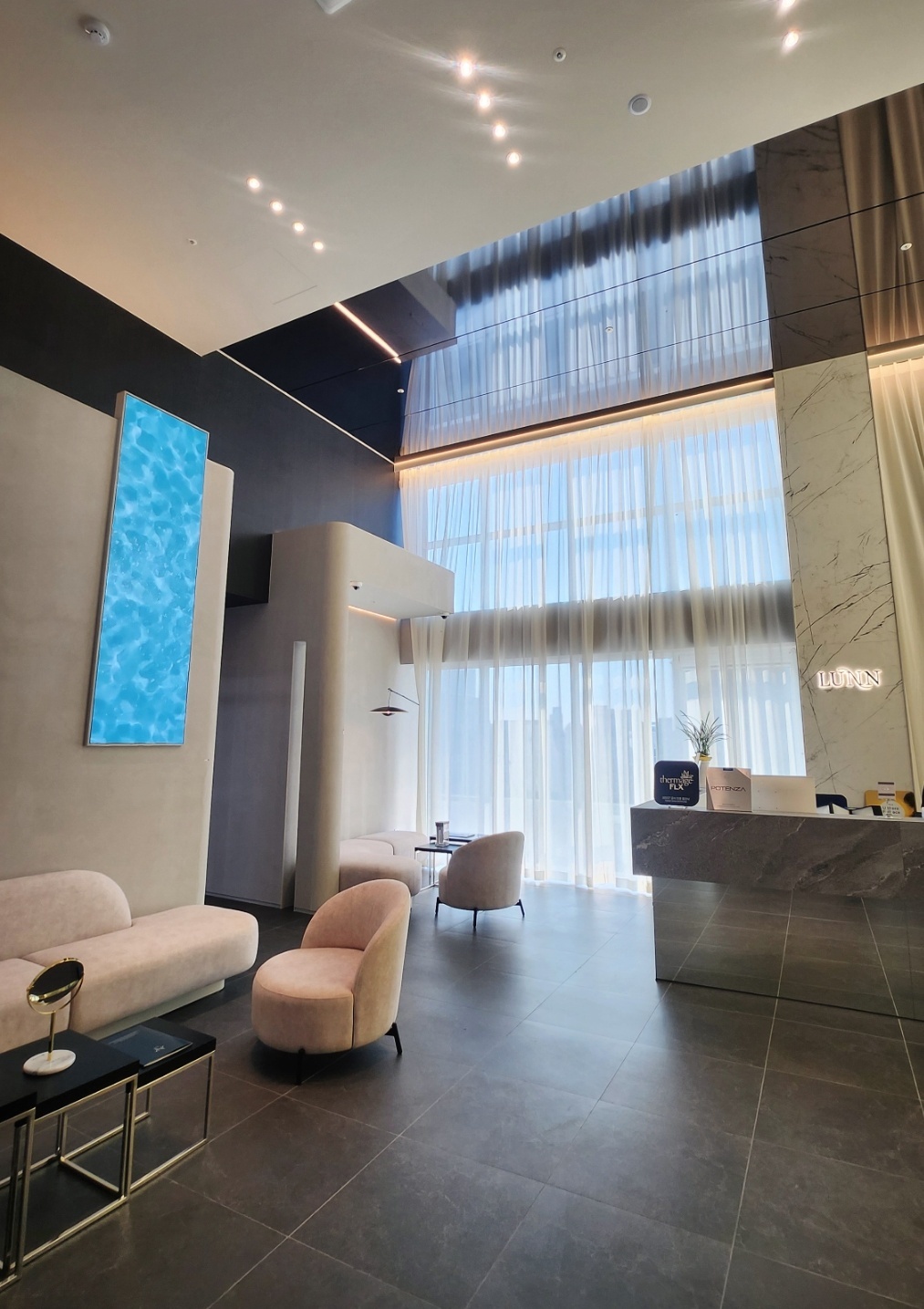
Local skin immunity is the specialized defense network within your skin layers that identifies and neutralizes pathogens like the Human Papillomavirus (HPV). In this guide, I will explain why surface-level treatments often fail and how we focus on the harmony of your skin's internal environment to help support long-term skin health management in 2026.
Understanding the Vital Link Between Local Skin Immunity and Recurring Warts
Local skin immunity is the localized defense network within the epidermis and dermis, comprising Langerhans cells and T-lymphocytes that actively monitor for pathogens. This system acts as a biological surveillance team, helping to identify and process invasive microorganisms before they can cause significant cellular damage or visible lesions. At Lunn Dermatology Clinic, we view this immunity as the foundational element of dermatological health, as it dictates how the body responds to environmental stressors and infections.
Defining Local Skin Immunity in Dermatological Health
Local skin immunity serves as the primary biological shield, utilizing a specialized network of cells such as Langerhans cells and resident memory T-cells to patrol the epidermal layers. At LUNN, we emphasize that these cells are responsible for identifying foreign genetic material, including the Human Papillomavirus, before it establishes a permanent presence. When the skin barrier remains healthy, these immune sentinels can effectively neutralize threats, yet environmental stressors or improper care often diminish their functional capacity. Clinical studies suggest that maintaining an optimal pH balance and lipid density can improve the efficiency of these localized defenses. For patients seeking professional dermatological care, understanding that skin is an active immune organ is the first step toward managing chronic viral issues. While many focus on external appearances, the true strength of your skin lies in its ability to detect and respond to microscopic invaders through this complex, invisible infrastructure. The Importance of Physical Palpation in Professional Dermatological Consultation (2026) is a key part of how we assess this vital internal health.
The Persistence of Human Papillomavirus (HPV) in Weakened Barriers
The persistence of HPV is largely dependent on its ability to infiltrate the basal layer of the epithelium through microscopic fissures in the skin barrier. At LUNN, we observe that patients with compromised barrier functions often exhibit a higher frequency of viral colonization compared to those with resilient skin. This virus specifically targets the rapidly dividing cells at the bottom of the epidermis, where it can remain dormant for extended periods. Even when the surface seems clear, the viral DNA may persist within these deep layers, waiting for a decline in local immune surveillance to re-emerge. Research indicates that minor skin trauma can lead to successful viral entry if the immune response is delayed, with individual factors playing a major role in how the virus establishes itself. Maintaining structural integrity is therefore not just an aesthetic concern but a clinical necessity for viral prevention. By focusing on the 1mm difference in skin health, we aim to close these entry points and support the skin's natural ability to exclude pathogens effectively.
Why Surface Removal Often Results in Recurrence
Surface-level removal, such as simple topical applications or aggressive scrubbing, may have limitations in addressing the underlying viral presence because it primarily targets the visible portion of the wart. Many patients seek help at LUNN after experiencing recurrences, as localized management of the surrounding tissue environment is often a critical factor in long-term care. When only the top layer is destroyed, the virus in the deeper layers can quickly repopulate the area as the skin begins its natural 28-day healing cycle. This creates a frustrating pattern where the lesion reappears every few weeks or months. Furthermore, aggressive removal can sometimes cause local inflammation that further suppresses the local immune response, making it easier for the virus to spread. A more nuanced approach is required to not only clear the visible growth but also to modulate the environment so that the virus can no longer thrive or remain hidden within the deeper architecture of the skin.
The Science of Immune Evasion and Viral Persistence
Viral persistence in dermatology refers to the ability of certain pathogens, particularly HPV, to remain in a latent state within the basal layer of the epithelium without triggering an immediate systemic response. This stealthy behavior allows the virus to bypass the body's general immune system, focusing instead on localized colonization within specific skin regions. Understanding this mechanism is essential for developing a treatment plan that addresses the root cause rather than just the symptoms.
How Warts Evade the Skin's Natural Defense Mechanisms
Warts employ sophisticated evasion tactics, such as down-regulating the expression of MHC molecules, which are the signaling flags that tell immune cells a cell is infected. By hiding these signals, the virus remains invisible to the T-cells that would otherwise destroy it. At LUNN, we recognize that this lack of inflammation is exactly why the body does not fight back effectively on its own. The virus does not cause cell death, so it avoids triggering the standard alarm systems of the body. Instead, it hitches a ride on the natural differentiation process of skin cells, moving upward through the layers until it reaches the surface to shed new viral particles. This process can continue indefinitely unless the local immunity is sufficiently stimulated to recognize the subtle changes in the infected cells. Breaking this cycle requires a professional intervention that refocuses the skin's attention on the specific area where the viral evasion is occurring.
The Role of the Basement Membrane in Viral Colonization
The basement membrane acts as the critical interface between the epidermis and the dermis, and it is here that HPV establishes its long-term headquarters. By anchoring to the basement membrane, the virus ensures it has access to the nutrient-rich environment of the basal cells, which provide the machinery for viral replication. At LUNN, we focus on the health of this dermal-epidermal junction because a weakened membrane provides more opportunities for viral anchoring and persistence. When this structural layer is compromised, perhaps due to chronic inflammation or aging, the virus can more easily establish a foothold that is resistant to superficial treatments. Strengthening this specific layer is a vital part of our comprehensive skin health strategy. By improving the 1mm of tissue where this interaction occurs, we can create a more robust barrier that is less hospitable to viral colonization. This structural approach is central to how we manage recurring issues for our patients. The Role of Dermis Environment in Long-Term Dark Circle Reduction also highlights how deep environment management is key to skin health.
Analyzing the Cycle of Recurring Viral Lesions
The recurrence of viral lesions often follows a predictable pattern dictated by the skin's natural turnover rate, which typically spans about 28 days for a healthy adult. When a treatment only removes the surface cells, the virus remaining in the deeper layers can manifest as a new visible wart within one or two of these cycles. At LUNN, we analyze these cycles to determine the optimal timing for interventions. If a patient sees a return of symptoms every 30 to 60 days, it suggests that the local immune system is failing to clear the viral DNA after the initial physical removal. We must also consider individual variations, as factors like stress or local circulation can significantly impact the speed and frequency of these recurrences. By tracking these patterns, we can develop a more effective schedule that aligns with the skin's natural biological clock, ensuring that we are supporting the immune system during its most critical phases of cellular renewal and barrier repair.
Comparative Approaches: Conventional Removal vs. Immune-Centric Therapy
Traditional wart removal focuses on physical destruction, whereas immune-centric therapy aims to modulate the local environment to recognize the viral presence more effectively. While physical removal is often necessary for immediate relief, it is only one component of a successful long-term strategy. Balancing these two approaches allows for both the clearance of visible lesions and the prevention of future occurrences.
Limitations of Traditional Cryotherapy and Laser Ablation
Traditional cryotherapy and laser ablation are effective at destroying visible tissue, but they can be associated with a high rate of recurrence because they do not address the viral DNA in the surrounding skin. At LUNN, we find that while these methods are useful for quick debulking, they can sometimes cause temporary pigment changes if used too aggressively. Cryotherapy works by freezing the cells, which can lead to localized blistering and discomfort, while laser ablation uses heat to vaporize the lesion. Both methods carry a small risk of infection or mild swelling as the area heals. Most importantly, neither of these methods specifically focuses on boosting the skin's innate ability to recognize the virus in the future. For many patients, especially those with multiple or persistent warts, relying solely on these destructive techniques can lead to a cycle of repeated procedures without reaching a definitive resolution to the underlying viral colonization.
| Feature | Conventional Physical Removal | Immune-Centric Program at LUNN |
|---|---|---|
| Primary Goal | Destroy visible lesion tissue | Restore local immunity and barrier |
| Recurrence Rate | Varies; often high without barrier care | Aims to minimize recurrence via environment optimization |
| Approach | Focused on physical destruction | Focused on cellular health and defense |
| Recovery Time | Varies; potential for scabbing | Minimal; focused on skin healing |
| Customization | Focus on physical removal of visible lesions | Tailored to individual immune response |
| Side Effects | Redness, temporary pigment changes | Temporary sensitivity or redness |
Integrating Non-Invasive Skin Tightening for Barrier Recovery
While not a direct cure for viral infections, certain non-invasive skin tightening and rejuvenation technologies can support barrier recovery and local immunity. At LUNN, we utilize advanced technologies that improve microcirculation and stimulate the production of healthy collagen within the dermis. Improved blood flow ensures that a steady supply of immune cells can reach the site of the viral infection, while a denser collagen matrix provides a stronger physical barrier against viral spread. This integrative approach helps to stabilize the skin environment, making it more resilient to the stresses that often precede a viral flare-up. By enhancing the overall structural integrity of the skin, we can support the recovery time after traditional removal and create a more hostile environment for latent viruses. This method is particularly beneficial for patients who have suffered from thinning skin or chronic barrier damage, as it restores the natural defenses that are essential for maintaining long-term viral resistance. Apgujeong Rodeo Dermatology Clinic: A Professional Guide to Facial Harmony and Rejuvenation provides more context on our specialized clinic environment.
Dermatologist-Led Facial Design and Barrier Restoration at LUNN
Barrier restoration is a comprehensive clinical process that involves repairing the lipid bi-layer and optimizing cellular turnover to create a hostile environment for viral proliferation. At LUNN, we do not just look at the lesion; we look at the health of the entire facial architecture. By restoring the skin's natural balance, we strive for results that are not only effective but also aesthetically harmonious.
A Customized Skin Care Program for Long-Term Viral Resistance
At LUNN, our customized skin care programs are designed to address the specific needs of each patient. We do not believe in a one-size-fits-all approach, as each person's skin barrier and immune response are unique. During the consultation, we assess factors such as skin thickness, hydration levels, and historical recurrence patterns to build a program that strengthens your local defenses. This may include professional-grade topical modulators that encourage the skin's immune cells to become more active, alongside specialized treatments that repair the skin's natural lipid barrier. By providing the skin with the specific building blocks it needs, we can help support its natural defenses. Over a period of several months, many patients observe that their skin becomes more resilient. Please note that individual results may vary, and some cases may require multiple sessions or show limited improvement depending on the individual's immune response. This long-term focus is what distinguishes a professional dermatological plan from simple home remedies.
Refining the Details of Your Skin Texture After Viral Clearance
Once the viral lesions have been cleared, the next priority at LUNN is refining the details of your skin texture to restore a smooth and healthy appearance. Viral infections and their subsequent removal can sometimes leave behind uneven pigmentation or subtle changes in texture. We use precision techniques to gently resurface the skin and encourage even cell turnover, ensuring that no traces of the previous lesions remain. This aesthetic refinement is part of our commitment to the 1mm difference, where every small detail contributes to the overall harmony of your face. By focusing on skin texture and clarity, we help our patients regain their confidence after dealing with persistent warts. It is important to remember that achieving perfect harmony requires patience, as the skin needs time to heal and reorganize its structure. We guide you through this process, providing professional oversight to ensure that your skin remains healthy and clear long after the initial treatment is complete.
Preventive Strategies for Maintaining Local Immunity in Seoul
Maintaining local skin immunity in a busy urban environment like Seoul requires a proactive and consistent strategy. At LUNN, we advise our patients to focus on daily barrier protection, especially given the environmental pollutants and seasonal changes that can stress the skin. This includes using gentle cleansers that do not strip the natural oils and applying moisturizers that contain ceramides and fatty acids to reinforce the skin's physical shield. Additionally, protecting the skin from excessive UV exposure is crucial, as ultraviolet radiation can temporarily suppress local immune functions, potentially allowing latent viruses to reappear. Regular follow-up appointments allow us to monitor your skin's health and make adjustments to your regimen as needed. By staying ahead of potential issues, you can maintain a robust defense system that keeps your skin clear and healthy. Our goal is to empower you with the knowledge and professional care necessary to prevent future recurrences and enjoy long-term dermatological wellness.
Key Takeaways
- Local skin immunity is the primary defense against recurring HPV and viral warts.
- Surface-level removal alone often leads to significant recurrence rates if the environment is not addressed.
- A compromised skin barrier provides entry points for viruses to colonize the basal layer.
- Strengthening the dermal-epidermal junction at LUNN helps prevent viral persistence.
- Long-term results require a combination of professional removal and immune-centric barrier restoration.
Frequently Asked Questions
Q. What exactly is local skin immunity regarding viral warts?
Local skin immunity refers to the specialized immune cells within your skin layers, such as Langerhans cells, that recognize and fight pathogens like HPV. When this immunity is compromised, the virus can remain dormant in the deep skin layers even after the visible wart is removed, leading to frequent recurrence. At LUNN, we focus on strengthening this localized defense to help your body suppress the virus naturally.
Q. Why do my warts keep coming back even after laser treatment?
Many laser treatments focus solely on removing the visible growth, which is only the surface of the problem. If the underlying viral reservoir in the surrounding skin layers is not addressed by your local immune system, the wart may reappear once the skin begins its 28-day healing cycle. This is why we combine removal with barrier-strengthening protocols to reduce the chance of recurrence.
Q. Can customized skin care programs at a Seoul dermatology clinic help with recurrence?
Yes, a dermatologist-led program focuses not just on physical removal but on strengthening the skin barrier and optimizing the local environment. By creating a healthy and resilient skin structure, we help your body naturally resist viral colonization. While individual results may vary, this comprehensive approach is designed for chronic cases.
Q. Are there any side effects to immune-boosting skin treatments?
While generally safe, some patients may experience temporary redness, swelling, or mild irritation depending on the specific modality or topical agents used. These reactions are typically a sign that the skin is responding to the treatment and usually resolve within a few days. It is essential to consult with a specialist at LUNN to determine the safest approach for your specific skin type.
Q. Does non-invasive skin tightening technology play a role in wart management?
While not a direct treatment for the virus itself, certain skin tightening technologies can improve overall skin health and blood circulation. This supports a more robust local immune response and promotes faster recovery of the skin barrier after a wart has been removed. At LUNN, we use these technologies to create a stronger and more resilient skin environment for our patients.
Q. How long does it take to see a significant improvement in skin immunity?
Skin cycles typically take about 28 days, but restoring deep local immunity and structural integrity often requires several months of consistent professional care. Each case is unique, and we tailor the timeline based on the severity of the infection and your individual healing capacity. Patience and consistency are key to achieving a healthy, virus-resistant barrier.
Q. What is the cost of a customized wart and immunity program at LUNN?
Costs vary significantly based on the number of lesions and the complexity of the customized plan required to restore your skin's health. At LUNN, we prioritize a detailed consultation to provide a precise plan rather than a one-size-fits-all pricing structure. This ensures that you receive the most effective care tailored specifically to your needs and goals.
Lunn Dermatology Clinic / Dr. Hyung-kwon Park
FAQ
- What exactly is local skin immunity regarding viral warts?
- Local skin immunity refers to the specialized immune cells within your skin layers, such as Langerhans cells, that recognize and fight pathogens like HPV. When this immunity is compromised, the virus can remain dormant in the deep skin layers even after the visible wart is removed, leading to frequent recurrence. At lunnclinic, we focus on strengthening this localized defense to help your body suppress the virus naturally.
- Why do my warts keep coming back even after laser treatment?
- Many laser treatments focus solely on removing the visible growth, which is only the surface of the problem. If the underlying viral reservoir in the surrounding skin layers is not addressed by your local immune system, the wart may reappear once the skin begins its 28-day healing cycle. This is why we combine removal with barrier-strengthening protocols to reduce the chance of recurrence.
- Can customized skin care programs at a Seoul dermatology clinic help with recurrence?
- Yes, a dermatologist-led program focuses not just on physical removal but on strengthening the skin barrier and optimizing the local environment. By creating a healthy and resilient skin structure, we help your body naturally resist viral colonization. While results may vary depending on individual immune responses, this comprehensive approach is generally more effective for chronic cases.
- Are there any side effects to immune-boosting skin treatments?
- While generally safe, some patients may experience temporary redness, swelling, or mild irritation depending on the specific modality or topical agents used. These reactions are typically a sign that the skin is responding to the treatment and usually resolve within a few days. It is essential to consult with a specialist at lunnclinic to determine the safest approach for your specific skin type.
- Does non-invasive skin tightening technology play a role in wart management?
- While not a direct treatment for the virus itself, certain skin tightening technologies can improve overall skin health and blood circulation. This supports a more robust local immune response and promotes faster recovery of the skin barrier after a wart has been removed. At lunnclinic, we use these technologies to create a stronger and more resilient skin environment for our patients.
- How long does it take to see a significant improvement in skin immunity?
- Skin cycles typically take about 28 days, but restoring deep local immunity and structural integrity often requires several months of consistent professional care. Each case is unique, and we tailor the timeline based on the severity of the infection and your individual healing capacity. Patience and consistency are key to achieving a healthy, virus-resistant barrier.
- What is the cost of a customized wart and immunity program in Apgujeong Rodeo?
- Costs vary significantly based on the number of lesions and the complexity of the customized plan required to restore your skin's health. At lunnclinic, we prioritize a detailed consultation to provide a precise plan rather than a one-size-fits-all pricing structure. This ensures that you receive the most effective care tailored specifically to your needs and goals.