
Post
A Specialist's 2026 Guide to Dermal Revitalization and Lifting in Korea: Achieving Perfect Harmony at LUNN
Advanced dermal revitalization in Korea is no longer just about using a single device; it is about 'Refining the Details' through a strategic combination of modalities to achieve facial harmony.
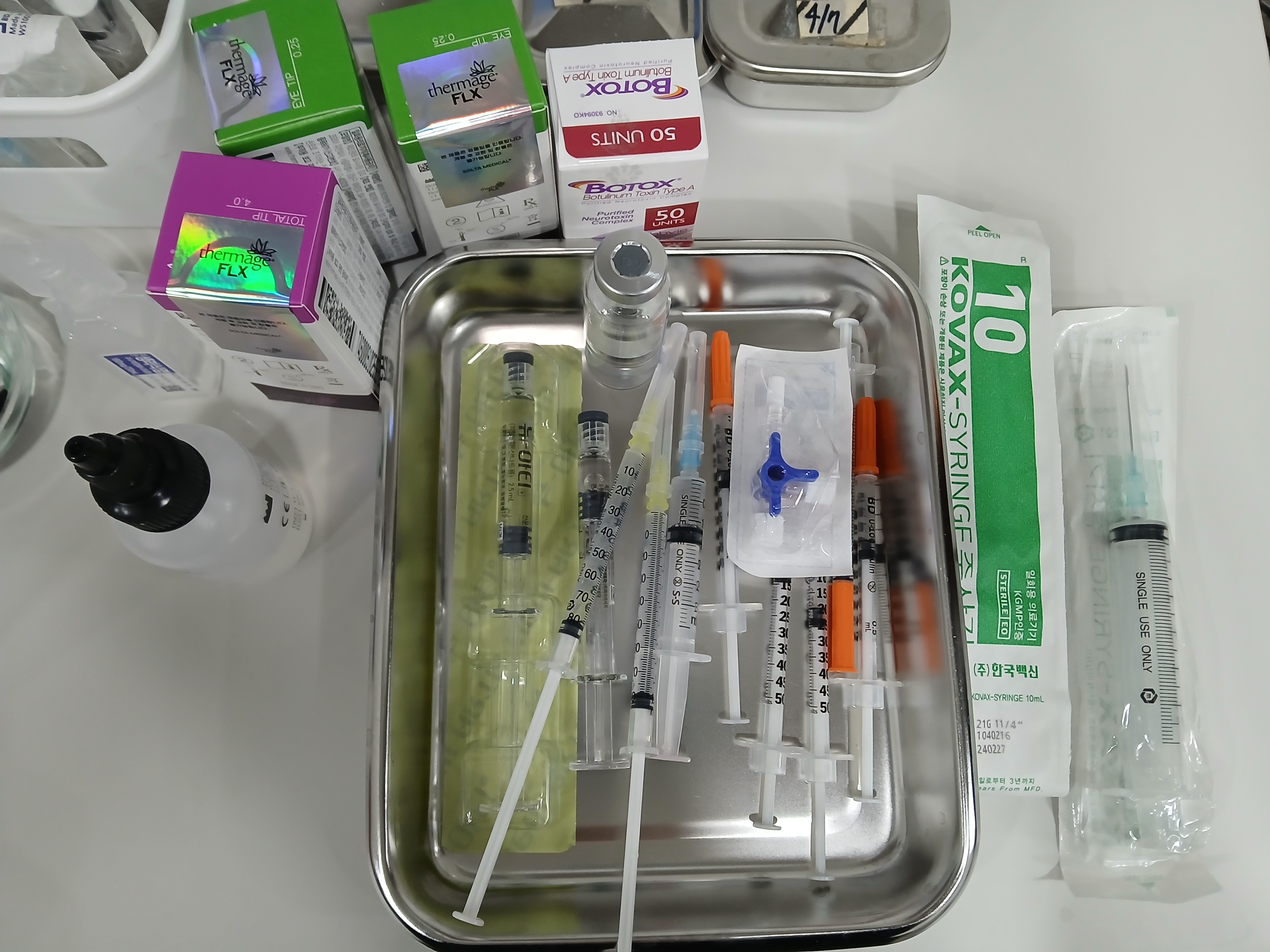
I am Dr. Park Hyung-kwon, a dermatology specialist at LUNN. In this guide, I will explain how we utilize a 'Layered Design' philosophy—addressing everything from the deep SMAS layer to the superficial dermis—to revitalize skin texture and structure. Please keep in mind that individual results may vary, and a professional consultation is essential to determine the most appropriate protocol for your unique skin profile.
Understanding Layered Revitalization in Korea for Skin Harmony
At LUNN, we believe that true beauty comes from balance rather than excessive change. Instead of focusing on a single 'miracle' laser, our approach involves analyzing the entire facial structure and aging patterns to create a customized roadmap. We often use the analogy that skin treatment is like house renovation: you cannot simply replace the wallpaper (the skin surface) without ensuring the foundation (the deep structural layers) is secure. By integrating technologies like Ultherapy for deep lifting and Thermage for dermal elasticity, we address the root causes of aging. Our goal is to provide a 'shining guide' for our patients, leading them toward natural results that respect their original features while enhancing overall skin health.
How the Layered Design Mechanism Works for Complex Skin Concerns
The fundamental philosophy at LUNN is 'Layered Design.' This involves targeting different depths of the skin with specific energies to trigger a comprehensive healing response. For the deepest support, we target the SMAS (Superficial Musculoaponeurotic System) layer to provide a lifting effect from the inside out. Simultaneously, we address the dermis to stimulate the production of new collagen and elastin fibers, a process known as dermal remodeling. In my clinical experience, focusing solely on the surface often leads to unnatural results. By treating the skin in layers, we ensure that the structural integrity is improved globally. This method is particularly effective for patients experiencing both a loss of elasticity and subtle texture irregularities. The surrounding untreated tissue in fractional approaches facilitates recovery, though it is important to note that the rate of collagen synthesis depends heavily on the individual's biological response and post-treatment care.
Key Differences Between Lifting Modalities and Surface Resurfacing
One of the most important distinctions in modern dermatology is understanding which device targets which layer. While surface lasers might focus on pigment or micro-texture, lifting devices like Ultherapy and Thermage work on the architecture of the face. Ultherapy uses focused ultrasound to reach the deep fascia, providing a lift that was previously only possible through surgical means. Thermage, on the other hand, uses radiofrequency to provide uniform heating across the dermis, tightening the skin and refining pores. During consultations at LUNN, I often explain that while some devices might offer immediate surface changes, these layered treatments focus on long-term structural health. This distinction is crucial for patients who want to avoid the 'over-filled' or 'frozen' look often associated with poorly planned procedures. By selecting the right energy for the right depth, we minimize unnecessary thermal load on the epidermis while maximizing the regenerative potential of the deeper tissues.
Core Benefits and Targeted Applications of Synergy Therapy
Synergy therapy at LUNN serves as a comprehensive solution for those seeking to correct both structural laxity and superficial signs of aging. By layering treatments, we can address multiple concerns in a single period, provided the skin's barrier is respected.
Pore Refining and the 'Shadow Eraser' Strategy for Under-Eyes
Rough skin texture and dark circles are among the most common concerns I see. However, dark circles are often caused by the 'tear trough ligament' pulling the skin, creating a physical shadow rather than just a pigment issue. At LUNN, we use a 'Shadow Eraser' strategy, often utilizing low-hydrophilic fillers like Belotero to fill the hollows without the risk of the Tyndall effect (bluish swelling). This refinement, combined with mild laser energy to tighten the dermal matrix, visually reduces the appearance of pores and refreshes the under-eye area. We observe that patients who feel they look 'constantly tired' benefit most from this targeted approach. It is not about simply adding volume, but about smoothing the transition between the 'mountain and the valley' of the facial contours. While results are significant, maintaining a smooth complexion also requires consistent protection against environmental stressors like UV rays, which can otherwise trigger recurrent texture issues.
Addressing Fine Lines and Early Signs of Aging Through Collagen Synthesis
The appearance of fine lines is a direct indicator of collagen depletion in the dermis. Our protocols target these specific areas by delivering energy that encourages the synthesis of type I and type III collagen. In my practice at LUNN, I have found that synergy between skin boosters and thermal energy is particularly effective. As I often tell my patients, 'It is like watering dry soil before planting'; we improve the skin's internal environment with boosters before using lasers to stimulate growth. This dual-action approach helps to firm the skin and soften dynamic lines before they become permanent wrinkles. Because these treatments are designed to be minimally invasive, they preserve the protective outer layer of the skin. Patients typically report a gradual improvement in skin firmness as the new collagen network matures, leading to a natural enhancement of the facial contours over several weeks to months.
Comparative Analysis: Ultherapy vs. Thermage vs. ONDA
Choosing the right treatment requires understanding how each technology interacts with your skin's anatomy. The following table provides a neutral comparison of the core lifting and tightening options available at LUNN.
| Feature | Ultherapy | Thermage | ONDA |
|---|---|---|---|
| Target Layer | Deep SMAS Layer | Dermis (Full thickness) | Dermis & Subcutaneous Fat |
| Primary Goal | Structural Lifting | Elasticity & Tightening | Volume Reduction & Tightening |
| Mechanism | Micro-Focused Ultrasound | Monopolar Radiofrequency | Coolwaves™ (Microwaves) |
| Downtime | Minimal (Mild swelling) | Minimal (Mild redness) | Almost None |
| Best For | Sagging Jowls & Brow | Fine Lines & Pore Texture | Double Chin & Face Slimming |
Downtime and Recovery Expectations
Recovery speed varies significantly based on the intensity of the treatment and the individual’s skin sensitivity. Unlike aggressive ablative lasers of the past that required weeks of recovery, modern lifting and synergy treatments at LUNN allow for a much faster return to daily life. For instance, most patients experience only mild redness or slight swelling that typically resolves within a few days. We advise our patients that they might feel a sense of internal tightness or 'muscle ache' in the treated areas, which is a normal sign that the deep tissues are responding to the energy. At LUNN, we emphasize that 'the start is the treatment, but the completion is the aftercare.' We provide specific hydration and cooling protocols to ensure the skin recovers without complication. Strict sun protection is mandatory during this period to prevent any secondary pigment issues, ensuring that the path to revitalization remains smooth and effective.
Selecting the Right Treatment Based on Professional Diagnosis
Skin sensitivity and structural needs must be assessed by a specialist before any energy-based treatment. At LUNN, we perform a thorough 'state analysis,' where I manually check the muscle thickness, wrinkle depth, and fat distribution of each patient. It is a common misconception that a 'stronger' treatment is always better. In reality, applying high energy to a thin skin barrier can lead to chronic inflammation or volume loss in the wrong areas. The 'Refining the Details' philosophy means we sometimes choose a more conservative approach initially to see how the skin reacts. For those with inflammatory conditions or thin skin, we may recommend conditioning the skin barrier first. A professional diagnosis is the only way to ensure that the chosen wavelength and energy settings will harmonize with your unique skin profile rather than causing unnecessary stress to the tissue.
The LUNN Approach: Strategic Layering and Personalized Protocols
At LUNN, we believe that achieving facial harmony requires more than just high-end technology. It requires a strategic understanding of how different treatments interact with the skin's various layers over time.
Precision Settings for Delicate Areas and Under-Eyes
The skin surrounding the eyes is the thinnest on the face, requiring extreme precision. When addressing this area, I utilize specific parameters to avoid affecting the delicate periorbital structures. Our protocol at LUNN often involves a combination of light thermal stimulation and low-hydrophilic fillers to address both the skin quality and the structural hollows. By carefully mapping the treatment area and avoiding 'over-filling,' we ensure that the results look natural even when the patient is smiling or expressing emotion. We also strictly avoid aggressive treatments that could lead to persistent edema or the Tyndall effect. This meticulous attention to detail allows us to treat the eye area effectively, providing a refreshed look without the 'surgical' appearance. I always emphasize to my patients that in the eye area, 'less is often more,' and achieving the best result may require a phased approach over multiple sessions.
Synergy Effects When Combined with Skin Boosters
Combining dermal energy treatments with skin boosters is a signature strategy at LUNN to enhance the overall regenerative effect. We believe that while lasers and lifting devices provide the 'stimulus,' skin boosters provide the 'nutrition' necessary for the skin to rebuild itself. By delivering polynucleotides (PN) or specialized hyaluronic acid into the dermis, we create an environment that maximizes collagen synthesis. This synergy not only improves the visible results but also helps the skin barrier recover faster from the thermal energy. We carefully time these combination treatments based on the patient’s skin condition, ensuring that each step complements the other. This 'Layered Design' philosophy ensures that we are not just treating symptoms, but actually improving the long-term health and resilience of the skin. For further details on how we combine these modalities, our guide on A Specialist's 2026 Guide to Non-Surgical Skin Regeneration Synergy: Achieving Perfect Harmony provides in-depth insights.
Safety Standards and Potential Side Effects to Consider
While advanced lifting and revitalization treatments are generally safe, understanding potential side effects is vital for a successful outcome. Every medical procedure involves a degree of risk, and transparency is a core value in my practice.
Managing Temporary Redness and Individual Responses
Following a session, it is normal to experience mild erythema (redness) or a sensation of warmth. These are part of the body's natural inflammatory response that leads to skin revitalization. At LUNN, we provide specialized post-treatment care, including cooling and barrier-reinforcing protocols, to soothe the skin immediately. Some patients may experience temporary swelling or minor bruising, particularly in areas treated with fillers or high-intensity ultrasound. These symptoms usually subside within a few days to a week. It is important to avoid scrubbing the face or using harsh chemical exfoliants during the initial recovery phase. Consistency in following the post-care instructions provided by our medical staff is the key to minimizing complications and maximizing the long-term benefits of the procedure. If any unexpected reactions occur, we encourage immediate contact with our clinic for a follow-up assessment.
Post-Treatment Sun Protection and Maintenance
The skin becomes temporarily more sensitive to UV radiation after energy-based treatments. Exposure to the sun without adequate protection can lead to post-inflammatory hyperpigmentation (PIH) or a reduction in the efficacy of the treatment. At LUNN, we stress the importance of daily broad-spectrum sunscreen application and deep hydration. The energy delivered during lifting treatments can temporarily dry out the epidermis, making ceramides and hyaluronic acid essential components of your post-care ritual. Avoiding high-heat environments like saunas or hot yoga for at least one week is also recommended to prevent prolonged inflammation. By maintaining a dedicated hydration and protection routine, you support the remodeling process and extend the longevity of your results. For those interested in maintaining a refined complexion, our A Specialist's 2026 Guide to Pore and Fine Line Reduction Synergy: Achieving Facial Harmony at LUNN offers additional maintenance strategies.
Key Takeaways
- LUNN utilizes a 'Layered Design' philosophy, targeting the SMAS, dermis, and epidermis for balanced, natural results.
- The 'Shadow Eraser' strategy for dark circles focuses on structural correction using low-hydrophilic fillers to minimize side effects like the Tyndall effect.
- Lifting treatments like Ultherapy and Thermage offer different target depths; choosing the right one requires a professional diagnosis of skin thickness and aging patterns.
- Synergy between thermal devices and skin boosters provides the 'stimulus and nutrition' necessary for optimal collagen remodeling.
- Strict adherence to post-treatment hydration and sun protection is essential to prevent hyperpigmentation and ensure a smooth recovery.
Frequently Asked Questions
Q. What is the 'Layered Design' approach at LUNN?
The Layered Design approach is our signature philosophy of analyzing and treating the skin at multiple depths. Instead of using one device for everything, we might use Ultherapy for the deep structural lift and Thermage for surface elasticity. This ensures that the results are harmonious and address the root causes of aging rather than just the superficial symptoms. Honestly speaking, a single-layer approach rarely provides the natural, long-lasting results that our patients expect.
Q. How do you treat dark circles without causing puffiness?
We use what we call the 'Shadow Eraser' strategy. Most dark circles are caused by structural shadows from the tear trough ligament. We use 'low-hydrophilic' fillers, such as Belotero, which do not attract excessive water. This minimizes the risk of the 'Tyndall effect' or morning puffiness. I always tell my patients that the goal is not to fill the eye area completely, but to smooth the transition for a natural, rested look.
Q. Is there a lot of downtime with these lifting treatments?
Generally, no. Most lifting and tightening treatments like Ultherapy or Thermage are non-ablative, meaning the surface of the skin stays intact. You might experience some redness or mild swelling for a few days, but most patients return to their social lives almost immediately. However, recovery speed is individual, and following our post-treatment hydration protocol is crucial for a smooth experience.
Q. Why is a professional diagnosis by a dermatologist so important?
Because every face is different. Some patients have thicker skin that requires more energy, while others have a thin skin barrier that could be damaged by aggressive settings. At LUNN, I personally perform a 'state analysis' to check muscle and fat distribution before any procedure. The 'best' device is useless if the parameters are not customized to your specific anatomy.
Q. How long do the results of these revitalization treatments last?
While immediate tightening can be seen, the true results from collagen remodeling typically peak between 3 to 6 months. These results can last for a year or more, depending on your lifestyle and how well you protect your skin from the sun. We often recommend a maintenance plan to ensure that the 'foundation' of your skin remains strong as you continue to age naturally.
Q. Can I combine lasers with Botox and fillers at the same time?
Yes, synergy is a key part of our protocols, but the timing must be managed carefully. We usually recommend a specific sequence to ensure the heat from lasers does not negatively affect the injectables. During your consultation, I will design a plan that layers these treatments safely to achieve total facial harmony. For more updates on our latest clinical insights, you can follow @dr.lunn on Threads.
LUNN / Dr. Park Hyung-kwon
FAQ
- What exactly is Re2O laser treatment and how does it help the skin?
- Re2O is a specialized fractional laser technology designed to resurface the skin by creating microscopic thermal zones. This process stimulates the natural healing response and collagen production to improve texture and tone. In my clinical experience at lunnclinic, it is particularly effective for those seeking subtle yet meaningful refinements in skin clarity without the aggression of traditional ablative lasers. By leaving the surrounding tissue intact, it allows for a much faster recovery while still reaching the deeper dermal layers where collagen resides.
- How many sessions are typically required to see visible improvements?
- While some patients notice a smoother texture after a single session, a series of 3 to 5 treatments spaced at specific intervals is often recommended for cumulative results. However, individual responses vary based on skin condition and aging concerns. We always tailor the frequency to your specific dermal thickness and sensitivity during your initial consultation. The new collagen continues to form for several months after the final session, meaning the results often improve over time as the skin matures.
- Is the Re2O laser treatment painful for patients?
- Most patients describe the sensation as a series of warm prickles across the treatment area. We apply a topical anesthetic cream beforehand to ensure maximum comfort during the procedure. While 'painless' is not an accurate medical claim, the procedure is generally well-tolerated by those visiting our clinic in Cheongdam. Post-procedure warmth usually subsides within a few hours, and we provide cooling protocols to manage any residual discomfort immediately after the session.
- What is the typical downtime and recovery period after Re2O?
- Mild redness and slight swelling are common for 1 to 3 days following the procedure, similar to a light sunburn. Tiny micro-crusts may form, which naturally shed within a week as the skin regenerates. It is crucial not to scrub or exfoliate the skin during this time to avoid irritation. Most patients return to their daily routines immediately, provided they use adequate sun protection and maintain proper hydration as advised by our medical staff.
- Are there any specific side effects I should be aware of?
- Temporary redness, dryness, and mild itching are standard parts of the healing process as the skin resuscitates itself. In rare cases, temporary hyperpigmentation can occur if strict sun protection is neglected during the recovery phase. We provide a detailed post-care guide at lunnclinic to minimize these risks and ensure the skin barrier recovers healthily. If you have a history of cold sores or extremely sensitive skin, please inform us so we can take appropriate preventative measures.
- Can Re2O laser be combined with other treatments like Botox or Fillers?
- Yes, Re2O can be part of a comprehensive skin design plan to achieve total facial harmony. However, the sequence and timing of these treatments are very important to avoid complications. We usually recommend a specific gap between laser resurfacing and injectables to allow the tissue to settle and the inflammatory response to subside. During your consultation, I evaluate the 'layering' of treatments to ensure that each modality enhances the other without putting undue stress on the skin.
- How do I know if Re2O is the right choice for my specific skin type?
- Re2O is versatile but not universal, and its suitability depends on your specific skin goals and current condition. It works best for individuals with enlarged pores, fine lines, or mild textural irregularities who want to avoid long downtime. For those with active inflammatory conditions or extremely thin skin barriers, alternative treatments may be safer or more effective. A professional diagnosis by a dermatologist at lunnclinic is essential to determine if your skin will benefit from this specific fractional wavelength.