
Post
A Dermatologist's 2026 Guide to Precision Facial Design and Filler Treatments
Hello, I am Dr. Hyungkwon Park, a board-certified dermatologist at LUNN in the Cheongdam and Apgujeong Rodeo area. Precision facial design and filler applications represent a highly structured dermatological approach that prioritizes structural harmony over superficial enhancement.
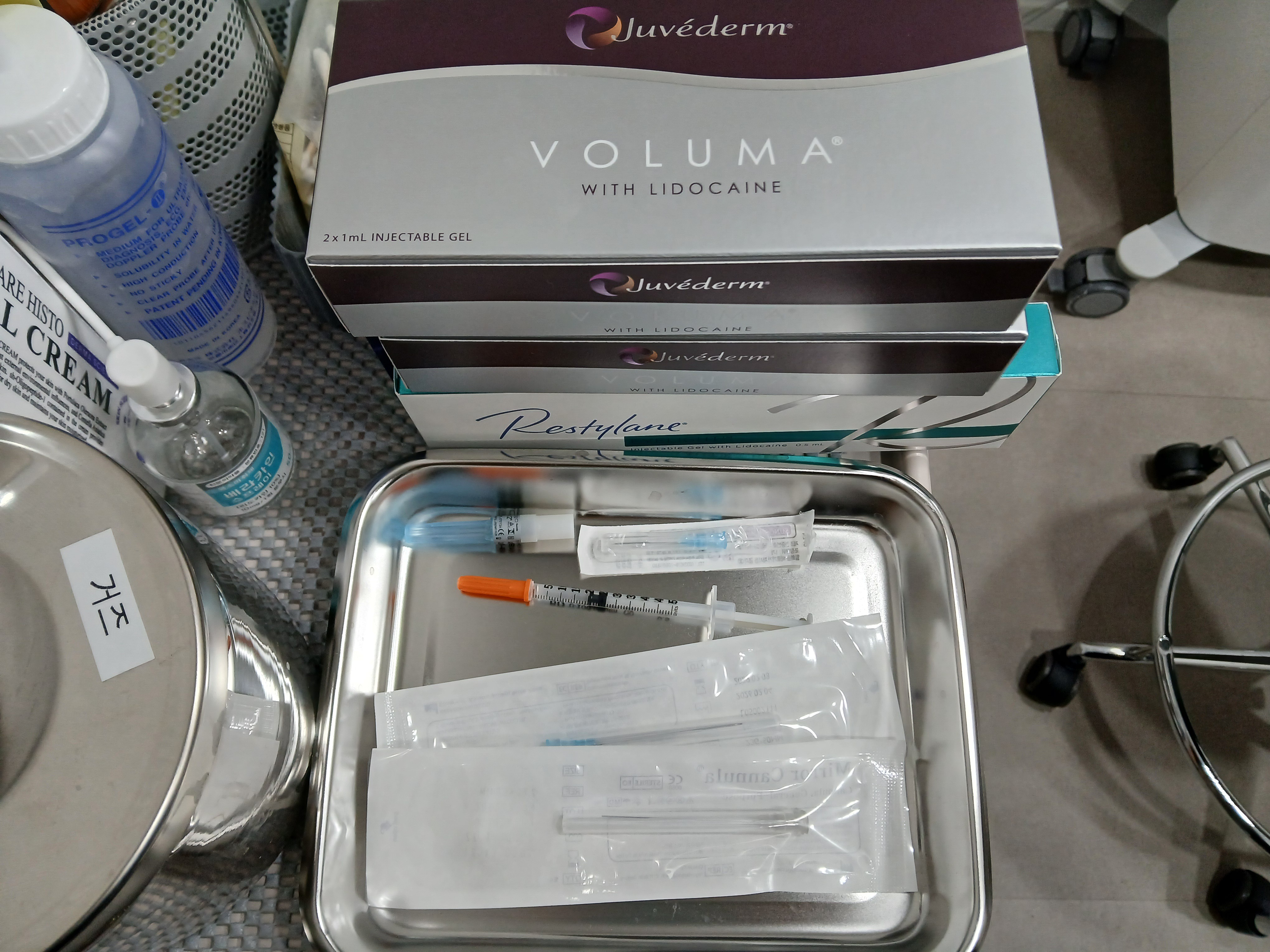
Rather than merely addressing isolated lines or wrinkles, this methodology focuses on restoring the natural proportions and structural integrity of the entire face. As a board-certified dermatologist, I emphasize that every individual exhibits a distinct anatomical architecture, which demands a highly customized strategy. Achieving a refined appearance involves deep knowledge of facial layers, patient-specific dynamics, and an understanding that subtle refinements yield the most harmonious, sophisticated outcomes.
1. Understanding Precision Facial Design and Dermal Fillers
Precision facial design represents a comprehensive approach to non-surgical structural restoration that balances facial symmetry while preserving individual expressive characteristics. Traditional techniques historically focused on directly filing deep lines or isolated wrinkles, which occasionally led to unnatural, over-filled countenances. In contrast, modern volumetric design evaluates the face as an interconnected architectural unit. By strategically placing materials at precise anatomical points, we can support descending tissues, restore lost structural contours, and enhance light reflection across the facial planes without altering your inherent identity.
The Core Principles of Structural Facial Balance
Facial balance relies heavily on the proportional relationships between the upper, middle, and lower thirds of the face. In my clinical practice at lunnclinic, I analyze these relationships by assessing how bony resorption and soft tissue shifting affect your overall appearance. Precision facial design does not mean pursuing an arbitrary template; instead, it involves evaluating how shadows fall across areas like the temples, mid-face, and jawline. Maintaining a balanced distribution of volume supports the surrounding tissues naturally. By addressing these foundational changes, we can restore structural support and achieve a refreshed look that respects the natural constraints of your unique anatomy.
Transitioning from Traditional Line Filling to Personalized Contour Design
Traditional dermal treatments frequently relied on a localized approach, treating isolated folds such as the nasolabial lines directly. This method often overlooked the underlying cause of tissue descent, which frequently originates from volume loss in the mid-face or malar region. Modern personalized contour design instead prioritizes three-dimensional volumetric restructuring. By anchoring structural materials deeper near the periosteum or within deep fat spaces, the superficial layers receive natural lift and support. For individuals seeking comprehensive anti-aging insights, combining these structural designs with an Anti-Aging Clinic for Skin Elasticity Guide can help optimize overall tissue longevity and skin health.
2. Anatomical Considerations for Natural Volume Restructuring
Natural volume restructuring requires a precise understanding of the multilayered anatomy of the human face, which includes bone, deep fat, muscle, superficial fat, and skin. As time progresses, these layers undergo distinct changes, including bone remodeling and the separation or migration of fat compartments. To ensure that dermal enhancements remain imperceptible and graceful, treatments must be tailored to these specific structural shifts. Injecting material without respecting these anatomical boundaries can result in unnatural contours or tracking, particularly when the face moves during speech or emotional expressions.
Evaluating the Multilayered Fat Compartments of the Face
The facial fat is strictly organized into distinct superficial and deep compartments separated by fascial networks. Deep fat compartments provide foundational support and fullness, whereas superficial fat compartments contribute to the smooth, continuous contours of youth. During the aging process, deep fat compartments tend to atrophy, causing the overlying superficial fat and skin to shift downward under the influence of gravity. In order to provide stable, natural-looking results, structural volume must be replenished precisely within these deep spaces. This foundational placement ensures that the superficial layers drape naturally over the newly supported structure.
Adapting Injections to Dynamic Muscle Movements and Expressions
A critical aspect of precision facial design is accounting for the continuous activity of the muscles of facial expression. Static evaluation alone is insufficient, as static faces do not reflect daily human interactions. Volumetric materials must be placed in a manner that allows them to integrate seamlessly with dynamic muscle movements, avoiding any stiffness or unnatural resistance during smiling or speaking. Misplacement or over-correction within active muscle zones can lead to visible displacement or a frozen appearance. Therefore, analyzing individual muscular patterns during your initial assessment allows for strategic placement that moves in perfect harmony with your natural expressions.
3. Comparative Analysis of Volumizing Materials and Structural Alternatives
Selecting the appropriate material is a cornerstone of achieving predictable, safe, and satisfactory structural outcomes. Modern dermatology offers a diverse array of options, ranging from temporary, reversible hyaluronic acid compounds to progressive collagen biostimulators. Each product class possesses unique rheological properties, such as elasticity and viscosity, which dictate its suitability for specific facial zones and depths. Understanding these differences allows for an informed decision tailored to your tissue quality and structural goals.
| Material Category | Primary Mechanism | Longevity Profile | Reversibility | Optimal Placement Depth |
|---|---|---|---|---|
| Hyaluronic Acid (HA) | Immediate hydrophilic volume restoration | Temporary (typically 6–18 months) | Fully reversible via hyaluronidase | Deep periosteal to superficial subdermal |
| Collagen Biostimulators (PDLLA/PLLA) | Progressive endogenous collagen induction | Extended (typically 18–24 months) | Non-reversible; gradual degradation | Deep subdermal or supraperiosteal |
| Polynucleotides (PN) | Tissue rejuvenation and micro-volume | Progressive over multiple sessions | Non-reversible; natural bio-integration | Dermal or superficial subdermal |
Hyaluronic Acid Compounds Versus Direct Collagen Biostimulators
Hyaluronic acid compounds are widely utilized due to their immediate volume enhancement and excellent safety profile, given that they can be dissolved rapidly if adjustments are required. These materials work by binding water molecules, providing predictable structure and hydration to the targeted areas. Conversely, direct collagen biostimulators, such as PDLLA or PLLA, do not provide immediate, space-occupying volume. Instead, they act as a scaffold that stimulates the body's natural fibroblasts to produce new type I and type III collagen over several months. This results in a gradual, highly integrated structural support system that improves overall tissue quality.
Assessing Longevity, Reversibility, and Tissue Integration Profiles
The choice between a reversible or progressive material depends heavily on the specific anatomical zone and the patient's preferences. Hyaluronic acid products generally persist for 6 to 18 months, depending on the cross-linking technology and individual metabolic rates, offering the peace of mind of total reversibility. Collagen biostimulators offer extended longevity, often maintaining structural integrity for up to 24 months, but they require meticulous placement since they cannot be instantly dissolved. For patients looking to combine volumetric design with advanced surface lifting, reviewing a Specialist's 2026 Guide to Ultherapy and Thermage Synergy Treatment: Achieving Facial Harmony at LUNN can offer comprehensive insights into multi-layered rejuvenation.
4. Procedural Protocols and Advanced Safety Management at lunnclinic
At lunnclinic, advanced safety and meticulous precision form the core of every clinical protocol. The face contains a complex network of blood vessels and nerves, making safety an absolute priority where we focus on prioritizing patient safety to minimize potential risks through rigorous standards rather than generalized, high-volume approaches. Utilizing advanced anatomical knowledge, appropriate delivery tools such as blunt microcannulas, and strict aseptic techniques ensures that every procedure is conducted with the highest regard for patient well-being and structural accuracy.
The Importance of the 1mm Detail in Tailored Consultations
Every successful treatment at lunnclinic begins with a comprehensive, private consultation where I personally evaluate the subtle, 1mm variations in your facial architecture. These minuscule differences in bone structure, tissue thickness, and muscle tone dictate the exact entry points and volumes required for a balanced result. Avoiding factory-style, standardized treatments is essential for preserving the unique characteristics of your face. By spending dedicated time mapping these exact coordinates, the resulting design remains completely tailored to your personal aesthetic goals, ensuring an outcome that feels both sophisticated and inherently natural.
Managing Expected Side Effects and Practical Treatment Boundaries
While precision procedures are minimally invasive, it is important to recognize that temporary side effects are a normal part of the tissue integration process. Patients may experience mild swelling, localized bruising, and temporary tenderness at the injection site, which typically resolve within a few days to a week. Rare but significant complications, such as vascular occlusion, require immediate specialized intervention using dissolving enzymes. The inherent healing response and final volume retention vary between individuals, and achieving optimal structural harmony may require multi-session adjustments. Detailed pricing and tailored product recommendations are provided exclusively during private consultations to match your specific structural needs.
For further insights into professional clinical care and ongoing dermatological advice, you can connect directly via Threads at @dr.lunn. Additionally, patients exploring refined contouring options may benefit from reading a Specialist's 2026 Guide to Customized 3D Facial Contouring: Achieving Harmony at LUNN to understand how multi-dimensional design enhances global facial balance.
Key Takeaways
- Precision facial design focuses on overall structural harmony and natural proportions rather than simply filling isolated surface wrinkles.
- Treatments must be carefully adapted to the distinct deep fat compartments and dynamic muscle movements of the face to ensure natural expressions.
- Hyaluronic acid options provide immediate volume and complete reversibility, while collagen biostimulators offer gradual, long-term tissue support.
- Meticulous safety protocols, microcannula techniques, and a focus on 1mm structural details are essential for minimizing risks and achieving refined results.
- Expected temporary responses include mild swelling and bruising, and final volumetric outcomes always depend on individual tissue characteristics.
Frequently Asked Questions
Q. What constitutes precision facial design with filler treatments?
Precision facial design focuses on the balanced restoration of volume rather than simple line-filling. I analyze the unique bone structure and fat compartments of each individual to maintain natural facial expressions and proportional harmony.
Q. What should patients consider regarding the cost of this procedure?
The financial investment depends entirely on the specific type of product selected and the structural requirements of your face. Detailed pricing structures are provided following a comprehensive, private consultation at lunnclinic.
Q. What are the primary differences between temporary fillers and collagen stimulators?
Hyaluronic acid dermal fillers offer immediate volume enhancement and can be fully reversed if necessary. Collagen biostimulators, such as PDLLA or PN, encourage the natural production of tissue over time, which offers a different trajectory of structural support.
Q. What potential risks or side effects should individuals be aware of?
Standard temporary side effects include mild swelling, localized bruising, and tenderness at the injection site. While severe issues like vascular compromise are rare, selecting an experienced specialist reduces these risks, though individual healing responses always vary.
Q. How does the personalized mapping approach at lunnclinic differ from standard methods?
I personally manage every step of the process, avoiding standardized, factory-style procedures. By evaluating the subtle 1mm details of your facial dynamics, the goal is to achieve a refined result aligned with the sophisticated aesthetic values of the Cheongdam region.
Q. Are there non-surgical alternatives to fillers for facial contouring?
Yes, alternatives include energy-based lifting devices or autologous tissue stimulators. The ideal choice depends on whether your skin requires structural volume restoration or surface tightening, which we determine during clinical evaluation.
Q. What are the necessary post-procedure guidelines to follow?
It is advisable to avoid strenuous physical exercise, intense heat exposure, and deep facial massages for at least one week. For ongoing dermatological insights and advice, you can connect with me directly on Threads at @dr.lunn.
lunnclinic / Board-Certified Dermatologist Dr. Hyungkwon Park
FAQ
- What constitutes precision facial design with filler treatments?
- Precision facial design focuses on the balanced restoration of volume rather than simple line-filling. I analyze the unique bone structure and fat compartments of each individual to maintain natural facial expressions and proportional harmony.
- What should patients consider regarding the cost of this procedure?
- The financial investment depends entirely on the specific type of product selected and the structural requirements of your face. Detailed pricing structures are provided following a comprehensive, private consultation at lunnclinic.
- What are the primary differences between temporary fillers and collagen stimulators?
- Hyaluronic acid dermal fillers offer immediate volume enhancement and can be fully reversed if necessary. Collagen biostimulators, such as PDLLA or PN, encourage the natural production of tissue over time, which offers a different trajectory of structural support.
- What potential risks or side effects should individuals be aware of?
- Standard temporary side effects include mild swelling, localized bruising, and tenderness at the injection site. While severe issues like vascular compromise are rare, selecting an experienced specialist reduces these risks, though individual healing responses always vary.
- How does the personalized mapping approach at lunnclinic differ from standard methods?
- I personally manage every step of the process, avoiding standardized, factory-style procedures. By evaluating the subtle 1mm details of your facial dynamics, the goal is to achieve a refined result aligned with the sophisticated aesthetic values of the Cheongdam region.
- Are there non-surgical alternatives to fillers for facial contouring?
- Yes, alternatives include energy-based lifting devices or autologous tissue stimulators. The ideal choice depends on whether your skin requires structural volume restoration or surface tightening, which we determine during clinical evaluation.
- What are the necessary post-procedure guidelines to follow?
- It is advisable to avoid strenuous physical exercise, intense heat exposure, and deep facial massages for at least one week. For ongoing dermatological insights and advice, you can connect with me directly on Threads at @dr.lunn.