
Post
A 2026 Specialist's Guide to Pore and Fine Line Reduction Treatment for Natural Harmony
Hello, I am Dr. Hyung-kwon Park, a dermatologist at LUNN specializing in precision facial design.
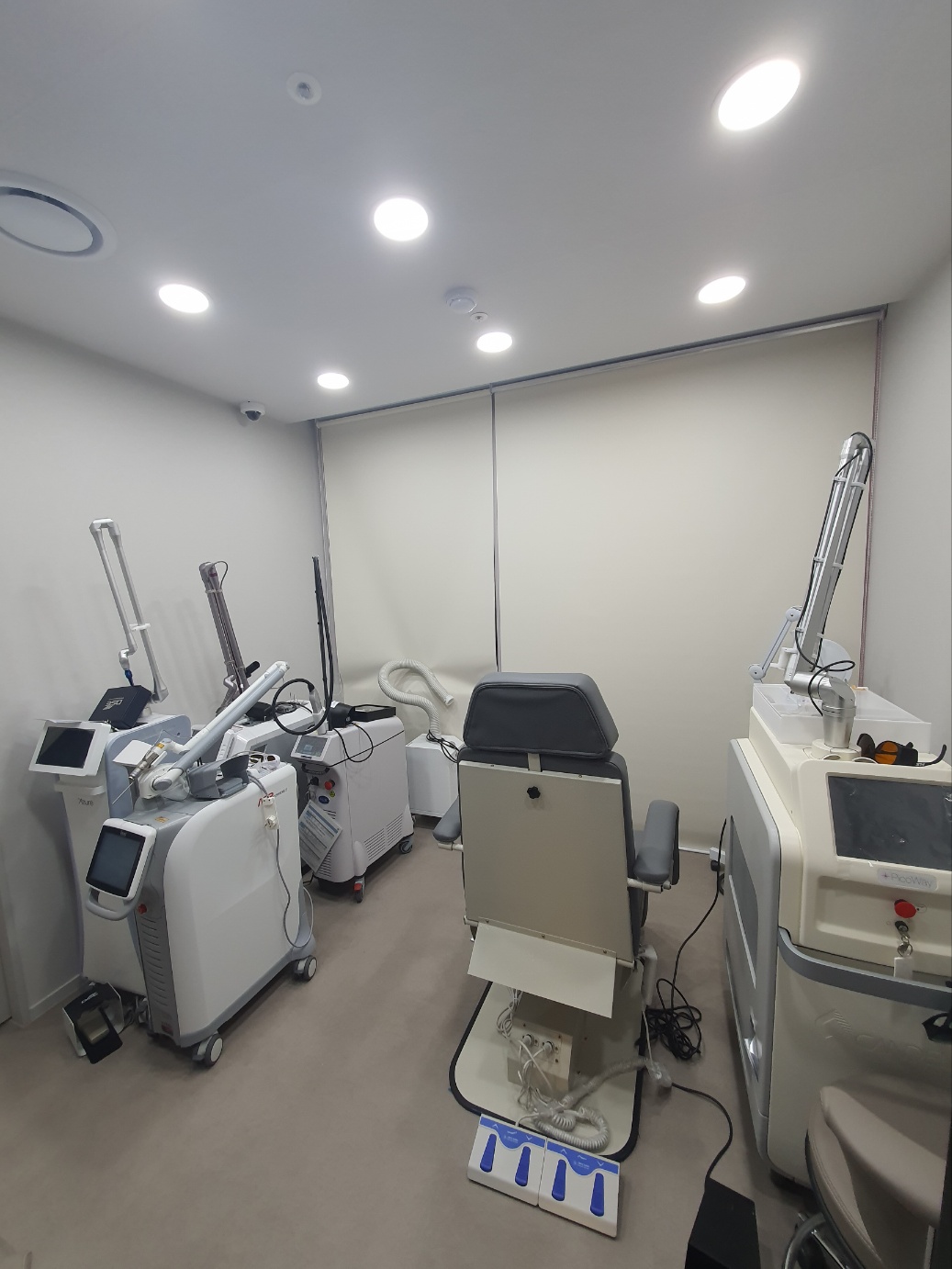
Achieving natural harmony requires more than just addressing surface-level concerns; it involves a deep understanding of skin structure and the subtle details that define a youthful appearance. At LUNN, our philosophy is 'Refining the Details. Achieving Perfect Harmony.' Pore and fine line reduction treatment refers to clinical procedures aimed at minimizing the appearance of dilated pores and smoothing shallow wrinkles through collagen induction and structural skin remodeling.
Understanding Pore and Fine Line Reduction Treatments
Pore and fine line reduction treatments are specialized dermatological interventions designed to improve the skin's surface texture by addressing the underlying structural integrity of the dermis. These procedures utilize various technologies, such as Thermage and medical-grade topicals, to stimulate the body's natural regenerative processes, resulting in a smoother and more refined skin appearance.
The Biological Connection Between Pore Size and Aging
Aging skin undergoes significant structural changes where collagen density decreases, leading to visible surface alterations. At LUNN, we observe how the dermal layer loses its essential scaffolding, causing pore walls to sag and appear more prominent. Clinical research indicates that natural collagen production gradually decreases every year after a person reaches their mid-20s. This loss of elasticity transforms once-circular pores into elongated, teardrop shapes, which further emphasizes the appearance of fine lines across the face. Most patients require multiple sessions to notice significant biological shifts in their skin texture. By targeting the mid-to-deep dermal layers, we address the root cause rather than just the visible surface. This approach ensures that the skin's foundation is reinforced—much like fixing the structural frame of a house before applying wallpaper—allowing the exterior to appear naturally smoother and more resilient against the gravitational effects that typically exacerbate pore visibility over time.
Defining Skin Texture Refinement Treatments
Skin texture refinement involves a multifaceted approach using lasers, energy-based devices, and skin boosters to normalize both the epidermis and the dermis. At LUNN, we classify these treatments based on the specific biological needs of each patient, whether they require thermal energy for tightening or nutrient-rich solutions for hydration. A significant portion of texture issues stem from a combination of chronic dehydration and cumulative sun damage. A standard clinical protocol often involves combining distinct modalities to achieve a truly harmonious finish. These treatments specifically aim to stimulate fibroblasts, the cells responsible for secreting vital collagen proteins. While general cosmetic products work on the surface of the skin, clinical refinement focuses on the deeper layers where significant structural change occurs. Please note that individual results may vary depending on your specific skin condition.
Why Topical Skincare Often Falls Short of Clinical Results
Topical products often struggle to penetrate the skin's natural lipid barrier, which significantly limits their efficacy for structural issues like deep pores and persistent fine lines. Most active ingredients in standard over-the-counter serums do not reach the mid-dermis where they can exert a meaningful effect. At LUNN, we utilize advanced medical technology to bypass these barriers, delivering energy or essential nutrients exactly where they are needed most. Most cosmetic products provide temporary hydration rather than long-lasting structural modification. However, in specific clinical cases, professional interventions can trigger a significant increase in localized collagen density over time. This fundamental difference explains why clinical protocols are preferred for achieving significant rejuvenation. While a consistent skincare routine is helpful for daily maintenance, it rarely addresses sagging pore walls or static lines that have already formed. Transitioning to professional treatments allows for a more targeted and scientifically validated method of improving skin health.
Dermatologist-Led Facial Design for Rejuvenation
Dermatologist-led facial design is a philosophy that treats the face as a unified landscape rather than a collection of isolated parts. By analyzing the unique contours and shadows of each patient, a specialist can create a treatment plan that enhances natural beauty while maintaining the subtle proportions that signify health and vitality.
Analyzing Layer-by-Layer Skin Structure for Optimal Results
Optimal results in skin rejuvenation require a precise analysis of the skin’s multiple layers, from the superficial epidermis to the deep subcutaneous tissue. At LUNN, we utilize high-resolution diagnostic tools to map the specific thickness and elasticity of these layers. Research shows that skin thickness varies significantly across the face, with certain areas being much thinner than the cheeks. By understanding these variations, we can adjust the intensity of treatments like the Skin Texture Refinement Treatment to avoid over-treatment in sensitive zones. Precise depth control allows for the stimulation of collagen without damaging surrounding tissues. This layer-by-layer approach ensures that the structural integrity of the skin is improved uniformly. Patients typically observe a gradual refinement in texture over several weeks as the skin completes its natural turnover cycle, leading to a more balanced and refreshed appearance.
Refining the Details: Achieving Harmony in Facial Texture
Achieving harmony in facial texture involves more than just smoothing wrinkles; it requires a meticulous refinement of the details that contribute to a balanced complexion. As a specialist, I focus on the 'micro-shadows' created by enlarged pores and fine lines, which can make the skin appear dull or tired. At LUNN, we believe that a 1mm adjustment in texture can significantly alter how light reflects off the skin. By smoothing these micro-irregularities, we enhance the skin's natural luminosity and clarity. Clinical experience shows that treating the T-zone and U-zone with different parameters leads to a more natural result, as these areas have distinct sebaceous gland densities. Our Precision Design Dermatology approach ensures that every treatment is tailored to the patient's specific anatomy. While individual results may vary, the goal is always to create a seamless transition between different facial areas, avoiding the artificial look often associated with generic clinical protocols.
Comparing Clinical Approaches to Texture and Elasticity
Comparing different clinical approaches is essential for selecting which modality best suits a patient's specific concerns regarding skin texture and elasticity. Each technology offers unique benefits, and a side-by-side evaluation helps in managing expectations.
| Feature | Thermage | Skin Boosters | Premium Fillers |
|---|---|---|---|
| Primary Goal | Pore & Elasticity | Hydration & Glow | Volume Restoration |
| Depth of Action | Dermal Layer | Mid-Dermis | Deep Dermis/Sub-Q |
| Typical Sessions | 1 - 2 Sessions | 3 Sessions | 1 - 2 Sessions |
| Recovery Time | Mild Redness | 24 - 48 Hours | 3 - 7 Days |
| Effect Duration | 6 - 12 Months | 3 - 6 Months | 12 - 18 Months |
Non-Invasive Skin Tightening Technology vs. Skin Boosters
Non-invasive skin tightening technologies like Thermage and skin boosters represent two distinct yet complementary pillars of modern dermatology. Tightening devices work by delivering thermal energy to the deep dermis to contract existing collagen and stimulate new growth. In contrast, skin boosters involve the micro-injection of nutrients such as hyaluronic acid to improve hydration and cellular health. At LUNN, we often find that combining these two approaches yields superior results for patients with both laxity and surface dryness. Studies indicate that hydrated skin responds more efficiently to thermal treatments, enhancing the overall effect of tightening procedures. However, it is important to note that tightening devices may cause temporary redness, while boosters might result in small, temporary bumps at the injection sites. The choice depends on whether the primary concern is structural sagging or a lack of surface radiance.
Volume Restoration and Fine Line Filling with Premium Fillers
Volume restoration using premium fillers is a method for addressing deeper fine lines and structural hollows that lasers alone may not fully resolve. Unlike energy-based treatments that rely on the body's delayed biological response, fillers provide immediate structural support. At LUNN, we utilize advanced injection techniques—carefully adjusting dose and depth—to ensure that the filler integrates naturally with the patient's existing tissue. Clinical data suggests that modern hyaluronic acid fillers can last between 12 and 18 months, depending on the area treated and the individual's metabolism. These treatments are particularly useful for areas where volume loss is the primary driver of the visible line. While fillers offer rapid results, they do not improve the overall skin quality in the same way that lasers do. As with any injection, there is a small risk of bruising or swelling, which typically resolves within a week.
Advanced Synergies: Lifting and Texture Refinement
Advanced synergies involve the strategic combination of lifting techniques and texture refinement to address aging across multiple dimensions simultaneously. This holistic approach ensures that the skin is properly positioned and smooth, resulting in comprehensive rejuvenation.
Combining Lifting Procedures with Pore Tightening
Combining lifting procedures with pore tightening treatments addresses both the position and the quality of the skin. At LUNN, we often recommend this synergy for patients experiencing mild laxity along with enlarged pores. A lifting procedure provides the necessary structural improvement, while subsequent laser treatments like Thermage refine the skin's surface over the following weeks. Clinical observations indicate that addressing the deeper structure can potentially improve the results of surface-level texture treatments. This phased approach allows the tissue to stabilize, ensuring that energy-based devices work effectively. While these procedures are minimally invasive, potential side effects include temporary tenderness or swelling, which are carefully monitored during follow-up appointments to ensure a safe recovery process.
Addressing Double Chin Reduction for a Smoother Profile
Addressing double chin reduction is a critical component of achieving a more refined facial profile. At LUNN, we utilize ONDA technology, which targets localized fat through specialized energy while simultaneously promoting elasticity. In observed clinical cases, a significant reduction in localized fat thickness was noted over a series of sessions. Once the volume is reduced, the ONDA system also aids in skin tightening to ensure the remaining skin adheres firmly to the new, slimmer contour. This dual approach helps prevent the sagging that can sometimes occur after fat loss. Patients should be aware that results are not immediate, as the body requires time to naturally process the treated cells. Common temporary side effects include numbness or mild bruising in the treated area, which generally resolve without intervention.
Safety Protocols and Realistic Expectations
Safety protocols and realistic expectations are the foundation of any successful treatment at LUNN. By understanding the potential risks and the natural timeline of skin healing, patients can make informed decisions for their unique skin type.
Managing Potential Side Effects like Redness or Swelling
Managing potential side effects is a standard part of the clinical process at LUNN, ensuring a comfortable recovery. Most pore and fine line reduction treatments involve some degree of temporary erythema (redness) or edema (swelling) as the skin responds to the clinical stimulus. These reactions are typically mild and subside within 1 to 3 days for most procedures. We provide specialized post-care instructions to minimize discomfort and protect the newly sensitive skin. It is crucial for patients to avoid intense heat, such as saunas, following treatment to prevent exacerbating inflammation. While rare, more significant reactions like temporary hyperpigmentation can occur if post-care instructions or sun protection are not strictly followed. Our team, led by me, Dr. Hyung-kwon Park, remains available for consultations should any concerns arise during the healing phase.
Why Individual Results Vary Based on Skin Condition
It is vital to understand that individual results vary based on factors including age, genetics, and lifestyle. At LUNN, we emphasize that skin with significant sun damage may require more intensive protocols to achieve noticeable improvement. The baseline level of collagen and the skin's inherent regenerative capacity play major roles in determining the final outcome. For instance, a patient in their 30s may see results faster than a patient in their 50s. Furthermore, external factors such as daily UV exposure and hydration levels can influence how long the results last. We conduct thorough initial assessments to set realistic goals for each individual, focusing on measurable improvement and health rather than unrealistic perfection. This honest communication ensures that patients are satisfied with their progress and understand the long-term nature of maintaining high-quality skin texture.
Key Takeaways
- Pore size is closely linked to dermal collagen density, requiring treatments that target the deeper dermal layers.
- Clinical protocols like Thermage and ONDA provide structural changes that topical skincare cannot achieve alone.
- Combining lifting procedures with texture refinement creates a more harmonious and natural facial profile.
- Safety is paramount; temporary redness and swelling are normal, and individual results will always vary based on baseline skin health.
- Professional facial design ensures that treatments are tailored to specific anatomical needs, avoiding an artificial appearance.
Frequently Asked Questions
Q. What is the primary cause of enlarged pores as we age?
As we age, the primary cause of enlarged pores is the loss of skin elasticity and the decrease in collagen density. The structural walls that support the pores begin to weaken and sag, causing the pores to appear larger and more elongated. Clinical treatments focus on restoring this underlying collagen support.
Q. Can pore and fine line reduction treatments be completed in a single session?
While some patients may notice improved radiance after one session, most protocols require multiple treatments to achieve significant results. Collagen remodeling is a gradual biological process. Most effective programs involve a series of sessions spaced several weeks apart for optimal refinement.
Q. Is there significant downtime associated with these skin treatments?
Most modern non-invasive treatments involve minimal downtime, but temporary reactions are common. Patients often experience mild redness or slight swelling for 1 to 3 days following the procedure. Detailed post-care instructions are provided to manage these symptoms and ensure a quick return to daily activities.
Q. How do fillers help with fine line reduction compared to lasers?
Lasers work by stimulating the body's natural collagen production over time, whereas fillers provide immediate structural support for deeper, static lines. Lasers improve the overall texture and quality of the skin, while fillers are better suited for filling specific hollows. A combination often provides the most natural results.
Q. What are the common side effects of skin tightening procedures?
Common temporary side effects include erythema (redness), minor edema (swelling), and a sensation of warmth. In some cases, mild bruising or temporary sensitivity may occur. These reactions are generally self-limiting and resolve within a few days if post-treatment care is followed diligently.
Q. Is a dermatologist-led facial design necessary for simple pore care?
Yes, a professional diagnosis is important because pore issues are often symptoms of deeper structural aging or specific skin types. An assessment ensures that the treatment targets the correct depth and uses appropriate energy levels, making the procedure both safe and effective for your unique skin.
Q. Can I receive these treatments while visiting Seoul as a tourist?
Many of our programs are designed to be efficient for international patients, but a consultation is required. It is essential to ensure that the treatment plan aligns with your travel schedule regarding recovery time. We recommend scheduling your session early in your trip to allow for initial healing.
For personalized advice and to learn more about our precision facial design, please contact us for a consultation.
LUNN Dermatology Clinic / Dr. Hyung-kwon Park
FAQ
- What is the primary cause of enlarged pores as we age?
- As we age, the primary cause of enlarged pores is the loss of skin elasticity and the decrease in collagen density. The structural walls that support the pores begin to weaken and sag, causing the pores to appear larger and more elongated. Clinical treatments focus on restoring this underlying collagen to provide better support and minimize their appearance.
- Can pore and fine line reduction treatments be completed in a single session?
- While some patients may notice a slight improvement in skin radiance after one session, most clinical protocols require multiple treatments to achieve significant results. Collagen remodeling is a gradual biological process that typically takes several weeks to months. Most effective programs involve 3 to 5 sessions spaced several weeks apart for optimal refinement.
- Is there significant downtime associated with these skin treatments?
- Most modern non-invasive treatments are designed to minimize downtime, but some temporary reactions are common. Patients often experience mild redness or slight swelling for 1 to 3 days following the procedure. We provide detailed post-care instructions to help manage these symptoms and ensure a quick return to your daily activities.
- How do fillers help with fine line reduction compared to lasers?
- Lasers work by stimulating the body's natural collagen production over time, whereas fillers provide immediate volume restoration for deeper, static lines. Lasers improve the overall texture and quality of the skin, while fillers are better suited for filling specific hollows. Often, a combination of both provides the most harmonious and natural-looking results.
- What are the common side effects of skin tightening procedures?
- Common temporary side effects include erythema (redness), minor edema (swelling), and a sensation of warmth in the treated area. In some cases, mild bruising or temporary sensitivity may occur. These reactions are generally self-limiting and resolve within a few days if proper post-treatment care is followed diligently.
- Is a dermatologist-led facial design necessary for simple pore care?
- Yes, a dermatologist-led diagnosis is important because pore issues are often symptoms of deeper structural aging or specific skin types. A professional assessment ensures that the treatment targets the correct depth and uses the appropriate energy levels. This avoids over-treating the surface and ensures that the procedure is both safe and effective for your unique skin.
- Can I receive these treatments while visiting Seoul as a tourist?
- Many of our programs are designed to be efficient for international patients, but a consultation is still required. It is essential to ensure that the treatment plan aligns with your travel schedule, especially regarding recovery time and any necessary follow-up visits. We recommend scheduling your session early in your trip to allow for initial healing before you travel home.