
Post
A Specialist's 2026 Guide to Pigmentation and Redness Laser Therapy: Achieving Facial Harmony at LUNN
Hello, I am Dr. Hyung-kwon Park, a dermatology specialist at LUNN located in the heart of Apgujeong Rodeo.
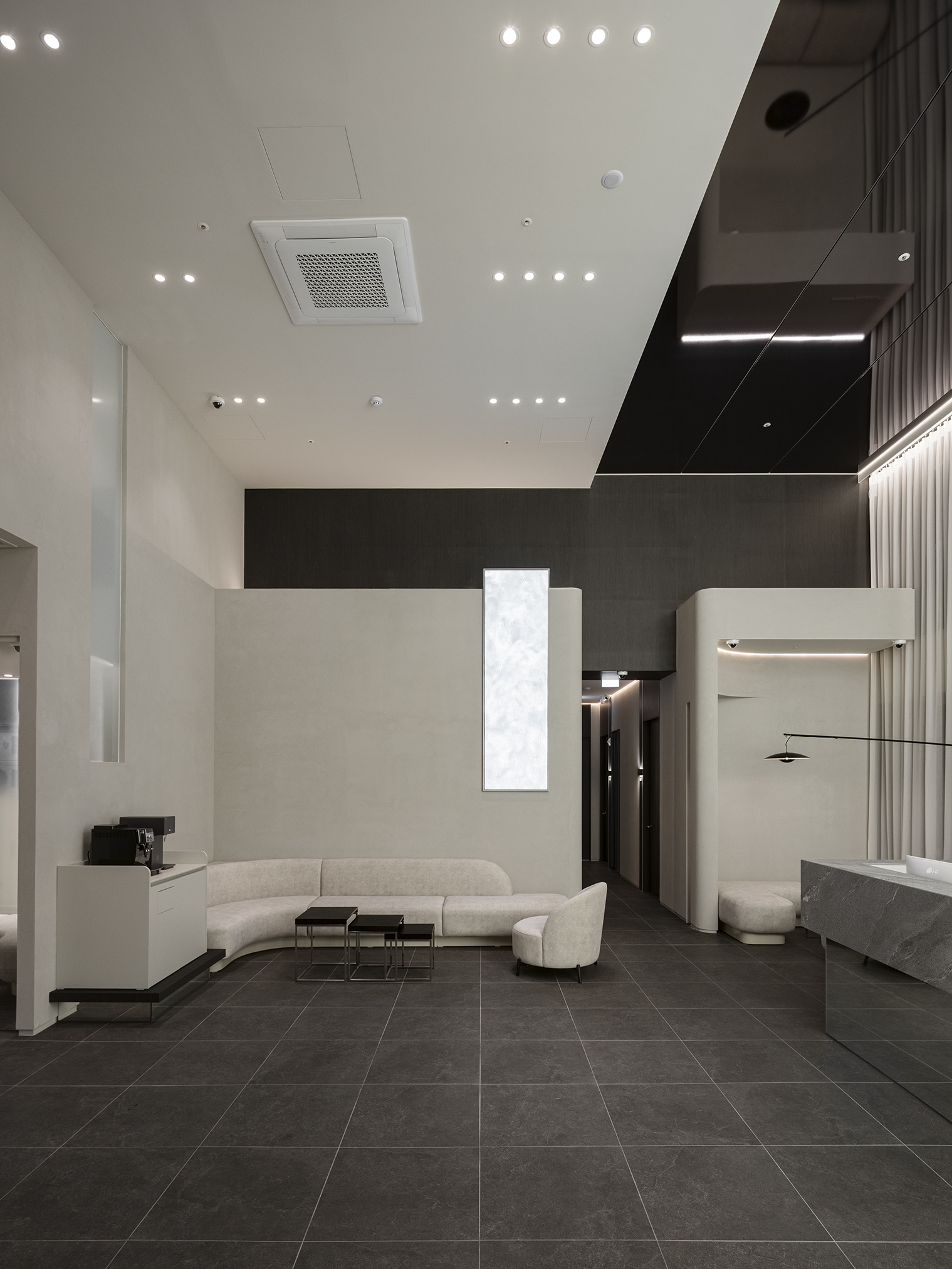
Pigmentation and redness laser therapy refers to a category of medical procedures that utilize specific light wavelengths to selectively target and neutralize excess melanin and hemoglobin in the skin layers. This guide provides a detailed overview of how these advanced technologies help individuals achieve a clearer, more balanced complexion while maintaining the overall health of the dermal structure. By understanding the science behind these treatments, you can make informed decisions about your aesthetic journey toward natural facial harmony.
What is Pigmentation and Redness Laser Therapy?
Pigmentation and redness laser therapy is defined as a non-invasive dermatological intervention designed to correct uneven skin tone caused by sun damage, vascular irregularities, or inflammatory responses. It works by delivering precise thermal energy to targeted chromophores without damaging the surrounding healthy tissue. This targeted approach ensures that specific concerns, such as solar lentigines or telangiectasia, are addressed effectively while promoting a localized healing response that improves skin clarity.
The Biological Roots of Skin Discoloration and Vascular Issues
Skin discoloration typically originates from the overproduction of melanin, which is the pigment responsible for our skin, hair, and eye color. When skin is exposed to chronic UV radiation, melanocytes can become hyperactive, leading to the formation of dark spots or age spots. On the other hand, persistent redness is often the result of dilated capillaries or an increase in hemoglobin concentration near the skin surface. These vascular issues can stem from various factors, including genetics, rosacea, or previous inflammatory conditions like acne. In my clinical experience at LUNN, I have observed that a notable portion of patients presenting with pigmentation also exhibit some degree of underlying vascular sensitivity. Understanding these biological roots is essential because a single laser wavelength cannot effectively treat both melanin and hemoglobin simultaneously. Therefore, a comprehensive assessment of the dermal layers is necessary to identify which specific chromophores are contributing to the visible unevenness of the facial canvas.
Mechanisms of Laser Energy in Selective Photo-Thermolysis
The fundamental principle behind pigmentation and redness laser therapy is selective photothermolysis, a process where light energy is converted into heat within a specific target. Each target, whether it is a melanin cluster or a blood vessel, has a unique absorption spectrum. For instance, melanin absorbs light efficiently at specific wavelengths, while hemoglobin has distinct peaks that allow vascular lasers to coagulate vessels without harming the epidermis. When the laser pulses reach the target, the temperature rises rapidly, causing the unwanted pigment or vessel to break down. During this process, the pulse duration must be carefully managed to prevent heat from leaking into the surrounding healthy skin. At LUNN, we utilize these precise mechanisms to ensure that every joule of energy serves a specific purpose in the skin rejuvenation process, always prioritizing the "Refining the Details" philosophy.
Defining Skin Texture Refinement Treatments in Modern Dermatology
Skin texture refinement treatments encompass a broad spectrum of procedures aimed at smoothing the skin surface and enhancing its light-reflecting properties. While laser therapy focuses on color correction, it also plays a significant role in improving the overall tactile quality of the skin. As the laser energy penetrates the dermis, it stimulates a mild inflammatory response that triggers the production of new collagen and elastin fibers. This biological cascade not only helps in fading spots but also tightens pores and softens fine lines. In the current dermatological landscape, refinement is no longer just about removing a single blemish. It is about creating a uniform surface where light can bounce off evenly, giving the face a healthy and natural glow. At LUNN, I emphasize that texture refinement is a cumulative process, often requiring a series of sessions to achieve stable and noticeable improvements in dermal density and surface smoothness.
Why Choose a Customized Skin Care Program in Seoul?
A customized skin care program in Seoul is a personalized medical protocol that integrates multiple therapeutic modalities tailored to an individual’s unique skin type, thickness, and sensitivity. Unlike standardized treatments, a customized approach allows the dermatologist to adjust laser parameters such as fluence, spot size, and pulse duration in real-time based on the skin’s reaction. This flexibility is crucial for safely managing diverse conditions like melasma, which requires a very different energy level compared to simple freckles or post-inflammatory erythema.
Personalized Dermatologist-led Facial Design for Natural Harmony
Facial harmony is the primary objective of every procedure I perform at LUNN. A personalized dermatologist-led facial design goes beyond simply removing a dark spot. It involves an architectural analysis of the face, considering how shadows, highlights, and skin tone interact. When I design a treatment plan, I look at the 1mm differences that can shift an expression from tired to refreshed. For example, treating redness around the nose can brighten the entire mid-face, while addressing pigmentation on the cheekbones can enhance the natural contours. This holistic view prevents the "over-treated" look that results from focusing on isolated flaws. By balancing the reduction of pigment with the preservation of natural skin variations, we achieve a result that looks authentic. Individual results may vary, and I always ensure patients understand that achieving perfect harmony is a collaborative journey.
The Advantage of a Professional Clinic in Apgujeong Rodeo
The Apgujeong Rodeo district in Seoul is internationally recognized as a hub for advanced medical aesthetics. Operating LUNN in this area allows us to stay at the forefront of global dermatological trends. The discerning clientele in this region demands a high level of precision and detail, which has driven us to constantly research and refine our techniques for more delicate care. We focus on a one-on-one, specialist-led model rather than a high-volume factory approach. This ensures that every patient receives the full attention of a qualified professional, which is vital for maintaining safety and efficacy. I believe that while the environment reflects luxury, the true value lies in the meticulousness of the treatment and the professional integrity of the skin analysis.
Tailoring Treatment Depth for Individual Skin Sensitivity
Every individual possesses a different skin threshold, which is why tailoring treatment depth is a non-negotiable step. Factors such as the thickness of the stratum corneum and baseline hydration influence how laser energy is absorbed. For individuals with sensitive skin, I often utilize specific energy settings combined with cooling technologies to prevent unnecessary irritation. At LUNN, we assess skin barrier function before beginning any high-energy laser session. I have found that a significant number of patients have a compromised skin barrier that must be addressed with appropriate skincare prior to laser intervention. By adjusting the depth and intensity, we can minimize the risk of side effects like post-inflammatory hyperpigmentation, ensuring a safer path toward a clearer complexion for every patient.
Advanced Technologies and Synergistic Modalities
Advanced technologies in dermatology refer to the latest generation of laser systems and energy-based devices that offer higher precision. These systems often utilize specific wavelengths to treat multiple skin concerns. The integration of these tools allows for a synergistic approach to skin rejuvenation, where different layers are addressed to maximize the overall outcome. At LUNN, we prioritize devices that allow for precise parameter control to match each patient's unique anatomy.
| Laser Modality | Primary Target | Typical Recovery | Common Use Case |
|---|---|---|---|
| Pigment Laser | Melanin (Brown spots) | Varies by individual | Freckles, Age spots, Melasma |
| Vascular Laser | Hemoglobin (Redness) | Varies by individual | Rosacea, Broken capillaries, Acne scars |
| Precision Resurfacing | Texture & Tone | Varies by individual | Skin radiance, Pore refinement |
| Hybrid Modality | Multiple Layers | Varies by individual | Complex aging signs, Deep pigment |
Advanced Fractional Therapy for Enhanced Radiance and Clarity
Advanced fractional therapy represents a significant advancement in non-ablative skin resurfacing. This technology focuses on creating microscopic thermal zones in the skin, which stimulates the natural renewal process without removing the entire outer layer of the epidermis. This approach allows for healing with manageable downtime. In my practice at LUNN, I have found that this modality is particularly effective for patients seeking to enhance radiance and clarity. By targeting both the surface and the mid-dermis, fractional therapy helps to break up stubborn micro-pigmentation. This type of energy delivery can stimulate sustained collagen synthesis following the sessions. This leads to a gradual improvement in skin luminosity, making it an ideal choice for individuals who want a natural-looking transition to healthier skin without significant disruption to their daily lives.
Comparative Analysis of Pigment vs. Vascular Laser Modalities
Choosing between a pigment laser and a vascular laser requires a careful analysis of the specific chromophores present. Pigment lasers, such as Q-switched or Picosecond systems, are designed to deliver energy to shatter melanin particles, which are then naturally cleared by the body. In contrast, vascular lasers target the hemoglobin in red blood cells to gently heat and collapse unwanted vessel walls. At LUNN, we often find that a combination of both modalities produces the best results for patients with mixed concerns. While a pigment laser might clear up sun spots, a vascular laser is needed to address diffuse redness. Combined therapy can often optimize the treatment plan more efficiently than using a single modality alone, provided the treatments are spaced appropriately. Please note that individual results and the number of sessions required vary depending on skin condition.
Combining Non-invasive Skin Tightening Technology for Better Results
To achieve true facial harmony, correcting color and texture is often just the first step. Combining pigmentation lasers with non-invasive skin tightening technology, such as Thermage or Ulthera, can produce a comprehensive anti-aging effect. These devices can lift and firm the underlying structures, while lasers address surface details. This approach addresses both the "frame" and the "picture" of the face. For instance, after improving tone with a laser, a tightening procedure can define the jawline. At LUNN, we design these synergy programs to ensure different energies work together effectively. This dual-action strategy is highly effective for patients who desire a noticeable improvement in their overall facial contour and skin quality through non-surgical means.
A Specialist's 2026 Guide to Precision Lifting: Achieving Natural Harmony at LUNN
Professional Guidance for Safe and Effective Recovery
Professional guidance for recovery involves a structured post-treatment plan managed by a dermatology specialist. This includes specific instructions on sun protection, the use of topical agents, and monitoring the skin’s inflammatory response. Proper recovery is just as important as the treatment itself, as it prevents complications and helps to maintain the aesthetic improvements achieved during the laser session.
Understanding Material Risks and Common Side Effects Like Erythema
While modern laser treatments are highly safe, patients must understand the material risks. The most frequent reaction is temporary erythema (redness), accompanied by mild swelling or a sensation similar to a sunburn. These symptoms typically resolve within a short period as the skin repair process begins. In cases of pigment treatment, spots may temporarily darken before flaking off. Rare but possible risks include temporary hypo- or hyperpigmentation, particularly if post-care instructions are not followed. At LUNN, I personally oversee the follow-up process to manage any unusual reactions. It is vital to remember that individual results vary, and a thorough consultation is the best way to assess your specific risk profile.
The Importance of Post-Treatment Medical Grade Skincare
Post-treatment medical grade skincare is a critical component of the recovery phase. Following a laser session, the skin's barrier is temporarily more permeable, making it receptive to active ingredients but also vulnerable to irritants. I recommend using products that contain high concentrations of ceramides and hyaluronic acid to support healing. At LUNN, we provide a customized skincare regimen that complements the specific laser modality used. Regular application of a broad-spectrum SPF 50+ sunscreen is also mandatory, as newly treated skin is extremely sensitive to UV damage. Patients who strictly adhere to a medical-grade skincare routine generally experience a more stable recovery compared to those who use standard cosmetic products during their recovery period.
Setting Realistic Expectations for Long-term Skin Health
Setting realistic expectations is the foundation of a successful relationship between a dermatologist and a patient. Laser therapy is a powerful tool, but it is not a one-time solution that stops the aging process entirely. Maintaining skin health requires ongoing care, including healthy lifestyle choices and periodic maintenance. While a series of treatments can significantly reduce pigmentation and redness, new spots may appear over time due to sun exposure. I always advise my patients at LUNN that the goal is progress and harmony, not absolute perfection. While individual results vary, a noticeable improvement in skin clarity is often achievable. We prioritize the long-term integrity of your skin over quick, aggressive fixes, working together to keep your complexion clear and harmonious for years to come.
A Specialist's 2026 Guide to Professional Skin Regeneration Therapy: Achieving Precision Facial Harmony A Specialist's 2026 Guide to the LUNN Synergy Skin Program: Achieving Precision Facial Harmony
Key Takeaways
- Pigmentation and redness laser therapy targets melanin and hemoglobin to improve skin tone and clarity.
- Selective photothermolysis allows for precise treatment of specific skin concerns without damaging healthy tissue.
- LUNN focuses on a personalized, dermatologist-led approach to achieve natural facial harmony and long-term skin health.
- Post-treatment care, including medical-grade skincare and sun protection, is essential for a safe and effective recovery.
- A combination of different laser modalities often provides more comprehensive results than a single treatment alone.
Frequently Asked Questions
Q. What exactly is pigmentation and redness laser therapy?
It is a medical aesthetic procedure that uses specific light wavelengths to target excess melanin and hemoglobin. This process helps reduce dark spots and visible redness while maintaining the integrity of the dermal structure. I focus on "Refining the Details" to ensure the light energy addresses the specific biological causes of your skin concerns.
Q. How many sessions are typically required for visible results?
The number of sessions varies based on the depth of the pigment and the severity of the redness. While some patients see improvements after one session, a series of treatments is often recommended for optimal outcomes. This allows for a gradual and safe transition to a clearer complexion.
Q. Is there significant downtime after fractional laser therapy?
Most patients experience mild redness or slight swelling for a period ranging from a few hours to a couple of days. Since we use advanced technology, most individuals can return to their daily routine quickly. We provide specific post-care instructions at LUNN to ensure your skin heals comfortably.
Q. What are the potential side effects of these laser treatments?
Common side effects include temporary erythema, minor swelling, or a darkening of treated pigments before they naturally flake off. Rare risks include temporary changes in skin color, which is why a specialist consultation is essential. I monitor every patient closely to ensure safety.
Q. How does LUNN ensure a natural look after treatment?
I focus on dermatologist-led facial design, evaluating the entire facial harmony rather than just treating a single spot. This detailed approach ensures that the skin tone looks balanced and natural. I prioritize the subtle 1mm differences that make results look authentic.
Q. Can I combine redness laser therapy with other procedures like fillers?
Yes, many patients at LUNN combine tone correction with volume restoration using fillers. We design customized programs to address multiple aging concerns simultaneously. Layering treatments in this way can provide a more comprehensive and harmonious anti-aging effect.
Q. Who is the ideal candidate for these pigmentation treatments?
Ideal candidates are those with sun damage, freckles, or persistent redness from rosacea or acne scars. A professional skin analysis is required to determine if your skin type is suitable. During your consultation, I will assess your skin barrier and medical history to create the safest plan.
For more information or to schedule a consultation, please contact LUNN or visit us at our Apgujeong Rodeo location. You can also follow my updates on Threads at @dr.lunn.
LUNN / Dr. Hyung-kwon Park
FAQ
- What exactly is pigmentation and redness laser therapy?
- It is a medical aesthetic procedure that uses specific light wavelengths to target excess melanin and hemoglobin. This process helps reduce dark spots and visible redness without damaging the surrounding tissue. By focusing on selective photothermolysis, we can treat various skin issues while maintaining the integrity of the dermal structure.
- How many sessions are typically required for visible results?
- The number of sessions varies based on the depth of the pigment and the severity of the redness. While some patients see improvements after one session, a series of three to five treatments is often recommended for optimal outcomes. This allows for a gradual and safe transition to a clearer complexion.
- Is there significant downtime after the Re2O laser skin treatment?
- Most patients experience mild redness or slight swelling for a few hours to a couple of days. Since this is a non-invasive technology, most individuals can return to their daily routine almost immediately. We provide specific post-care instructions to ensure your skin heals quickly and comfortably.
- What are the potential side effects of these laser treatments?
- Common side effects include temporary erythema, minor swelling, or a darkening of treated pigments before they flake off. Rare risks include temporary changes in skin color, which is why a consultation with a specialist is essential. I monitor every patient closely to ensure these reactions are managed effectively.
- How does lunnclinic ensure a natural look after treatment?
- I focus on dermatologist-led facial design, which means I evaluate the entire facial harmony rather than just treating a single spot. This detailed approach ensures that the skin tone looks balanced and natural. We prioritize the 1mm differences that make your results look authentic and refined.
- Can I combine redness laser therapy with other procedures like fillers?
- Yes, many patients at my clinic combine tone correction with facial volume restoration using fillers. We call this a customized skin care program designed to address multiple aging concerns simultaneously. Layering treatments in this way can provide a more comprehensive and harmonious anti-aging effect.
- Who is the ideal candidate for these pigmentation treatments?
- Ideal candidates are those with sun damage, freckles, or persistent redness from rosacea or acne scars. However, a professional skin analysis is required to determine if your specific skin type is suitable for laser therapy. During your consultation, I will assess your skin barrier and medical history to create the safest treatment plan.