
Post
A Dermatologist's 2026 Guide to Picoway Laser for Pigmentation
Hello, I am Dr. Hyungkwon Park, a board-certified dermatologist at Lunn Dermatology Clinic located in Cheongdam and Apgujeong Rodeo.
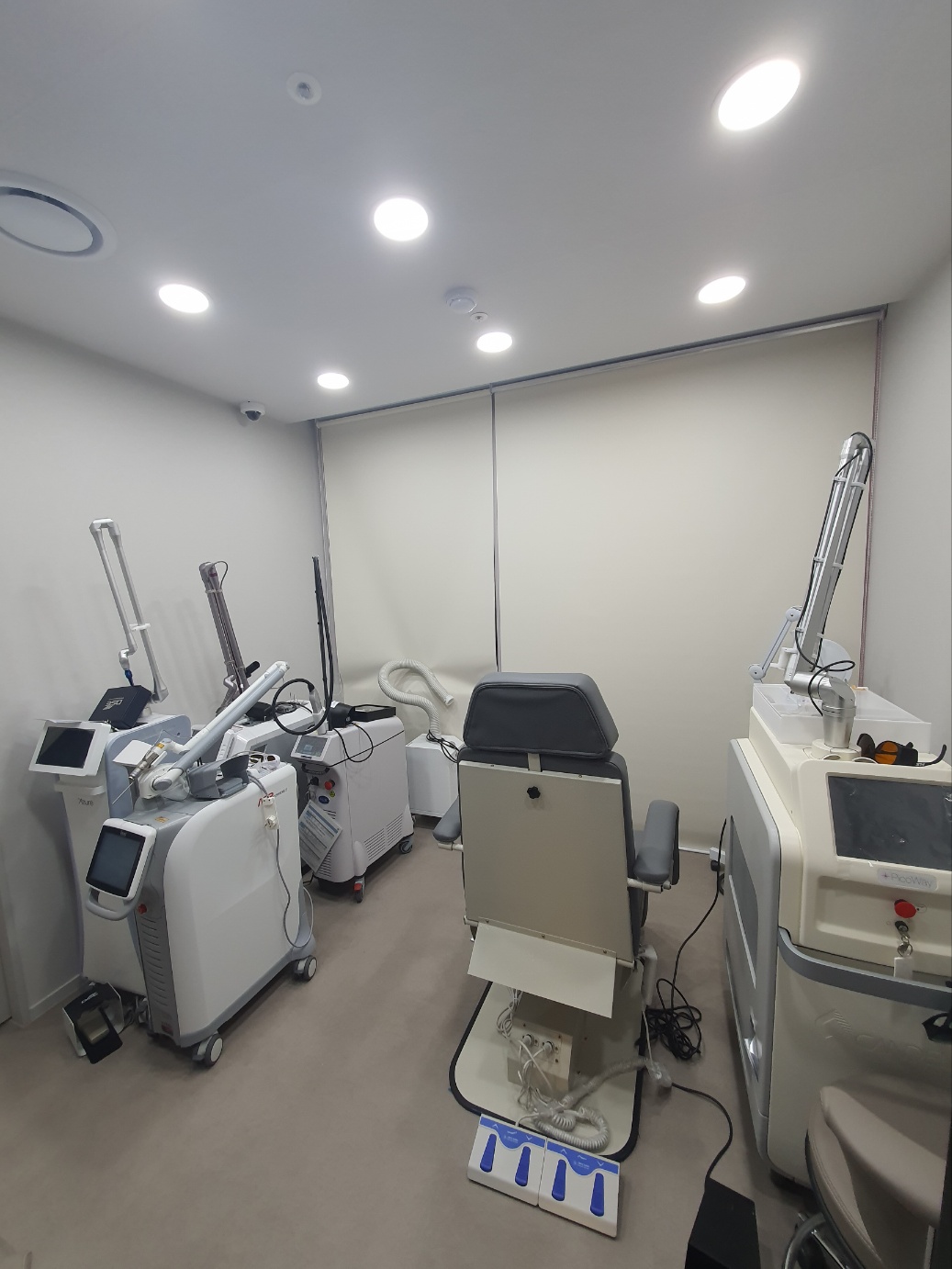
Picoway laser for pigmentation is an advanced aesthetic procedure designed to break down dark spots and uneven skin tone using ultra-short laser pulses. At Lunn Dermatology Clinic, we focus on delivering precise care tailored to your unique skin structure to achieve natural facial harmony. This specialized guide explains the scientific mechanisms and clinical expectations of picosecond technology to help you make an informed decision for your skincare journey.
What is Picoway Laser and How It Targets Pigmentation
Picoway laser for pigmentation represents an advanced dermatological technology that utilizes ultra-fast acoustic energy rather than high thermal heat to target unwanted melanin in the skin layers.
The Science of Picosecond Technology for Skin Tone
As a dermatologist, I emphasize understanding how modern technology transforms clinical care. Traditional systems rely heavily on photothermal action, which heats the target tissue to break down pigment. In contrast, picosecond technology operates at one-trillionth of a second, which is exactly 1,000 times faster than legacy nanosecond lasers. This incredible speed allows the system to deliver high peak power in ultra-short intervals, generating a robust photo-acoustic shockwave. At Lunn Dermatology Clinic, we utilize this precision to target melanin without overheating the surrounding epidermal and dermal layers. The primary advantage of this localized energy delivery is a significant reduction in peripheral thermal damage, which lowers the likelihood of post-treatment complications. Based on publicly available data, minimizing heat retention helps maintain skin barrier integrity during tone correction. This scientific approach is designed to deliver targeted care to your delicate dermal tissues while helping to preserve the underlying structural equilibrium.
Mechanisms of Pigment Fragmentation and Clearance
The physiological process of clearing unwanted discoloration involves distinct phases of structural breakdown and natural cellular elimination. When the laser energy contacts the targeted melanin, the rapid photo-acoustic pressure shatters the large pigment clusters into microscopic, sand-like particles. These minute fragments are much smaller than those produced by older laser systems, making it significantly easier for your body's immune system to clear them. Over the subsequent 2 to 4 weeks, macrophages engulf these tiny particles and naturally process them through the lymphatic system, leading to a clearer and more uniform skin tone. At Lunn Dermatology Clinic, we carefully monitor this clearance cycle to determine the optimal timing for subsequent sessions. It is essential to note that the speed of this clearance depends heavily on individual metabolic rates and the depth of the pigmentation. While the breakdown happens instantly, the visible clearance occurs gradually as the skin undergoes its natural cellular turnover.
Picoway vs. Traditional Q-Switched Lasers
Evaluating the technical distinctions between advanced picosecond systems and traditional Q-switched options reveals significant advancements in patient safety and comfort. Traditional Q-switched lasers operate in the nanosecond range, delivering energy over a longer duration, which increases thermal buildup in the surrounding skin. This prolonged heat exposure can sometimes trigger unwanted side effects, particularly in sensitive skin profiles. Conversely, the advanced picosecond architecture optimizes the photo-acoustic effect, minimizing thermal stress and reducing the typical downtime associated with intense pigment treatments. At Lunn Dermatology Clinic, we focus on this technical advantage to provide a balanced approach to tone correction. By shifting the mechanism from heat to mechanical pressure, patients often experience fewer sessions to address specific concerns. This comparative advantage makes modern picosecond technology a preferred choice for individuals seeking a precise method to improve skin clarity without undergoing prolonged, uncomfortable recovery periods.
Key Clinical Applications for Pigmentation Treatment
Key clinical applications for pigmentation treatment encompass a wide variety of epidermal and dermal discoloration concerns, ranging from localized sun damage to complex dermal lesions.
Addressing Freckles, Sunspots, and Melasma Concerns
Epidermal concerns such as freckles and sunspots respond favorably to the targeted wavelengths of modern picosecond systems. Melasma, however, requires a highly sophisticated approach due to its hormonal origins and tendency to react negatively to intense heat. By using low-thermal photo-acoustic pulses, we can address the deep melanin components of melasma while minimizing the risk of rebound hyperpigmentation. At Lunn Dermatology Clinic, we customize the treatment parameters to match the depth and density of your specific lesions. This individualized protocol helps manage delicate conditions over a period of 3 to 6 months without overstimulating active melanocytes. It is vital to remember that complex conditions like melasma often require multiple sessions and a comprehensive maintenance plan to manage effectively over time. While individual outcomes vary based on skin type, a careful combination of laser settings can help improve overall skin uniformity while respecting the biological limits of your dermal layers.
Effective Removal of Multi-Colored Tattoos
Tattoo clearance demands a versatile laser system capable of targeting multiple ink colors embedded deep within the dermis. The Picoway system utilizes distinct wavelengths, including 532nm and 1064nm, to address a broad spectrum of ink pigments effectively. Traditional lasers often struggle with stubborn green, blue, or red inks, but the high peak power of picosecond pulses shatters these complex compounds into easily clearable particles. At Lunn Dermatology Clinic, we adjust these wavelengths based on the specific dye characteristics and the depth of the tattoo ink. Utilizing up to 4 distinct wavelengths provides comprehensive options for multi-colored ink management. Complete clearance typically requires a series of treatments, and the exact number depends on the tattoo's age, ink density, and color composition. Patients should be aware that temporary blistering or crusting can occur during the recovery phase, which is a normal response as the skin heals. Proper aftercare is crucial to support optimal tissue recovery, though individual healing responses may vary.
Improving Post-Inflammatory Hyperpigmentation (PIH)
Post-inflammatory hyperpigmentation occurs following skin injuries, acne breakouts, or aggressive cosmetic procedures that stimulate melanin overproduction. Treating this condition requires extreme care, as aggressive laser settings can inadvertently worsen the inflammation and deepen the discoloration. The picosecond approach is highly suitable here because its mechanical action targets the excess pigment without introducing unnecessary heat into the vulnerable tissue. At Lunn Dermatology Clinic, we prioritize skin barrier recovery alongside pigment reduction to support a safe, gradual improvement in skin tone, depending on the individual's skin condition. We frequently integrate these sessions with specialized topical management to support the skin's natural healing processes. While many individuals observe a steady fading of dark marks over 3 to 5 sessions, individual timelines can vary depending on the severity of the initial inflammation. Maintaining a gentle skincare routine and avoiding UV exposure are essential steps to support the long-term success of your treatment plan.
Picoway Laser Treatment Comparison and Suitability
Picoway laser treatment comparison and suitability involves evaluating technical parameters and individual skin characteristics to determine the safest and most efficient path toward achieving a balanced complexion.
Picoway vs. Other Picosecond Laser Devices
Not all picosecond devices deliver identical clinical results, as differences in pulse duration, peak power, and wavelength availability affect performance. The Picoway system stands out due to its exceptionally short pulse duration, which ranges from 375 to 450 picoseconds depending on the configuration. This ultra-short duration generates higher peak power, leading to a stronger photo-acoustic effect and more thorough pigment fragmentation compared to devices with longer pulse widths. At Lunn Dermatology Clinic, we select specific parameters to ensure that the energy penetrates to the exact depth of the targeted discoloration. This technical flexibility allows us to address both superficial epidermal spots and deep dermal pigments with high precision. While various picosecond lasers are available in the market, understanding these subtle technical differences helps us design safer protocols that minimize skin irritation. Choosing the right device characteristics helps provide a predictable treatment experience tailored to your specific dermatological needs.
Who is the Ideal Candidate for This Procedure?
Identifying the ideal candidate requires a comprehensive evaluation of skin tone, pigmentation type, and overall skin health. Individuals with clear realistic expectations who are looking to address sunspots, freckles, acne marks, or unwanted tattoos are generally excellent candidates. Because this technology relies primarily on mechanical pressure rather than heat, it can be safely utilized across a wide variety of skin types, including darker complexions that are traditionally prone to laser-induced hyperpigmentation. At Lunn Dermatology Clinic, we perform a detailed structural analysis before initiating any procedure to ensure compatibility. If you want to explore more about our comprehensive intake process, consider reading A Specialist's 2026 Guide to Personalized Aesthetic Consultation in Seoul: Achieving Natural Facial Harmony at LUNN. Individuals with active skin infections, severe open wounds, or those currently taking certain photosensitizing medications may need to delay their sessions. During your personalized consultation, we discuss your medical history and lifestyle factors to establish a safe, effective timeline.
Comparison Table: Picoway vs. Traditional Laser Parameters
To better understand the technological advancements, we can examine the specific operational parameters that differentiate modern picosecond technology from traditional options. Legacy nanosecond systems utilize pulse durations up to 50 nanoseconds, which generate significant thermal energy and increase the risk of heat-induced skin irritation. Modern picosecond configurations deliver energy in ultra-short intervals, resulting in a powerful mechanical impact that shatters target particles without overheating the surrounding tissue. This shift from thermal to acoustic energy allows for more precise targeting across multiple wavelengths, making it suitable for complex dermal concerns. At Lunn Dermatology Clinic, we analyze these technical metrics to design balanced protocols that respect your skin barrier. The following comparison highlights how these fundamental engineering differences translate into distinct clinical parameters, helping you visualize the precise nature of modern laser care.
| Parameter | Picosecond Laser (Picoway) | Traditional Laser (Q-Switched) |
|---|---|---|
| Pulse Duration | 375 to 450 Picoseconds | 5 to 50 Nanoseconds |
| Primary Mechanism | Photo-Acoustic (Mechanical) | Photothermal (Heat) |
| Target Particle Size | Microscopic (Sand-like) | Larger Fragments (Pebble-like) |
| Wavelength Options | Multiple (e.g., 532nm, 1064nm) | Typically Limited Wavelengths |
| Common Recovery Profile | Transient Redness (Hours to Days) | Prolonged Erythema and Swelling |
Post-Treatment Care and Potential Considerations
Post-treatment care and potential considerations comprise the vital steps and monitoring protocols required to protect the skin barrier and maintain optimal results after a laser session.
Managing Normal Recovery and Skin Sensitivity
Following a session, experiencing temporary redness, mild swelling, or a warm sensation in the treated area is completely normal. These symptoms typically subside within a few hours to 24 hours, depending on individual skin sensitivity and the intensity of the treatment. To support the recovery process, we advise applying a gentle, fragrance-free moisturizer and a broad-spectrum sunscreen with an SPF of 30 or higher daily. Protecting the skin from direct ultraviolet exposure is absolutely critical, as vulnerable post-laser skin is highly susceptible to new UV damage. At Lunn Dermatology Clinic, we emphasize using mild cleansers and avoiding active skincare ingredients like retinoids or exfoliating acids for at least one week. Keeping the skin adequately hydrated helps reinforce the compromised epidermal barrier and accelerates natural cellular renewal. By following these straightforward recovery guidelines, you can ensure a comfortable healing phase and preserve the long-term integrity of your skin.
Understanding Potential Side Effects and Limitations
While modern picosecond technology is designed with safety in mind, it is important to recognize potential limitations and transient side effects. Some individuals may experience temporary hyperpigmentation or hypopigmentation, particularly if the treated area is exposed to sunlight prematurely. Rare side effects include mild blistering, crusting, or superficial changes in skin texture, which typically resolve within one week with proper topical care. It is essential to understand that laser treatments do not prevent the formation of new spots caused by future sun exposure or hormonal shifts. At Lunn Dermatology Clinic, we provide a realistic overview of these factors during your initial assessment to ensure full transparency. A single session is rarely sufficient for comprehensive clearance, and individual responses naturally vary based on biological differences. Recognizing these boundaries helps maintain a balanced perspective on your aesthetic journey, emphasizing consistent care and proper skin protection over instant transformations.
Maximizing Results through Integrated Skin Management
Achieving an even, radiant complexion involves more than just undergoing laser sessions, it requires a comprehensive lifestyle approach to skin health. Integrating professional treatments with a structured home care regimen provides the foundation for sustaining your results over time. We recommend incorporating antioxidant serums, such as vitamin C, once the skin has completely healed to help defend against ongoing environmental oxidative stress. At Lunn Dermatology Clinic, we design customized maintenance timelines that adjust to your skin's changing needs across different seasons. Regular follow-up assessments allow us to monitor your progress and refine your skincare routine as necessary. For those seeking deeper rejuvenation, exploring specialized options like A Specialist's 2026 Guide to Anti-Aging Synergy Programs: Achieving Facial Harmony at LUNN or a Premium Skin Booster Guide 2026: Achieving Harmony at LUNN can offer valuable structural support. Combining targeted laser energy with proactive skin nourishment helps maintain a natural, harmonious appearance for the long term.
Key Takeaways
- Photo-Acoustic Action: Picoway utilizes mechanical shockwaves rather than thermal energy, reducing risk to surrounding tissue.
- Versatile Wavelengths: Effectively addresses multiple pigmentation concerns, including sunspots, melasma, and multi-colored tattoos.
- Minimal Downtime: Most transient redness and mild swelling resolve within 24 hours of the procedure.
- Barrier Maintenance: Consistent sun protection with SPF 30 or higher and proper hydration are mandatory for recovery.
- Customized Approach: Individual responses vary, meaning multiple sessions are typically required for optimal clearance.
Frequently Asked Questions
Q. What exactly is Picoway laser therapy?
Picoway is an advanced, high-power laser system that utilizes ultra-short picosecond pulses to target skin pigmentation. Unlike traditional lasers that rely on heat, this technology creates a photo-acoustic effect to break down melanin into microscopic particles. This approach minimizes thermal damage to the surrounding tissue, supporting a more comfortable recovery process.
Q. How many sessions are typically required for pigmentation removal?
While individual responses naturally vary based on skin type and pigment depth, many patients see noticeable improvement within 3 to 5 sessions. Complex dermal conditions like melasma or multi-colored tattoos may require additional treatments to achieve optimal results. A detailed skin analysis during your consultation helps establish a customized timeline.
Q. Is the Picoway laser treatment painful?
Most patients describe the sensation as a quick, snapping feeling against the skin rather than intense discomfort. To ensure a comfortable experience, a topical numbing cream can be applied to the target area prior to the session. Any post-treatment warmth or sensitivity typically subsides within a few hours.
Q. Are there any side effects I should be aware of?
Common transient responses include temporary redness, mild swelling, or a slight darkening of the treated spots immediately following the session. In rare instances, superficial crusting or mild blistering may occur, which typically heals within one week. Following proper aftercare guidelines helps minimize these risks significantly.
Q. Can Picoway be used on all skin types?
Yes, the Picoway system is highly versatile and can be safely utilized across a wide spectrum of skin tones. Because its primary mechanism relies on mechanical acoustic energy rather than high thermal heat, the risk of triggering post-inflammatory hyperpigmentation in darker skin profiles is minimized.
Q. How long is the downtime after a session?
The downtime associated with this procedure is minimal, allowing most individuals to return to their daily activities immediately. Mild erythema or redness typically resolves within 24 hours of the treatment. Applying a broad-spectrum sunscreen and keeping the skin hydrated are the main requirements during this brief recovery phase.
Q. What is the difference between Picoway and a standard nanosecond laser?
Picoway delivers energy 1,000 times faster than standard nanosecond lasers, operating in picoseconds to minimize skin exposure to heat. This incredible speed creates a stronger mechanical impact that shatters pigment into much smaller fragments. Consequently, patients often experience fewer side effects and a more efficient clearance process.
For a detailed assessment of your skin profile, feel free to contact us for a personalized consultation. Lunn Dermatology Clinic / Dr. Hyungkwon Park. Connect with us on Threads @dr.lunn
FAQ
- What exactly is Picoway laser therapy?
- Picoway is an advanced, high-power laser system that utilizes ultra-short picosecond pulses to target skin pigmentation. Unlike traditional lasers that rely on heat, this technology creates a photo-acoustic effect to break down melanin into microscopic particles. This approach minimizes thermal damage to the surrounding tissue, supporting a more comfortable recovery process.
- How many sessions are typically required for pigmentation removal?
- While individual responses naturally vary based on skin type and pigment depth, many patients see noticeable improvement within 3 to 5 sessions. Complex dermal conditions like melasma or multi-colored tattoos may require additional treatments to achieve optimal results. A detailed skin analysis during your consultation helps establish a customized timeline.
- Is the Picoway laser treatment painful?
- Most patients describe the sensation as a quick, snapping feeling against the skin rather than intense discomfort. To ensure a comfortable experience, a topical numbing cream can be applied to the target area prior to the session. Any post-treatment warmth or sensitivity typically subsides within a few hours.
- Are there any side effects I should be aware of?
- Common transient responses include temporary redness, mild swelling, or a slight darkening of the treated spots immediately following the session. In rare instances, superficial crusting or mild blistering may occur, which typically heals within one week. Following proper aftercare guidelines helps minimize these risks significantly.
- Can Picoway be used on all skin types?
- Yes, the Picoway system is highly versatile and can be safely utilized across a wide spectrum of skin tones. Because its primary mechanism relies on mechanical acoustic energy rather than high thermal heat, the risk of triggering post-inflammatory hyperpigmentation in darker skin profiles is minimized.
- How long is the downtime after a session?
- The downtime associated with this procedure is minimal, allowing most individuals to return to their daily activities immediately. Mild erythema or redness typically resolves within 24 hours of the treatment. Applying a broad-spectrum sunscreen and keeping the skin hydrated are the main requirements during this brief recovery phase.
- What is the difference between Picoway and a standard nanosecond laser?
- Picoway delivers energy 1,000 times faster than standard nanosecond lasers, operating in picoseconds to minimize skin exposure to heat. This incredible speed creates a stronger mechanical impact that shatters pigment into much smaller fragments. Consequently, patients often experience fewer side effects and a more efficient clearance process.