
Post
A Dermatologist's 2026 Guide to Precision Laser and Pigment Treatment: Achieving Harmony at LUNN
Precision laser pigment treatment represents a significant advancement in dermatological care, offering a refined approach to addressing skin irregularities with minimal interruption to daily life.
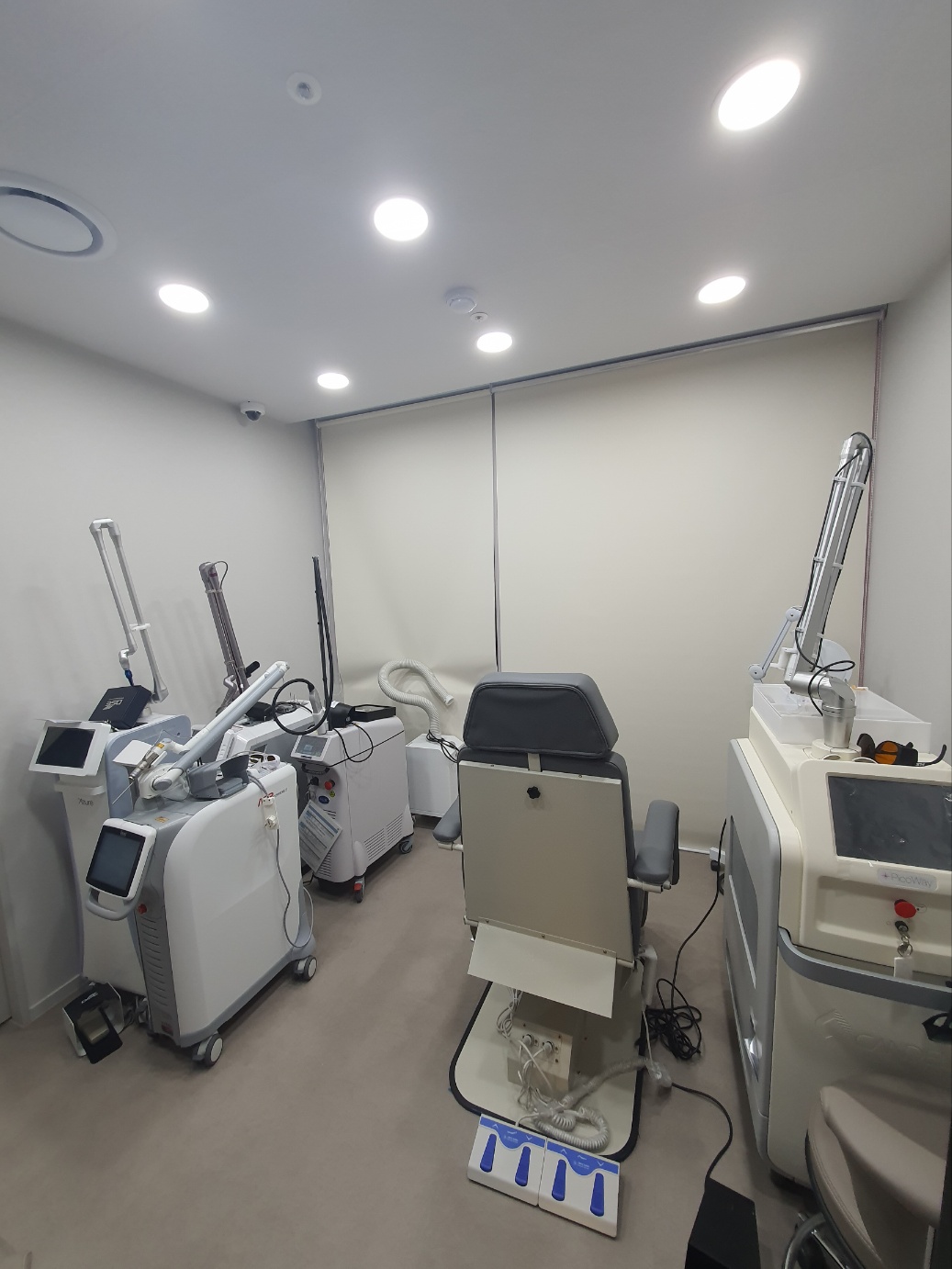
I am Dr. Park Hyung-kwon, and at LUNN, we focus on delivering precise treatments that respect the natural balance of your skin. By utilizing advanced energy-delivery technology, we aim to provide effective solutions for pigmentation and texture concerns while prioritizing patient safety and comfort.
Understanding Precision Laser Therapy: Advanced Solutions in Pigment Treatment
Modern dermatology relies on the delivery of laser energy with extreme precision to address specific skin concerns. This approach allows for the fragmentation of pigment into smaller particles without causing excessive heat buildup in the surrounding skin layers. At LUNN, this technology serves as the foundation for our pigment correction protocols, ensuring that energy is concentrated exactly where it is needed most.
The Importance of Precision in Modern Dermatology
Precision technology is characterized by its ability to deliver energy in targeted intervals. This focused approach is significantly more efficient than traditional methods used in previous decades. By operating at high precision, the laser creates a mechanical effect that shatters pigment rather than relying solely on high temperatures. This advancement is crucial because it significantly reduces the risk of thermal damage to the epidermis. In the clinical setting at LUNN, we utilize these precise pulses to address various skin depths, ranging from superficial sun damage to deeper dermal concerns. This allows for more efficient clearing of pigment because the shattered particles are more easily processed by the body. This makes it a suitable choice for patients who are concerned about the longevity and efficiency of their treatment outcomes. However, individual results may vary based on skin type and condition.
Targeting Pigment and Shadows with Clinical Precision
Unlike traditional lasers that primarily use a photo-thermal approach, our precision protocols rely on targeted pressure to address melanin and textural irregularities. When the laser hits the target, it breaks the pigment into microscopic particles. At LUNN, we find that this method is particularly effective for "shadow erasing" in the under-eye area, where dark circles are often caused by structural shadows rather than just pigment. By customizing the depth of penetration, we match the specific location of the concern. Clinical observations suggest that this targeted effect leads to a higher rate of clearance per session compared to older thermal-based technologies. This precise targeting is essential for treating delicate areas of the face where skin sensitivity is high. It ensures that the primary focus remains on the irregularity while maintaining the integrity of the overall skin structure.
The Science of Targeted Laser Energy for Skin Safety
The science of targeted laser energy centers on the principle of selective treatment, ensuring that energy does not escape to the surrounding tissue. In a typical session at LUNN, the precision of the delivery ensures that the energy remains contained within the target area itself. This significantly lowers the likelihood of post-inflammatory hyperpigmentation, a common side effect in various skin tones when exposed to excessive heat. Furthermore, the use of customizable parameters allows for a broader range of treatment options across different skin phototypes. Research indicates that reducing the thermal footprint not only increases safety but also decreases the time the skin stays red after the procedure. By prioritizing these precision durations, we provide a safer environment for skin rejuvenation, allowing patients to pursue their aesthetic goals with confidence. Potential side effects like temporary redness or swelling should be discussed during consultation.
Comprehensive Solutions for Pigment, Flat Warts, and Skin Refinement
Comprehensive skin solutions at LUNN encompass the treatment of benign pigmented lesions, flat warts, and general texture refinement. This versatile platform allows us to address multiple concerns in a single treatment plan by adjusting energy levels. Whether the goal is to clear sunspots or improve the appearance of pores, the technology adapts to the unique physiological needs of each patient, ensuring a balanced and harmonious result.
Targeting Sunspots, Melasma, and Benign Pigmented Lesions
Targeting sunspots and melasma requires a delicate balance of energy to avoid triggering further pigment production. Melasma, in particular, is sensitive to heat, which is why the precision approach at LUNN is so beneficial. We use the laser to break down the excess melanin that causes dark patches without overheating the surrounding cells. For common sunspots, patients often observe changes within 2 to 5 sessions, although deeper hormonal pigmentation like melasma may require a more cautious and extended protocol. According to clinical evaluations, the ability to switch energy parameters for superficial spots versus deeper ones is key to successful outcomes. We always perform a thorough skin analysis before starting, as individual responses to laser energy can vary significantly.
Addressing Flat Warts and Viral Skin Concerns
Flat warts are a common concern that require a specific immunological approach. At LUNN, we treat flat warts not just by removing the visible lesion, but by using the laser as a stimulant to wake up the skin's local immunity. This helps the body recognize and address the underlying virus. Because flat warts can spread through minor abrasions—a process known as '자가접종' (pseudo-Koebner phenomenon)—precision is vital to avoid unnecessary skin trauma. Typically, a series of treatments is required to manage the spread and clear the lesions. We also emphasize the importance of UV protection post-treatment, as sun exposure can suppress local immunity and hinder recovery. While laser treatment is effective, recurrence is possible, and maintenance may be necessary.
Refining Skin Texture and Minimizing Pores
Texture improvement focuses on rejuvenation and minimizing the appearance of pores. By creating microscopic treatment zones beneath the skin surface without damaging the top layer, we stimulate the production of new collagen and elastin. At LUNN, we utilize this approach to help patients concerned about enlarged pores and fine lines. Because the surface of the skin remains intact, the recovery time is typically minimal, with most patients experiencing only mild redness for about 24 to 48 hours. Clinical studies show that this method can improve skin elasticity and smooth out irregularities over a series of treatments. It is an excellent option for individuals seeking a refreshed appearance without the downtime associated with aggressive ablative lasers. The result is a more uniform skin texture that enhances overall facial harmony.
Comparative Analysis: Precision vs. Traditional Laser Systems
Comparative analysis highlights the technical and clinical differences between precision and traditional nanosecond laser systems. Understanding these differences helps patients make informed decisions about their care. While both systems aim to remove pigment, the mechanism of action and the resulting impact on skin health differ due to how energy is delivered.
| Feature | Precision Laser Therapy (LUNN) | Traditional Laser Systems |
|---|---|---|
| Primary Effect | Photo-Acoustic (Pressure) | Photo-Thermal (Heat) |
| Pigment Size | Shatters into dust-like particles | Breaks into larger fragments |
| Typical Redness | 24 to 48 hours | 5 to 7 days |
| Risk of Scars | Lowered via reduced thermal impact | Dependent on thermal spread management |
| Target Logic | Detail-oriented and localized | Broad thermal application |
A Comparison of Energy Delivery and Heat Transfer
A comparison reveals that the primary advantage of precision therapy lies in its minimized heat transfer. By delivering energy in concentrated bursts, the laser minimizes the time the skin is exposed to thermal stress. At LUNN, we emphasize that this is not just about efficiency but also about protecting the skin barrier. Traditional lasers remain in contact with the target long enough for heat to conduct into surrounding tissue, which can lead to complications like blistering or prolonged swelling. In contrast, precision pulses are so fast that energy is expended before it has a chance to significantly heat adjacent healthy cells. This allows us to achieve results with lower total energy, contributing to a better safety profile for patients with sensitive skin. Typical results are not guaranteed and depend on individual healing factors.
Understanding Pressure-Based vs. Heat-Based Effects
Understanding the difference between pressure-based (photo-acoustic) and heat-based (photo-thermal) effects is vital for appreciating modern laser safety. Photo-thermal energy works by heating the pigment until it breaks apart, which involves a risk of thermal injury. On the other hand, the pressure-based effect used at LUNN works by using waves to shatter the target mechanically. This action is far more precise because it does not depend on a massive temperature rise. When treating deep pigment or flat warts, this means the target is pulverized more effectively. Research suggests that finer particles are cleared by the body's natural processes more efficiently than larger fragments. The speed of clearance depends on the individual's lymphatic system. By shifting the focus from heat to pressure, we can treat a wider variety of conditions with a lower risk of causing damage to collagen and elastin.
Reducing the Risk of Thermal Injury Through Precision
Modern precision lasers reduce the risk of thermal injury by operating within the limits of the skin's thermal relaxation time. If the laser pulse is shorter than the time required for a target to lose its heat, the energy stays localized. At LUNN, we ensure that we are always working within these safe margins. Traditional lasers often exceeded these limits, leading to collateral damage that resulted in longer recovery times. Clinical data shows that patients treated with precision technology experience less discomfort and fewer adverse events like hypopigmentation. Furthermore, the precision allows for the use of effective energy levels on stubborn pigments without increasing the danger to the skin. This balance of power and safety is what makes modern lasers a reliable path toward clearer skin. As with any medical procedure, a consultation is necessary to determine the appropriate approach for your skin.
A Specialist's 2026 Guide to Holistic Skin Balance Care: Achieving Natural Harmony at LUNN
Personalized Care Protocols at LUNN
Personalized care protocols at LUNN are designed to ensure that every laser treatment is tailored to the specific needs of the individual. We believe that a one-size-fits-all approach is insufficient for dermatological care. Our process begins with a detailed assessment to create a roadmap for treatment that prioritizes safety, efficacy, and the long-term health of your skin.
The LUNN Philosophy: Balancing Precision with Skin Harmony
The LUNN philosophy is centered on the belief that aesthetic treatments should enhance natural beauty through the slogan "Refining the Details. Achieving Perfect Harmony." We focus on the 1mm differences that create a sense of overall balance. When performing laser treatments at LUNN, I personally oversee the calibration of the equipment to match the unique thickness and sensitivity of the patient's skin. We do not just look at the pigment; we look at the skin as a whole system. This means we are careful not to over-treat an area. We prioritize the gradual and safe removal of irregularities to ensure the skin remains resilient. Our approach is grounded in scientific evidence and clinical experience, ensuring that every session contributes to a refined appearance.
Essential Pre-Treatment Consultation and Skin Assessment
An essential pre-treatment consultation is the most important step at LUNN. During this initial meeting, we conduct a comprehensive assessment to identify the type and depth of pigmentation or the spread of flat warts. We also review medical history, including previous treatments or medications that might affect sensitivity. This is when we discuss realistic expectations and the number of sessions required. Typically, we advise patients to avoid sun exposure for at least two weeks before their session. We evaluate the skin's phototype to ensure the safest settings are selected. This meticulous preparation allows us to deliver consistent results while minimizing the chance of adverse reactions. By understanding each patient's unique profile, we develop a treatment plan that is safe and effective.
Managing Recovery and Understanding Potential Side Effects
Managing recovery involves following post-care instructions to ensure the skin heals correctly. After a session at LUNN, it is common to experience mild redness and swelling for 24 to 48 hours, similar to a light sunburn. In some cases, treated pigment may temporarily darken before fading. We advise all patients to use a gentle cleanser and apply broad-spectrum sunscreen daily to protect the treated area. While serious side effects are rare, they can include temporary changes in skin texture or pigment if proper care is not taken. It is essential to avoid intense exercise or heat for a few days post-treatment. We provide every patient with a detailed aftercare guide and are available for follow-up. Adhering to these guidelines supports the skin's natural healing and leads to the best possible outcomes.
Key Takeaways
- LUNN utilizes precision laser technology to shatter pigment with pressure rather than excessive heat.
- Treatment is effective for sunspots, flat warts, and texture refinement with minimal downtime.
- Typical recovery involves 24 to 48 hours of mild redness, significantly faster than traditional thermal systems.
- The risk of thermal injury and scarring is reduced due to localized energy delivery and the "Refining the Details" philosophy.
- Personalized consultations at LUNN ensure settings are optimized for each patient's unique skin phototype and condition.
Frequently Asked Questions
Q. How do precision lasers differ from traditional laser treatments?
Precision lasers deliver energy in targeted bursts that prioritize a photo-acoustic (pressure) effect over a photo-thermal (heat) effect. This means the pigment is shattered more efficiently with less risk of burning or damaging the surrounding healthy skin tissue.
Q. Is the laser treatment painful for most patients?
While the procedure is not entirely painless, most patients describe the sensation as a light snapping feeling. At LUNN, we prioritize comfort and can use cooling devices or topical aids to manage sensitivity. The level of discomfort varies based on the individual and the treatment area.
Q. How many sessions are typically required for pigment or flat wart removal?
For common sunspots, some patients see results in 2 to 5 sessions. Flat warts or deeper pigmentation like melasma may require a more extended protocol. I provide a customized plan after a thorough skin examination to ensure the best approach for your specific needs.
Q. What are the most common side effects after a laser session?
Common side effects include temporary redness, slight swelling, and a sensation similar to a mild sunburn for 24 to 48 hours. Pigment may darken temporarily before it clears. Rare risks include temporary texture changes, which is why following post-care instructions is essential.
Q. Is there significant downtime after the treatment?
Most patients return to daily activities immediately. You may experience redness for 1 to 2 days, but there is no extended downtime. We advise avoiding direct sun and intense heat for a few days to ensure the skin heals safely and effectively.
Q. Can these lasers be used safely on all skin tones?
Yes, by adjusting energy parameters and wavelengths, we can treat a wide range of skin types. The pressure-based approach lowers the risk of post-inflammatory hyperpigmentation compared to traditional heat-based lasers, but professional calibration for each individual is mandatory for safety.
Q. What should I do to prepare my skin before the treatment?
It is crucial to avoid direct sun exposure and tanning for at least two weeks prior. Please inform us of any medications or topical skin care products you are using, especially retinoids, so we can ensure the treatment is safe for your current skin condition.
Q. Can laser treatment help with large pores and skin texture?
Yes, our precision protocols can stimulate collagen and elastin production beneath the skin surface. This helps refine skin texture and minimize the appearance of enlarged pores. Most patients require 3 to 5 treatments to see significant improvement in overall smoothness.
Refining the Details. Achieving Perfect Harmony.
LUNN / Dr. Park Hyung-kwon
Threads @dr.lunn
FAQ
- What is PicoWay laser and how does it differ from traditional lasers?
- PicoWay is an advanced picosecond laser that delivers energy in trillionths of a second. Unlike older nanosecond lasers that rely on heat to break down pigment, PicoWay uses photo-acoustic energy to shatter pigment into tiny particles. This often leads to more effective results with significantly less heat damage to the surrounding healthy tissue.
- Is the PicoWay treatment painful for most patients?
- While I cannot say the procedure is entirely painless, most patients describe the sensation as being similar to a small rubber band snapping against the skin. We can apply topical numbing creams or use specialized cooling devices to improve comfort during the session. The level of discomfort generally depends on the sensitivity of the specific treatment area.
- How many sessions are typically required for pigment removal?
- The number of sessions depends heavily on the depth, type, and size of the pigment. For common sunspots, some patients see significant changes in 2 to 4 sessions, whereas deeper melasma or complex multi-colored tattoos may require more treatments. I provide a customized plan after a thorough skin examination to ensure the best approach for your needs.
- What are the most common side effects after a PicoWay session?
- Common side effects include temporary redness, swelling, and a sensation similar to a mild sunburn for about 24 to 48 hours. In some cases, the treated pigment may darken temporarily before fading or very light crusting may occur. Rare risks include temporary changes in skin texture, which is why following all post-care instructions is essential for safety.
- Is there significant downtime after the PicoWay pigment treatment?
- Most patients can return to their daily activities immediately after the session. While there is no extended downtime, you may experience redness for 1 to 2 days depending on the intensity of the treatment. I advise avoiding direct sun exposure and intense exercise for a few days to ensure the skin heals properly and safely.
- Can PicoWay be used safely on darker skin tones?
- Yes, PicoWay is designed with multiple wavelengths that allow us to treat a wide range of skin types safely. Because it uses photo-acoustic energy rather than excessive heat, the risk of post-inflammatory hyperpigmentation is lower compared to traditional lasers. However, settings must be carefully adjusted by a professional for each individual to maintain safety.
- What should I do to prepare my skin before the laser treatment?
- It is crucial to avoid direct sun exposure and tanning for at least two weeks before the procedure to reduce skin sensitivity. Please inform us of any medications or topical skin care products you are currently using, especially retinoids or photosensitizing drugs. This allows us to ensure the treatment is safe for your current skin condition.
- Can PicoWay help with acne scars and large pores?
- Yes, the PicoWay Resolve handpiece is specifically designed to improve skin texture, including acne scars and enlarged pores. It works by creating microscopic treatment zones beneath the surface that stimulate collagen production. Most patients require a series of 3 to 5 treatments to see a significant improvement in their skin's overall smoothness.