
Post
Synergizing ONDA Microwave and Ultrasound Lifting: A Specialist Guide to Facial Design by Dr. Hyungkwon Park
Hello, I am Dr. Hyungkwon Park, a dermatologist in the Cheongdam and Apgujeong-rodeo area.
The pursuit of facial harmony involves more than just addressing superficial wrinkles; as a specialist, I believe it requires a sophisticated understanding of structural layers and energy dynamics. Combining ONDA microwave lifting with traditional ultrasound lifting offers a multi-modal approach that addresses both skin laxity and localized fat deposits for a more refined silhouette. This integrated methodology allows for precise adjustments based on individual anatomy, ensuring that each treatment plan supports the natural contours of the face while promoting long-term skin health. I personally oversee each stage of the process, from the initial structural analysis to the final energy delivery, to ensure that the subtle 1mm details are never overlooked.
1. The Evolution of Non-Invasive Skin Tightening Technology: Microwave Meets Ultrasound
Non-invasive skin tightening has evolved from single-layer thermal treatments to sophisticated multi-depth strategies that utilize distinct energy sources to stimulate biological rejuvenation. While traditional ultrasound technology focuses on the deeper fascial structures, the introduction of microwave-based systems like ONDA provides a unique mechanism for targeting the dermis and subcutaneous fat layers simultaneously. This synergy allows practitioners to address the comprehensive aging process, which typically involves changes in bone density, muscle tone, fat distribution, and skin elasticity across multiple tissue levels. By understanding these diverse energy interactions, we can design a treatment that mimics the natural structural integrity of a youthful face without the need for surgical intervention. This approach is particularly effective for patients who seek a more natural and gradual improvement in their facial contours over time.
Defining ONDA Microwave Lifting and Traditional Ultrasound Mechanisms
ONDA microwave lifting utilizes a specific frequency of 2.45 GHz, which is uniquely absorbed by molecules in the dermis and subcutaneous fat while bypassing the more superficial epidermis. This specialized frequency ensures that a significant portion of the energy is delivered directly to the target tissue, minimizing surface heat and maximizing internal thermal effects for lipolysis and collagen remodeling. In contrast, traditional ultrasound lifting, often referred to as High-Intensity Focused Ultrasound or HIFU, uses sound waves to create microscopic thermal coagulation points at precise depths. Standard ultrasound transducers typically reach 1.5mm, 3.0mm, and 4.5mm, focusing energy on the superficial muscular aponeurotic system known as the SMAS layer. While ONDA excels at fat reduction and dermal tightening, ultrasound provides a foundational lift by tightening the structural connective tissue that supports the entire facial framework. Both technologies operate non-invasively, yet their physical interactions with biological tissue differ fundamentally, providing a broader range of clinical outcomes when applied in a coordinated fashion.
How Diverse Energy Modalities Target Different Skin Layers
Understanding how diverse energy modalities interact with human tissue is essential for achieving predictable results in facial rejuvenation. ONDA utilizes two distinct handpieces, one designed for shallow dermal tightening and another for deeper fat reduction, targeting the subcutaneous fat layers depending on the specific applicator used during the session. The Coolwaves™ technology integrated into the ONDA system keeps the skin surface at a comfortable temperature, allowing for a high density of microwave energy to pass safely through the upper layers. Meanwhile, ultrasound lifting concentrates energy at a single focal point, generating high temperatures at the target depth to trigger immediate tissue contraction and long-term lifting. By alternating these modalities, a specialist can address the superficial dermal texture with microwaves while simultaneously reinforcing the deep fascial support with ultrasound. This stratified approach ensures that energy is distributed efficiently across the skin's architecture, preventing over-treatment of any single layer while maximizing the overall regenerative response. This layered strategy is particularly effective for individuals experiencing a combination of skin sagging and minor volume shifts.
The Science of Layered Lifting for Facial Harmony
Facial harmony is achieved when the various layers of the face, from the bone to the skin surface, are in structural equilibrium. The science of layered lifting involves the strategic application of thermal energy to stimulate the body's natural wound-healing response, leading to the production of new collagen and elastin fibers over a 3 to 6 month period. Applying the optimal thermal energy is critical for inducing neocollagenesis without causing permanent tissue damage. By combining microwave and ultrasound energies, clinicians can induce these regenerative temperatures at multiple depths in a single treatment cycle. This comprehensive stimulation addresses the "shadows" caused by shifting fat pads and the "laxity" caused by weakened fascial layers. At LUNN, I focus on this scientific foundation to design treatments that respect the unique 1mm differences in each patient's facial structure. This precision ensures that the lifting effect appears natural rather than strained, supporting the overall aesthetic goal of a refreshed and revitalized appearance that matures gracefully over time.
2. Synergistic Benefits of Combining ONDA with Traditional Lifting
Combining ONDA with traditional lifting technologies creates a powerful synergy that addresses the limitations of using a single modality alone. While ultrasound is effective for structural lifting, it may not adequately address the fat deposits that contribute to a heavy jawline or a double chin. The integration of microwave energy allows for targeted lipolysis, which complements the lifting effect of ultrasound to create a more defined and youthful facial profile. This dual-action approach is particularly beneficial for patients seeking a non-surgical alternative to more invasive contouring procedures. By addressing the root causes of facial aging—both laxity and volume displacement—we can achieve a level of refinement that was previously only possible through more invasive means. My goal is always to deliver a result that looks like you, just more rested and defined.
Achieving Double Chin Reduction and Jawline Refinement
Refining the jawline and reducing the appearance of a double chin requires a combination of tissue tightening and fat volume reduction. ONDA is specifically engineered to target the submental fat layer, where the 2.45 GHz microwaves cause the fat cells to oscillate and release lipids, which are then naturally metabolized by the body over several weeks. In my clinical experience, while individual results vary, many patients observe a gradual reduction in fat volume after several sessions when combined with a stable lifestyle. When this fat reduction is paired with ultrasound lifting at the 4.5mm depth, the underlying SMAS layer is tightened, effectively "tucking" the newly contoured area for a sharper jawline. This combination prevents the potential skin laxity that might occur if fat were reduced without simultaneous skin tightening. For many of my patients at LUNN, I have found that this dual approach provides a more comprehensive solution for the lower face than either treatment could provide independently. It is important to note that individual metabolic rates can influence the speed at which fat reduction results become visible.
Facial Volume Restoration Through Multi-Depth Energy Delivery
While traditional lifting focuses on tightening, the strategic use of ONDA can help in reorganizing the dermal matrix to support better volume distribution. Aging often leads to the migration of facial fat pads, creating hollows in some areas and bulges in others. By delivering energy at multiple depths, specialists can stimulate the production of Type I and Type III collagen, which are vital for skin density and resilience. The microwave energy specifically targets the connective tissue septa within the fat layers, causing them to contract and provide better internal support for the overlying skin. This internal reorganization can lead to a more balanced facial volume, reducing the need for extensive filler treatments in some cases. Combining these effects with the structural lift of ultrasound ensures that the volume is not only supported but also correctly positioned relative to the facial skeleton. This holistic approach to volume and laxity is a hallmark of the sophisticated facial design protocols currently utilized in specialized clinics to achieve natural harmony.
Improving Skin Texture and Elasticity Simultaneously
Skin texture and elasticity are the final components of a successful facial rejuvenation plan. ONDA's shallow handpiece is designed to target the upper dermis, where it can improve skin laxity and refine the surface texture by stimulating the synthesis of new elastic fibers. Ultrasound lifting, particularly at the 1.5mm depth, also contributes to skin surface tightening by targeting the papillary dermis. When these two modalities are used in conjunction, the skin surface often appears smoother and more vibrant due to improved microcirculation and collagen density. Most patients report a noticeable improvement in skin firmness within 4 to 8 weeks after the procedure as the new collagen matures. It is common to experience mild redness or slight swelling immediately following the treatment, but these effects typically subside within 24 to 48 hours. By addressing both the deep structural layers and the superficial skin quality, this combined approach ensures that the visible results are consistent with the improved internal structure, providing a cohesive aesthetic improvement that enhances the patient's overall confidence and daily lifestyle.
3. Comparative Analysis: Microwave vs. Ultrasound vs. Radiofrequency
A clear understanding of the differences between microwave, ultrasound, and radiofrequency energies is vital for selecting the appropriate treatment path. Each modality has a specific physical behavior that determines its clinical application and target tissue depth. While radiofrequency is widely known for its ability to tighten the dermis through bulk heating, microwaves offer a more targeted approach for fat and deep dermal remodeling, while ultrasound provides the most precise control over deep structural lifting. In my practice, I often use a combination of these technologies to address the diverse needs of my patients, as no single device can solve every aesthetic concern. The key is in the diagnosis and the bespoke plan created for each individual.
A Technical Comparison Table of Lifting Modalities
The following table outlines the key technical differences between the primary non-invasive lifting modalities used in modern dermatology. This comparison is intended to highlight the unique strengths of each technology rather than to suggest the superiority of one over another, as the choice often depends on the patient's specific anatomical needs.
| Modality | Primary Energy Source | Key Target Depth | Main Clinical Focus | Recovery Period |
|---|---|---|---|---|
| ONDA | 2.45 GHz Microwave | Dermis & Subcutaneous Fat | Lipolysis & Skin Tightening | Minimal (0-1 day) |
| Ultrasound (HIFU) | High-Intensity Focused Ultrasound | 1.5mm, 3.0mm, 4.5mm (SMAS) | Structural Lifting | Minimal (0-2 days) |
| Radiofrequency (RF) | High-Frequency Electrical Current | Superficial to Deep Dermis | Collagen Remodeling | Minimal (0-1 day) |
Selecting the right combination requires a thorough assessment by a specialist who understands the physics of these devices. For example, a patient with significant skin thinning might benefit more from radiofrequency and ONDA, whereas a patient with heavy jowls would likely require the deep lifting power of ultrasound combined with the lipolytic capabilities of ONDA. Using a multi-modal approach often provides superior precision by allowing the clinician to tailor the energy delivery to the varying thicknesses of skin found on different parts of the face. More information on specialized approaches can be found in our guide on Precision Facial Design: A Guide by Dr. Hyungkwon Park at LUNN.
4. Dermatologist-Led Facial Design at LUNN
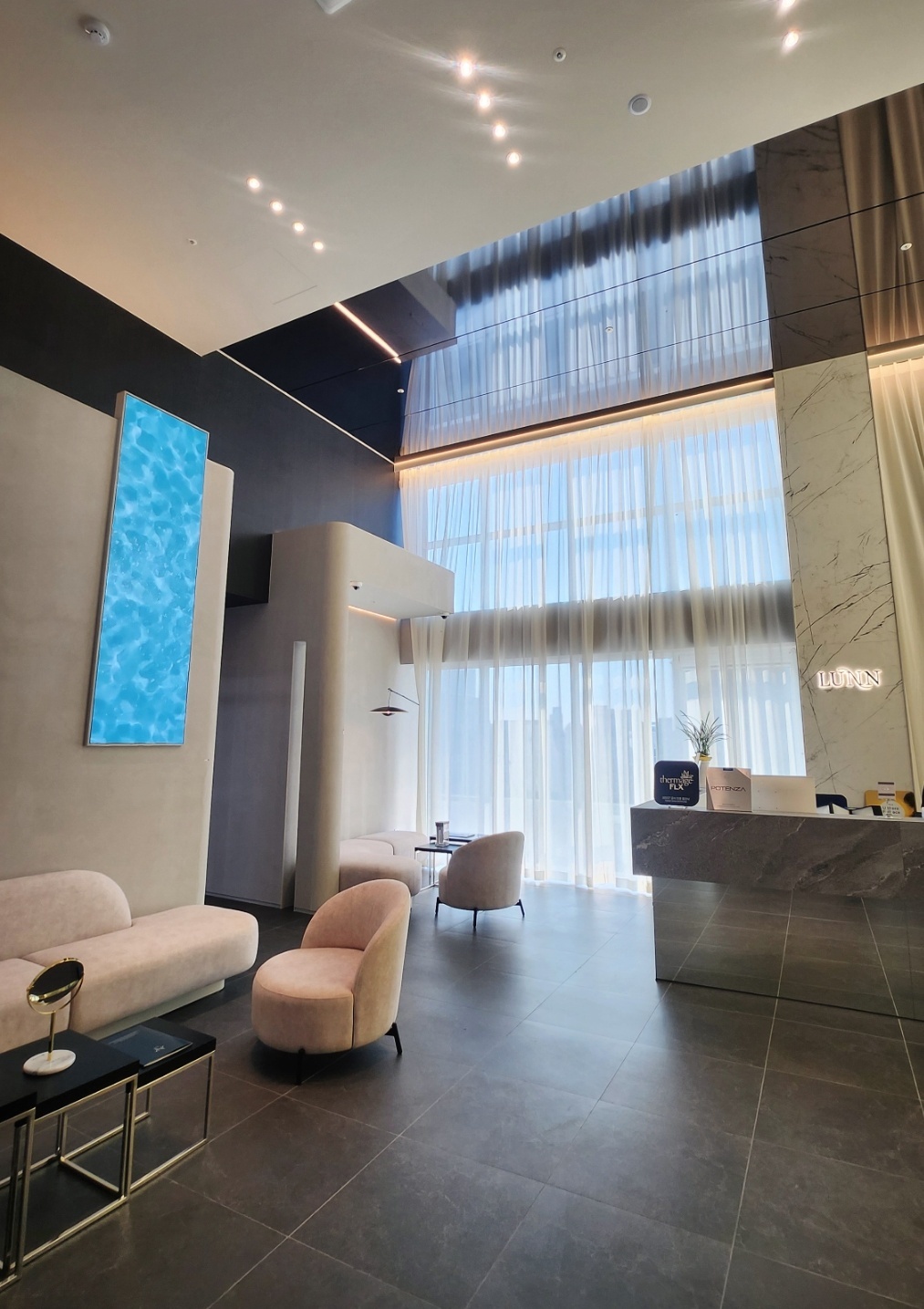
At LUNN, my philosophy of facial design centers on the belief that 1mm of change can significantly alter a person's overall impression. Every procedure is personally led by a specialist to ensure that the energy parameters are perfectly calibrated for the individual's skin thickness and underlying anatomy. This bespoke approach minimizes the risk of over-treatment while maximizing the potential for harmonious and natural-looking results. I take pride in being a 'self-employed' professional who manages every detail of the clinic environment to ensure it reflects the high standards of care I provide. From the 5-meter high ceilings that provide a sense of openness to the meticulous disinfection protocols, every aspect of LUNN is designed to give you a professional and refined medical experience.
The Importance of a Customized Skin Care Program in Seoul
Seoul has become a global hub for advanced dermatological care, where a customized skin care program is often the standard for achieving high-level aesthetic results. At LUNN, I do not follow a "one size fits all" protocol; instead, I perform a detailed analysis of the patient's facial structure, skin quality, and aging patterns before recommending a combination of ONDA and ultrasound. Based on my clinical experience, patients who undergo these tailored multi-modal treatments consistently express higher satisfaction because the plan addresses their specific anatomical concerns rather than just applying a generic setting. A tailored plan also considers the patient's lifestyle and downtime preferences, ensuring that the treatment fits seamlessly into their schedule. By focusing on the unique needs of each individual, we can provide a level of care that prioritizes both safety and aesthetic excellence in the heart of the Cheongdam and Apgujeong districts.
Integrating Thread Lifting and Skin Boosters for Comprehensive Results
To achieve a truly comprehensive transformation, energy-based lifting can be integrated with other minimally invasive procedures such as thread lifting and skin boosters. Thread lifting provides an immediate mechanical lift for sagging tissue, which can then be reinforced over time by the collagen-stimulating effects of ONDA and ultrasound. Similarly, skin boosters like PN (Polynucleotide) or hyaluronic acid injectables can improve hydration and skin health from within, providing the necessary nutrients for optimal tissue regeneration following thermal energy treatments. At LUNN, I carefully plan the timing between these procedures to allow for proper tissue healing and to prevent any interference between the different treatment mechanisms. For instance, skin boosters are often administered 2 to 4 weeks after a lifting session to support the peak period of collagen production. This holistic approach ensures that every aspect of facial aging—from structural sag to surface dehydration—is addressed in a coordinated and efficient manner. You can learn more about my personal philosophy on these treatments in Dr. Park Hyung-kwon: A Specialist's Guide to Facial Harmony at LUNN.
Safety Protocols and Managing Individual Patient Expectations
Safety is the paramount consideration for every dermatological procedure I perform at LUNN. Please note that while these treatments are effective, individual results may vary, and potential side effects such as temporary redness, swelling, or bruising can occur. While ONDA and ultrasound are generally safe for most skin types, we strictly adhere to rigorous safety protocols to prevent complications such as thermal burns or nerve irritation. Every session begins with a review of the patient's medical history and a thorough examination of the treatment area. It is vital for patients to understand that while these technologies are highly effective, results can vary based on factors such as age, genetic predisposition, and lifestyle habits. Potential side effects like temporary redness, mild swelling, or bruising are discussed transparently during the consultation phase. Most minor side effects resolve within 7 to 10 days, and patients are encouraged to follow specific post-treatment care instructions, such as avoiding high heat or intense exercise for a short period. We believe that managing expectations through honest communication is essential for a successful patient-doctor relationship, ensuring that each individual feels informed and confident throughout their journey toward facial harmony.
Frequently Asked Questions
Q. What is the primary difference between ONDA microwave lifting and traditional ultrasound lifting?
ONDA utilizes localized microwave energy at 2.45 GHz to target fat cells and collagen in the dermis, while traditional ultrasound techniques like HIFU focus on the deeper SMAS layer at depths up to 4.5mm. Using them together allows for a more comprehensive treatment across multiple tissue depths, addressing both structural sagging and volume issues. This synergy ensures a more balanced approach to facial contouring.
Q. Can I combine ONDA lifting with a thread lift at a Seoul dermatology clinic?
Yes, combining energy-based lifting with thread lifting is a common and effective approach for enhancing the jawline and overall facial structure. However, the sequence and timing between procedures must be carefully planned by a dermatologist to ensure optimal tissue healing and to maximize the synergy between mechanical lifting and biological collagen stimulation. At LUNN, we typically coordinate these treatments based on your specific healing rate.
Q. Are there any side effects associated with combined microwave and ultrasound treatments?
Temporary redness, mild swelling, or a warm sensation in the treated area are the most common side effects and usually resolve within 48 hours. While these procedures are non-invasive and generally considered safe, individual skin sensitivity varies, and some patients may experience minor bruising or temporary tenderness. A thorough consultation is always required to assess potential risks for your specific skin type and medical history.
Q. How long does a customized skin care program typically take to show results?
Initial improvements in skin tightness can often be felt soon after the treatment due to immediate collagen fiber contraction, but the full effects usually become more apparent over three to six months. This timeframe coincides with the natural cycle of collagen maturation and tissue remodeling stimulated by the energy delivery. Factors such as age and metabolic rate will influence the exact timeline for each individual.
Q. Is the double chin reduction from ONDA lifting permanent?
Microwave energy can reduce the size and number of fat cells in the submental area by inducing localized lipolysis. While the results can be long-lasting as the destroyed fat cells are metabolized and removed by the body, maintaining a stable weight and a healthy lifestyle is essential to prevent the remaining fat cells from expanding. It is a tool for contouring rather than a general weight-loss solution.
Q. Who is the ideal candidate for a dermatologist-led facial design session?
Ideal candidates are individuals seeking non-surgical facial contouring, particularly those with mild to moderate skin laxity or stubborn fat deposits under the chin. It is also suitable for those who want to maintain their facial harmony as they age without undergoing invasive surgery. A personalized assessment is necessary to determine if a multi-modal approach fits your unique facial anatomy and aesthetic goals.
Q. What should I expect during the recovery period after a combined lifting procedure?
Most patients return to their daily activities immediately as there is generally no significant downtime associated with these non-invasive treatments. You may experience some mild tenderness or a feeling of tightness in the treated area for a few days. We recommend using gentle skincare and avoiding extreme temperatures, such as saunas or very hot showers, for about one week to support the skin's healing process.
Key Takeaways
- Multi-Modal Synergy: Combining ONDA and ultrasound allows for precise treatment of both the deep SMAS layer and the subcutaneous fat/dermis.
- Targeted Fat Reduction: ONDA's 2.45 GHz frequency is uniquely effective for jawline refinement and double chin reduction through lipolysis.
- Natural Results: A personalized 1mm approach to facial design at LUNN ensures results that respect the patient's original anatomy.
- Long-Term Regeneration: Both technologies stimulate a collagen-building response that matures over 3 to 6 months for lasting skin quality improvements.
- Minimal Downtime: Most patients can resume normal life immediately, with only minor and temporary side effects like redness or swelling.
LUNN / Dr. Hyungkwon Park
FAQ
- What is the primary difference between ONDA microwave lifting and traditional ultrasound lifting?
- ONDA utilizes localized microwave energy at 2.45 GHz to target fat cells and collagen in the dermis, while traditional ultrasound techniques like HIFU focus on the deeper SMAS layer at depths up to 4.5mm. Using them together allows for a more comprehensive treatment across multiple tissue depths, addressing both structural sagging and volume issues. This synergy ensures a more balanced approach to facial contouring.
- Can I combine ONDA lifting with a thread lift at a Seoul dermatology clinic?
- Yes, combining energy-based lifting with thread lifting is a common and effective approach for enhancing the jawline and overall facial structure. However, the sequence and timing between procedures must be carefully planned by a dermatologist to ensure optimal tissue healing and to maximize the synergy between mechanical lifting and biological collagen stimulation. At lunnclinic, we typically coordinate these treatments based on your specific healing rate.
- Are there any side effects associated with combined microwave and ultrasound treatments?
- Temporary redness, mild swelling, or a warm sensation in the treated area are the most common side effects and usually resolve within 48 hours. While these procedures are non-invasive and generally considered safe, individual skin sensitivity varies, and some patients may experience minor bruising or temporary tenderness. A thorough consultation is always required to assess potential risks for your specific skin type and medical history.
- How long does a customized skin care program typically take to show results?
- Initial improvements in skin tightness can often be felt soon after the treatment due to immediate collagen fiber contraction, but the full effects usually become more apparent over three to six months. This timeframe coincides with the natural cycle of collagen maturation and tissue remodeling stimulated by the energy delivery. Factors such as age and metabolic rate will influence the exact timeline for each individual.
- Is the double chin reduction from ONDA lifting permanent?
- Microwave energy can reduce the size and number of fat cells in the submental area by inducing localized lipolysis. While the results can be long-lasting as the destroyed fat cells are metabolized and removed by the body, maintaining a stable weight and a healthy lifestyle is essential to prevent the remaining fat cells from expanding. It is a tool for contouring rather than a general weight-loss solution.
- Who is the ideal candidate for a dermatologist-led facial design session?
- Ideal candidates are individuals seeking non-surgical facial contouring, particularly those with mild to moderate skin laxity or stubborn fat deposits under the chin. It is also suitable for those who want to maintain their facial harmony as they age without undergoing invasive surgery. A personalized assessment is necessary to determine if a multi-modal approach fits your unique facial anatomy and aesthetic goals.
- What should I expect during the recovery period after a combined lifting procedure?
- Most patients return to their daily activities immediately as there is generally no significant downtime associated with these non-invasive treatments. You may experience some mild tenderness or a feeling of tightness in the treated area for a few days. We recommend using gentle skincare and avoiding extreme temperatures, such as saunas or very hot showers, for about one week to support the skin's healing process.